Picture perfect with the right light
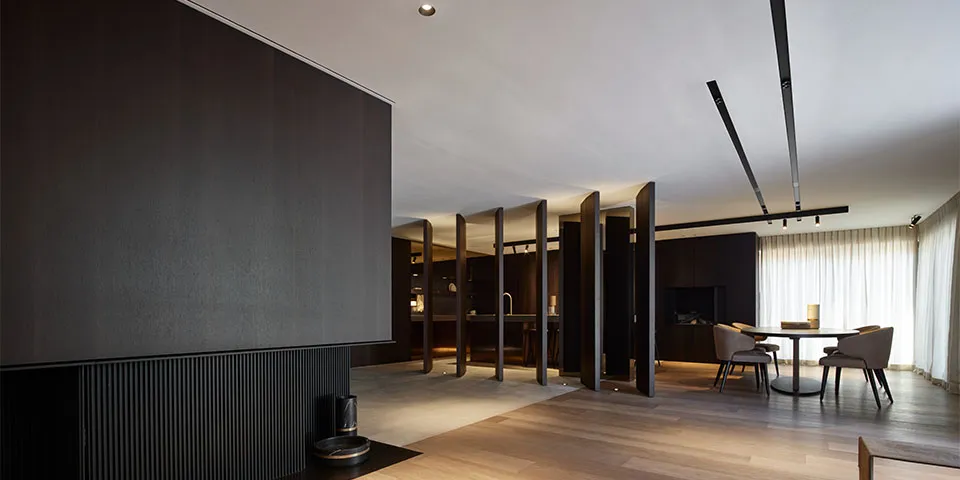
Countless articles have been written about the benefits of light and lighting. Light has a positive effect on people’s wellbeing.
Work performance also improves when the right light is used correctly. Lighting is the art of shaping light so that it does what you want it to do.
Words: Tom Rampelbergh | Images: Arne Jennard, Bart Gosselin, King George, pxhere | Sources: Kreon, LEDNLUX, Delta Light, dmlights
In ancient times, the ‘discovery’ of fire marked an immense step forward. The word discovery is deliberately placed in quotation marks: it is not really possible to speak of inventing fire, but rather of learning how to use it. Fire proved extremely useful. It provided heat and light, helped in the making of materials and offered protection from the dangers of the time. The fact that fire gave light also meant that time could be put to good use after dark and at night. Today, light and the way it is shaped have become an essential part of life, impossible to imagine living without. From streets and squares to every kind of building. Light is also indispensable for showing off the many architectural gems around the world and, of course, other useful buildings.
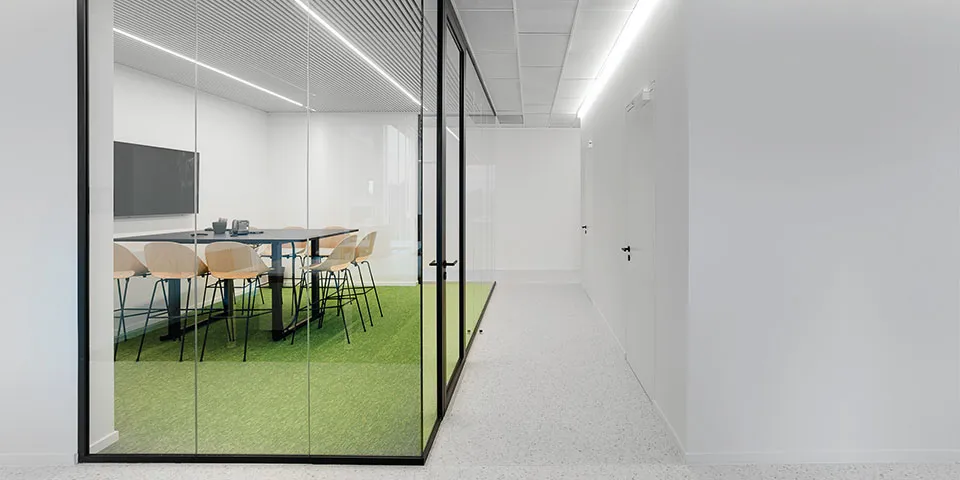
Good lighting also boosts productivity in the workplace. (Image: Bart Gosselin, Multiline)
Room for improvement
Public lighting is a very different application from lighting in and around buildings. Everyone knows that. It is a cliché as old as the hills, yet we keep using it. Unfortunately, there are plenty of examples where the lighting falls short. In Belgium, our streets and squares are blessed with a proliferation of lighting points, so many that we can be seen from space. They are usually yellow or orange lights that emit plenty of light, but are far from ideal from a lighting-design perspective. Here and there, we are seeing LED lighting installations appear, and the difference is striking. Yet many market squares and other public spaces still present, it has to be said, an ugly sight. Picture this: a town hall with a square in front that serves as a car park. The car park is lit by standard, predictably yellow or orange lamps. The design of the luminaire is not relevant here. Two or three huge floodlights are mounted on the buildings around the town hall, bathing it, though it is certainly not unattractive, in a pool of dirty yellow light. They are not even properly aimed, so some of the light misses the town hall, leaving part of it in darkness. Replace this lighting with a more modern installation based on a well-considered lighting plan, and the square will gain charm after dark. It will also improve people’s sense of safety.
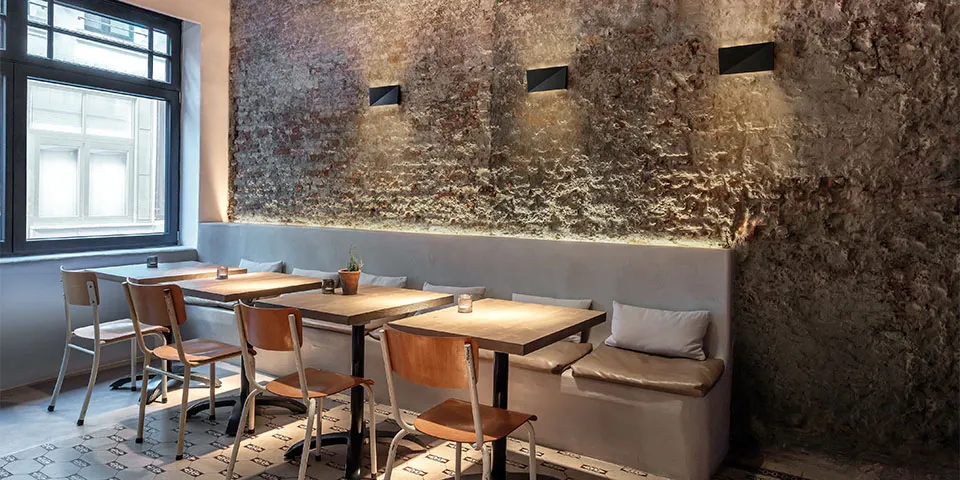
Lighting and architecture work together to enhance the experience of a space or building. (Image: King George, Modular)
Visible or invisible?
Lighting in gardens and driveways is also an important consideration. As with any lighting task, the luminaires ensure that you can see what you are doing, in this case where to walk or drive. At the same time, they create a certain atmosphere in the outdoor setting, for better or worse. Every situation is different, as are the clients. Some people are adamant that the luminaires should not be seen, while others take a completely different view. The outdoor lighting ranges of many manufacturers therefore include products that are designed to be seen, as well as those that are virtually invisible. Some manufacturers have made this type of outdoor lighting their core business and specialise in it.
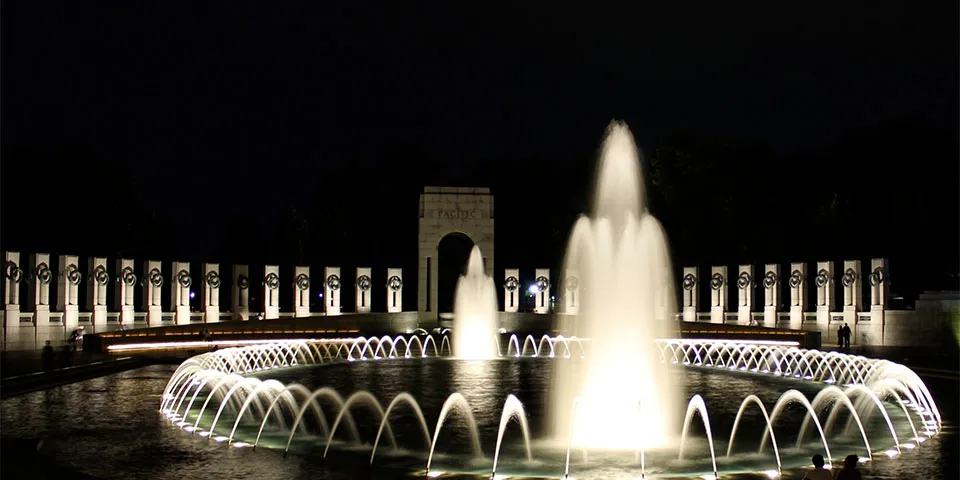
Carefully designed lighting adds character to monuments. (Image: pxhere)
No single definition
The term architectural lighting often comes up in discussions about lighting. But what does it mean? One possible definition is the lighting of architectural structures. Yet this does not tell the whole story. Sometimes lighting is the focal point of an interior, and that is a deliberate choice. At other times, the aim is to give the architecture itself all the attention. This calls for lighting that is discreetly present and lets its surroundings speak for themselves. This type of lighting is sometimes also referred to as architectural lighting. “Architectural lighting is a type of lighting that stems from a love of architecture and is created to serve it,” we often hear. “Architecture and lighting are interwoven to create an overall experience that enhances a space or building.” The aim of architectural lighting is to show its surroundings to best effect. The luminaires may be visible: they do not necessarily have to be virtually invisible.
A job for specialists
It is generally accepted that lighting is important in every project. It is also understood that lighting requires knowledge and expertise. Fortunately, our country has a wide range of lighting designers who can provide every project with a suitable lighting plan. Their advice is to involve lighting designers in a project’s development from the outset. The right light can give an impressive building that little extra. The wrong light can make an impressive building seem anything but. Call on a specialist to help you achieve an outstanding result.
Question about this story? Ask your question
Companies in this story

Keep following this
Get an email when a new story is published. No account needed.
- ThemeLight and sound as design tools
- SubjectInteriors
- CompanyKreon