Extreme weather conditions place new demands on buildings
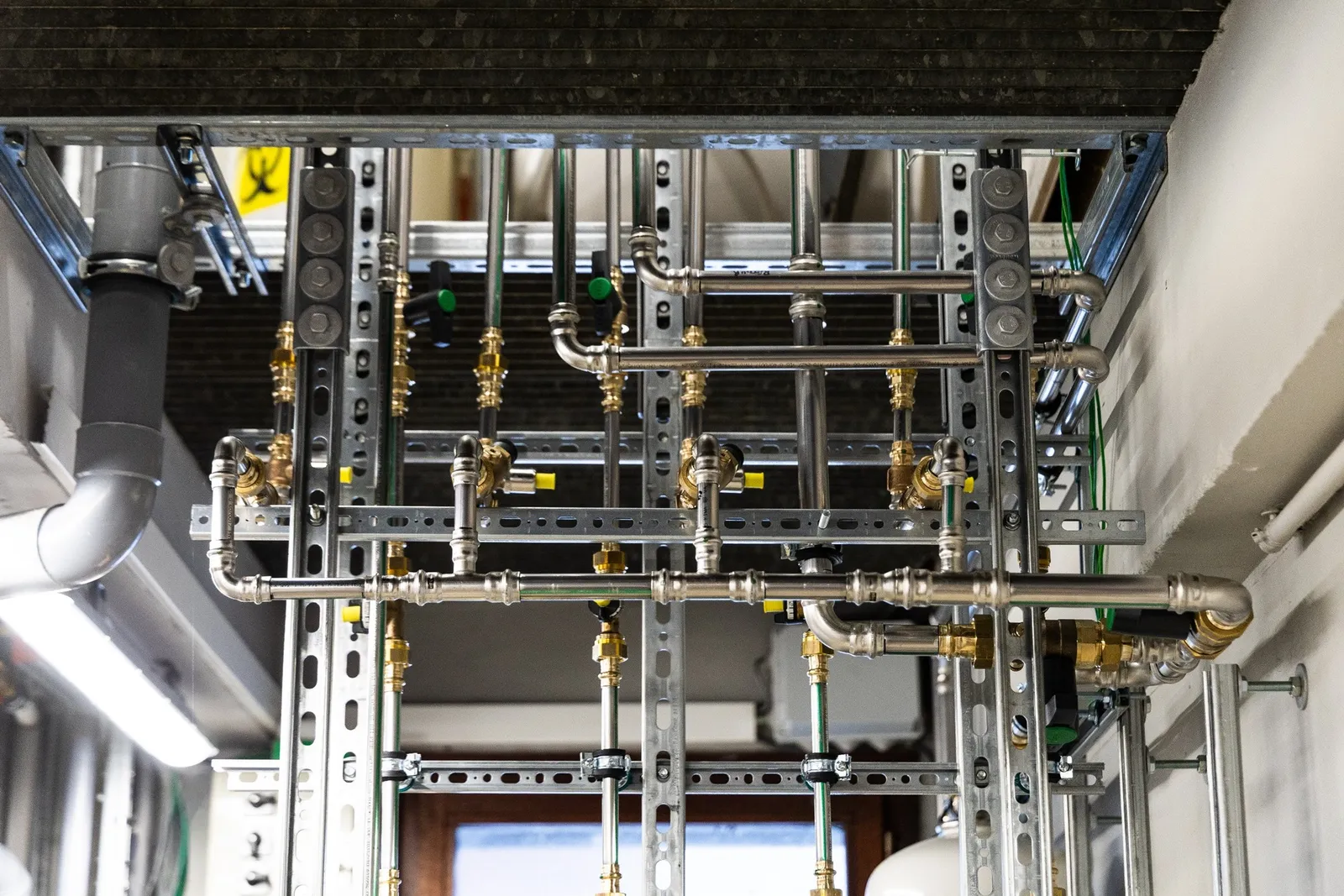
How well do our buildings protect us against extreme rainfall, flooding and storms? And what does this mean for the choice of building materials and the installation of building services?
During an exclusive press visit to the laboratories in Limelette, Buildwise showed how scientific research is helping make buildings more resilient to a changing climate. From flood-resistant doors to roof structures and sanitary installations, the challenges affect almost every construction discipline.
Water finds more ways in than you might think
Half a million homes in Flanders are currently located in areas at risk of flooding. According to estimates cited by Buildwise, that number could rise to two million by 2100. Petra Van Itterbeeck, R&D Program Lead at Buildwise, stressed during the visit that collective protection measures alone would not be enough. Individual buildings also need better protection.
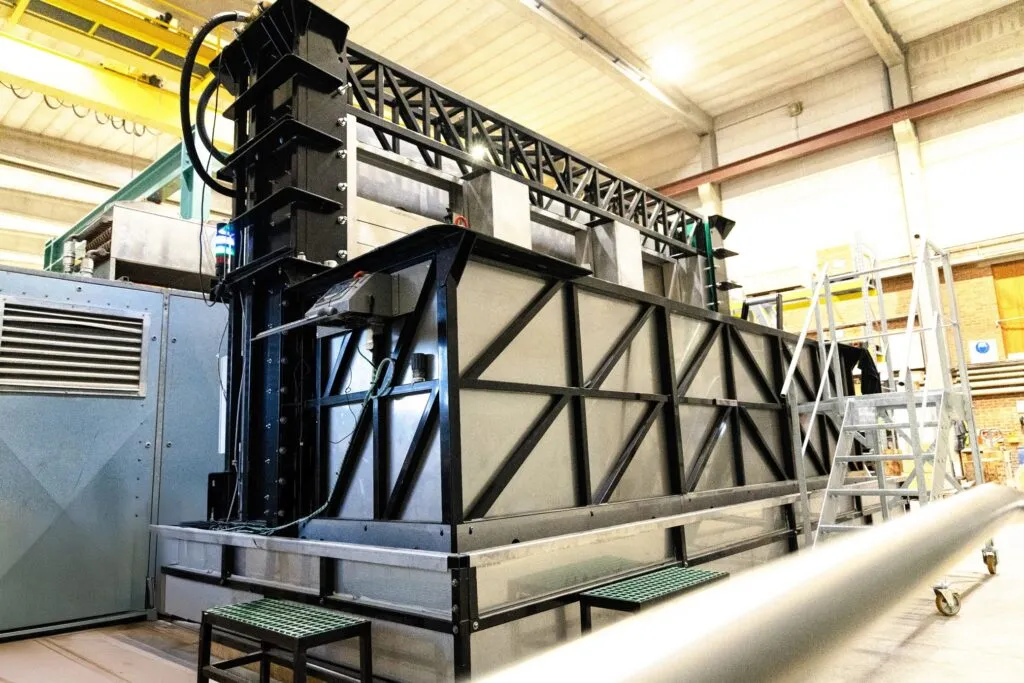
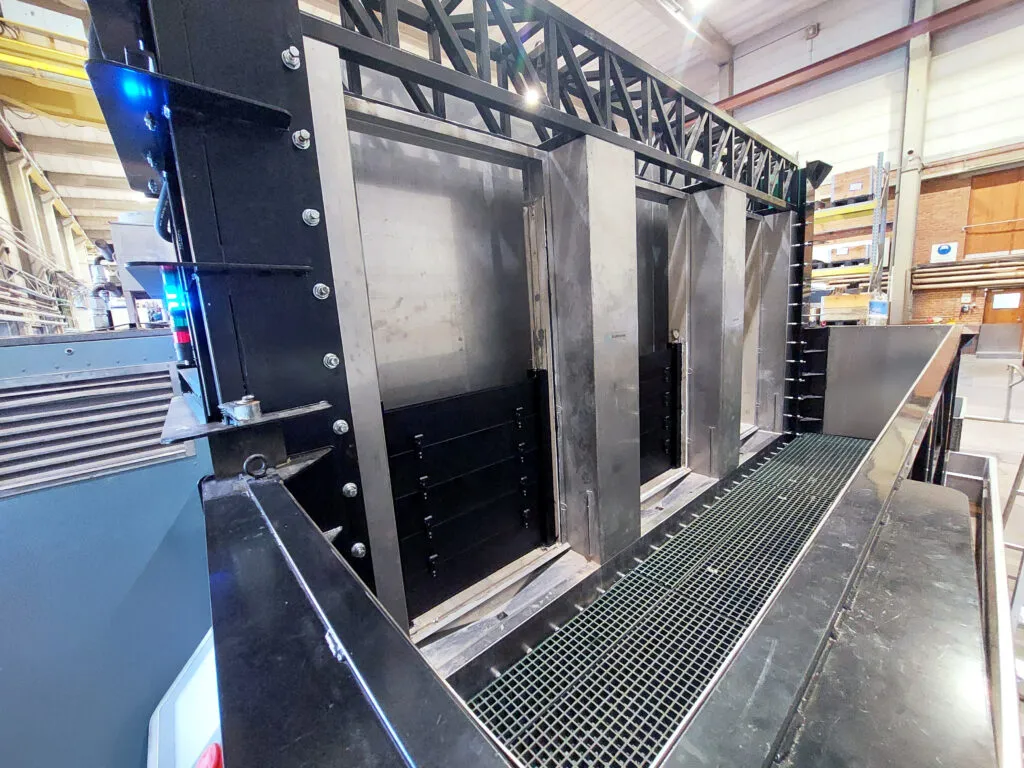
To this end, Buildwise has developed the FLOOD test rig, where flood-resistant doors, garage doors and temporary flood barriers are tested under controlled conditions as water levels rise. Up to three door openings can be tested simultaneously. Researchers measure how much water enters through seals and junctions, at both low and higher water levels.
The demonstration produced a surprising finding. Some flood-resistant doors appear to seal less effectively at low water levels than at higher ones. Only when water pressure increases are certain seals pressed more firmly into place, reducing water ingress. The demonstration also revealed that a junction at the bottom of the tested door was particularly vulnerable. “We help the manufacturer identify the weak points in their door,” explained Van Itterbeeck. A product that performs well at a high water level does not necessarily offer the same protection against limited flooding.
The façade itself deserves attention
Windows and doors are not the only potential entry points for water. Water can even seep through masonry. In a separate test rig, Buildwise demonstrated that an untreated wall can let through several litres of water per hour. After a suitable protective paint or render layer was applied, the amount fell to just a few millilitres.
The results underline the importance of an integrated approach. A flood-resistant door or window assembly offers little protection if adjacent building elements and junctions do not provide sufficient resistance. That is why Buildwise examines not only the watertightness of individual products, but also their durability and correct application in practice.
Wind loads and water drainage
In another laboratory, Bram Dooms, R&D Program Lead, demonstrated how flat roofs are subjected to simulated storm loads. Complete roof build-ups, including insulation, waterproofing and fixings, are tested using successive suction cycles. Fixing systems for solar panels are also part of the research. Significant uplift forces can occur, particularly at roof edges and in corner zones. The tests show how strongly performance depends on the interaction between materials, fixings and workmanship.
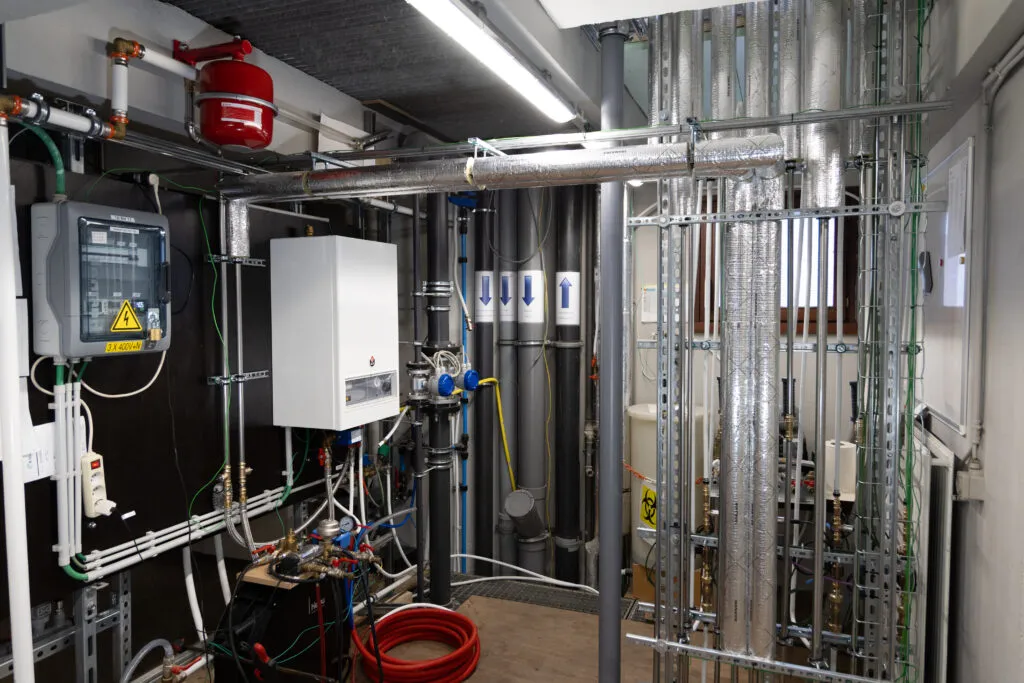
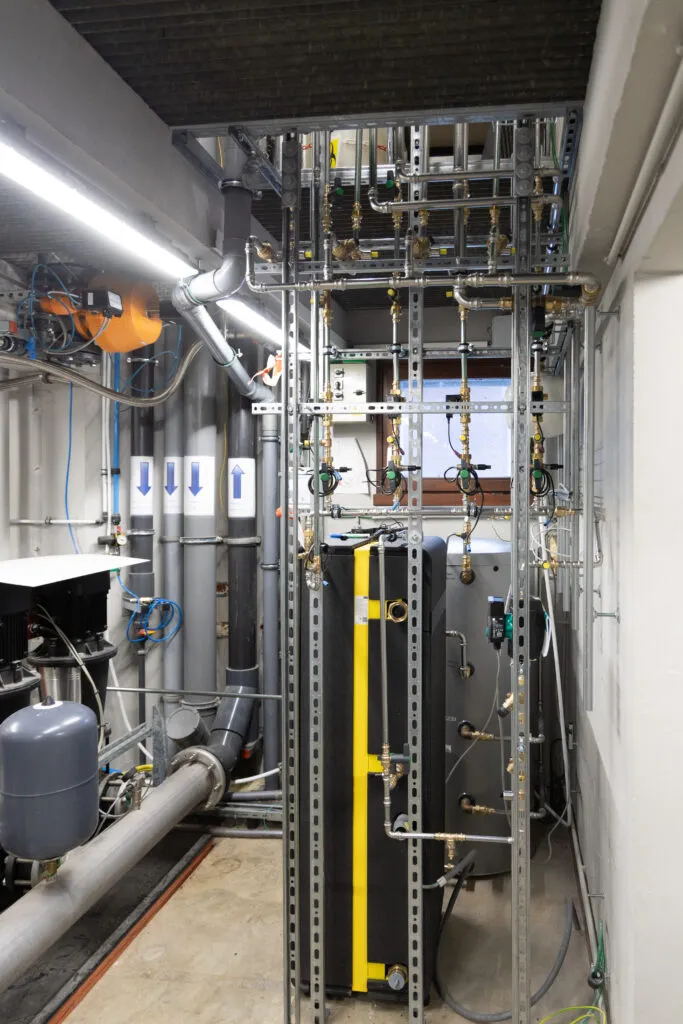
At the sanitary tower, research focuses on other challenges. Buildwise is investigating, among other things, whether rainwater drainage systems need to be adapted to the increasing intensity of extreme rainfall. It is also examining how domestic hot water can be produced at lower temperatures without increasing the risk of Legionella growth. This research should help make sanitary installations safer and more energy-efficient.
Timber construction and new materials
Making building materials more sustainable is another key research priority. According to Noël Huybrechts, Chief R&D at Buildwise, interest is growing in bio-based materials, reuse and industrialised construction methods. Buildwise already has extensive expertise in timber frame construction and is also researching cross-laminated timber (CLT), which opens up new possibilities for larger and taller buildings. At the same time, lightweight structures bring additional requirements, including for acoustic comfort.
Research must make its way onto the construction site
Buildwise has around 330 employees and is working on 135 ongoing research projects. But the organisation is keen to go beyond developing knowledge alone. “Innovation is the result of applying new knowledge on construction sites and in companies,” CEO Olivier Vandooren stressed during his presentation. This ambition explains why the former WTCB is increasingly positioning itself as an innovation centre for the Belgian construction sector.
This carries an important message for the construction sector as a whole. Climate-resilient construction starts not only with new products, but also with careful material selection, correct detailing and meticulous workmanship. The laboratories in Limelette show why this is becoming increasingly important.
Question about this story? Ask your question
Keep following this
Get an email when a new story is published. No account needed.
- SubjectGeneral