Building with nature as an ally
One CASCO year in: insights from practice
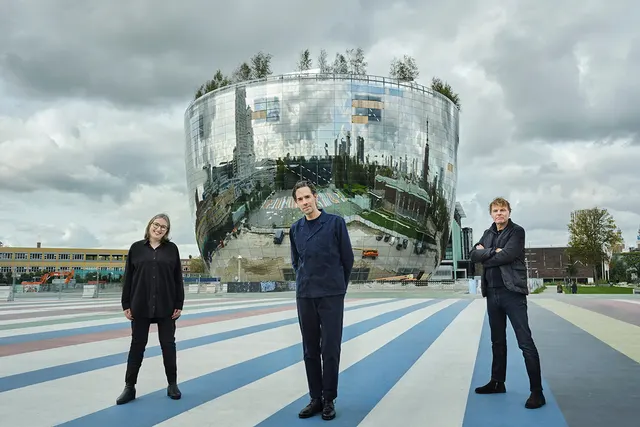
The construction sector faces a huge challenge: drastically reducing its ecological footprint. Since 2024, the Interreg project CASCO, Carbon Sink Construction, has been seeking answers. Its aim is to scale up the use of natural and local building materials. One year after its launch, we spoke to architects Lydia Fraaije (FRAAi architecten, NL) and Koen Van Delsen (murmuur architecten, B).
With CASCO, the project partners aim to develop an ecosystem in which local and natural materials, including timber, straw, roadside grass cuttings and other waste streams, find a place in mainstream construction practice. These materials not only absorb CO₂ as they grow, but also have a low environmental impact during processing. Afterwards, they can be returned to nature. Yet the path to large-scale use is far from straightforward. Fraaije and Van Delsen share their experiences and insights.
Working with nature
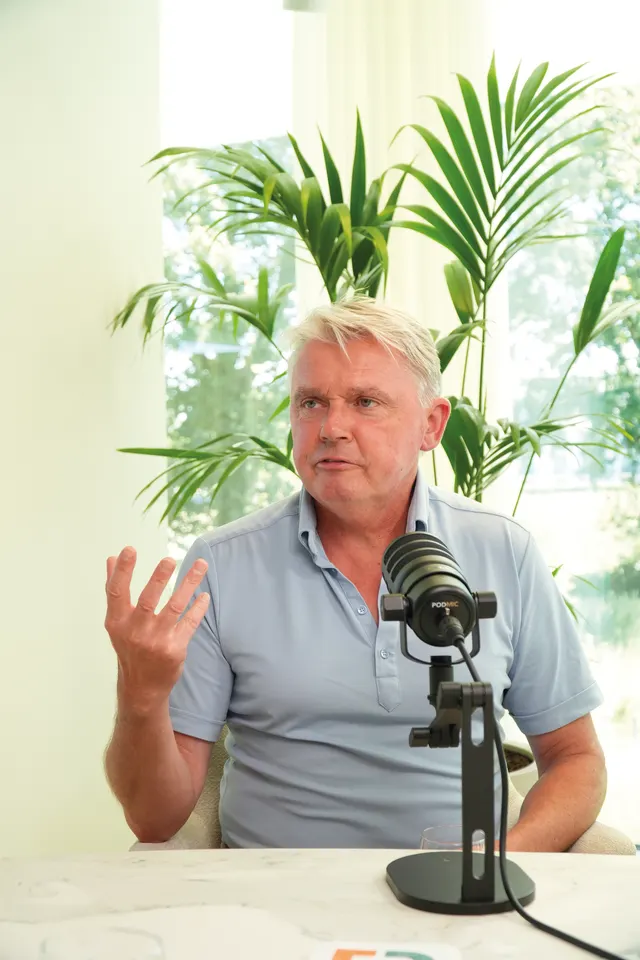
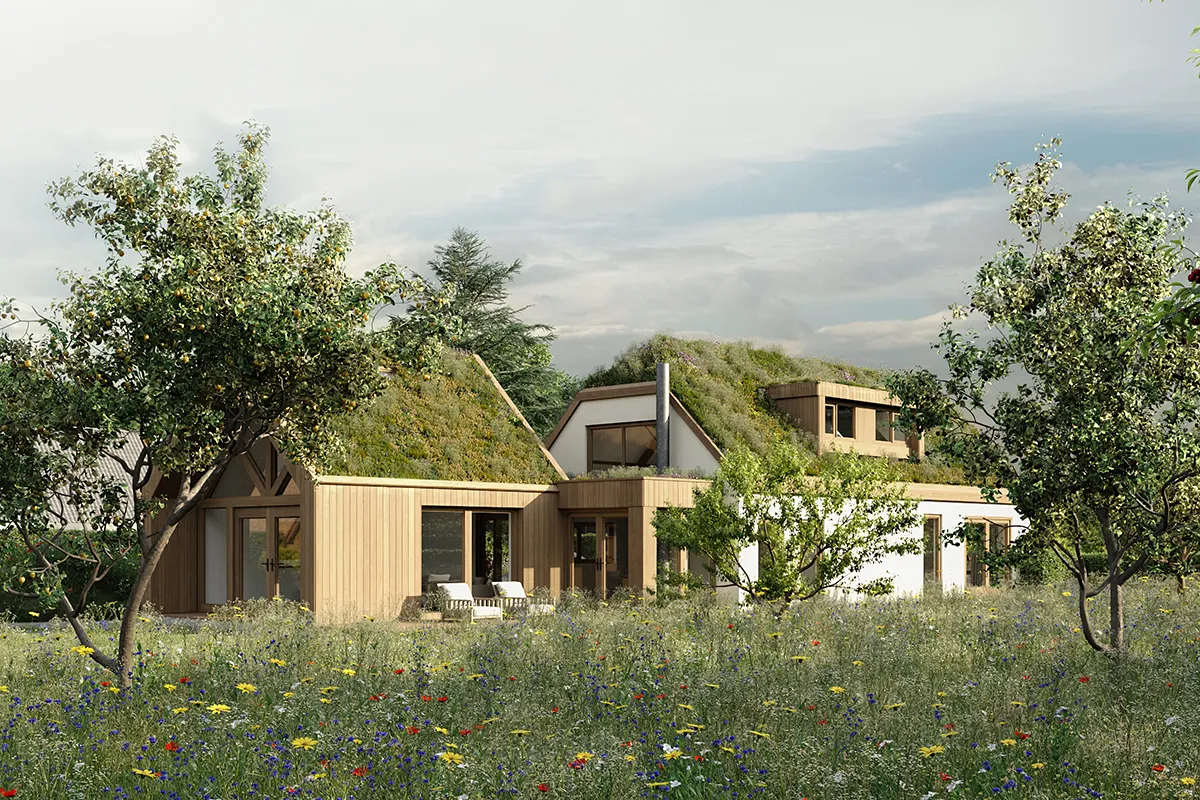
According to Lydia Fraaije, a biomimicry and biophilic architect and, consequently, an advocate for nature, architecture should provide ecosystem services, just as nature does. “Buildings can contribute to water purification, nitrogen binding or biodiversity.” Within CASCO, she works on areas including supply-chain development and education, with the ambition of encouraging architects to experiment with locally grown materials. “It’s a process of finding creative and practical ways to work with nature.” Koen Van Delsen of murmuur architecten shares this view. “As a bio-engineer, I was taught about concepts such as ecosystem services,” says Van Delsen. “murmuur focuses on projects with social or societal relevance, such as social housing, schools and care facilities, alongside mainstream housing. Where possible, we also try to experiment with natural building materials. But regulations don’t always help.”
Challenges and opportunities
During this first year, both the opportunities and the challenges have been mapped out. “Legislation and regulation are indeed a recurring challenge, alongside budgetary pressures,” Van Delsen continues. “In Flanders, there is currently no requirement to report the environmental impact of materials, as there is for energy performance. That will change from 2028 under new European rules, which could be a major breakthrough for bio-based materials.” Fraaije adds: “In the Netherlands, the problem lies elsewhere: natural materials are barely represented in official databases. If you can’t include them in your calculations, their benefits disappear.” Developing a well-functioning supply chain is also crucial, from local waste products from forestry and agriculture to local, natural building materials. The architects therefore advocate creating a new role for a supply-chain coordinator, someone who better matches supply with demand. Farmers need to see a fair business case in growing crops or supplying waste streams, while contractors want certainty about deliveries. “The sector also needs knowledge-sharing and promotion. Misconceptions about the fire safety or durability of bio-based materials are still too common. A strong, evidence-based case can allay fears and build support,” says Fraaije.
Practical projects as laboratories
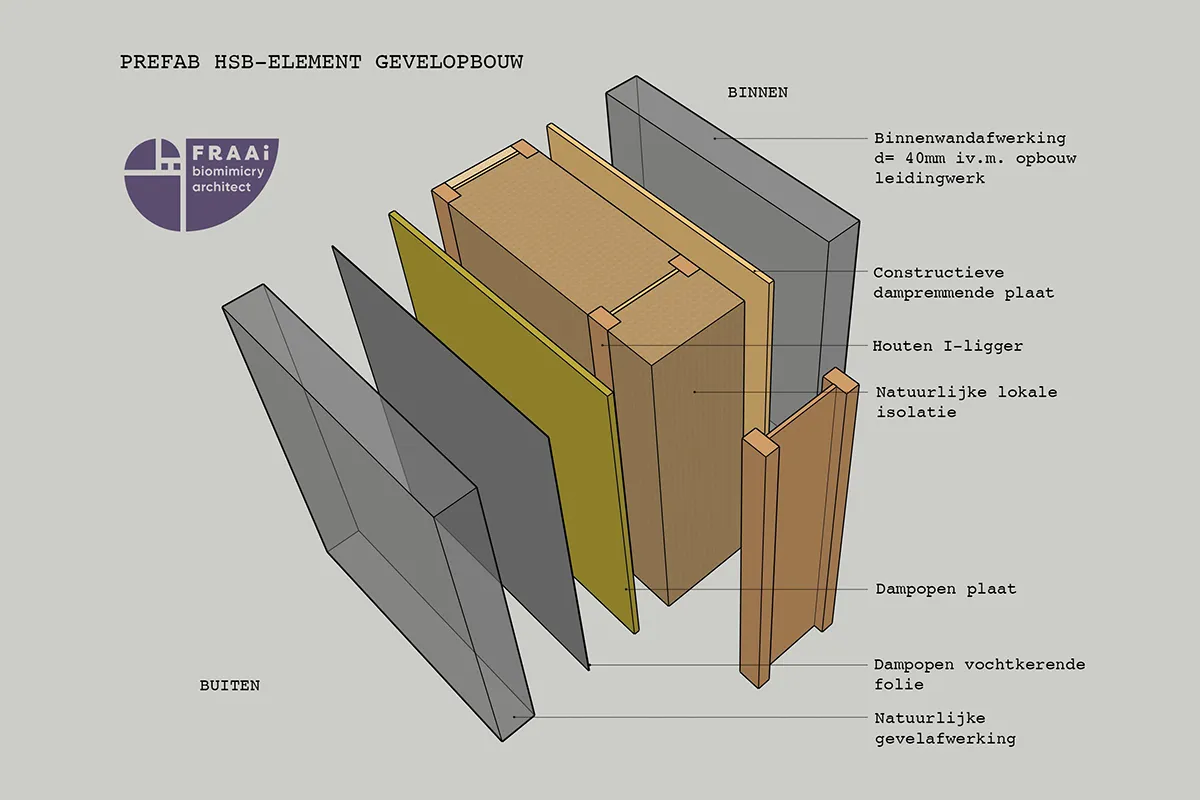
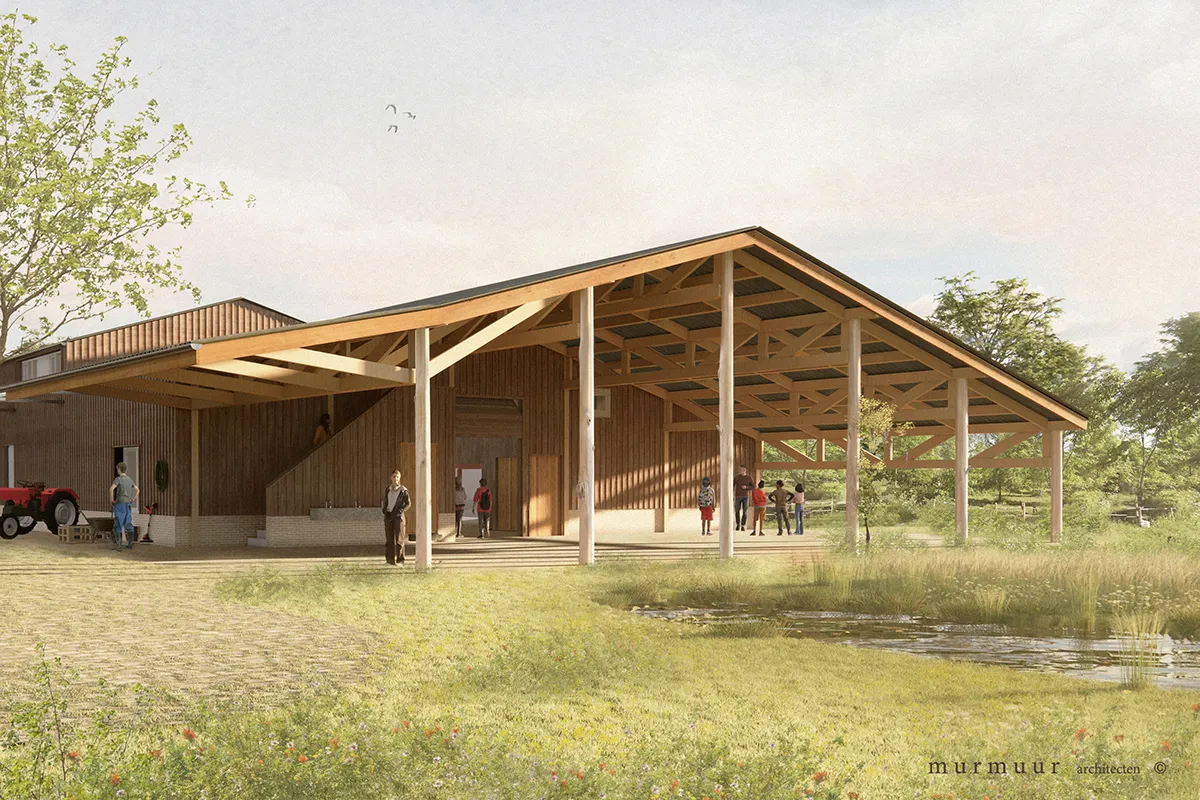
There is no better way to learn than through practice. The study day took place at Natuurboerderij Bos t’Ename, run by Natuurpunt, a project by murmuur architecten and a striking example of architecture built using highly local, natural materials. “Timber from nature management, straw bales from fields sown with heritage grain varieties, and even arable weeds to enhance biodiversity,” says Van Delsen. “The earth, too, came from ponds excavated nearby.” Lydia Fraaije, in turn, shares her experience of building with prefabricated straw construction elements, including on a project in Groesbeek. The principle is simple: timber I-joists form the basis, filled with locally sourced bio-based insulation. On the inside is a formaldehyde-free OSB board, and on the outside a vapour-open timber board. The system combines the benefits of timber-frame construction with the environmental gains of bio-based insulation. The panels simplify logistics: unlike loose straw bales, they are better able to withstand a rain shower. The system also allows for local production. This brings CASCO close to its core ambition: building with the resources and know-how of the region in a scalable, repeatable system. •
Question about this story? Ask your question
Keep following this
Get an email when a new story is published. No account needed.
- SubjectSustainable construction