New certification for joinery
Text Eva GoossensImage BCCA, www.yvanglavie.com
Transparent, independent and easy to specify
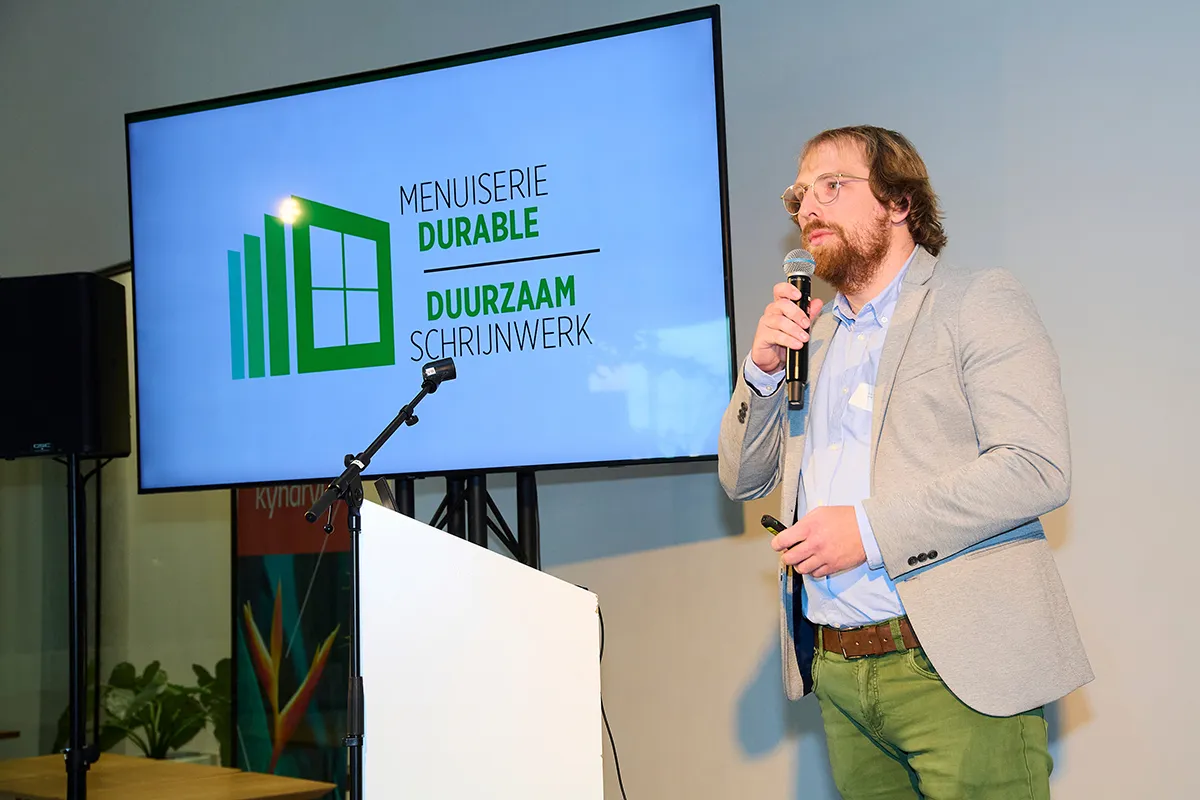
Duurzaam Schrijnwerk 2.0 is now a reality. The renewed certification system aims to give architects and specifiers a reliable tool for ensuring the sustainability performance of joinery. While the first version of the label was based mainly on voluntary commitments within the sector, it has now evolved into an independent, verifiable system with annual audits and a clear points-based system. The result is a label that is not only credible within the sector, but can also be specified in tender documents and specifications.
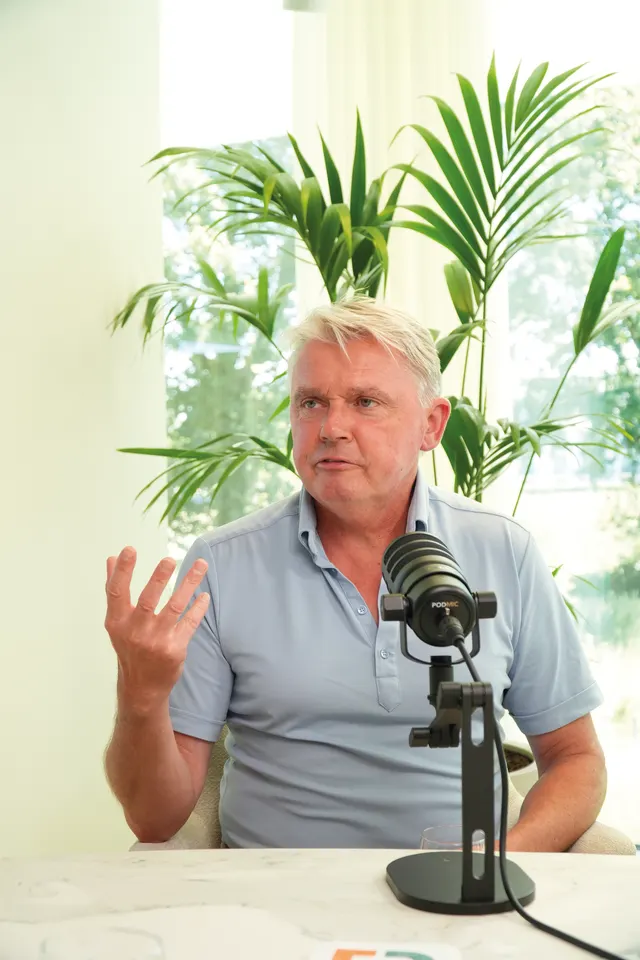
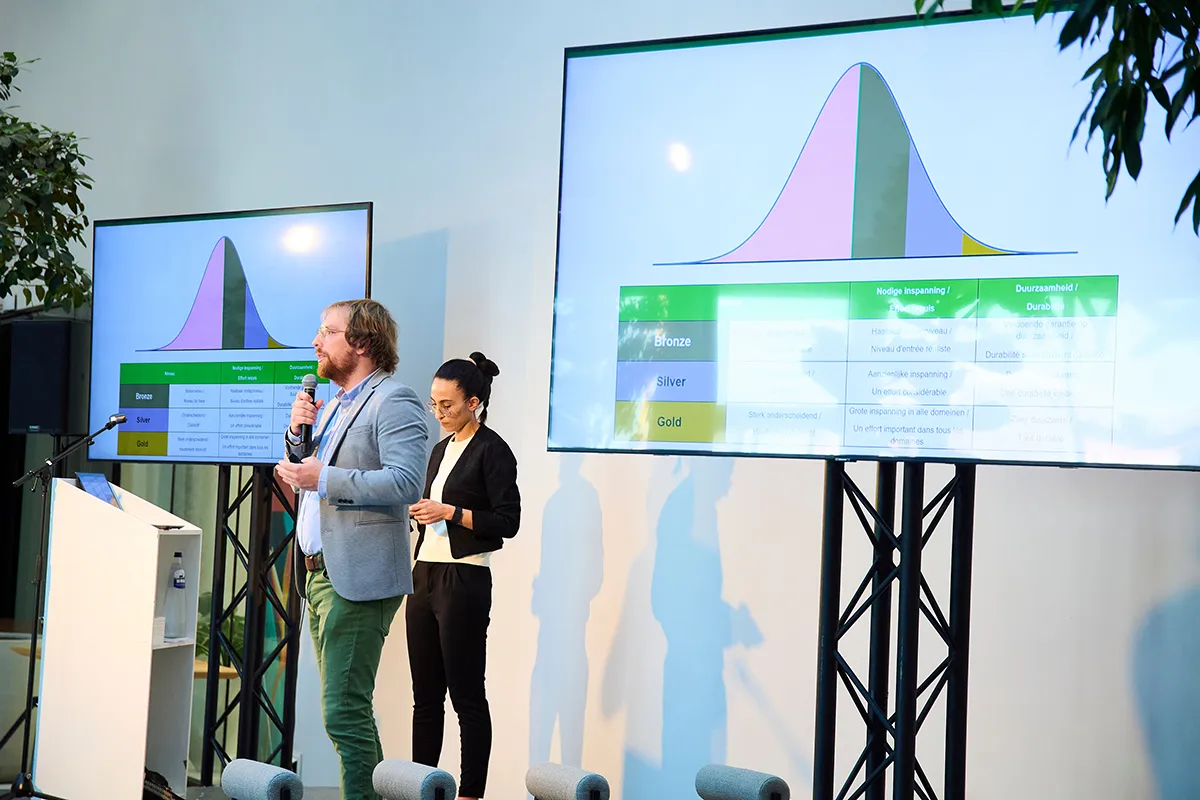
Sustainable construction starts with the right choices. For joinery, this means architects now have a powerful, user-friendly tool for making informed selections. Duurzaam Schrijnwerk certificates provide a clear, reliable guarantee that quality, the environment and social responsibility are all taken into account. “Alongside technical performance and service life, we also look at environmental impact and how products are manufactured,” stresses Gerjan Heylen, Duurzaam Schrijnwerk coordinator at BCCA, the certification body for the construction sector. “So sustainability is understood in the broadest sense.” The label also has Bronze, Silver and Gold performance levels, giving clients and designers a quick overview of how sustainable a product is. The assessment covers the entire life cycle and explicitly addresses seven themes: consumers and quality, energy, water, waste, digitalisation, sustainable purchasing and social responsibility.
A tool for specifiers
The renewed system provides certificates at three levels: for suppliers of glass and profiles, for fabricators that manufacture windows and doors, and finally for the finished product itself. The latter is the most comprehensive certificate. It brings together and builds on the Fabricator and Supplier certificates, and guarantees sustainability throughout the entire life cycle. Together, the certificates make the whole chain transparent, from raw materials to finished joinery. Architects can access a specification guide via duurzaamschrijnwerk.be, with model clauses that can be copied directly into tender documents. This makes it possible to explicitly incorporate sustainability into the design and tendering process. Heylen says: “By taking existing certificates such as FSC and Cradle to Cradle into account in our assessment, we make things easier for specifiers. Architects do not have to navigate a maze of labels, but instead get a clear score they can work with.”
Recognition and growing support
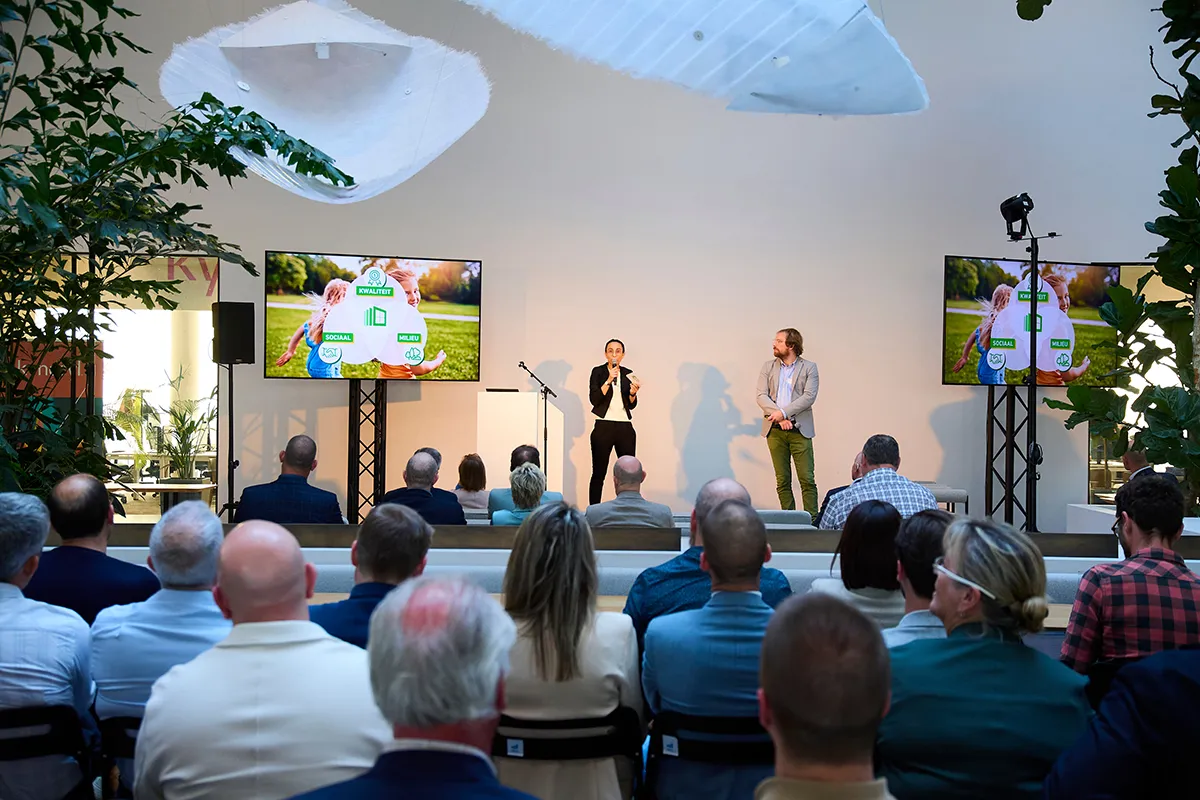
Since the launch this spring, several specifiers have already used the label in their projects. However, raising awareness among architects more broadly remains a challenge. Around forty companies are now certified, with aluminium fabricators strongly represented, while specialists in timber and PVC are also joining. The label is therefore gaining visibility and credibility, both within the sector and among clients. Its recognition by the Federal Institute for Sustainable Development adds further weight: the Institute has included the certificate in its sustainable purchasing guide. The label therefore also meets the criteria for public procurement, further strengthening its practical value for specifiers.
Transparent criteria
Duurzaam Schrijnwerk 2.0 makes sustainability tangible and comparable. With transparent criteria, annual audits and three levels (Bronze, Silver, Gold), architects and clients have a consistent framework that can be used seamlessly in tender documents and procurement processes. By explicitly specifying Duurzaam Schrijnwerk today, potentially with a minimum level and bonus points for greater ambition, you are making a conscious commitment to quality and social value, now and throughout the joinery’s entire service life. Heylen concludes: “Duurzaam Schrijnwerk brings together environmental performance, quality and the social dimension. Specifying the label means choosing not only a reliable product, but also responsibility throughout the entire chain.”
Question about this story? Ask your question
Keep following this
Get an email when a new story is published. No account needed.
- SubjectSustainable construction