Why washrooms are increasingly becoming part of the overall architectural experience
Text Kris VandekerckhoveImage DELABIE
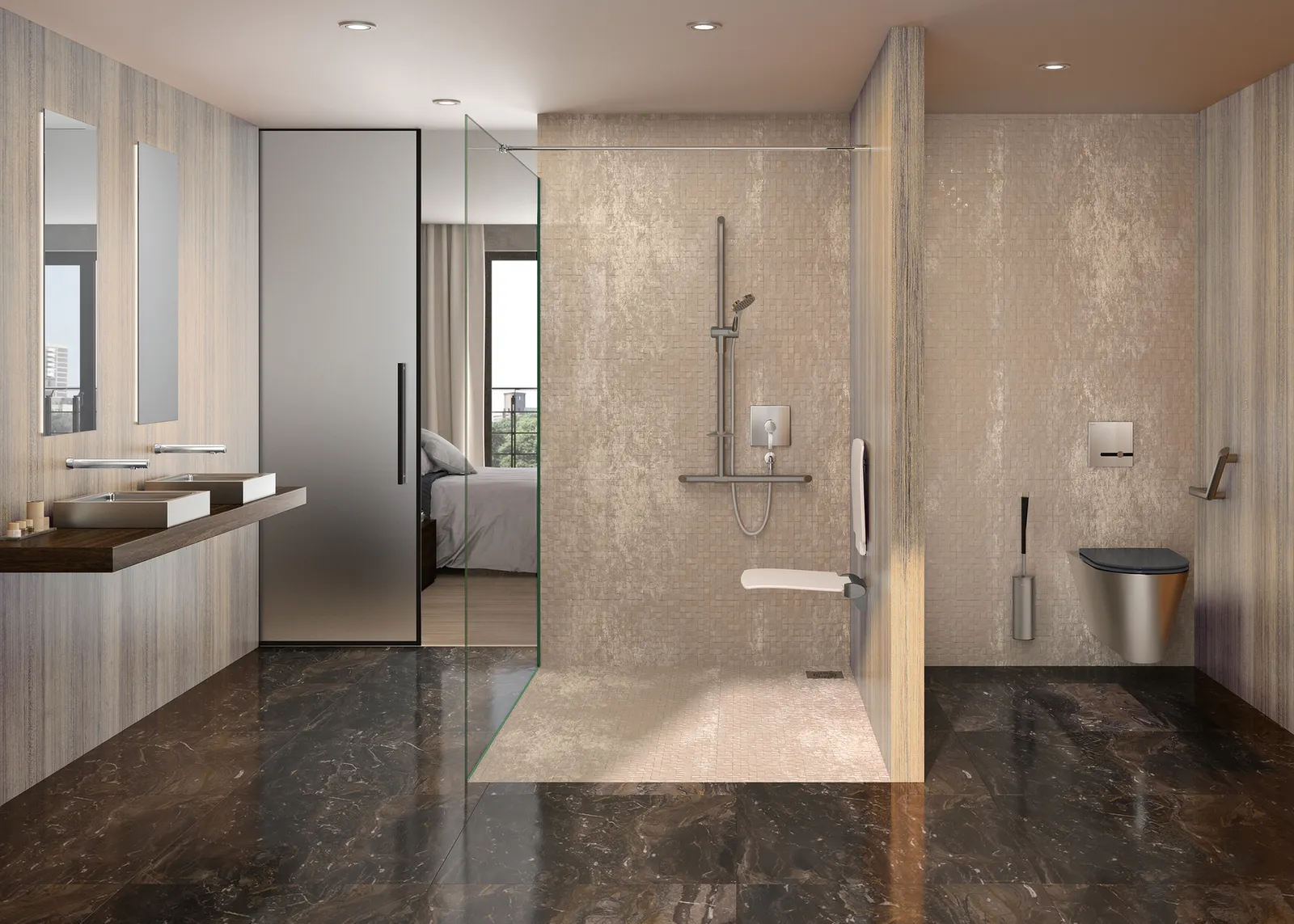
An entrance hall can be as impressive as you like, but if the washroom feels like a forgotten corner of the building, visitors will remember it. Public washrooms are now among the most intensively used spaces in architecture, yet the design process still too often treats them as purely functional. And yet they are precisely where user experience, material choice, maintenance, accessibility and technology come together.
Architects are therefore taking a different view of washrooms. Where practical considerations once took centre stage, there is now growing focus on comfort, appearance and sustainability. In public buildings, hospitality venues, healthcare settings and busy locations in particular, washrooms are increasingly seen as an integral part of a building’s architectural identity.
More than a technical space
This evolution is reflected, among other things, in the choice of materials. Stainless steel, long associated primarily with utilitarian applications, is making a clear comeback in contemporary architecture. Not only for its hygienic properties, but also for its understated, timeless appearance and long service life.
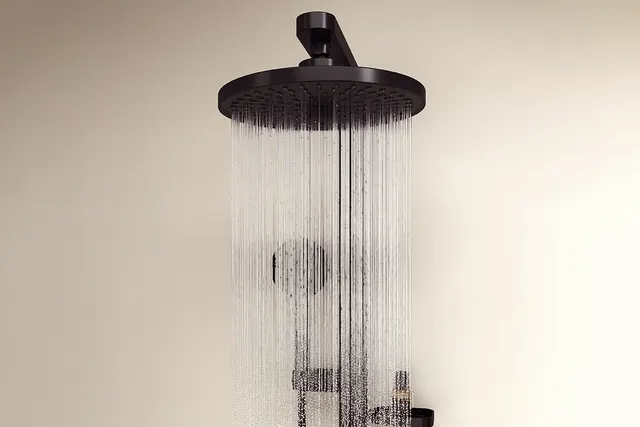
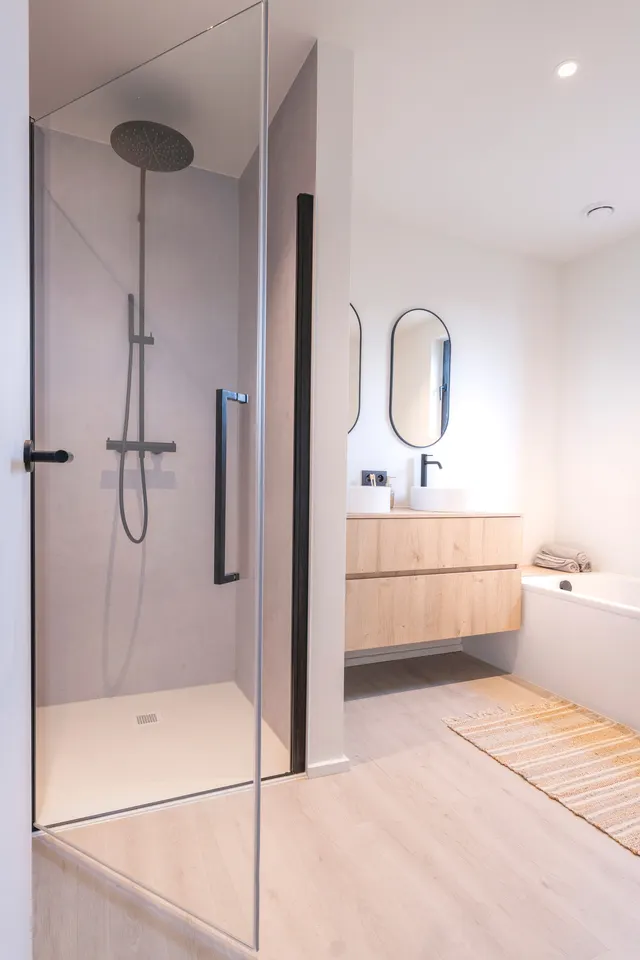
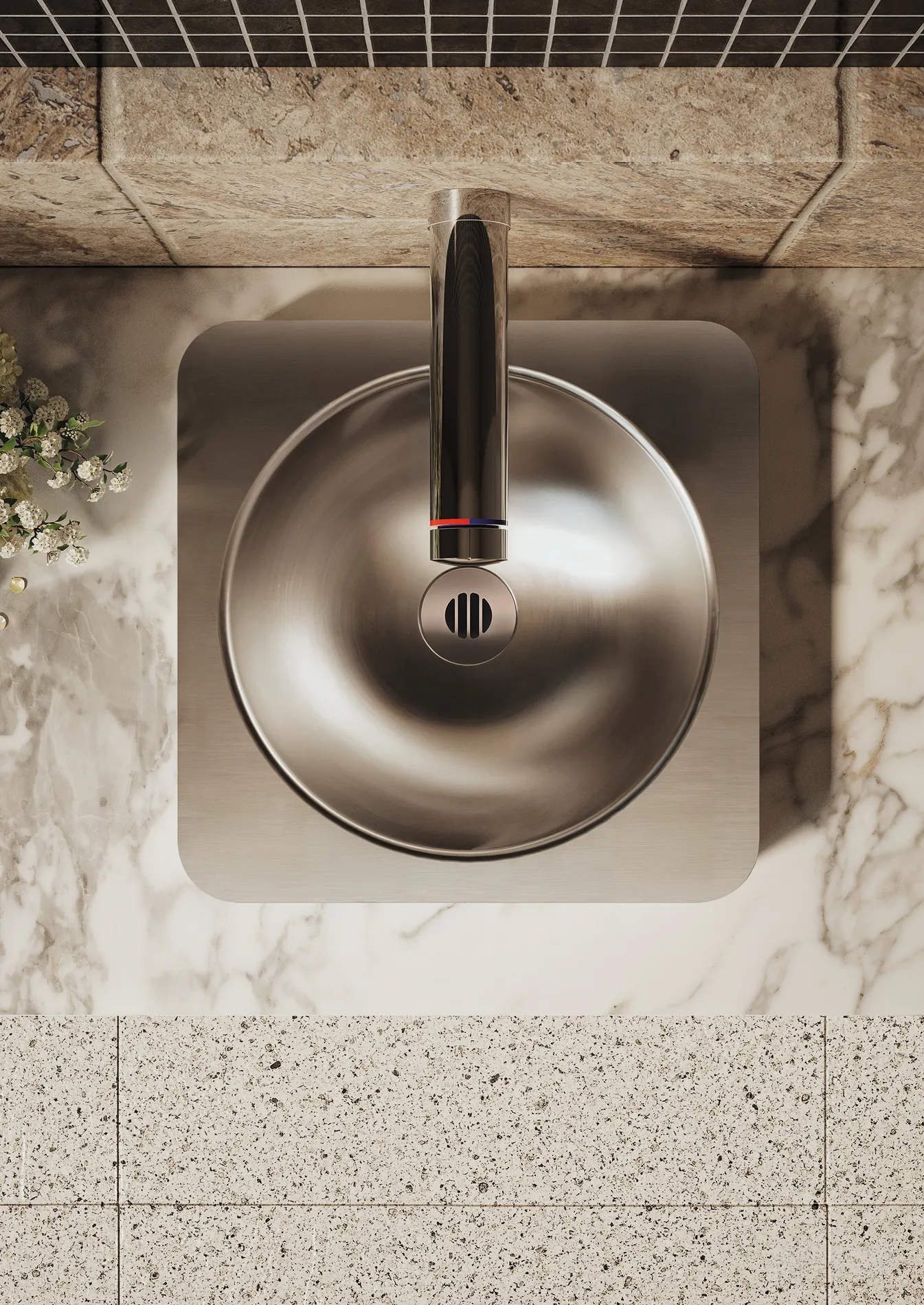
According to DELABIE, a specialist in washroom solutions for public spaces, demand is growing above all for materials that combine aesthetics with intensive daily use. Ranges such as the BLACK BINOPTIC taps show how functional washroom elements can also contribute to a space’s architectural concept. Matte finishes, minimalist forms and integrated solutions are gaining ground in contemporary public architecture in particular.
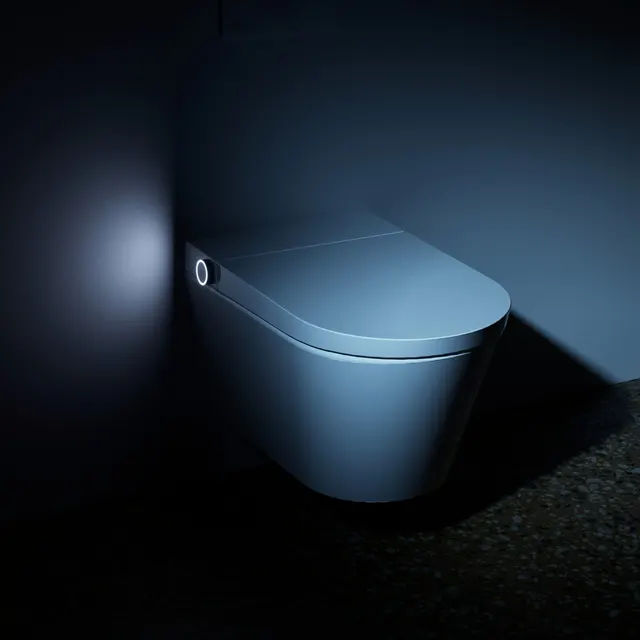
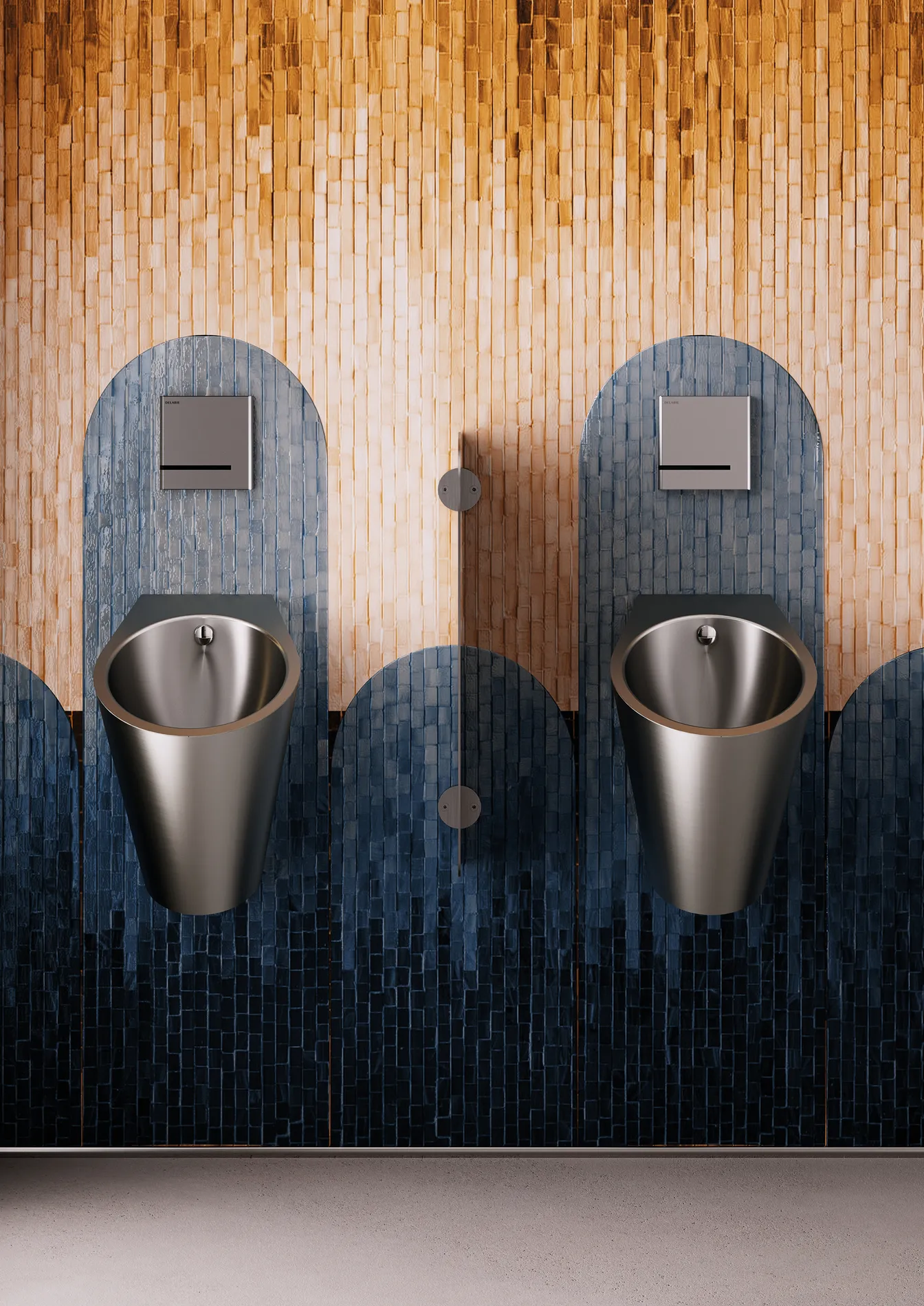
In airports, schools, sports facilities, healthcare institutions and hospitality buildings, washrooms must also withstand wear, intensive use and vandalism. This is driving interest in robust stainless-steel solutions, such as seamless washbasins, integrated washroom units and reinforced accessories that reduce maintenance without compromising on appearance.
Maintenance as part of the design
Ease of maintenance is now being factored into the design process at an increasingly early stage. Fewer joints, easy-to-clean surfaces and durable materials not only create a neater appearance, but also reduce the maintenance burden in the long term.
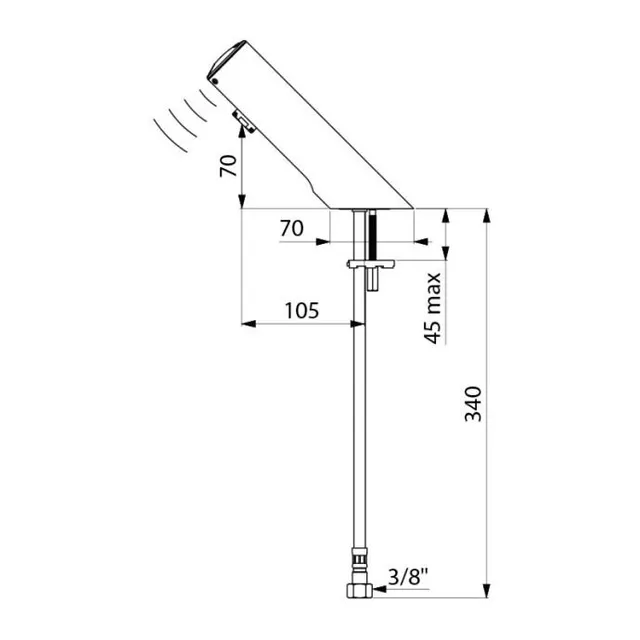
This focus also extends to touchless technology. Electronic taps, automatic flushing systems and touchless soap dispensers are increasingly becoming standard in public buildings. This is not only for hygiene reasons, but also to limit water consumption and improve the user experience.
Inclusivity without the clinical feel
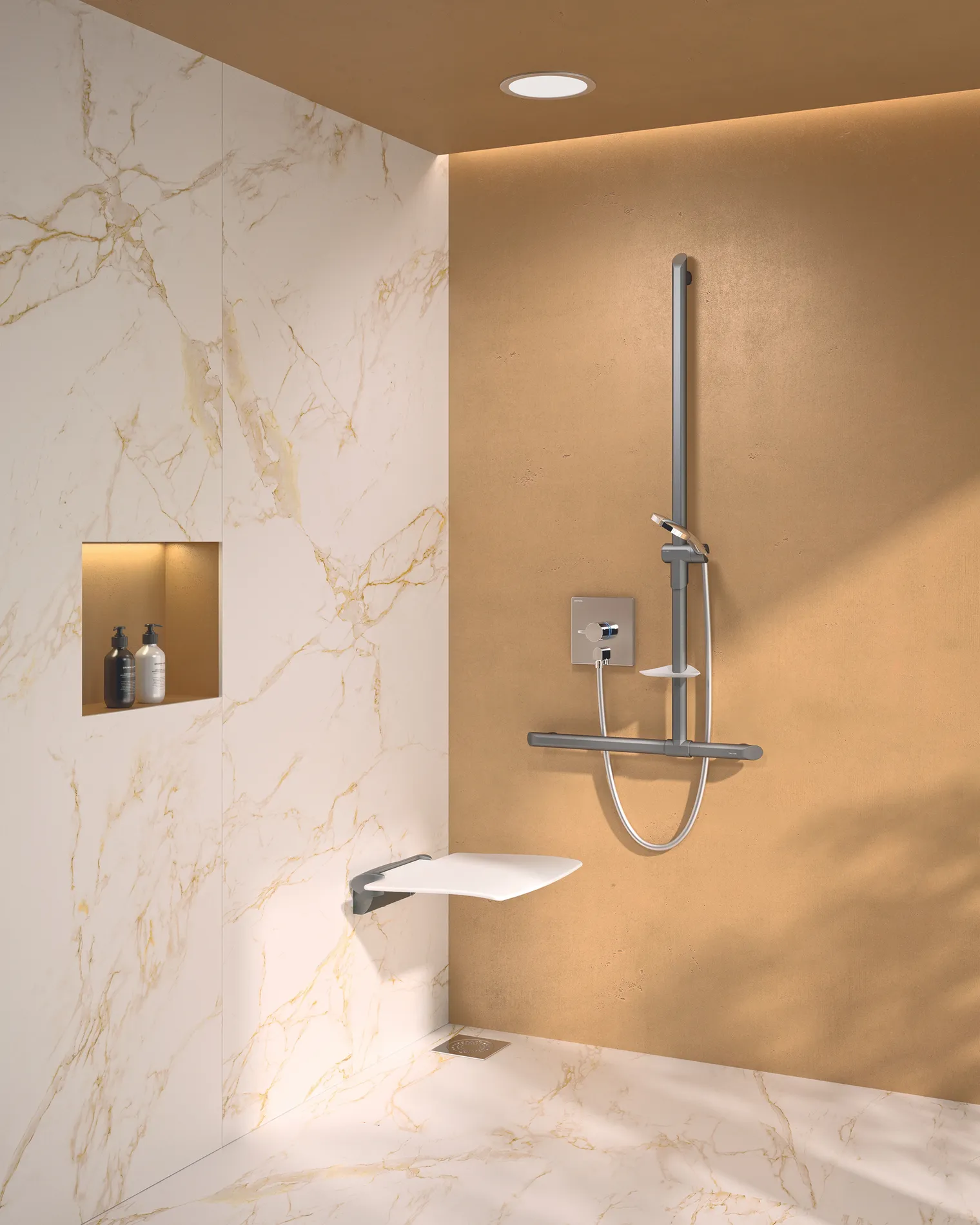
Accessibility, too, is being interpreted more broadly. Whereas accessible washrooms once often had a distinctly medical appearance, designers now expect solutions that integrate inclusivity discreetly into a building’s overall concept.
This evolution aligns with a broader vision of universal design, in which spaces should be comfortable and intuitive for everyone to use. Ranges such as Be-Line® show how accessible washrooms are now deliberately moving away from that traditional institutional appearance. Clean lines, matte finishes and integrated forms mean that support features no longer feel like separate facilities, but instead become a natural part of the architectural whole.
The quiet determinants of building quality
Perhaps that is the paradox of washroom design. These are spaces visitors rarely pay conscious attention to, unless they are poorly designed. Yet they help shape how a building is experienced, remembered and judged.
Public washrooms are therefore gradually evolving from a purely technical necessity into an essential part of the overall experience. And that is precisely why they deserve more attention than ever.
A business enquiry for Delabie? Get in touch
Companies in this story

Keep following this
Get an email when a new story is published. No account needed.
- ThemeKitchens and bathrooms as architecture
- SubjectBathrooms & kitchens
- CompanyDelabie