How Siniat translates acoustics into comfort
Text Petra BroedersImage Siniat - Etex Building Performance
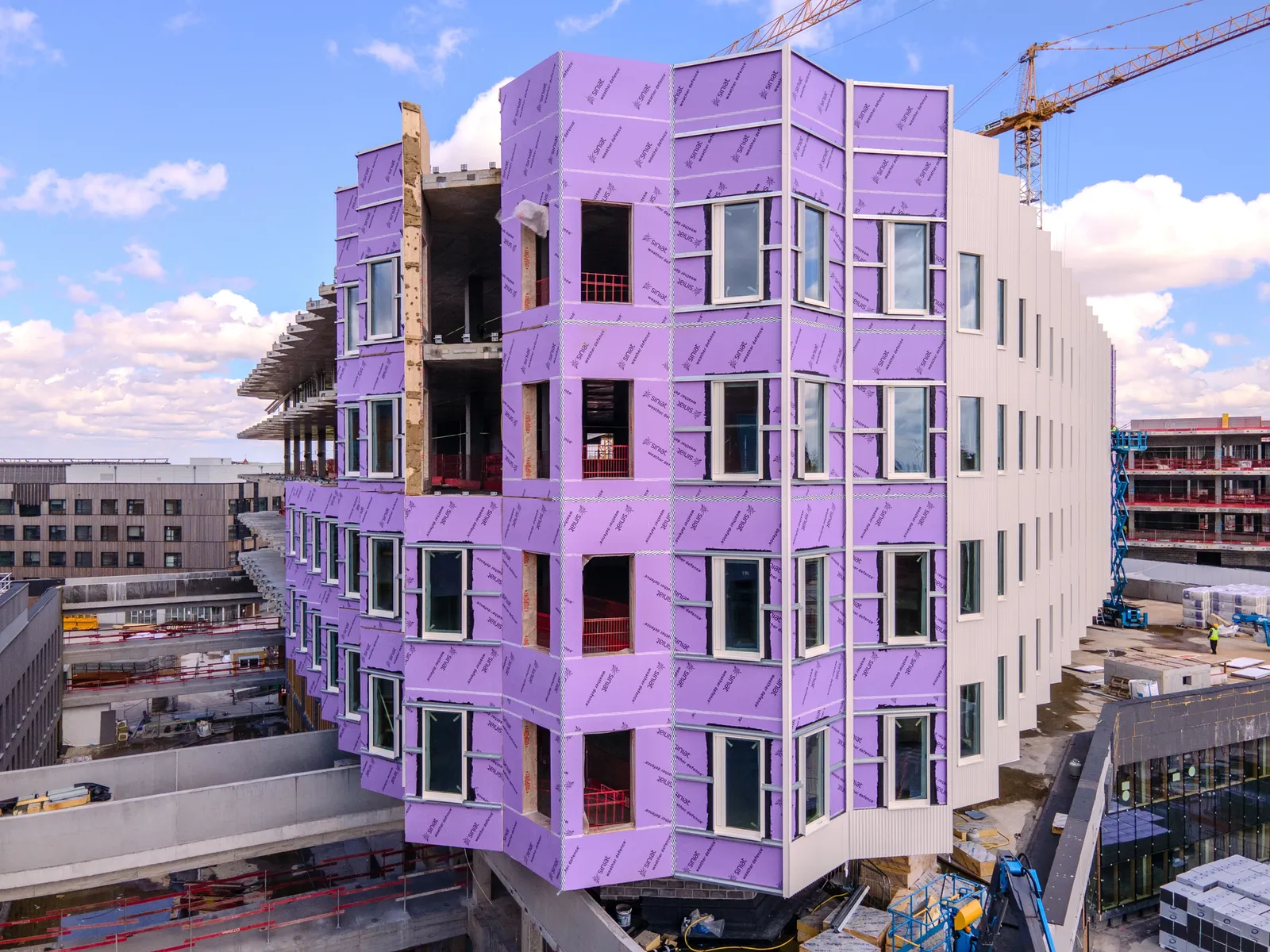
The solution lies in the complete system
Good acoustics are more than a nice-to-have. In hotels, care homes, student accommodation and apartment buildings, they help determine the comfort of residents and users. Architects face a challenge: how can they combine high acoustic performance with fire safety, aesthetics and efficient construction methods? At Siniat, part of the Etex group, the focus therefore extends beyond the board itself. The solution lies in the complete system.
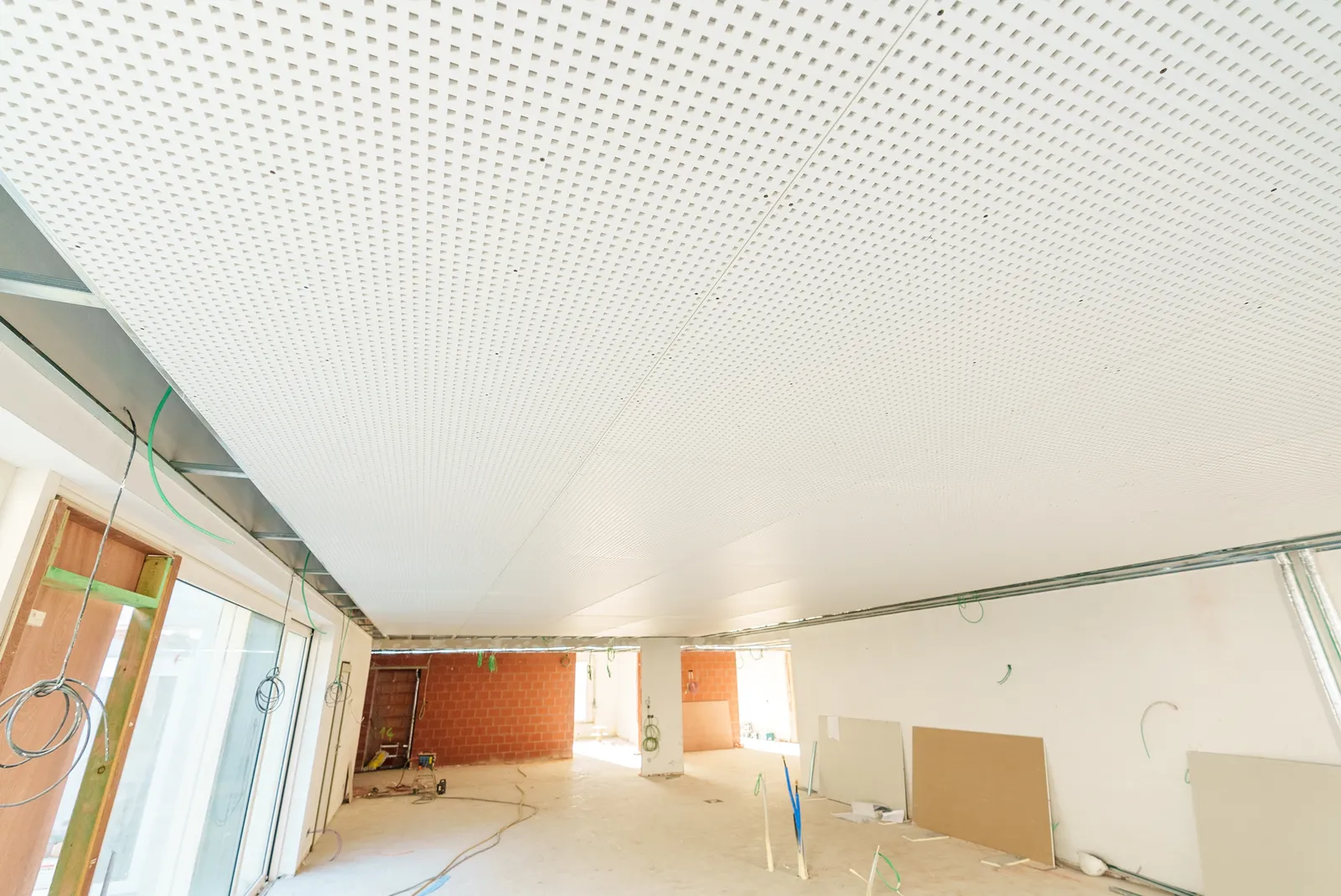
“Acoustics always come down to mass or decoupling through a mass-spring-mass system, as well as the right build-up and materials,” says Hendrik Sinnaeve, Technical Specification Manager at Siniat and Promat. “This is particularly important in lightweight construction methods such as partition walls, ceilings and timber-frame construction. The performance of these ‘lightweight’ materials and structures is often compared with that of solid construction methods, and we have some very interesting alternatives.”
Insulation or absorption?
When considering acoustics, architects should distinguish between sound insulation and sound absorption. Sound insulation prevents sound from travelling from one room to another. Sound absorption, in turn, reduces reverberation within a space and improves speech intelligibility.
For sound insulation, LaDura Premium is one of the strongest options in the Siniat range. This technical board combines high acoustic performance with fire resistance, moisture resistance, impact resistance and mechanical strength. “For walls separating homes or rooms in hotels, care homes or student residences, we recommend walls using LaDura Premium,” explains Sinnaeve. “Even with a standard build-up, we achieve very strong acoustic performance.”
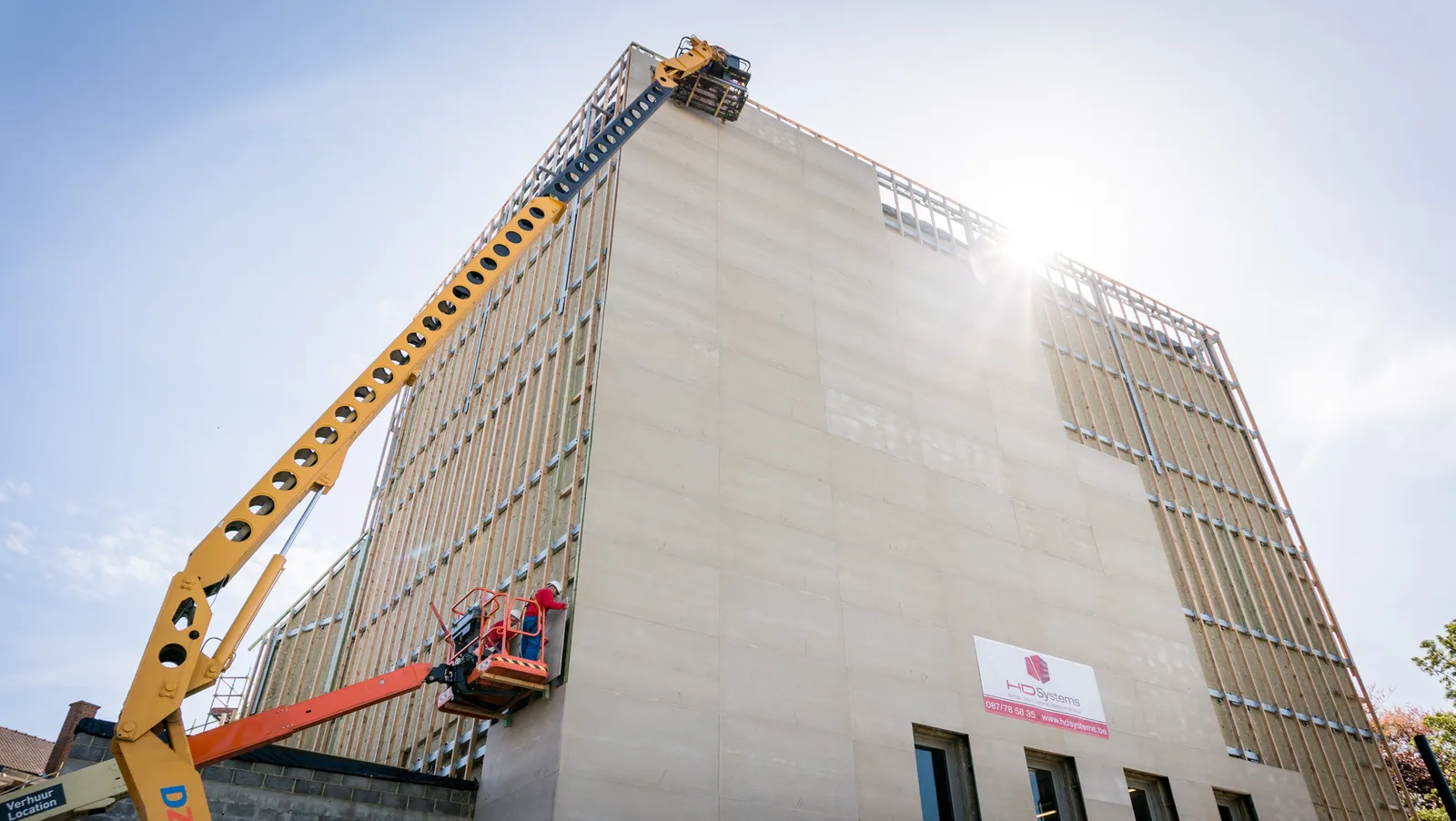
Where additional mass is needed, for example in timber-frame construction or modular structures, DURIPANEL comes into its own. This cement-bonded particleboard is often used as a structural board and also makes a significant contribution to sound insulation. “Thanks to its high density and composition, DURIPANEL provides excellent acoustic damping. This makes it particularly interesting for lightweight structures.”
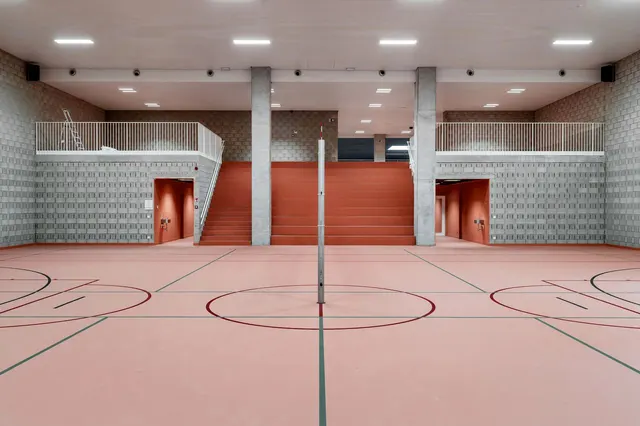
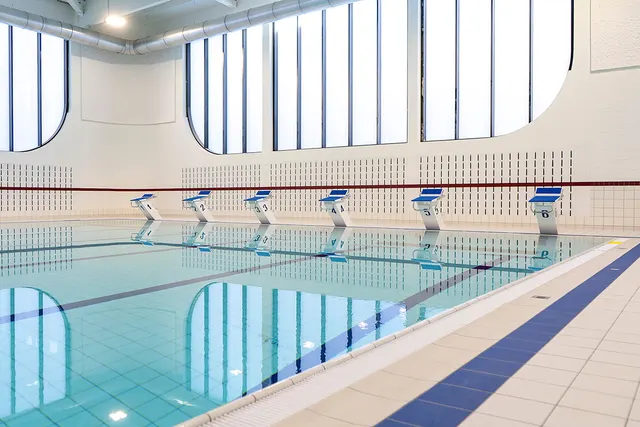
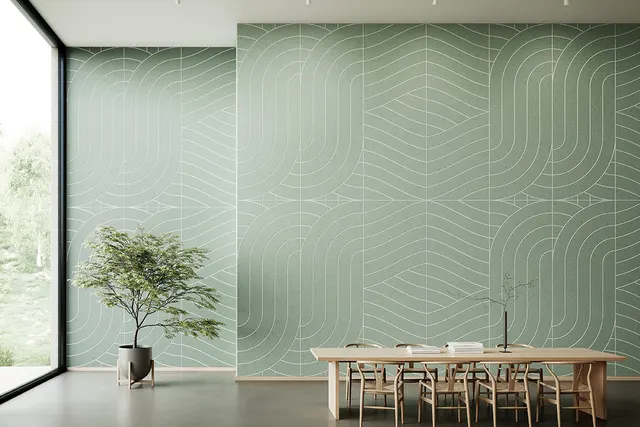
For spaces where reverberation is a concern, Siniat offers solutions in the CREATEX range. The perforated gypsum boards absorb sound waves, improving acoustic comfort in auditoriums, schools, offices and communal areas.
More than a product supplier
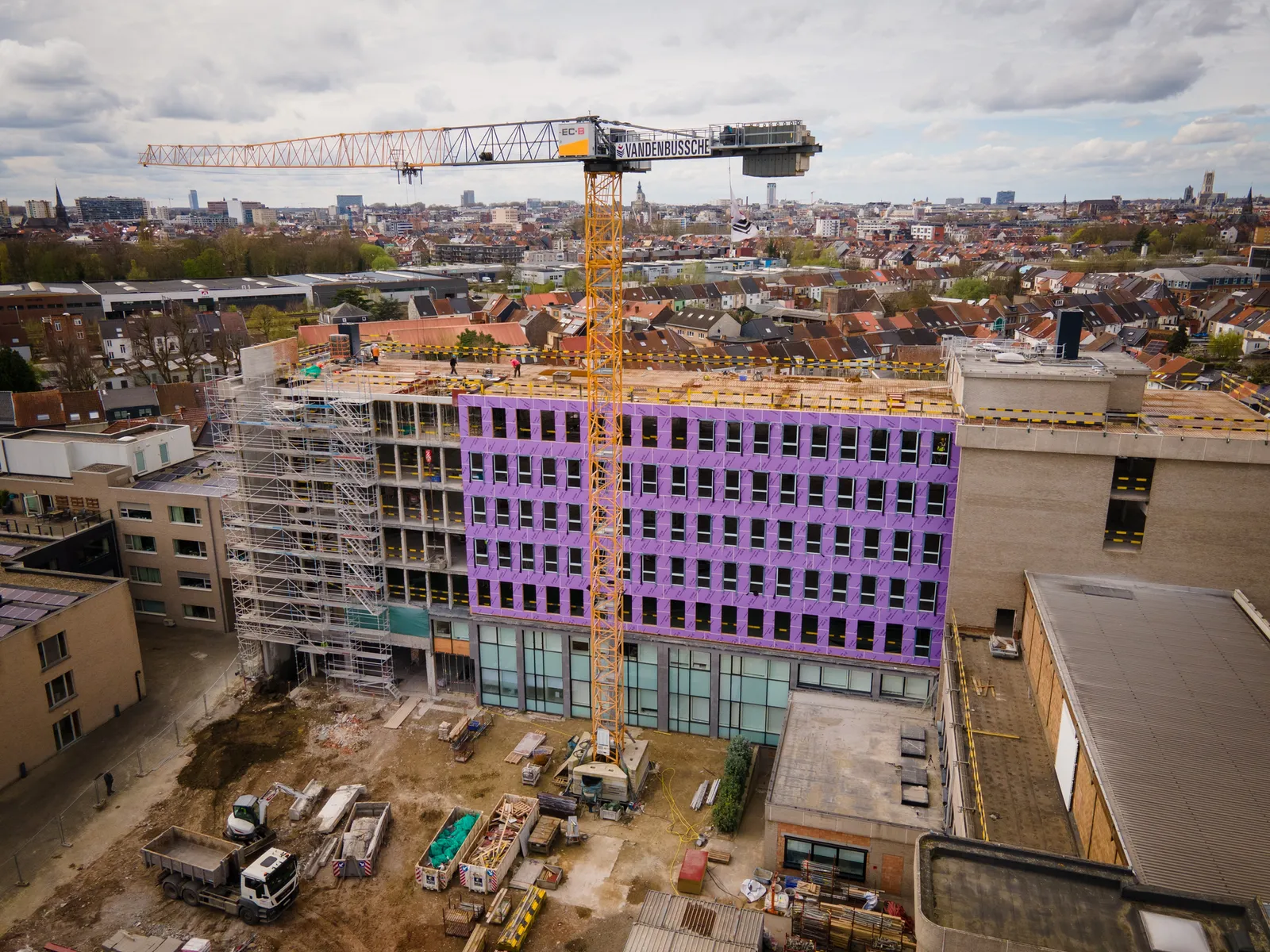
According to Sinnaeve, a good acoustic solution starts in the design phase. “Ideally, we are involved in discussions early on. Architects give us their required acoustic and fire-resistance performance, and we then develop proposals that work both technically and economically.” This support ranges from product advice to assistance for designers with test results, calculations, system details and technical documentation.
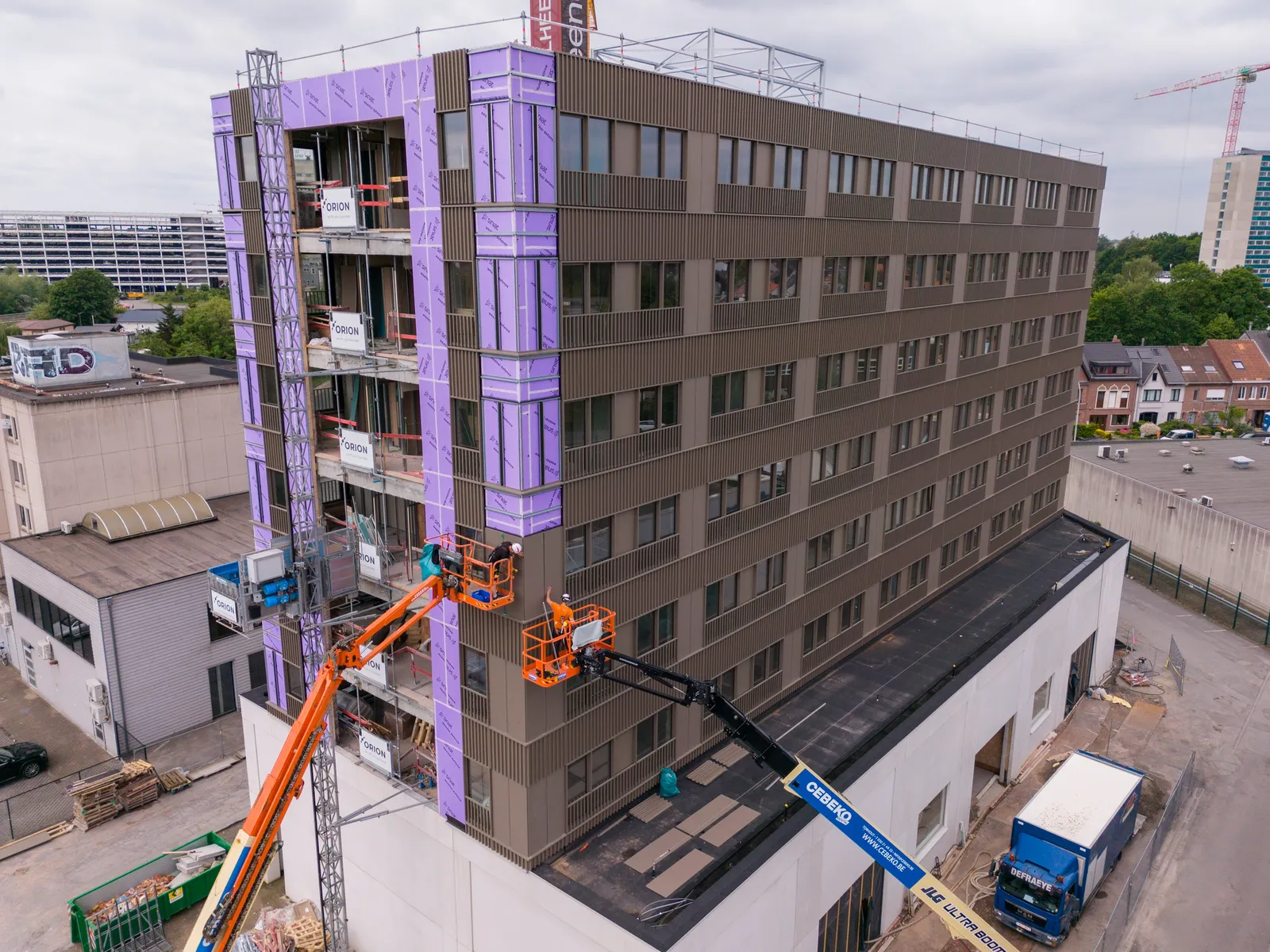
Acoustics as part of the bigger picture
For architects, the story does not stop at acoustics. A wall that blocks sound often has to meet requirements for fire safety, stability, impact resistance or moisture resistance at the same time. According to Sinnaeve, this explains the growing demand for integrated solutions. This trend fits well with closer collaboration between Siniat and Promat within Etex Building Performance. Siniat specialises in dry construction systems for walls, ceilings and floors, while Promat focuses on passive fire protection, from structural fire protection to compartmentation and service penetrations.
“In practice, these disciplines often come together,” Sinnaeve concludes. “By bringing both areas of expertise together, we can support architects from an early stage of the design process and propose solutions that perform on several fronts.” For architects, this means having a single point of contact who considers the complete system, from structural constraints to the final wall and ceiling build-up.
Question about this story? Ask your question
Keep following this
Get an email when a new story is published. No account needed.
- ThemeLight and sound as design tools
- SubjectAcoustics