Villeroy & Boch sees sanitaryware as a measurable part of sustainable construction
Text Marlies DecavelImage Villeroy & Boch
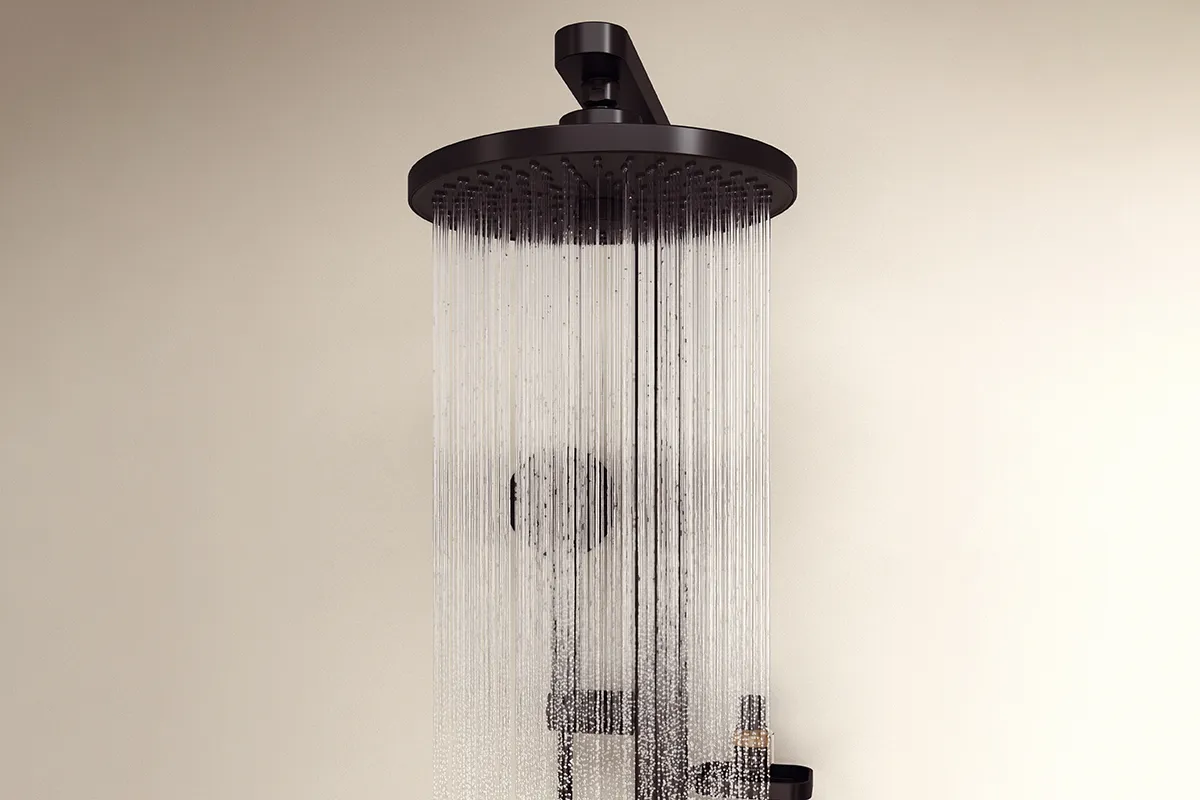
Sustainable projects devote considerable attention to the building envelope and technical installations. Yet sanitaryware also determines how much water and energy a building consumes for years to come. Designers and developers therefore increasingly need products with verifiable environmental and consumption performance that fit both the budget and the design.
Since acquiring Ideal Standard, Villeroy & Boch Group has brought together two established sanitaryware brands. Its portfolio includes ceramics, taps, showers, baths and bathroom furniture for residential projects, healthcare buildings, hotels and other professional settings.
As Projects Belux Sales Manager, Inge Van Tieghem supports clients on these projects. Around 90% of production takes place in Europe, a factor that is carrying increasing weight in specifications and contract awards. “Clients ask where products are made and what raw materials they contain. They themselves are assessed on these issues and seek partners who support their sustainability ambitions. As a group, we support the complete sanitaryware package, from product specification to delivery and after-sales service. With Villeroy & Boch and Ideal Standard, we offer this continuity within a single portfolio, in line with applicable standards.” EPDs are also available for 14,000 products to substantiate their environmental performance at the specification stage.
Less water and energy at the tap
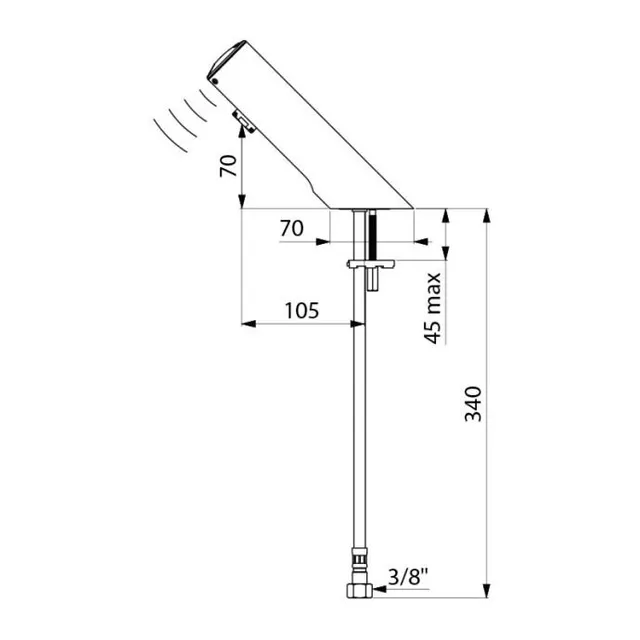
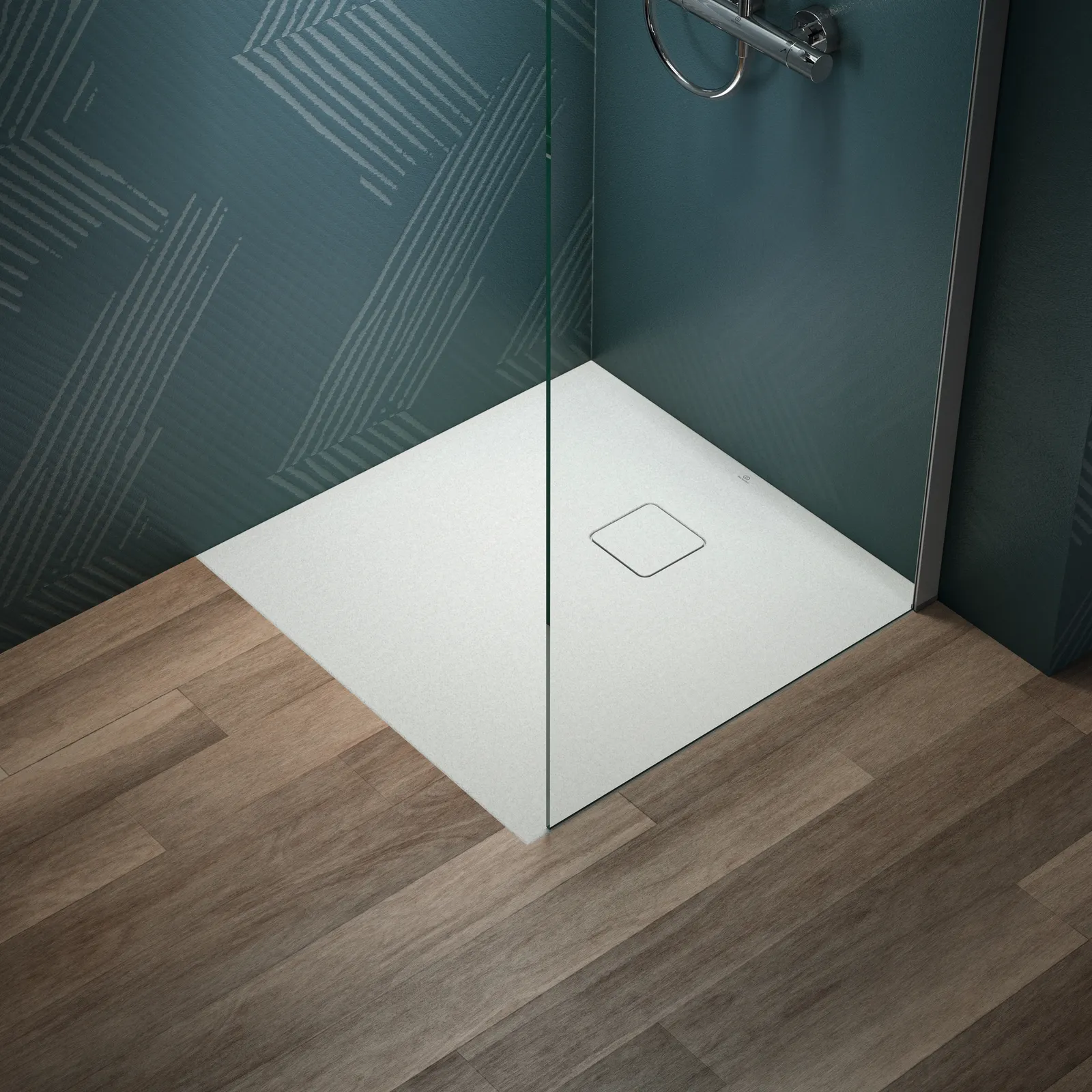
Older basin taps use up to 12 litres of water per minute. EcoFlow flow limiters reduce this to 3.5 to 4 litres across the range. BlueStart and ColdStart deliver cold water first when the lever is in the central position, with hot water flowing only when deliberately selected. “Many people automatically turn on a tap with the lever in the middle. With conventional models, the water then starts heating unnecessarily. A lower flow rate and cold start help reduce water and energy consumption, especially in large residential or hotel projects.”
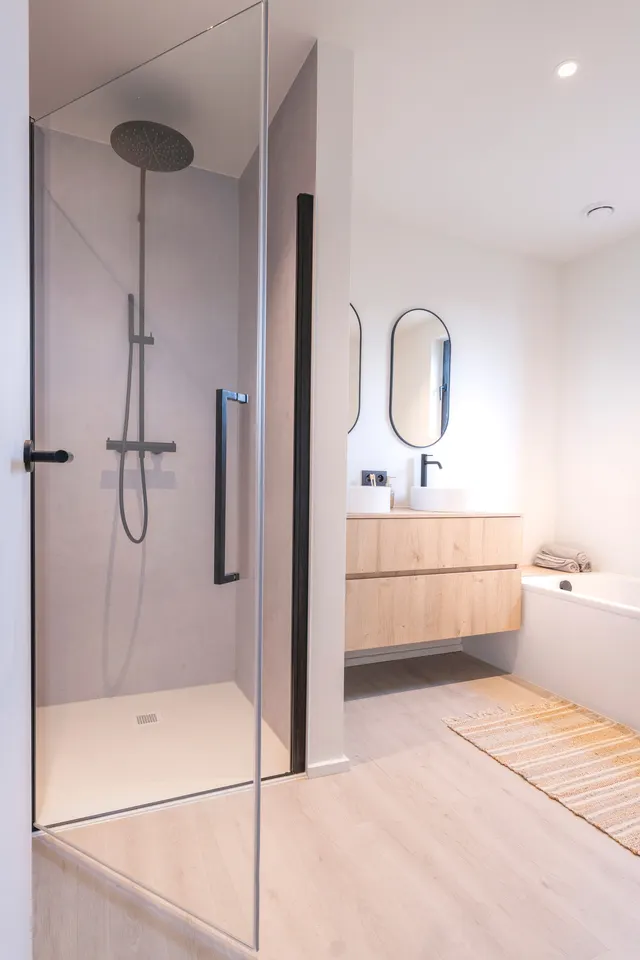
In Ideal Standard’s ALU+ collection, chrome-plated brass is replaced by aluminium. ALU+ components are made from post-consumer recycled aluminium and have an anodised finish. The flow rate is limited to 9 litres per minute for the overhead shower and 6 litres for the hand shower. “ALU+ has proven itself in construction projects. Aluminium offers an affordable alternative with a long service life, without compromising on quality or appearance.”
Porcelain waste finds a new use
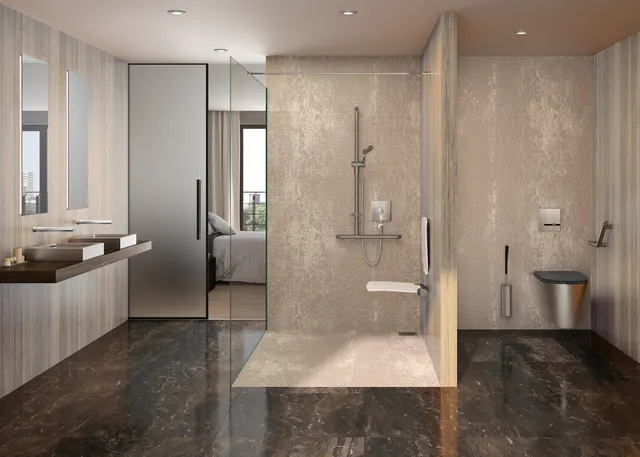
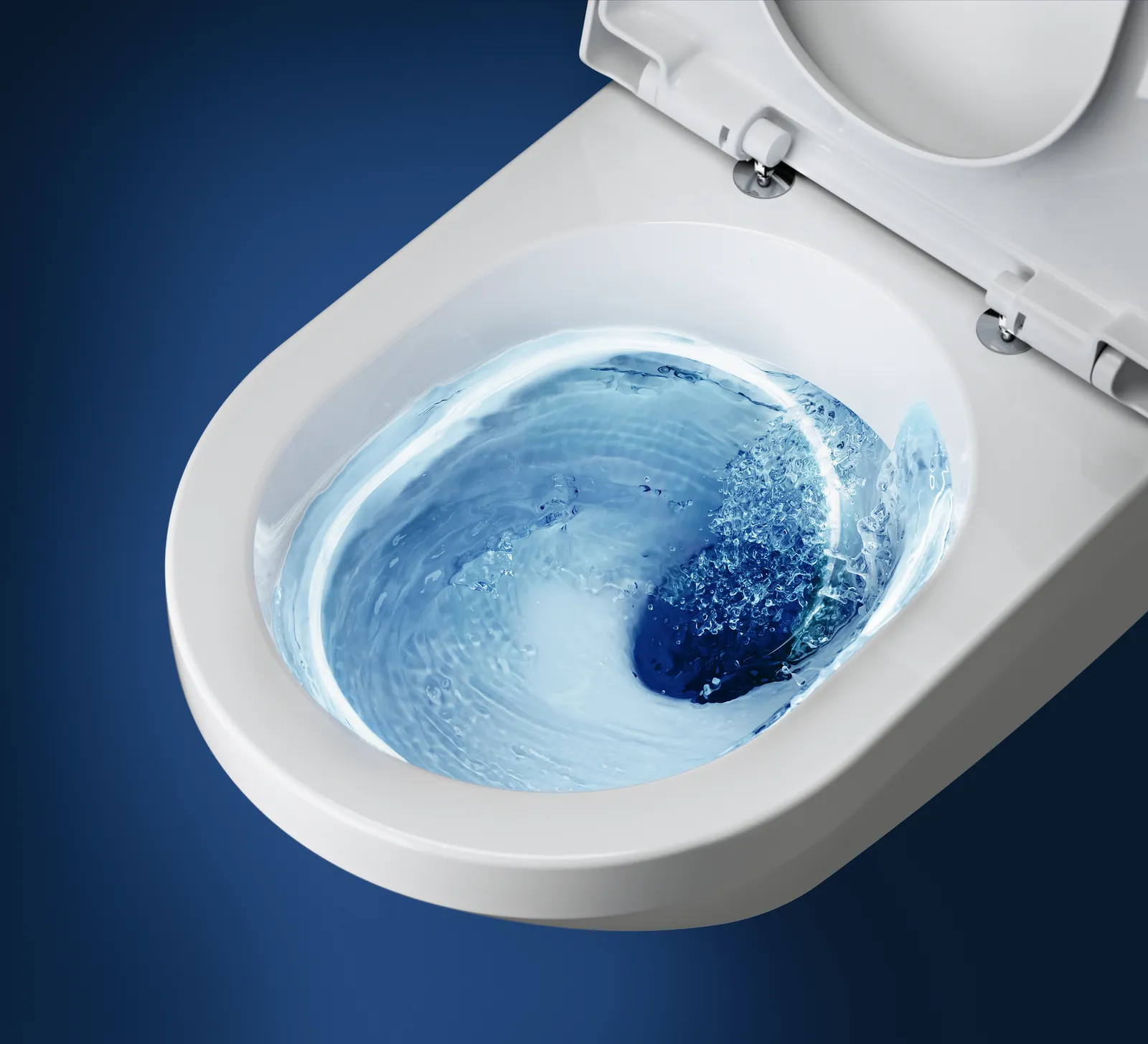
EVO shower trays contain finely ground waste from porcelain production. Material that would otherwise end up as waste is put to new use in a fully fledged product. At just 35 millimetres high, the trays can be installed flush with the screed, an approach gaining ground in, for example, step-free bathrooms. “Porcelain is one of our core activities,” says Van Tieghem. “Production generates waste streams that we can reuse. By incorporating this waste into the EVO collection, we reduce landfill and the use of virgin raw materials.”
Flushing with less water
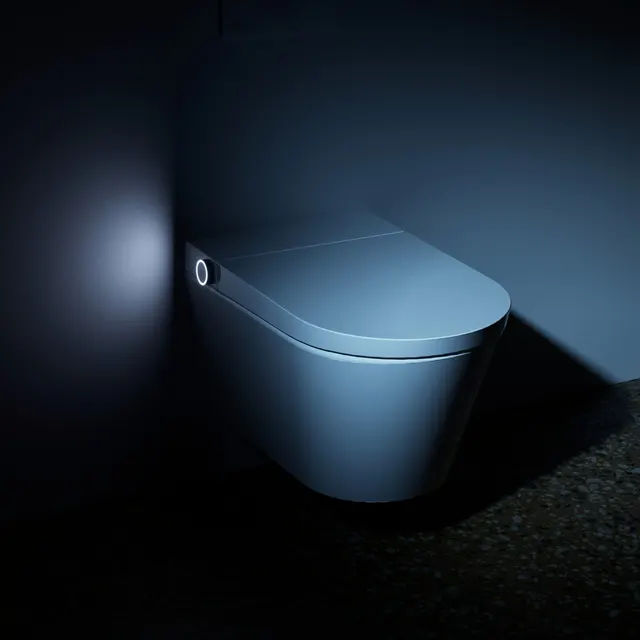
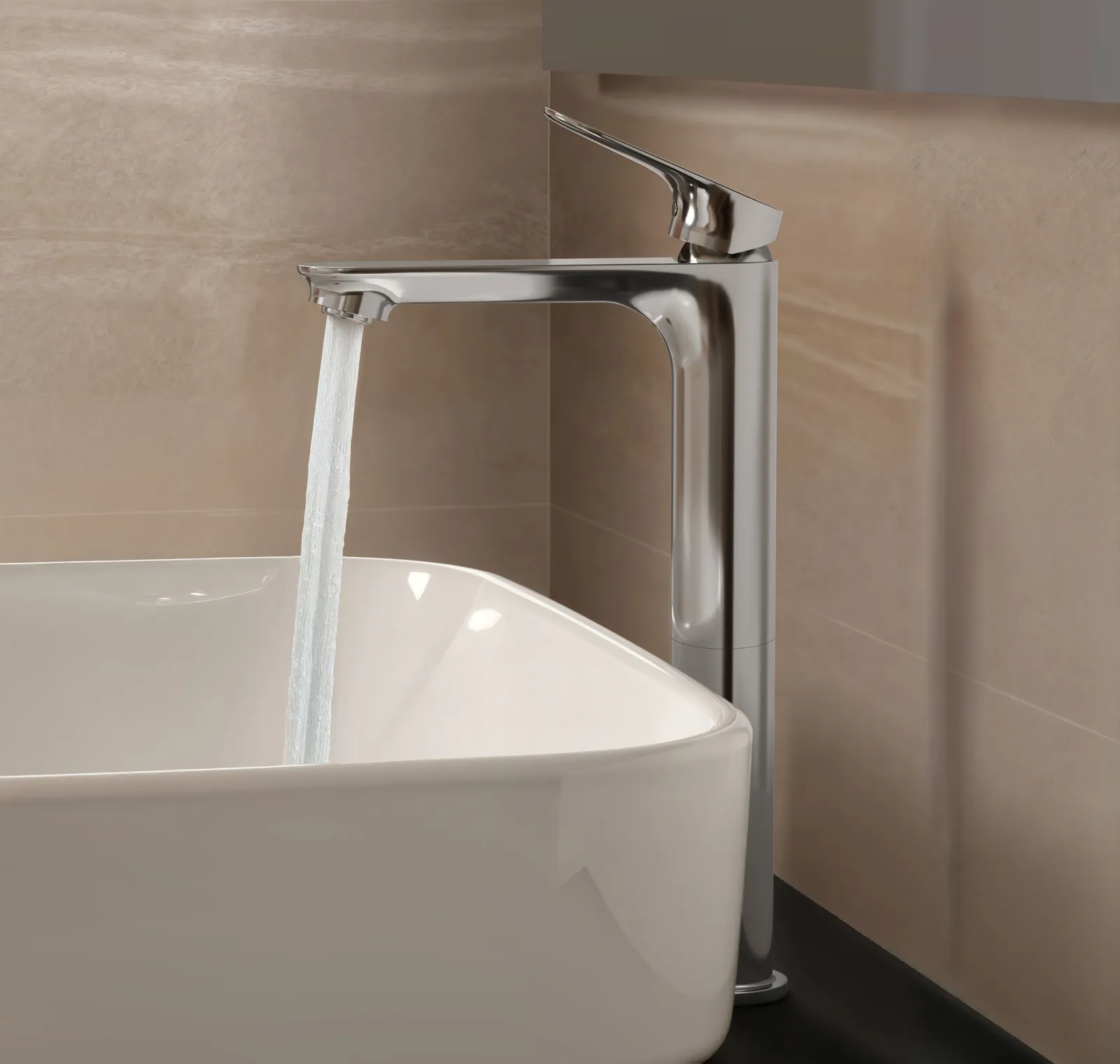
TwistFlush directs 4.5 litres for a full flush and 3 litres for a reduced flush through the toilet pan in a controlled vortex. This reaches almost the entire inner surface, limits splashing and makes cleaning easier. The flush volumes are well below those of older toilets and exceed the requirements of European standard EN 997. “A toilet is used intensively for years. Consumption per flush soon adds up. Building sustainable choices into the design from the outset reduces running costs and environmental impact throughout the product’s service life.”
This sustainability approach earned Villeroy & Boch Group an EcoVadis Platinum medal, with a score of 85 out of 100. “Sanitaryware is essential to every project,” concludes Van Tieghem. “Taps, toilets and showers determine water, energy and raw material consumption for years. Architects, developers, manufacturers and clients share responsibility for this. By making sustainable sanitaryware the norm, we can build a future-proof environment together. That is what we are fully committed to.”
Een zakelijke vraag aan Villeroy & Boch? Get in touch
Companies in this story
Keep following this
Get an email when a new story is published. No account needed.
- ThemeKitchens and bathrooms as architecture
- SubjectBathrooms & kitchens
- CompanyVilleroy & Boch