Decorative grilles give historic homes a new lease of life
Text Kris VandekerckhoveImage Frager
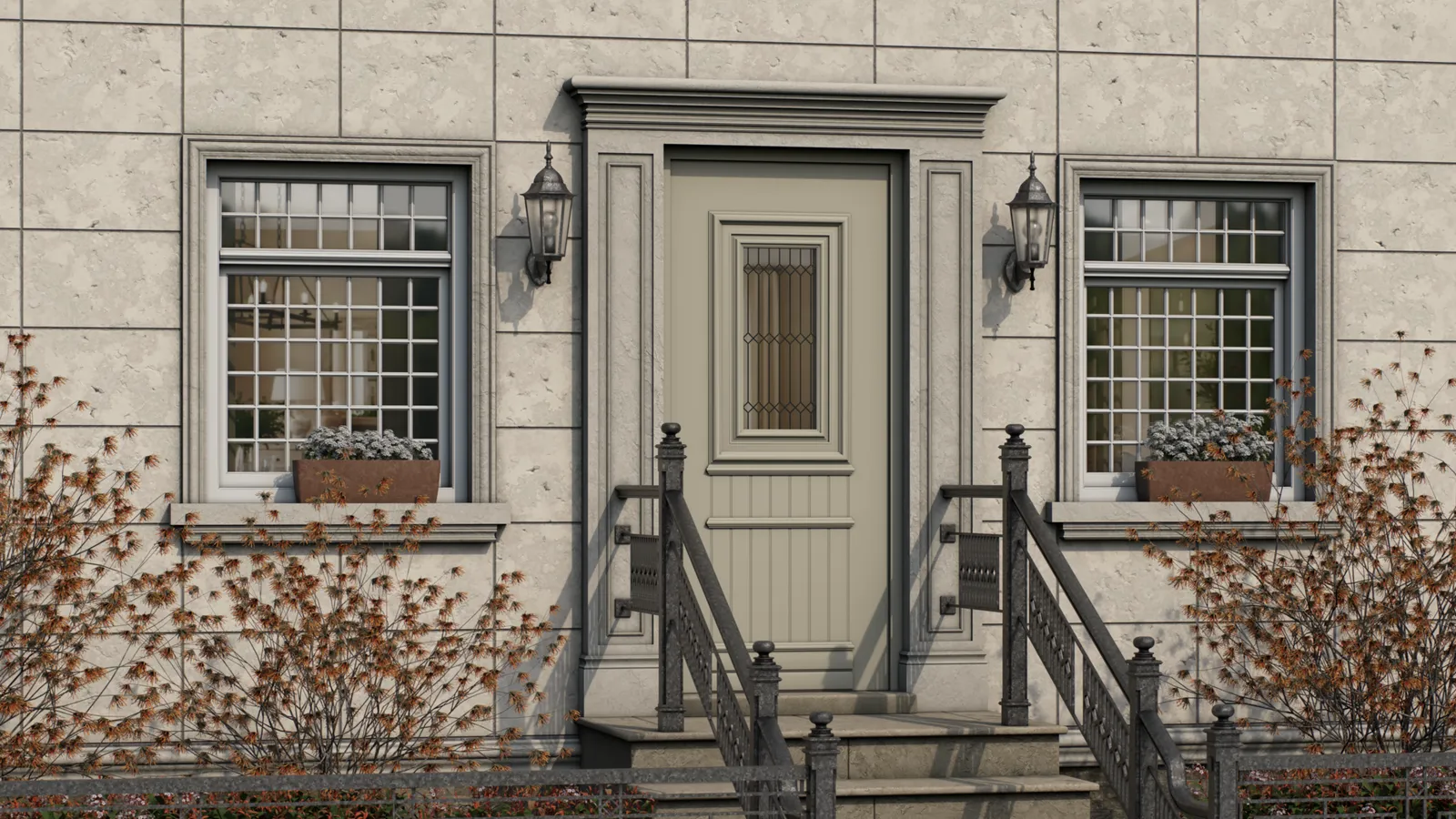
Preserving character without compromise
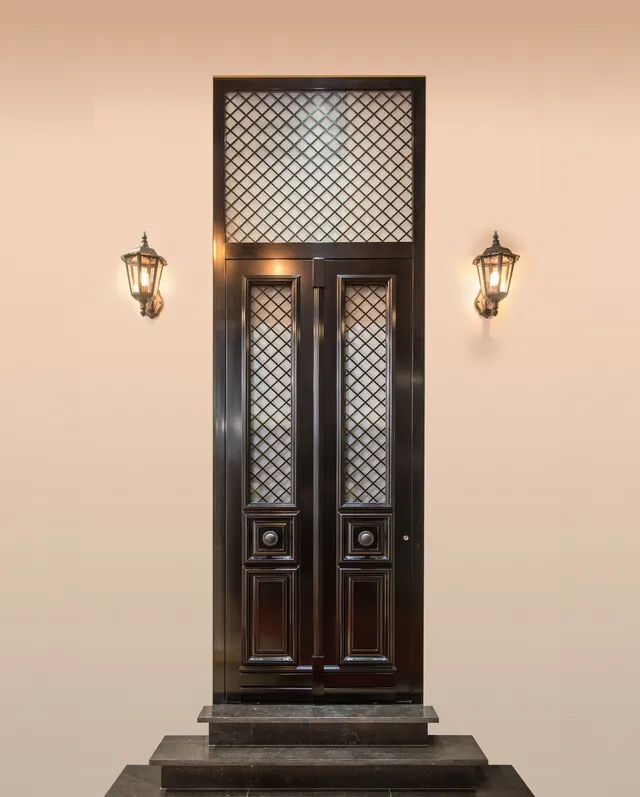
Anyone renovating a characterful home will sooner or later face the same challenge: how do you preserve the authentic look of a historic front door without compromising on insulation, security and comfort? For architects, striking this balance is often a challenging decision within a renovation project. Frager has therefore developed three decorative grille systems that combine the appearance of classic wrought-iron front doors with the performance of modern joinery. The result is a solution that reconciles a sense of heritage with modern technology.
According to Franck De Munster, general manager of Frager and a trained architect, the concept did not arise from a technological experiment, but from a specific request from the renovation market: “Owners of period townhouses want a front door that meets all current standards without losing the character of their home. That is precisely where we aim to offer a solution.”
Renovation is about identity
Historic townhouses owe much of their appeal to carefully crafted front doors, decorative mouldings and wrought-iron grilles. When these doors become technically worn, an exact reconstruction often proves particularly complex or barely viable financially. At the same time, they rarely meet current requirements for thermal insulation, airtightness or resistance to burglary.
“If you simply install a standard door panel in a character home, you lose an important part of the building’s identity,” says De Munster. “Architecture is not just about volumes or materials, but also the details that give a home its own distinctive face.” This is why demand is growing for solutions that preserve historic features without technical compromises.
Three systems, one philosophy
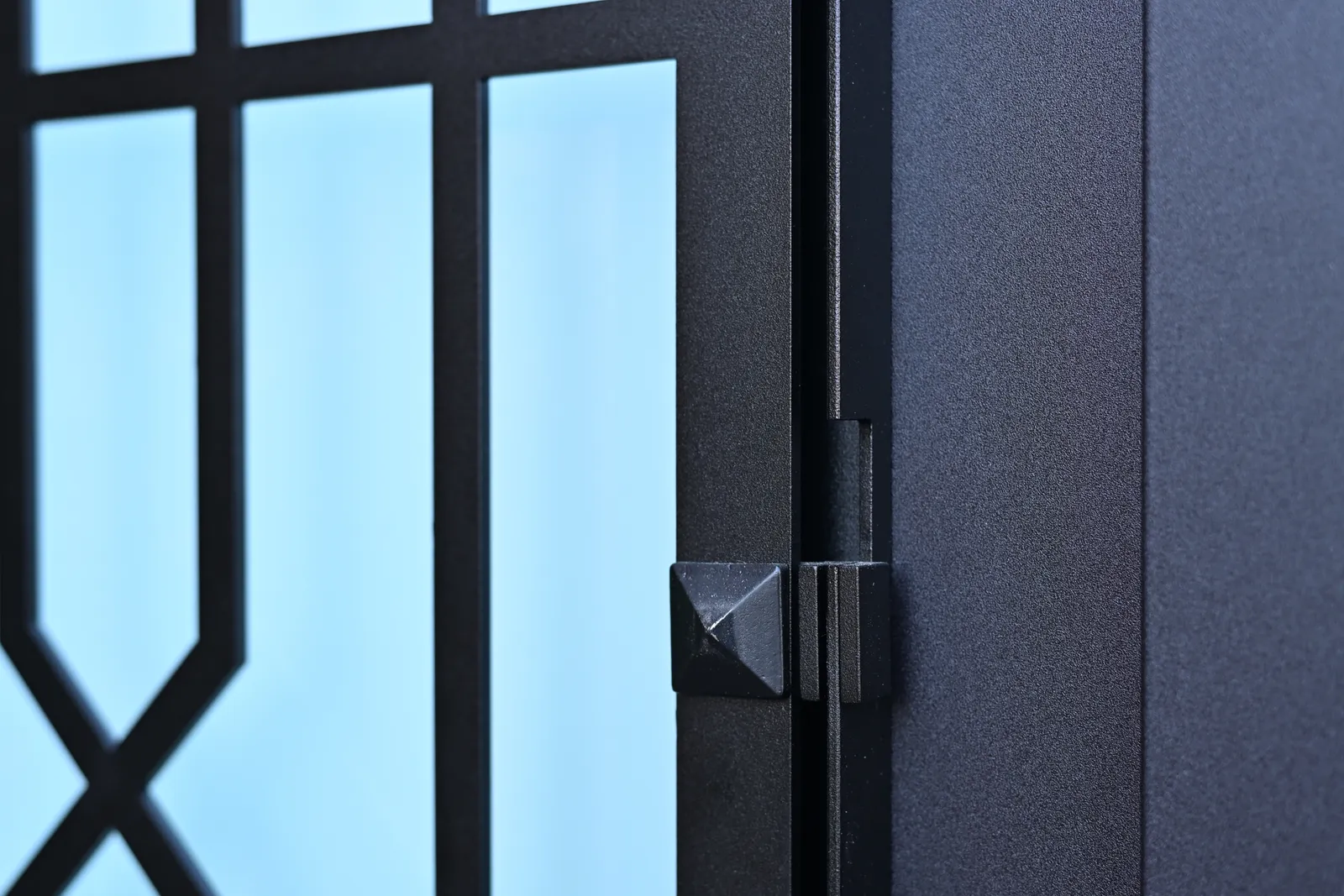
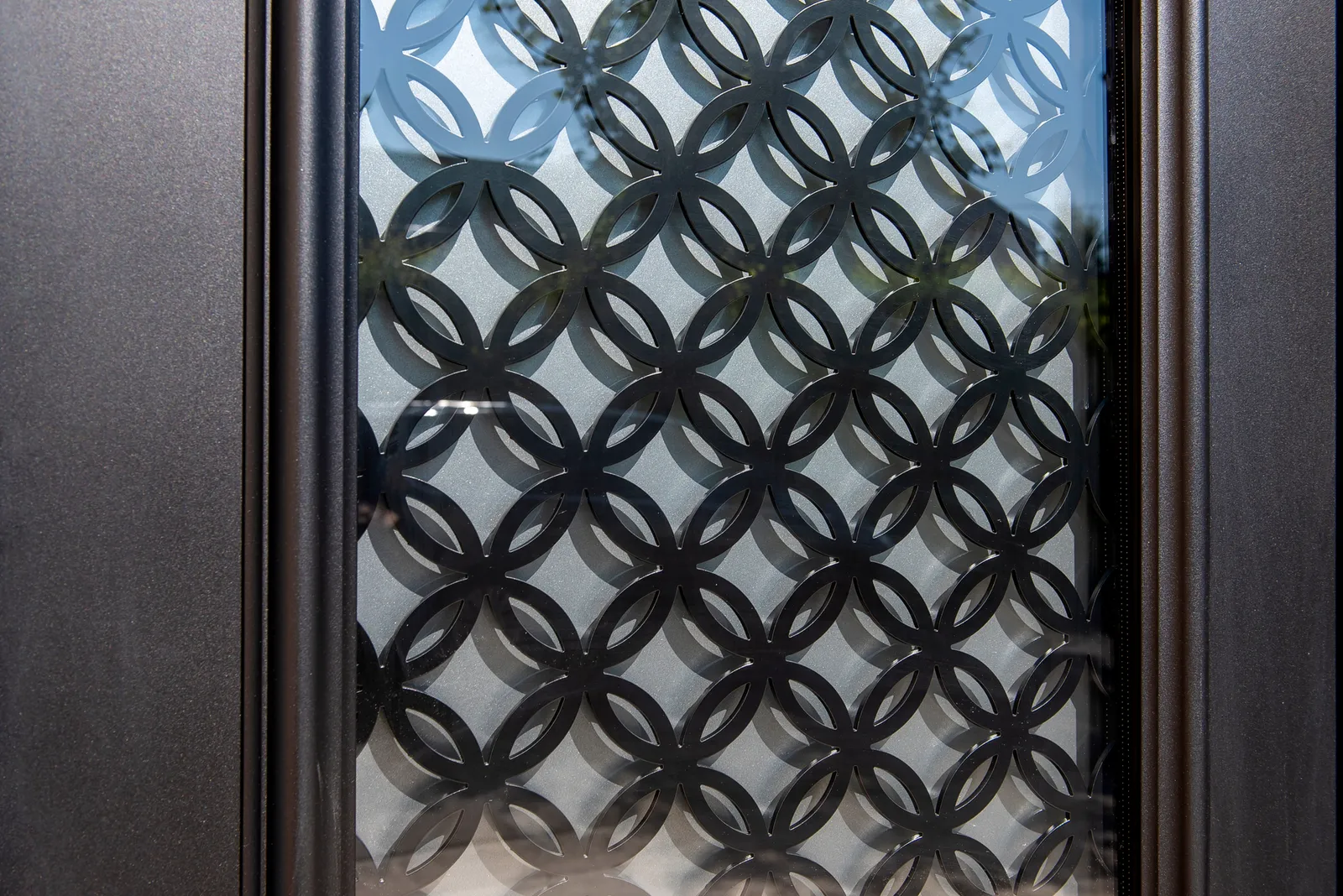
To tackle this challenge, Frager developed three decorative grille systems. The first solution integrates the grille directly into the insulating glass. This preserves the classic appearance while ensuring that the door also meets modern energy performance standards. Then there is the Mondriaan, a decorative aluminium grille attached magnetically to the glass using the patented Magnetude® system. The grille can be easily removed for maintenance and then repositioned precisely, with no visible fixings.
For larger glazed areas, Frager developed a third option, the Ferforgé. This involves fitting a decorative grille across the full height and width of the door. This system is also fully removable, making maintenance or replacement particularly straightforward. Although the applications differ technically, they all stem from the same design principle: to respect the original streetscape as much as possible.
Technology in the service of architecture
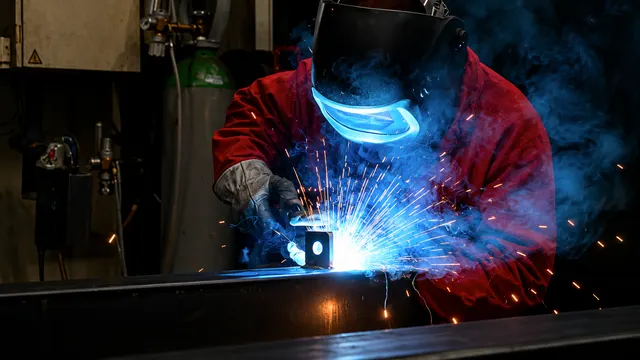
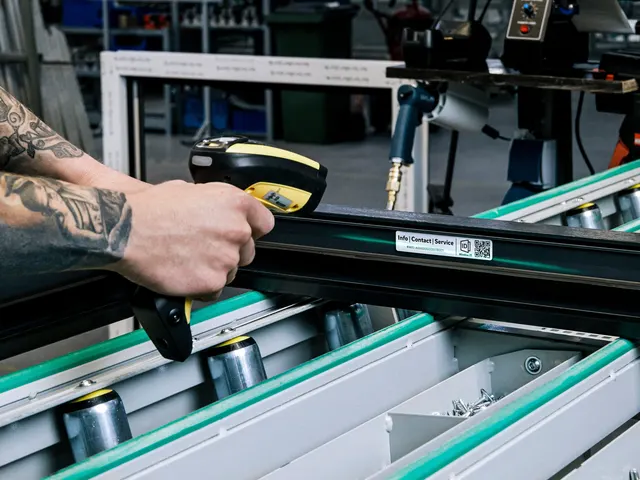
Behind the classic appearance is a highly refined production process. All decorative grilles are made from five-millimetre-thick aluminium and manufactured in-house. “To meet the growing demand for bespoke work, we recently invested in a new laser system,” says Kris Vandercruyssen, sales and marketing manager at Frager. “It enables us to produce aluminium components up to thirty times faster than with the waterjet technology we used previously. This means we can respond much more flexibly to unique renovation projects.”
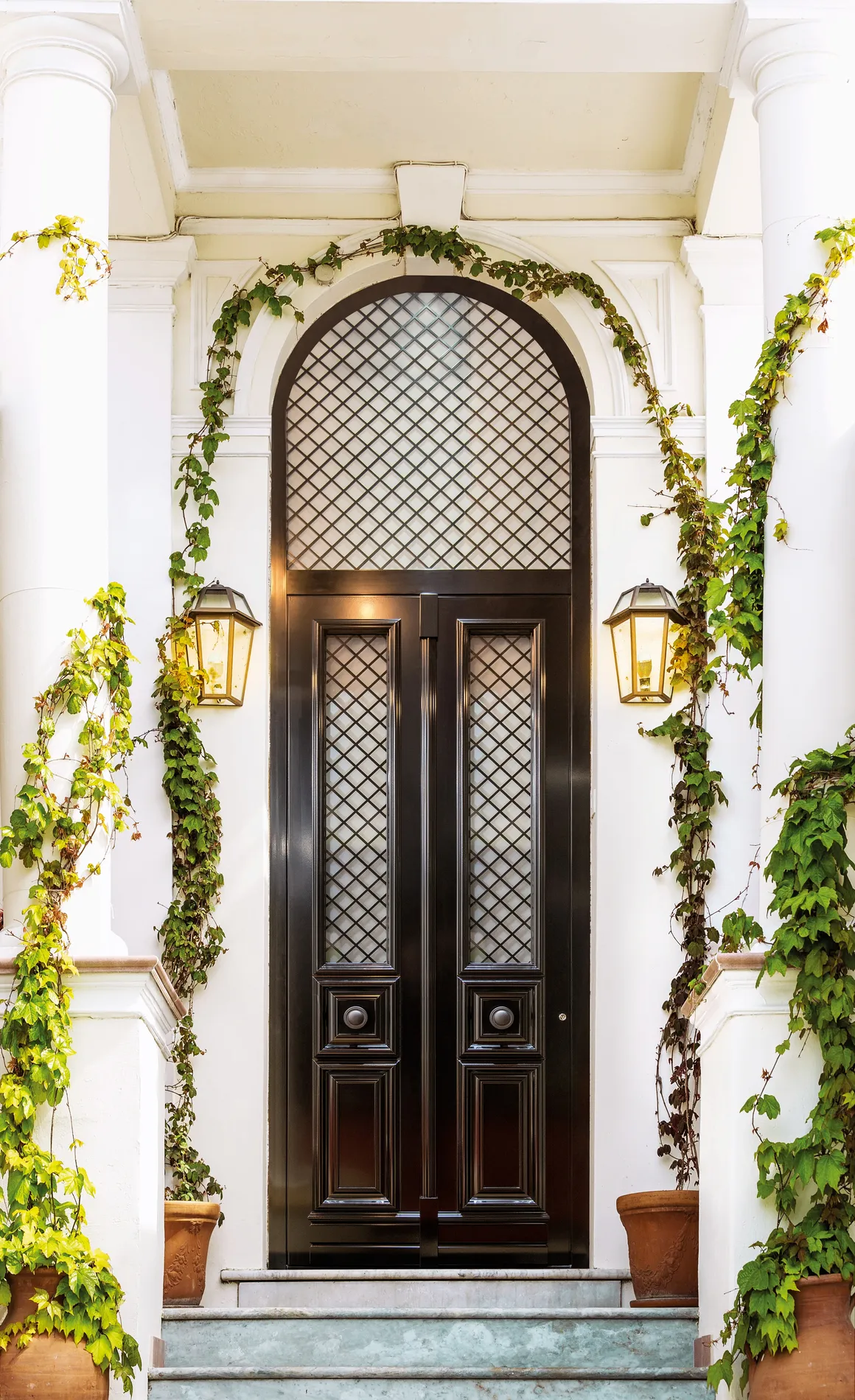
This flexibility is essential. Frager regularly receives photos of existing front doors, along with requests to reconstruct the original design as accurately as possible. Thanks to an extensive library of historic decorative mouldings, profiles and grilles, almost any character door can be reinterpreted in aluminium or PVC without losing its original appearance.
A solution for architects and clients
For architects, this means greater design freedom in renovation projects. They no longer have to choose between historic authenticity and modern performance, but can combine the two. “We hear the same concern time and again during renovations,” says Vandercruyssen. “People are determined to preserve the character of their home, while also enjoying the comfort, security and energy performance of a modern front door. That is exactly what these systems were developed for.”
The solutions also offer practical benefits. The decorative grilles can be easily removed for maintenance or cleaning, while damaged components can be replaced individually. This extends the lifespan of the whole assembly and also aligns with the growing focus on circular, low-maintenance construction.
For Franck De Munster and Kris Vandercruyssen, this perfectly sums up Frager’s philosophy: “The challenge is not to design a new door, but to preserve a home’s character using today’s techniques and performance standards.” Frager is thus answering a question that is increasingly making its way onto architects’ drawing boards: how do you respect the past without losing sight of the future?
Een zakelijke vraag aan Frager? Get in touch
Companies in this story
Keep following this
Get an email when a new story is published. No account needed.
- ThemeGiving existing buildings a new future
- SubjectExteriors
- CompanyFrager