Where efficiency is about doing things right, sufficiency is about doing the right things
The climate and biodiversity crises, and a Europe reminded of its glaring lack of domestic raw materials: these are some clear signs of the reality we live in. The urgency is high. Many sectors, including construction and architectural practice, need to fundamentally reinvent themselves. Architects must once again take on the role of orchestrating the integrated architectural project. Only then can they make a real impact. There is work to be done, and it must start now.
For decades, we have focused almost exclusively on improving efficiency: doing the same things, but more efficiently. Only in the past few years has Europe recognised that its lack of raw materials is one of its Achilles heels. The circular economy model has since gained importance, but the transition is painfully slow. At the same time, we are saddled with the deeply ingrained idea that more is better.
Sufficiency over efficiency
As a society and as individuals, it is in all our interests to achieve the best possible results with the fewest possible resources. That is basic economics. But we also need to dare to question exactly what result we are trying to achieve. Too often, we set ourselves a goal ‘because we can’, instead of starting with the question: ‘Is this really necessary?’ Asking that question takes courage, because the ‘more is better’ norm is deeply ingrained not only in our thinking, but also in regulations, standards and guidelines.
We need to think not only in terms of efficiency, but also of sufficiency. Where efficiency is about doing things right, sufficiency is about doing the right things. We should do what we need, and no more. Macroeconomic analyses and scientific research increasingly identify sufficiency as a crucial lever for change.
Comfort
Architects have a key role to play here. They must dare to question the brief itself. Is this really necessary? Could it be done differently, with less? Take our demand for comfort. There is mounting evidence that the comfort models in our standards, used to (over)size building services, are outdated. Too often, they are still based on the principle that the smaller the temperature variations, the higher the comfort. Physiologists have meanwhile shown that our metabolism actually benefits from variation, just as it needs movement and an alternation between light and dark. This is deeply embedded in our genes.
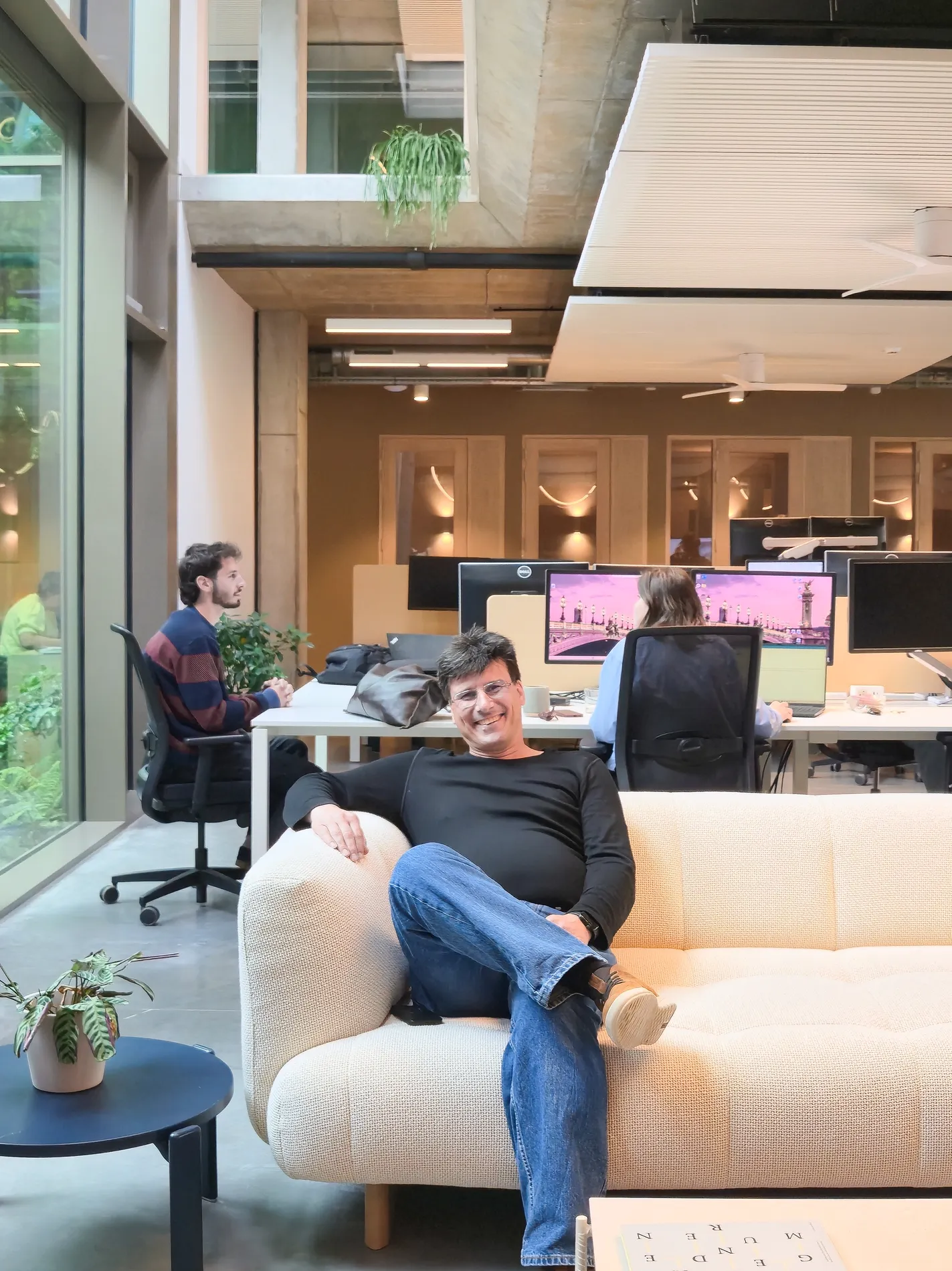
Those who dare to challenge the assumption that temperatures should be uniform will see other possibilities, creating win-wins for users and society alike. In our own offices, we now have ‘temperature landscapes’: zones that can be a little cooler or warmer. They make our working environment healthier and reduce energy demand and the need for building services.
It is high time for sufficiency to become part of our design toolkit, and for regulatory frameworks to explicitly promote this approach as the most relevant strategy. Building users and the environment will both benefit.
Joost Declercq | Archipelago, civil engineer architect & urban planner, director research and innovation, sustainability manager, BREEAM & WELL AP
Question about this story? Ask your question
Keep following this
Get an email when a new story is published. No account needed.
- ThemeCircular construction and material awareness
- SubjectThe pen