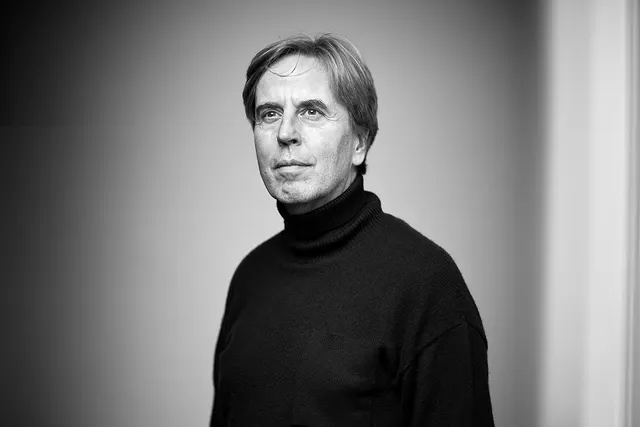
John Van Oorschot (VITO) on circular construction: promise, reality and the indispensable role of the architect

Circular construction is widely embraced as a possible route to a sustainable built environment. The emphasis is primarily on reducing CO2 emissions during the construction and use phases of buildings. Other sustainability criteria also play a part, but the focus on CO2 is dominant. The introduction of the ‘Whole Lifecycle Carbon (WLC) Roadmaps’ under the recent EPBD IV (2024/1275) sharpens this focus further. From 2030, Member States will have to work progressively towards zero-emission buildings by 2050.
Although this ambition has broad support, concerns are already emerging. Initial signs suggest that these new WLC guidelines could have a stagnating effect comparable to, or even greater than, the nitrogen crisis. The risk of construction activity coming to a complete halt is real. Against this backdrop, circular design and construction techniques that are both sustainable and economically viable are becoming increasingly important. Since the Ellen MacArthur Foundation brought the concept of the ‘circular economy’ to prominence in 2010, the construction sector has also experimented with new design principles and techniques. The so-called R-strategies (reduce, reuse, recycle, etc.) provide a framework for closing material loops by recovering and reusing materials from the existing built environment, with CO₂ savings among the benefits.
These experiments have produced high-profile examples that have often made the news. Yet large-scale adoption seems to be lagging behind. Why? Success stories matter, but so does a deeper reflection: what is the actual impact of circular construction on the path to carbon neutrality? At VITO, we research these environmental impacts every day. Our analyses show that circular techniques certainly help reduce the ecological footprint. But the reduction is often insufficient to meet climate targets. There is also a risk of ‘burden shifting’: cutting CO₂ emissions may lead to other adverse environmental impacts, for example through inefficient use of materials.
This calls for a fundamentally different, data-driven approach to the built environment. Building less, and therefore reusing existing structures more, is one of the most effective ways to reduce environmental impact and cut costs. A compelling business case for sustainable projects sets out the actual costs and benefits, including monetised environmental indicators such as long-term savings on energy and water, as well as the social value of reduced CO₂ emissions. This is where the architect comes firmly into focus. After all, some 80 per cent of a building’s environmental impact is determined during the design phase. The role of architects and their design teams must therefore not only be recognised, but also strengthened. In the next emerging phase of circular construction, it is crucial that designers have the right knowledge, data and tools to make informed circular choices at an early stage. Only then can we make real progress towards a sustainable built environment. That is what we work towards every day, together with architects.
John Van Oorschot
Senior R&D Life Cycle Assessment and Circularity in the Built Environment @VITO
Question about this story? Ask your question
Keep following this
Get an email when a new story is published. No account needed.
- ThemeCircular construction and material awareness
- SubjectThe pen