Smart charging infrastructure for e-bikes
Text Petra BroedersImage Sumura
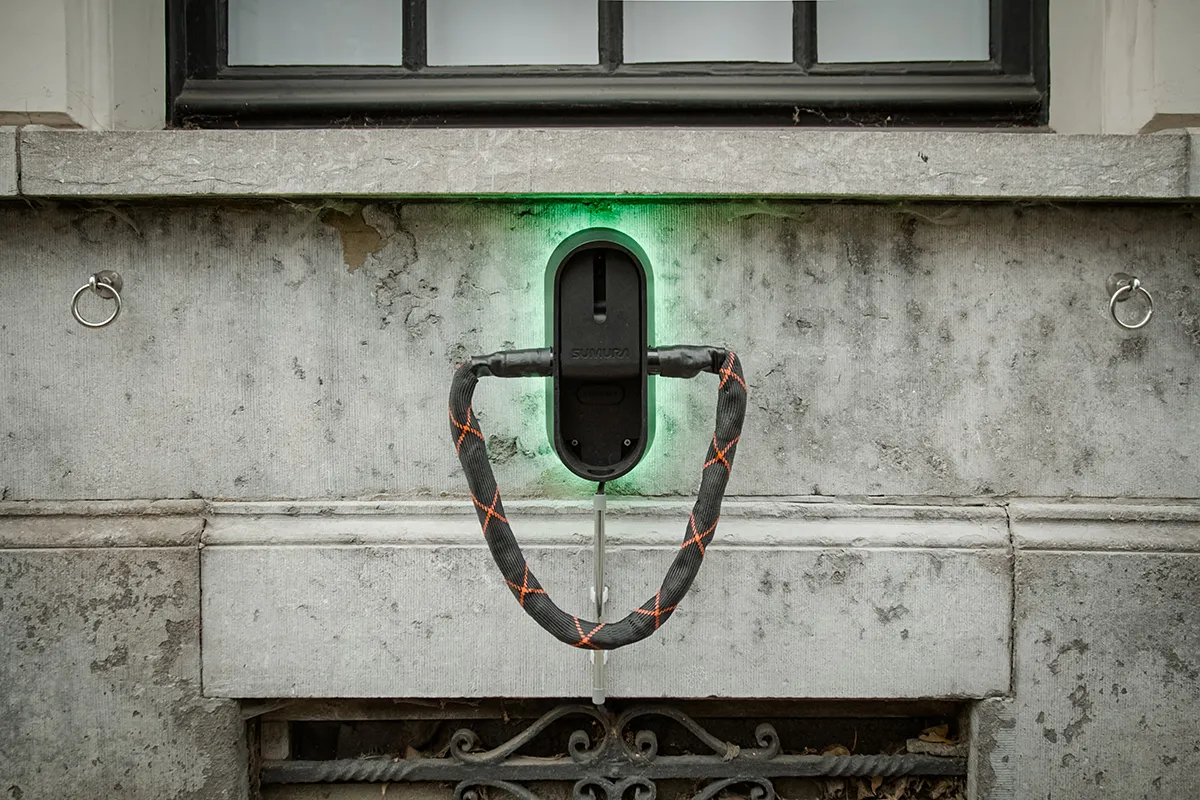
Safe, integrated and ready for the buildings of the future
The electric bike is taking over the city. Where a bike rack used to be enough, there is now a need for a well-designed charging and parking solution. Property developers, companies and architects are looking for safe, manageable and aesthetically pleasing ways to integrate e-bikes into their buildings. Antwerp-based Sumura has developed smart charging infrastructure that combines technology, design and safety, making it ideal for integration into contemporary architecture.
“The e-bike and cycle-to-work leasing market has exploded over the past ten years,” says David Dos Santos, who is responsible for product design and business development at Sumura. “In urban areas, people are replacing their cars with electric bikes or cargo bikes. But the infrastructure has not kept pace. Batteries are charged indoors using loose adapters in entrance halls, or left lying around outside. That is not only untidy, but unsafe too.”
Drawing on its experience in access control, the Sumura team began experimenting with smart charging points more than two years ago. “We realised that architects and developers are required to provide more cycle parking, but that there are no good solutions for safe charging,” says Dos Santos. “Our charging modules have a clean design and can be fully integrated into the architectural plans. They fit just as well in a residential basement as in a company car park or a public cycle parking area.”
Smart charging, secure locking
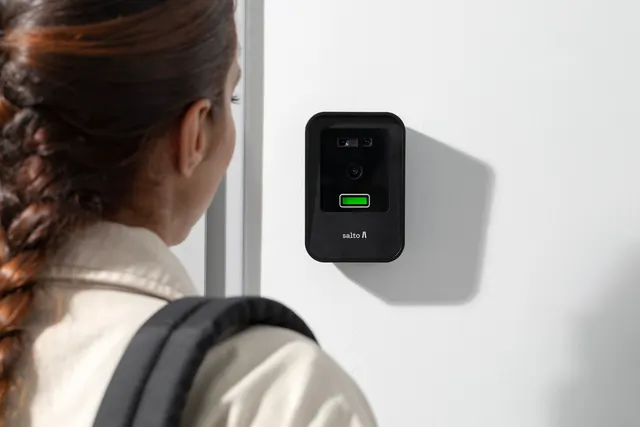
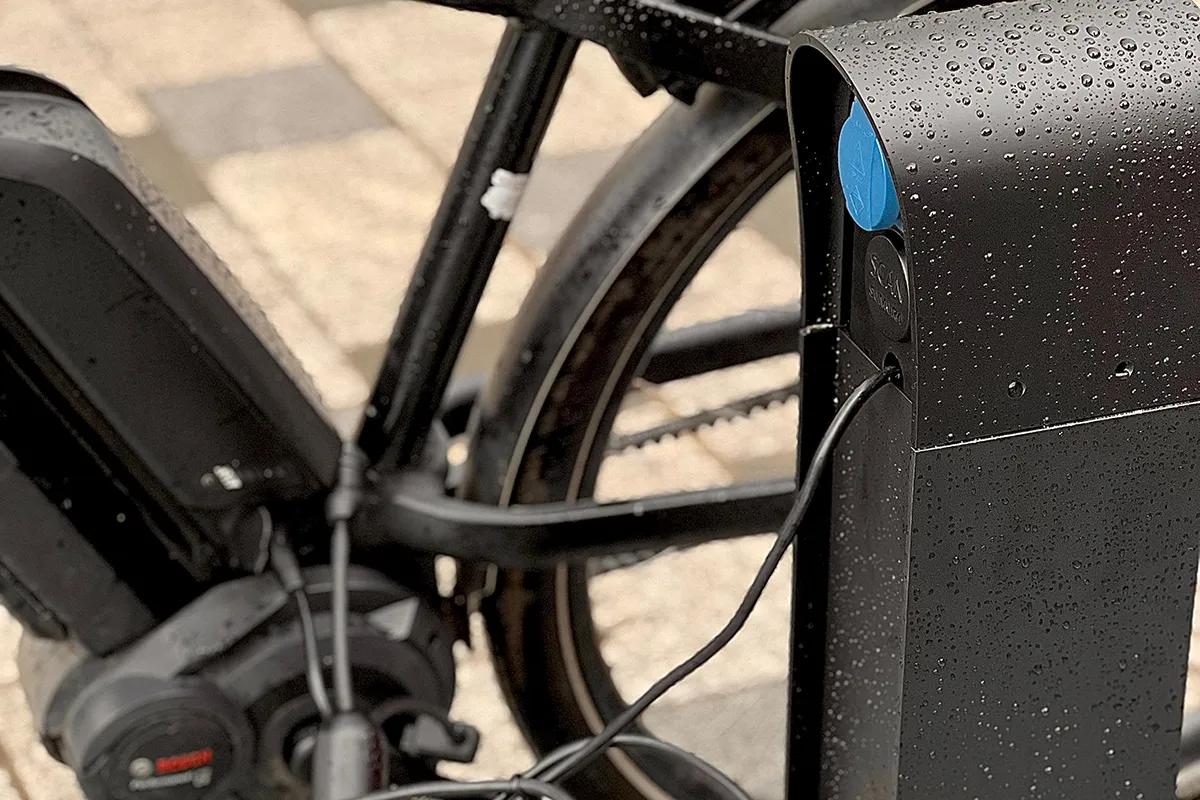
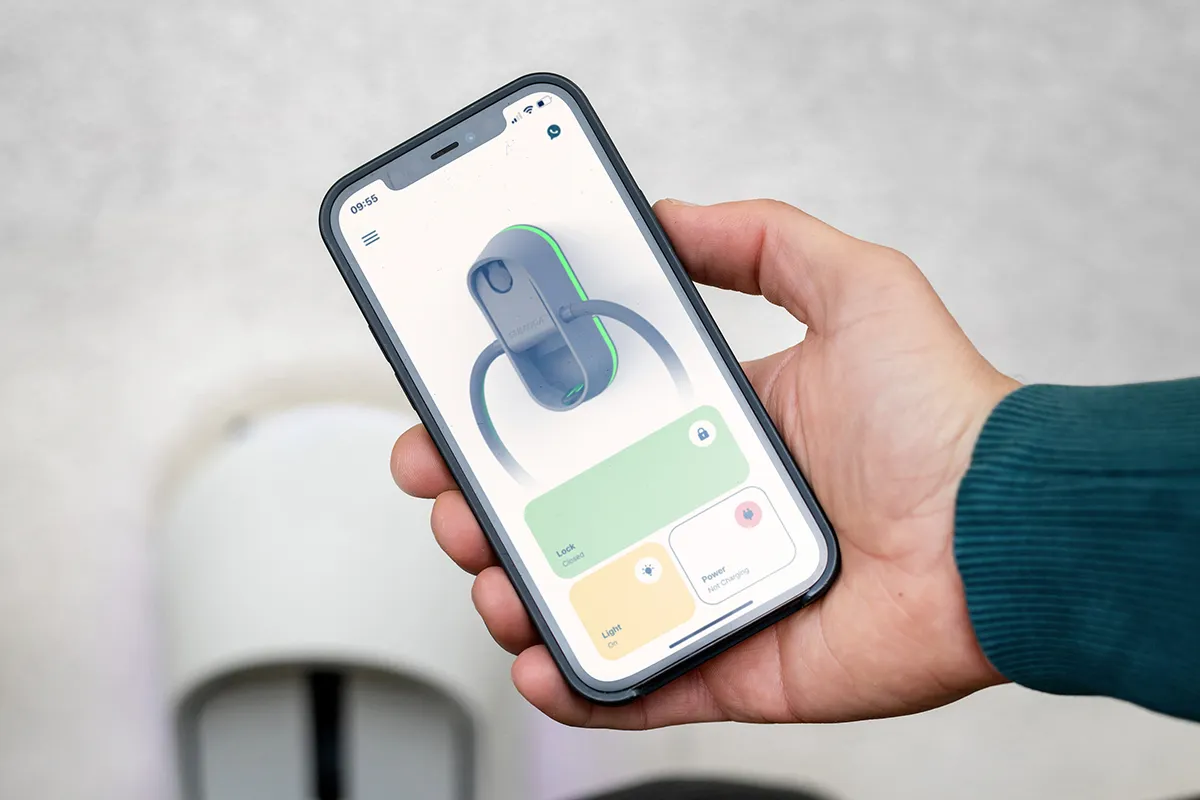
The Sumura solution consists of wall-mounted or post-mounted modules that identify each bike individually. “Our smart module identifies who is charging via a badge, smartphone or bike tag,” explains Dos Santos. “You simply plug in, the system automatically locks your bike and charging starts. Everything is integrated into a single device: charging point, lock and access control.” Safety comes first. “Our charging modules are fully certified and fitted with temperature sensors and overload protection. If something goes wrong, for example if a battery gets too hot, the system switches off automatically and sends us an alert on our platform. That makes it much safer than the loose adapters that are often left lying around today.”
Efficient management for property and businesses
Sumura also offers a significant organisational benefit for property developments and businesses. “In buildings with shared parking, there are often disputes over electricity use,” says Dos Santos. “Our charging points are assigned to a specific owner, and consumption costs are settled automatically via our app. The building manager does not have to arrange anything.”
The platform also provides a streamlined user experience. “Range anxiety is a thing of the past with this system: cyclists arrive, plug in without having to remove the battery each time, and always leave with a full battery. That encourages people to use their e-bikes every day, which is a sustainable advantage for businesses and developers.”
From pilot project to network
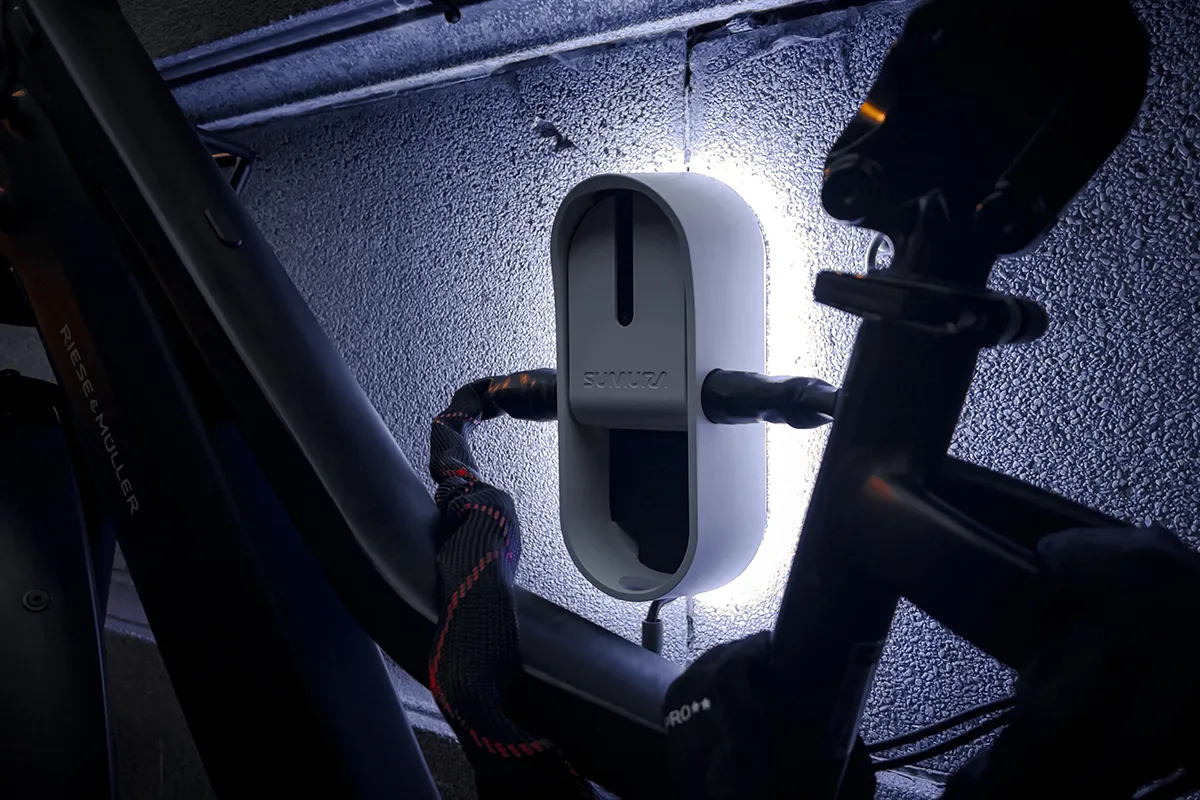
Sumura is currently building a network of charging points for both residential and public use. “We are installing pilot projects in Antwerp and Blankenberge, and working with leasing companies such as o2o and Cyclis. By the end of 2025, we aim to complete fifty pilot projects, thirty for private individuals and twenty at businesses or property developments. We will begin the large-scale rollout in 2026.” Sumura develops and manufactures all its hardware and software in-house. “It is a Belgian product, designed and made here,” Dos Santos stresses. “We are now looking for partners to help roll out the system: installers who want to install our charging points, and architects who will integrate them into their plans from the design stage. Because smart mobility starts with smart design.”
Question about this story? Ask your question
Keep following this
Get an email when a new story is published. No account needed.
- ThemeTechnologies for safe, smart buildings
- SubjectExteriors