Historic character, modern performance
Text Kris VandekerckhoveImage Frager
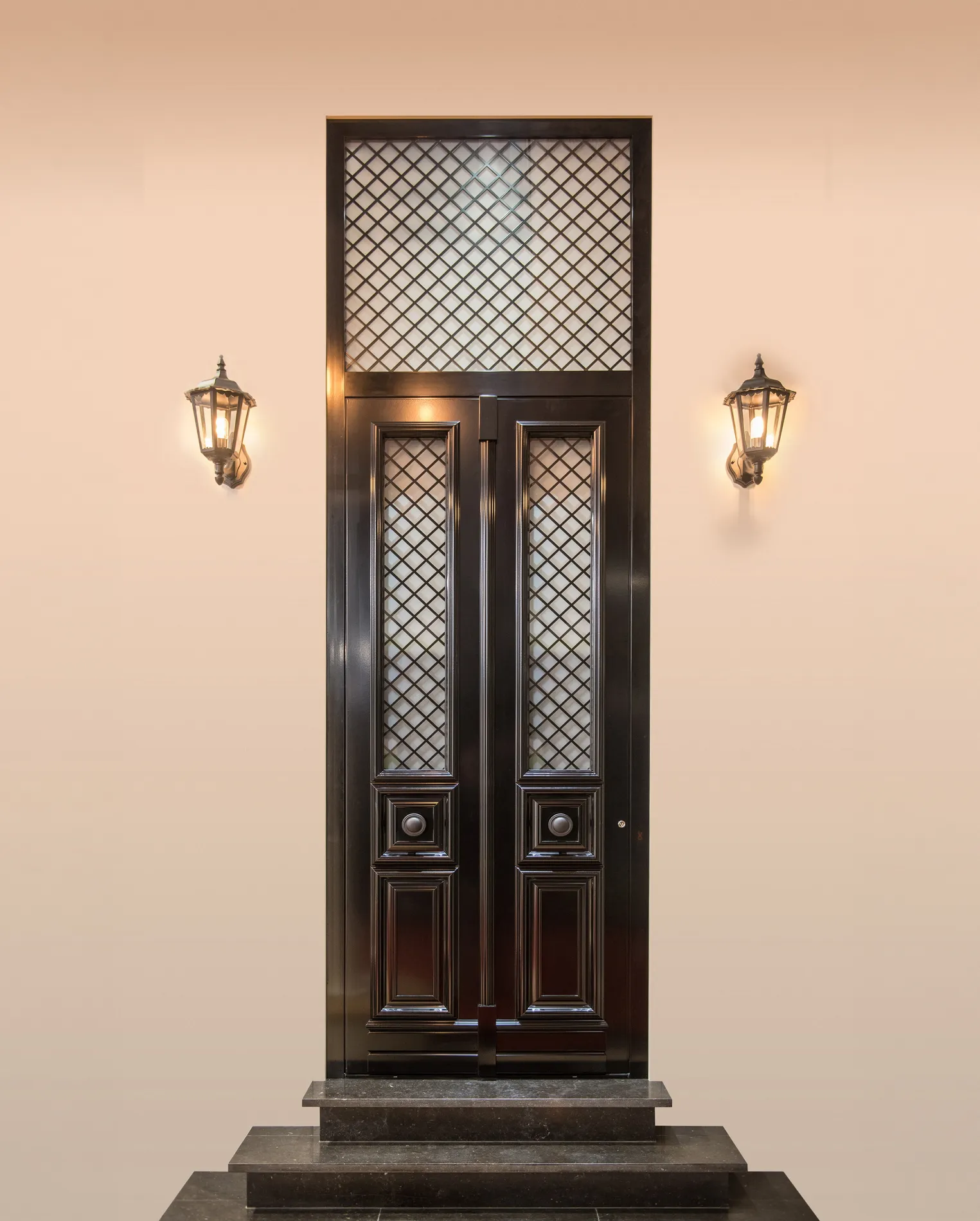
Bespoke doors for characterful townhouses, with modern performance
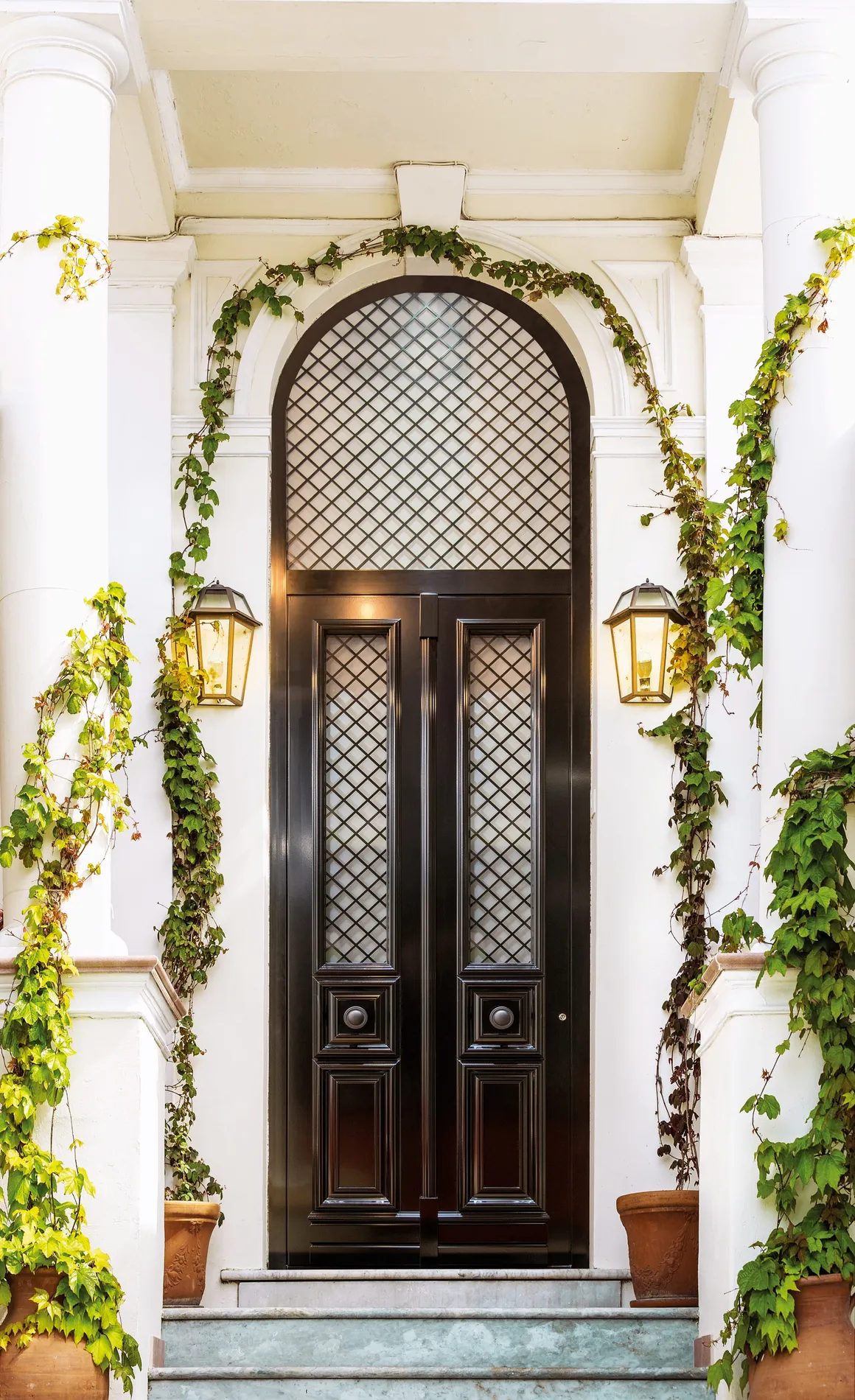
Walk through Belgium’s ‘medieval’ cities, Bruges, Ghent, Antwerp, Namur, Liège, Mons or Tournai, and you will still see plenty of them: stately townhouses with richly profiled front doors, decorative mouldings and wrought-iron grilles. They set the rhythm of the street and give buildings their identity. Behind this distinctive streetscape, however, there is often a less romantic reality: worn timber, poor insulation and limited security against break-ins.
With Frager Tradition, Frager, a supplier of bespoke PVC and aluminium joinery, has developed a solution that combines a sense of heritage with contemporary technology. The concept is simple, the execution refined: old timber doors are replaced with virtually identical models in aluminium or PVC. Visually faithful to the original, and fully up to date technically.
“We receive photos almost every day of homes where the front door really defines the face of the house,” says Franck De Munster, general manager of Frager and a trained architect. “People are determined to preserve that look. The problem is that, technically, these doors are often simply past their best.”
From streetscape to bespoke design
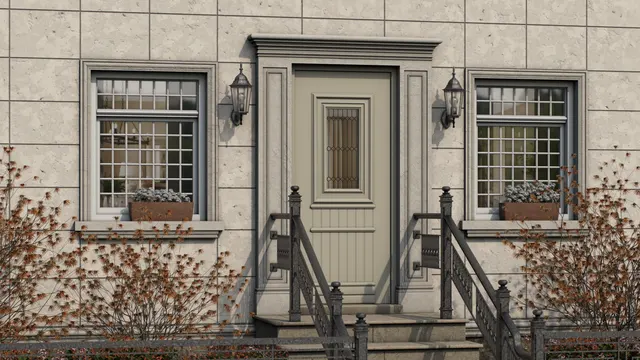
Frager works exclusively B2B, supplying door panels to window and door manufacturers. All design work is carried out in-house. Using photographs and measurements, the team prepares a detailed drawing and, if required, follows it up with a 3D visualisation showing the new door in the context of its original façade.
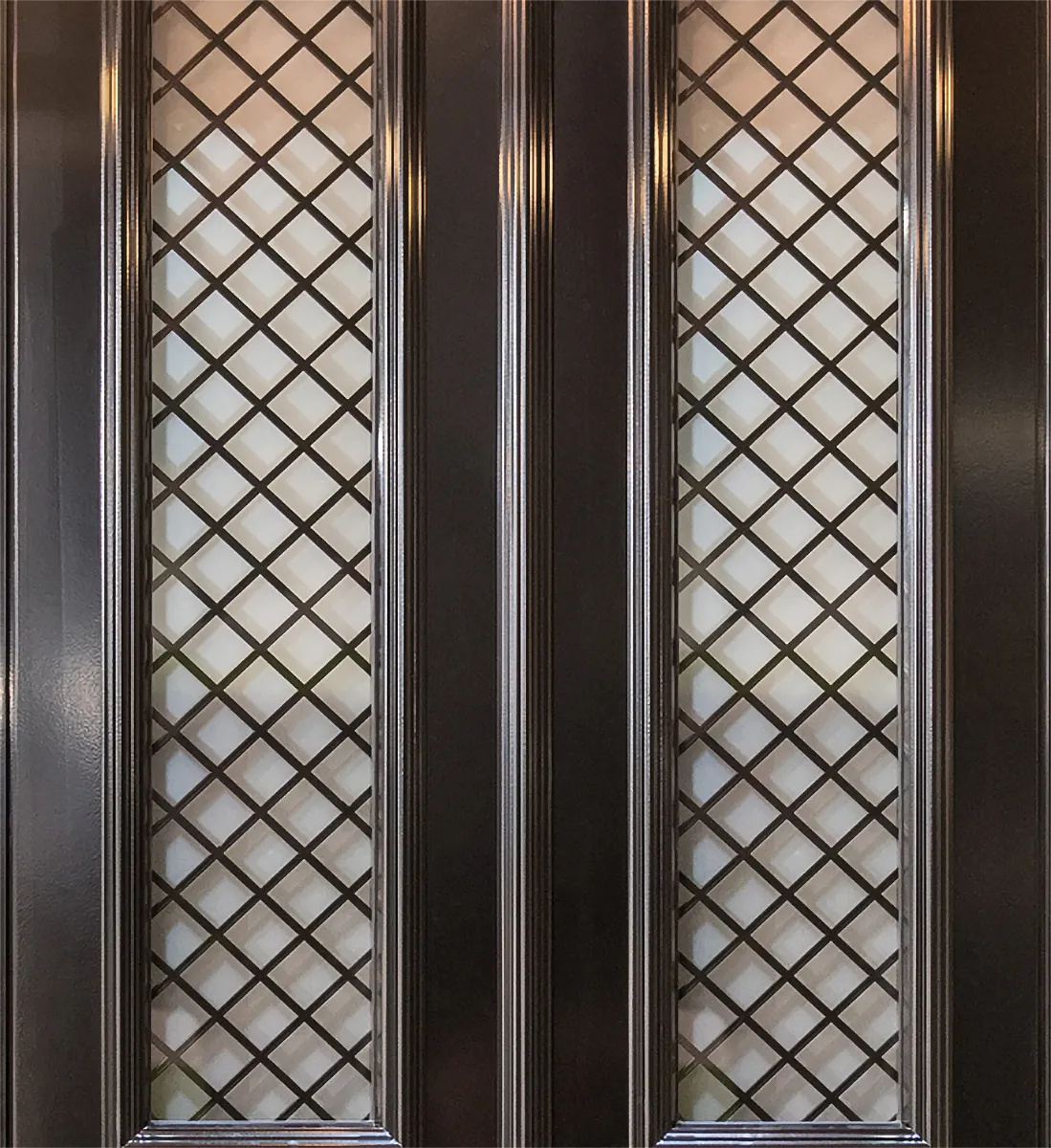
“We have an extensive library of profiles, decorative mouldings, plinths and grilles,” says Kris Vandercruyssen, sales and marketing manager at Frager. “This allows us to put together a door that comes remarkably close to the original proportions and detailing.”
Many historic doors are unique, with no two exactly alike. Yet Frager’s highly bespoke approach makes it possible to create a solution that fits seamlessly with the original design. The team even took to the streets to photograph hundreds of historic doors and analyse their detailing.
“You see just how much variation there is in houses that appear similar at first glance,” says De Munster. “You gain enormous respect for the craftsmanship of the time. We try to translate it into the present day. But it is not just about nostalgia. You want to make that charming front door technically smart without losing its character.”
Authentic appearance, modern performance
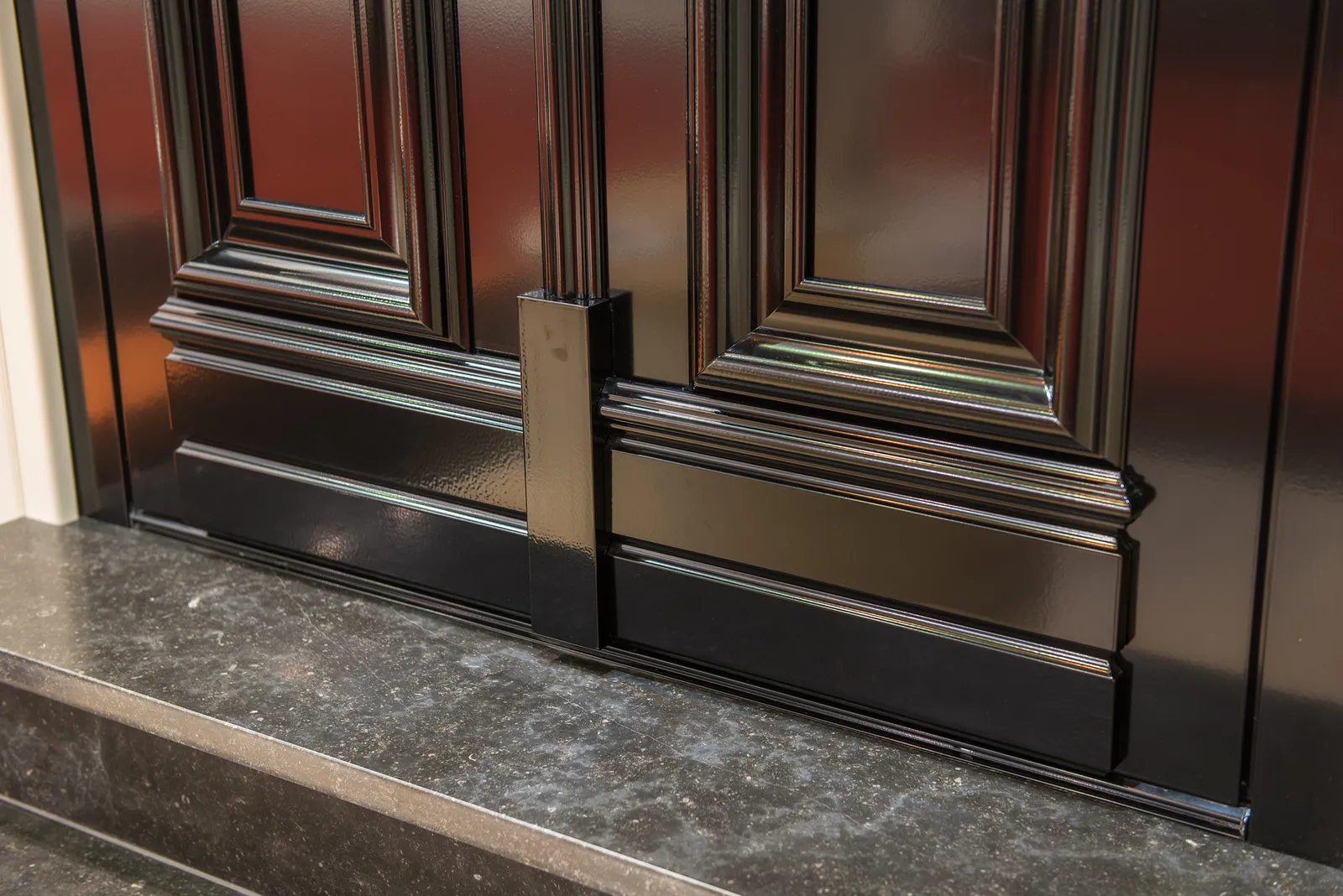
The fundamental difference lies beneath the surface. Whereas old timber doors often perform poorly in terms of thermal and acoustic insulation, the new aluminium or PVC doors meet current EPB requirements. Modern three-point locking systems and security hardware can also be integrated with ease. “It is difficult to achieve the same security standards with a timber door,” says Vandercruyssen. “Here, we combine a traditional appearance with modern security against break-ins, better airtightness and significantly improved thermal performance.”
Typical historic features are also reimagined with care. Classic wrought-iron grilles are replaced with powder-coated aluminium versions that attach magnetically. They retain the familiar appearance, but can easily be removed for maintenance, without interrupting the thermal break. The result: a door that looks like yesterday, but performs like tomorrow.
Heritage and regulations
Replacing timber joinery in protected townscapes can be a sensitive issue. The material is often the main point of debate. Yet Frager has found that people are more open to the idea when the design remains visually faithful to the original.
“When you present it properly, with a clear visualisation of the end result, you find that local authorities become more pragmatic,” says De Munster. “Ultimately, it is about the streetscape. If that is respected, more is often possible than you might think.”
Sustainability as standard
Alongside aesthetics and performance, sustainability also plays an important role. Frager’s systems are designed to be fully dismantled. “When a door reaches the end of its life, the aluminium, glass and insulation can easily be separated,” explains De Munster. “That makes them fully recyclable.”
Individual components can also be replaced if damaged or vandalised, without renewing the entire door. “That significantly extends its service life,” adds Vandercruyssen. “Instead of replacing everything, you replace only what is needed.” This combination of dismantlability, recyclability and repairability is a natural fit with the growing demand for circular, scalable solutions in renovation projects.
With Frager Tradition, the company from Wielsbeke shows how heritage and innovation are not mutually exclusive, but can actually reinforce one another. It is a particularly relevant response to the growing wave of renovation in our historic city centres.
Een zakelijke vraag aan Frager? Get in touch
Companies in this story

Keep following this
Get an email when a new story is published. No account needed.
- ThemeBuilding envelopes for a changing climate
- SubjectExteriors
- CompanyFrager