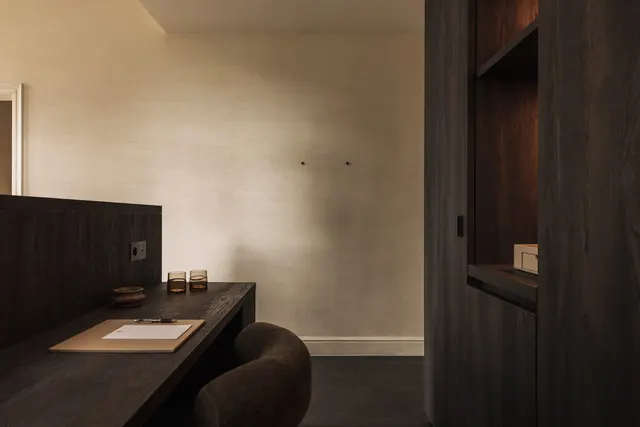
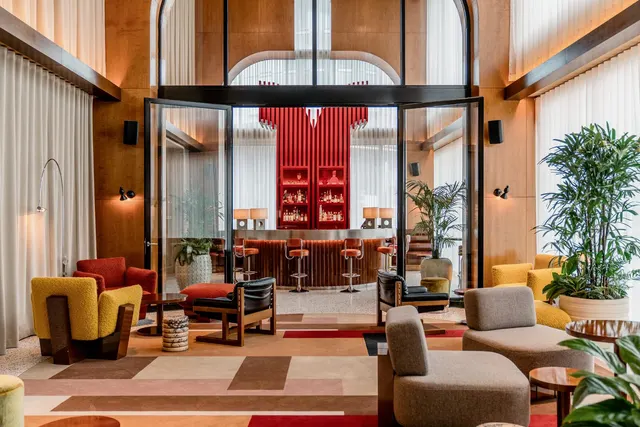
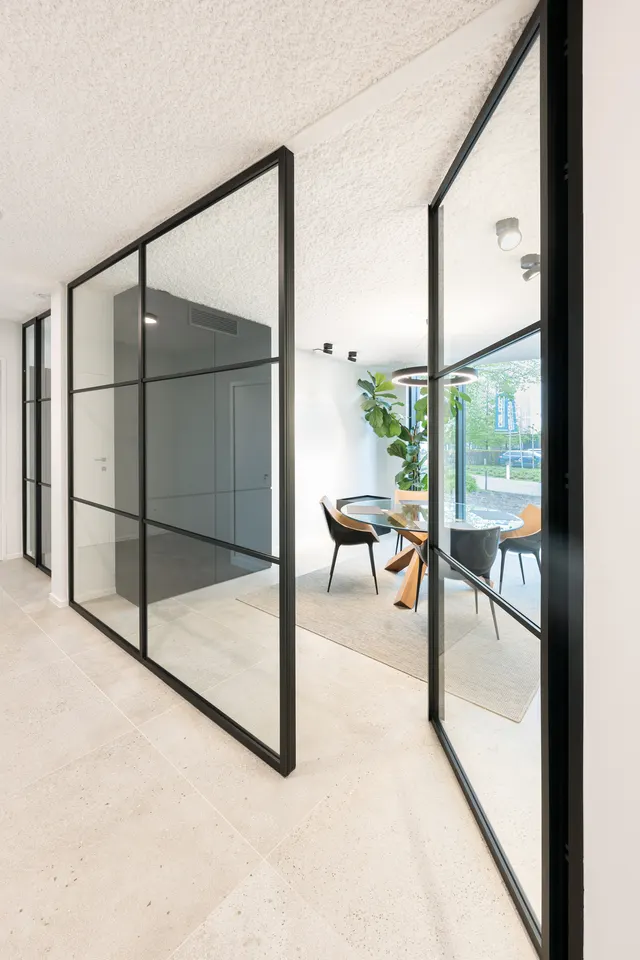
DecoLegno offers a considered collection as a toolkit for design freedom
Text Marlies DecavelImage DecoLegno
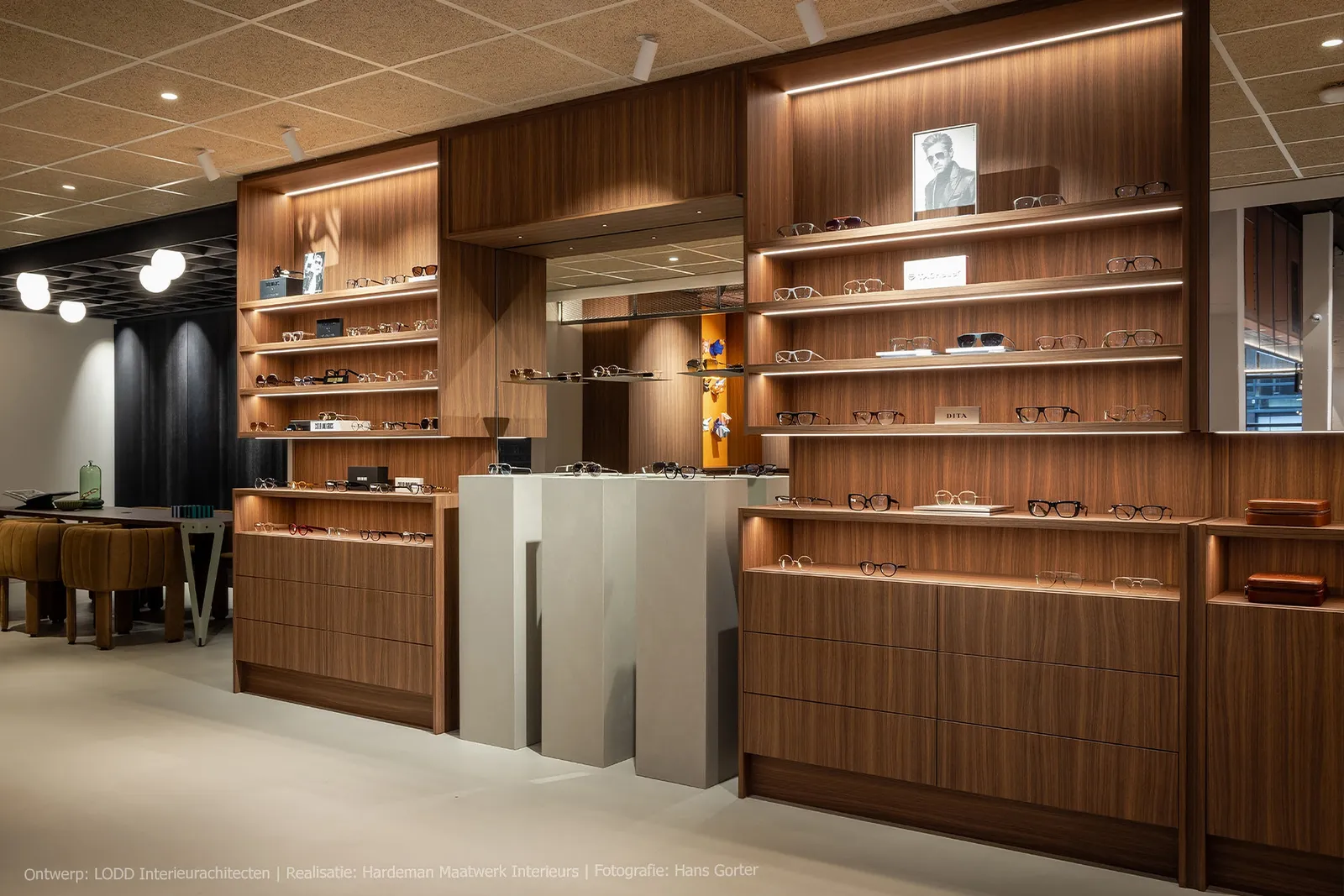
Design is rarely about a single material. It is about atmosphere, coherence and choices that fit into a bigger picture. According to Andy Vernelen, showroom manager at DecoLegno and a trained interior architect, strong architecture emerges when materials do not impose limits. “As a designer, you want to be able to adapt,” he says. “To move between calm and expression, between aesthetics and budget, without having to keep switching supplier or system.”
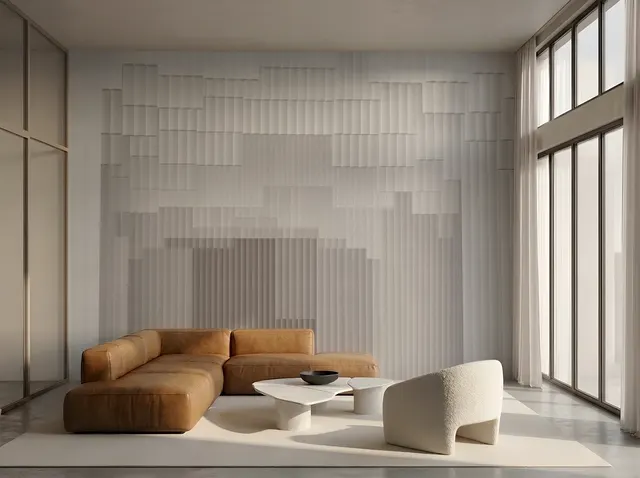
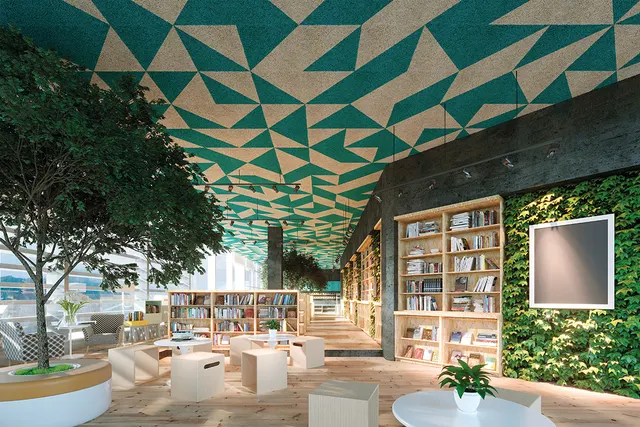
DecoLegno puts together its collection as a toolkit for designers. Rather than a series of unrelated decors, it offers a coherent palette of solid colours, wood and stone textures, textile reliefs and refined metallics. This breadth makes it possible to build up spaces in layers. “Many projects start with a calm base,” Andy explains. “From there, you can add accents, sometimes subtle, sometimes tactile.”
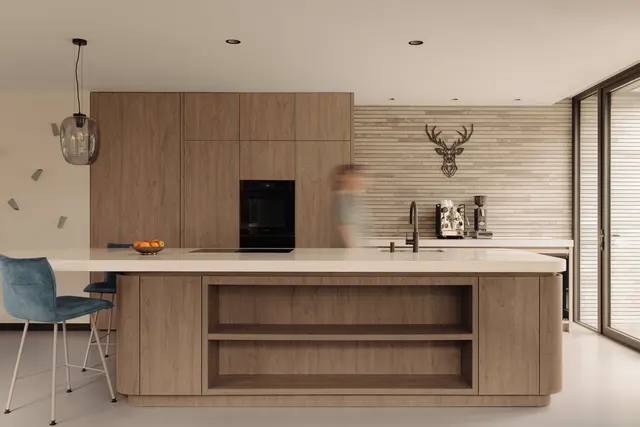
For architects, this means freedom within a single material story. Fronts, bespoke joinery, wall cladding and volume accents work visually together, without the design becoming repetitive. The strength lies in nuance: differences in texture, sheen or depth, rather than changes in colour.
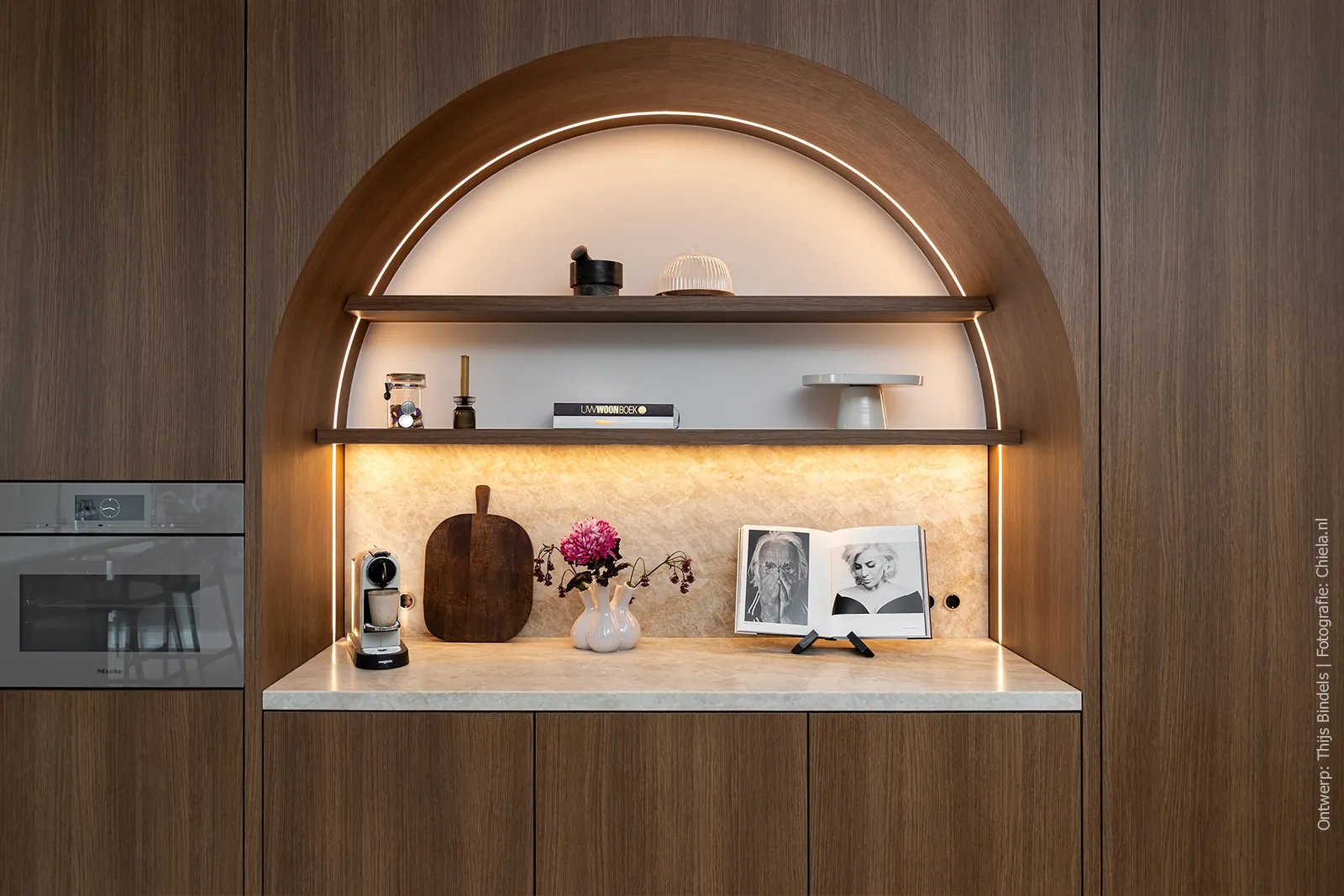
From an Italian vision to Benelux reality
This way of thinking has its roots in Italy. DecoLegno has worked closely for years with Cleaf, an Italian manufacturer with a strong focus on research and material development. “What you see in Milan today is often the result of years of testing, structuring and fine-tuning,” says Andy. “Thanks to this collaboration, we translate trends into a practical collection for the Benelux at an early stage.”
The latest edition of Salone del Mobile confirmed this direction, with tactility as a clear theme: materials invited people to touch them and textures were deliberately left visible. Textile structures are a good example. DecoLegno introduced them to its collection early on, while they are only now gaining widespread recognition on the exhibition floor. Warm reddish-brown wood tones, soft metallics and tactile interpretations of stone are also making a comeback, each serving as a refined accent within a bigger picture. “DecoLegno’s strength lies in translating what is seen on the exhibition floor into practical applications. We filter trends and make them work in projects here, without losing their cachet.”
Designing with budget in mind
For specifiers, budget is just as important as aesthetics. “Materials are sometimes automatically labelled ‘expensive’ or ‘basic’,” Andy observes. “Yet a smart choice can often create room for quality elsewhere in the design.” Decorative panel materials with a high-end appearance make it possible to keep large surfaces understated without committing the entire budget. This leaves room for accents, bespoke joinery or detailing. “It’s not about spending less,” he emphasises, “but about choosing carefully and using materials logically.”
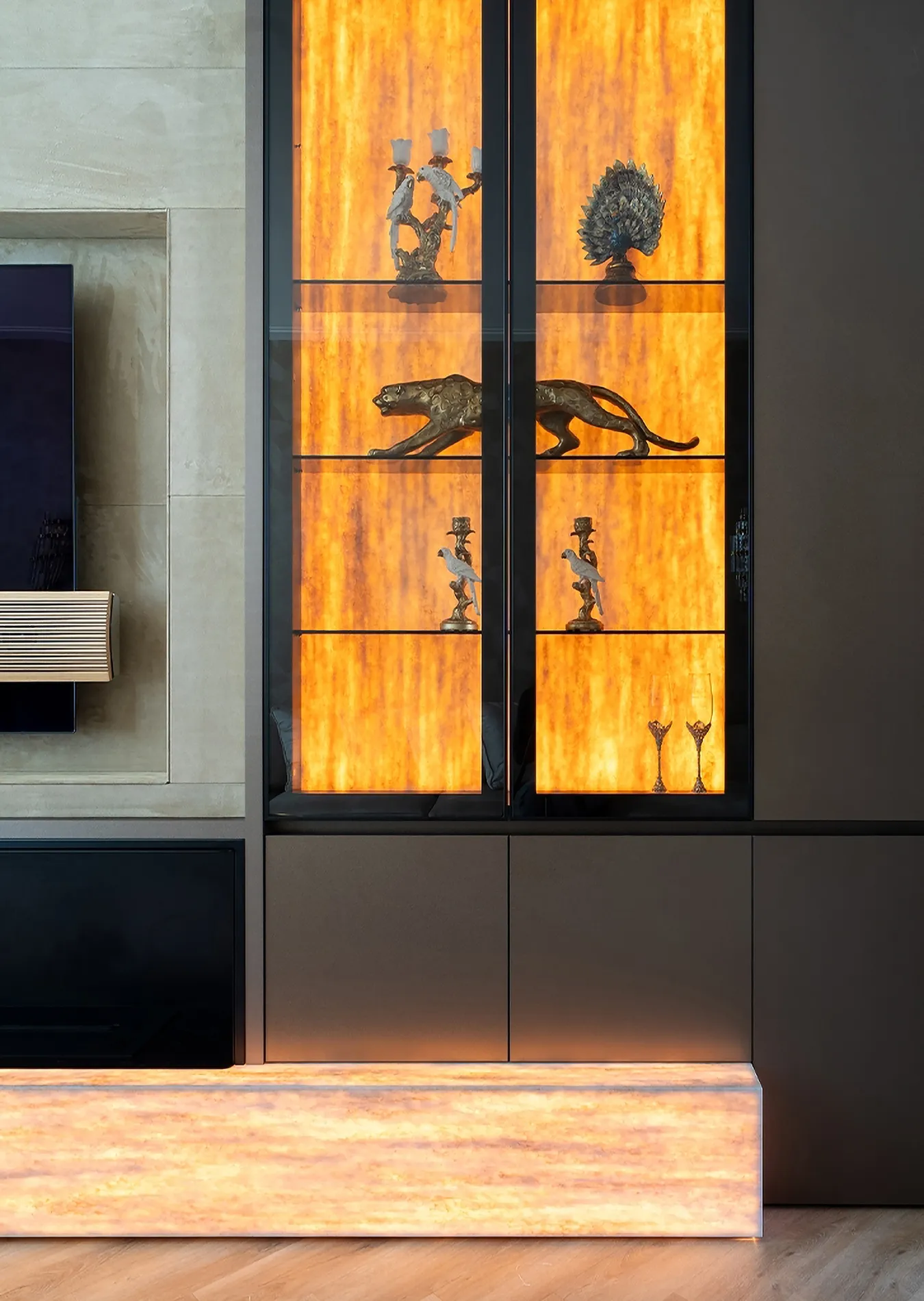
Solid surface as a natural extension
Within the same design framework, DecoLegno also champions solid surface through its Durasein range. For projects where lines need to continue and details disappear, solid surface offers clear added value. Seamless worktops, integrated elements and soft transitions reinforce the overall look, particularly in kitchens, bathrooms and bespoke applications. The material can also be reworked, making it an interesting option for sustainable design strategies.
“In the showroom, I always start with the design,” Andy concludes. “What do you want to create? How will the space be used? Where do you want to place the accents?” By considering these questions together, DecoLegno helps refine design choices and translate them into specific material selections that will also stand up to the demands of installation.
A business enquiry for DecoLegno? Get in touch
Companies in this story
Keep following this
Get an email when a new story is published. No account needed.
- SubjectInteriors
- CompanyDecoLegno