The link between technology and aesthetics
Text Eva Goossens
Making a difference with architectural switches and sockets
The days when switches and sockets were considered disruptive elements are well and truly over. Today, they are an integral part of interior design: sometimes almost invisible and minimalist, at other times boldly prominent, with colourful accents and distinctive materials. Design, technology and finish come together in an overall concept where even the smallest details make a difference.
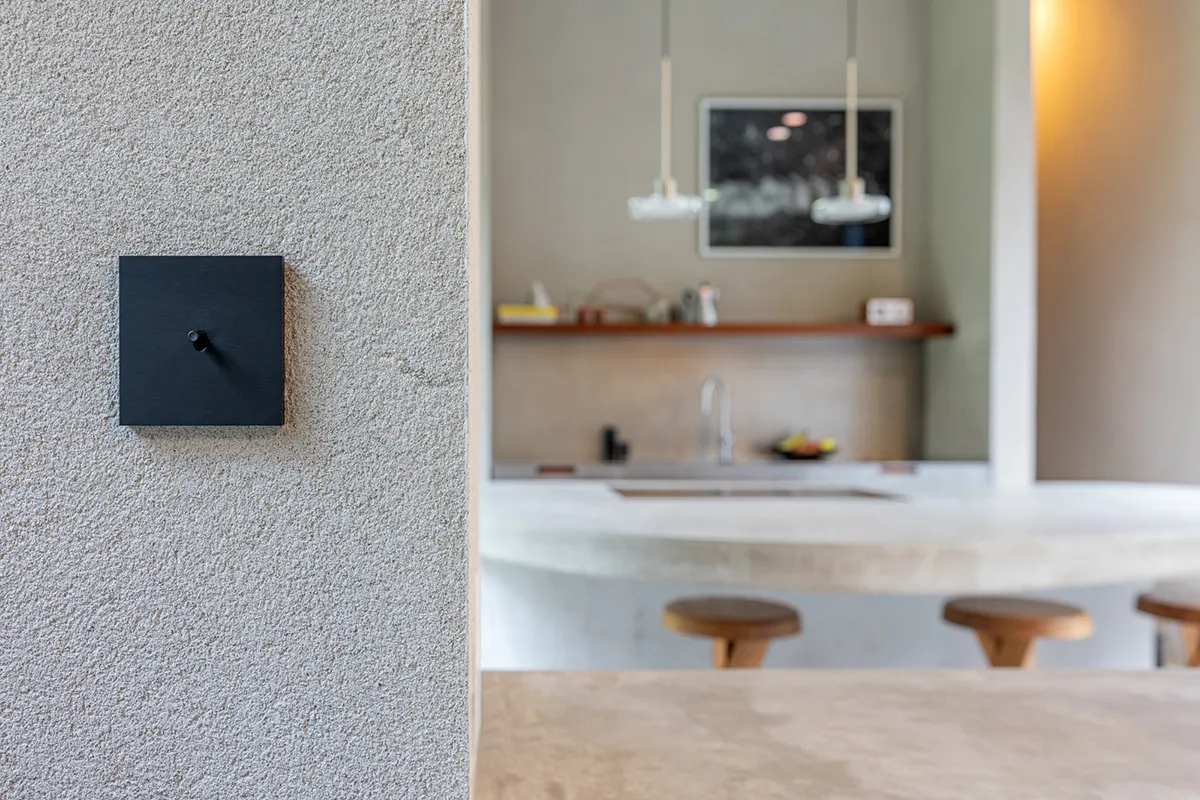
Today, design, finish and functionality come together seamlessly in contemporary switching solutions. Switches are no longer an afterthought, but an integral part of the architectural concept. Here are some of the latest trends and innovations.
Distinctive retro style
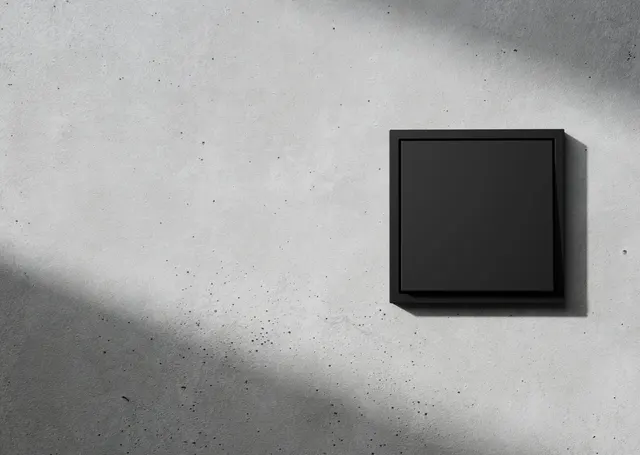
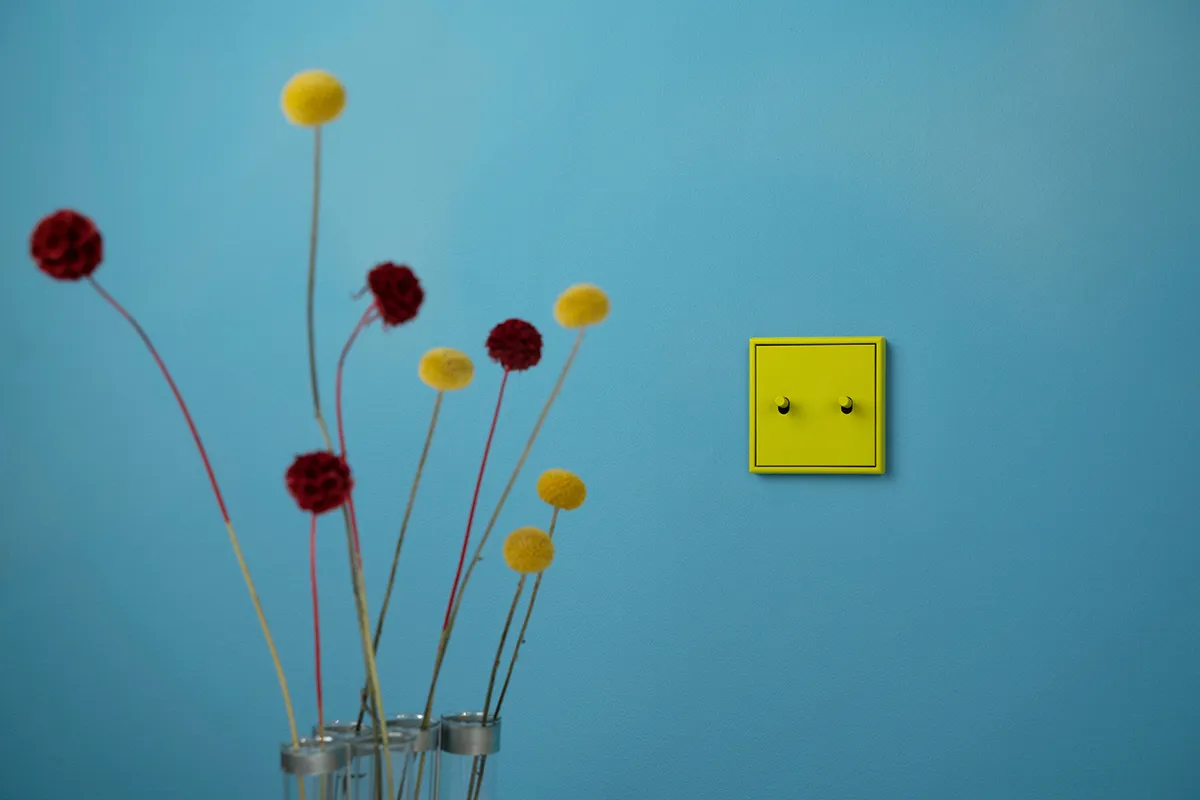
Everything comes back, but naturally in a more contemporary guise. Toggle switches are no exception, combining retro charm with distinctive design. This type of switch was everywhere at the recent edition of ARCHITECT@WORK. Belgian company Niko presented Toggle, a modern interpretation of its iconic Bakelite toggle switch from 1928. The design combines retro style with contemporary minimalism: clean-lined cover plates and a joystick-like lever in aluminium or steel, available in various finishes, with an optional ‘hidden-until-lit’ LED indicator that glows warmly when activated. Also new is Niko Rocker, a nod to an original Niko design from 1958. French company Modelec, meanwhile, presented the new Iris Horizon toggle switch, a round design with a slightly curved, circular faceplate and soft edges. Made entirely from brass and available in seven finishes, both polished and satin. JUNG also made an impression on the exhibition floor, with a particularly colourful display. The LS 1912 toggle switch, already available in aluminium, stainless steel, brass or polished chrome, now comes in 63 hand-painted colours from ‘Les Couleurs® Le Corbusier’. Tonal with the wall or contrasting? The switch makes an expressive addition to any interior. In functional terms, the LS 1912 is versatile: it can be used as a conventional switch, a push-button switch and now also as a multi-switch.
Distinctive and Belgian
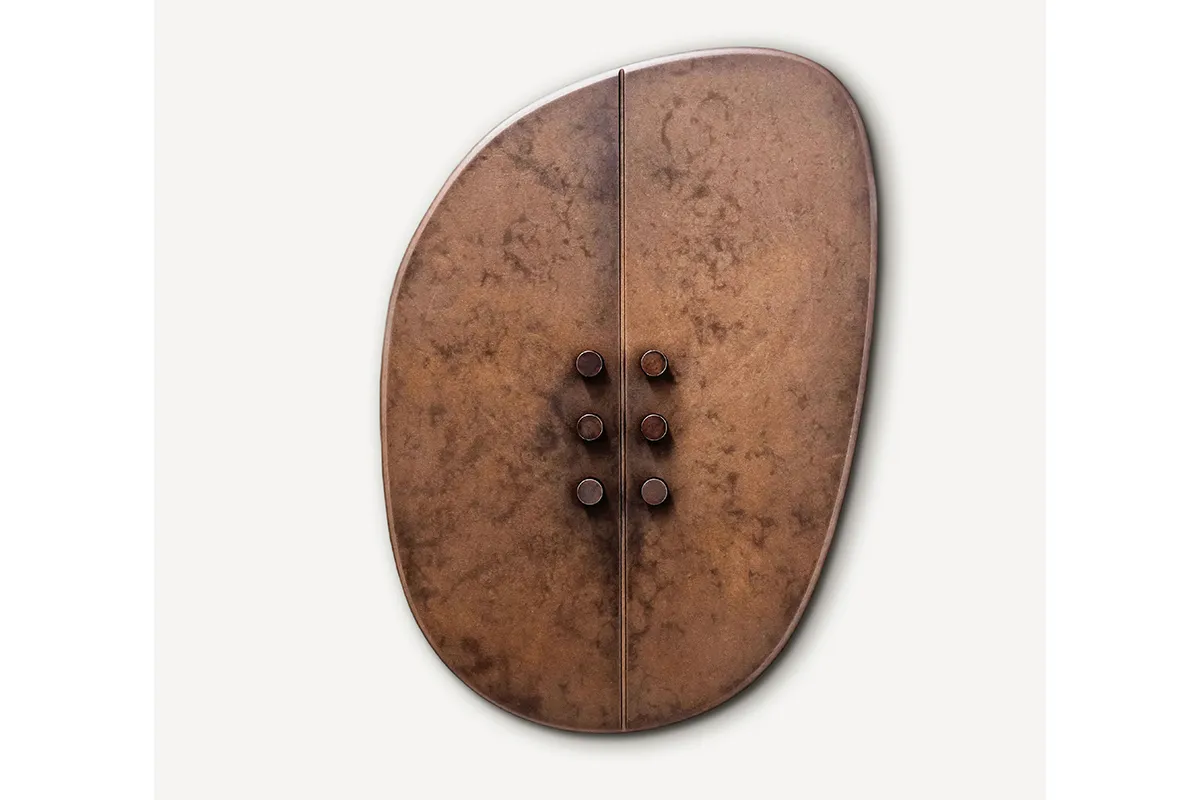
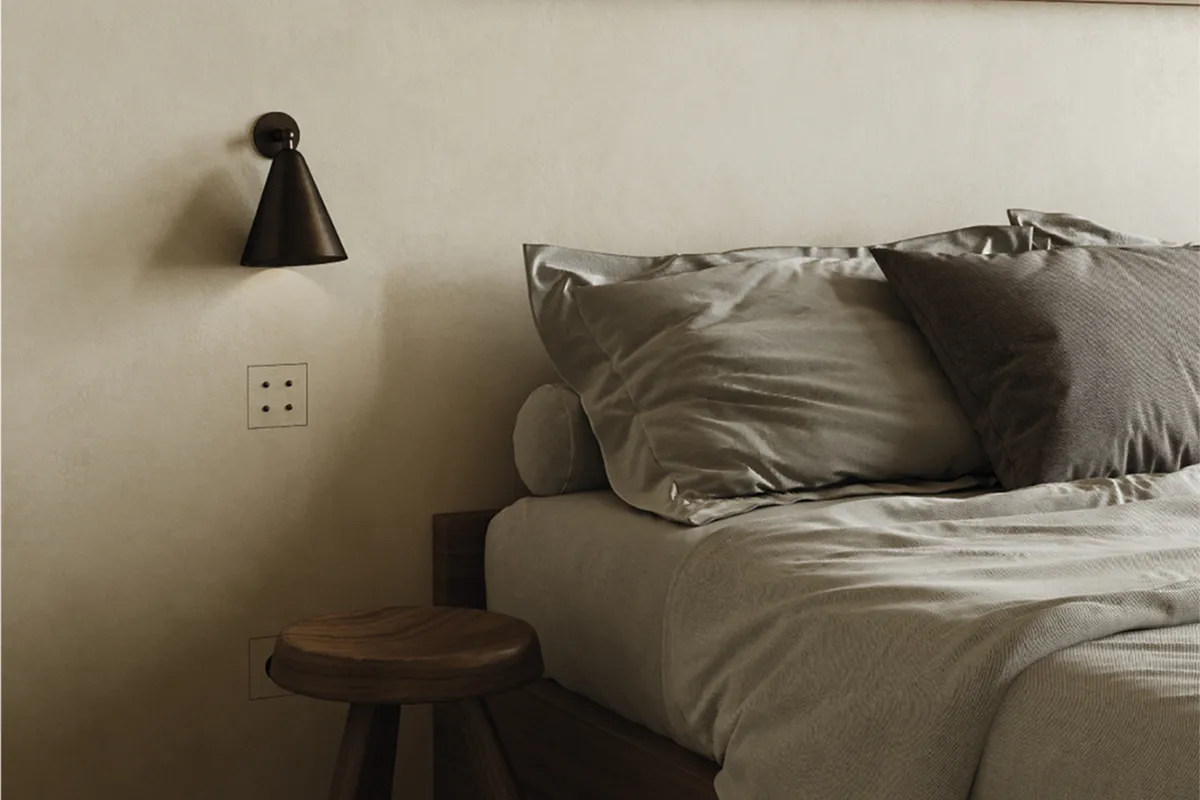
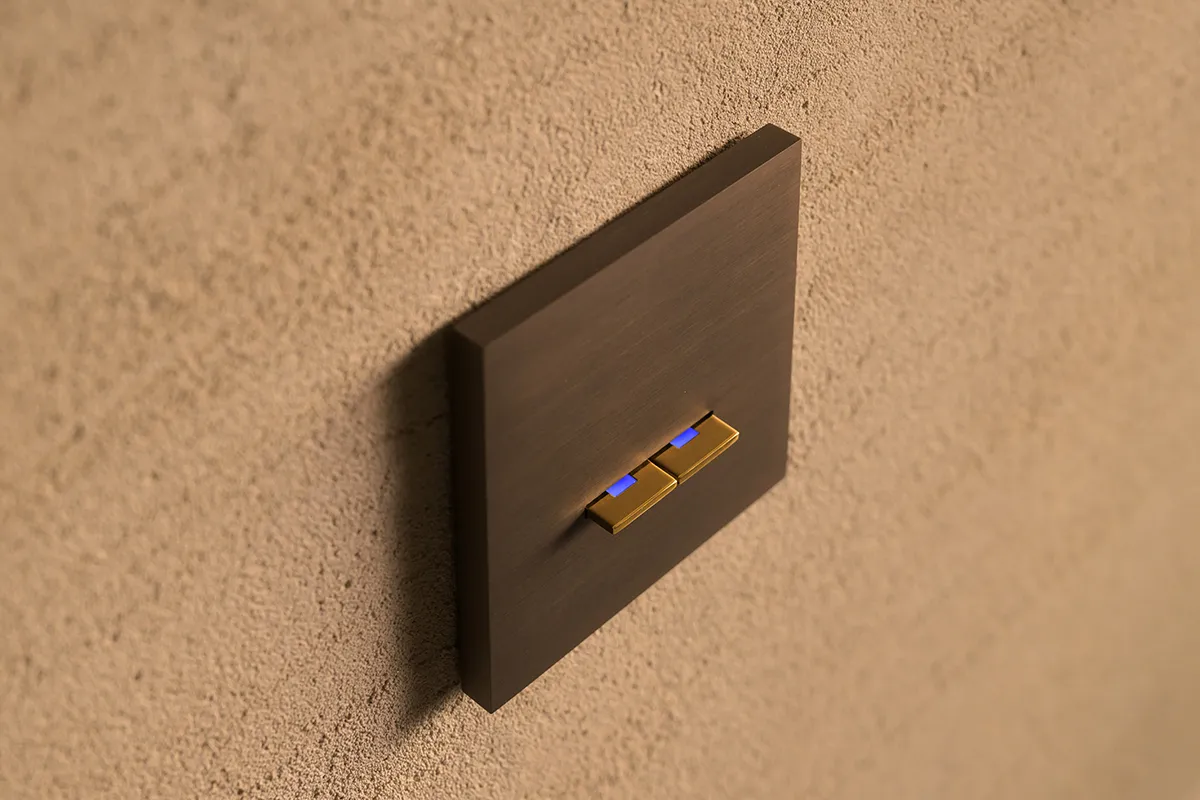
Belgium is brimming with talent in the field of switches. Some designs make a statement, while others exemplify understated elegance. The latter category includes the new MATA switch collection by Sumum, which promptly won a Red Dot Design Award 2024. The range is made from brass and available in various finishes. Designed by Studio STRAF, it embraces a minimalist aesthetic that sits beautifully in contemporary interiors. The bullet-shaped push-buttons are deliberately simple, with a strong focus on form, material and a warm, natural look. Also Belgian and distinctive is Basalte, with products such as the Chopin switch, which is operated like a piano key: intuitively and with a light touch. Atelier Luxus, meanwhile, combines craftsmanship with aesthetics. Its solid brass switches are available in 24 standard patinas. The new Bronze Bouchonné finish uses a unique brushing technique to add extra depth to the surface. Also new is the Pablo switch, the first design in the Signature collection, which catches the eye with its sculptural, organic form. A real eye-catcher on the wall.
A subtle statement
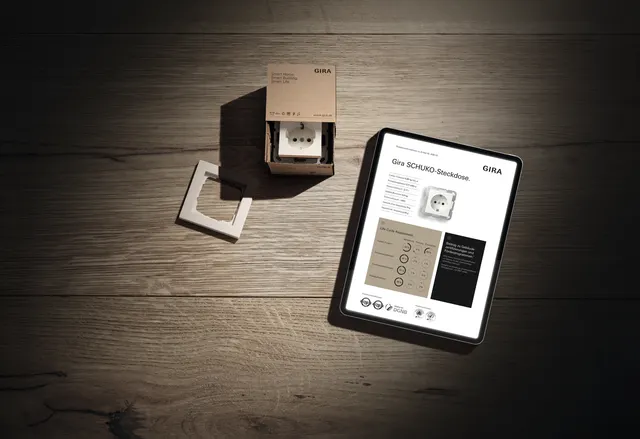
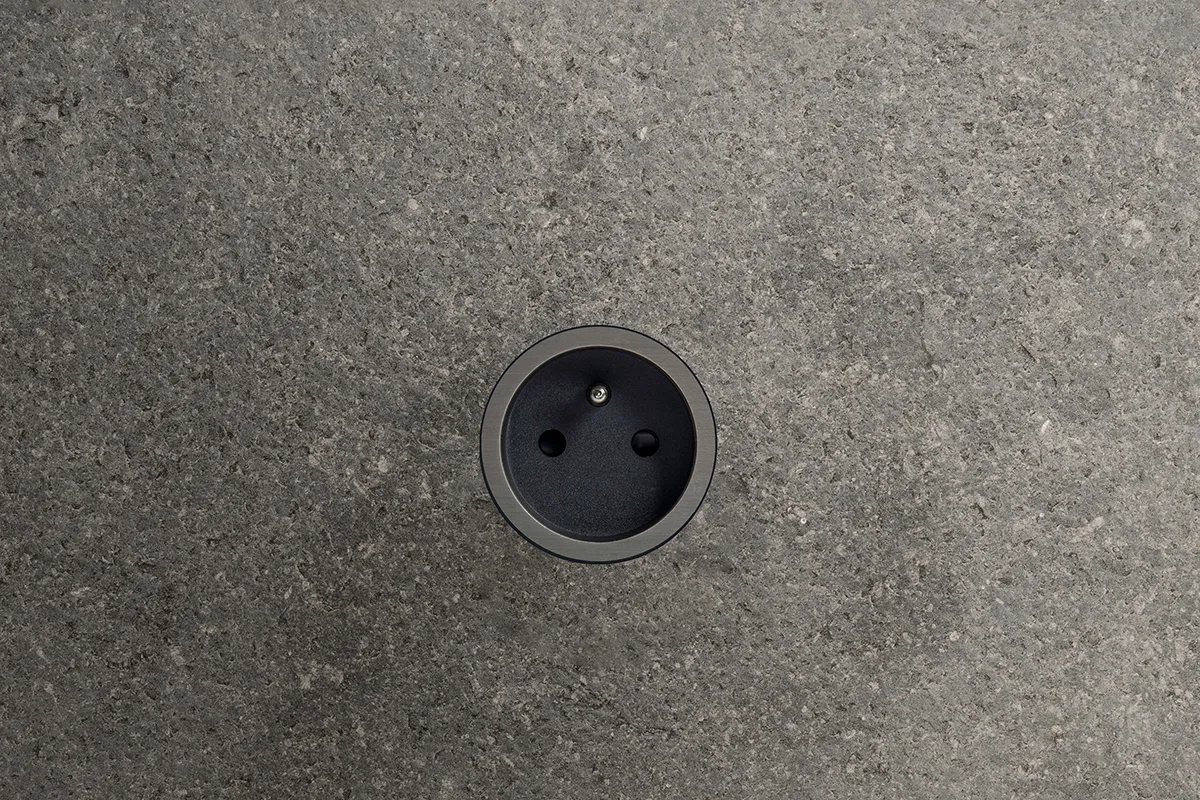
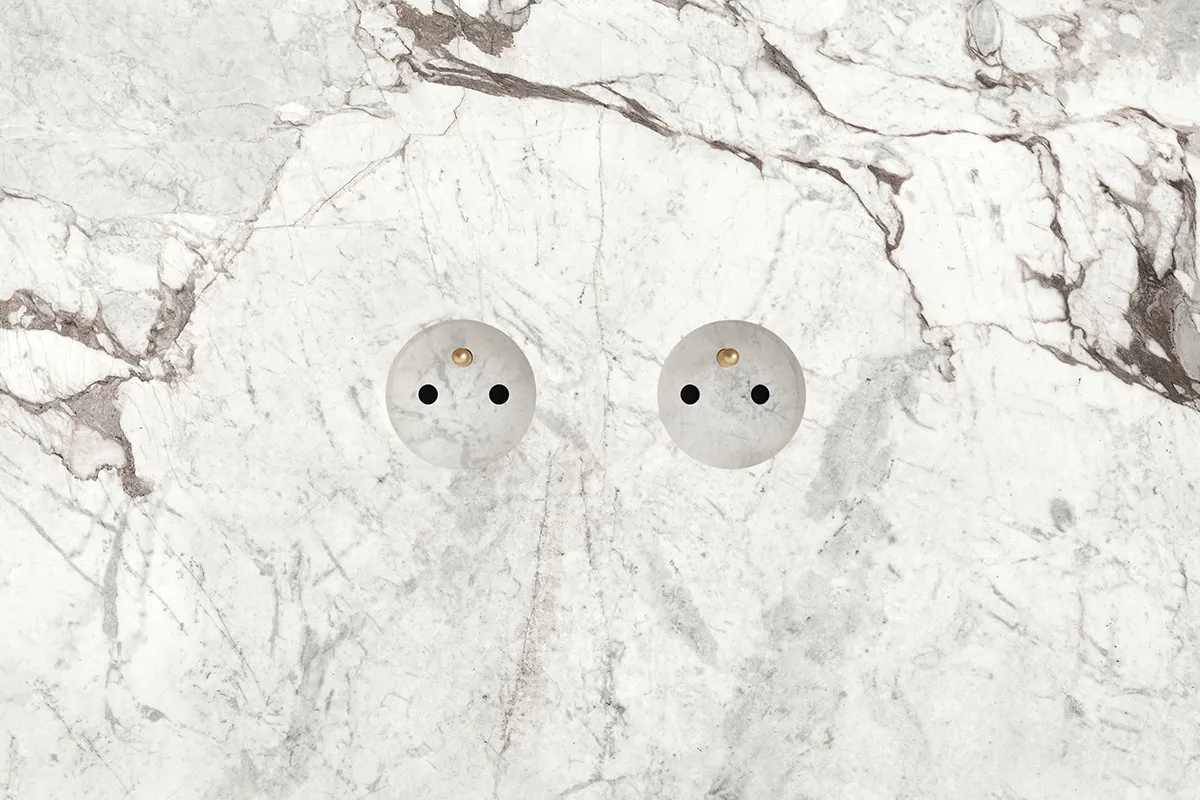
Switches are often accompanied by matching sockets. As for sockets themselves, there are plenty more Belgian innovations with architectural merit to report. Discreet integration into the wall is always a key consideration. Visible V has introduced the new Socket Paintable cover plate, which can easily be painted to match the wall. Also new and Belgian is the minimalist unifit series by rond by prado, recently honoured with a Red Dot Design 2024 award. This ultra-compact, all-in-one module integrates seamlessly into plaster, wood or stone. Its slim edge and minimalist finish make the socket virtually invisible. Last but not least is Orbis, an innovation by Eronda Woonmode presented at ARCHITECT@WORK. This round socket can be fully integrated into natural stone, ceramic or solid surface. No surface-mounted fittings or frame, just a clean 40-millimetre opening in the surface. Thanks to a magnetic ring, even the inside can be finished in the same material as the wall. The result is a subtle, almost invisible finish that perfectly unites design and technology. What disappears from view is precisely what makes the difference. All this shows how sockets and switches have evolved from functional necessities into thoughtfully designed elements of the interior. They are a strategic tool for architects, allowing them to bring calm or, conversely, expressiveness to a space.
Question about this story? Ask your question
Keep following this
Get an email when a new story is published. No account needed.
- ThemePeople-centred interiors
- SubjectHome automation & lighting