Daylight as an essential part of lighting design
Text Tom RampelberghImage Unsplash
Although we all understand the importance of lighting, too often it is still planned right at the end of the construction process, as the finishing touch to a successful project, so to speak. Isn’t it time we changed this way of thinking? A well-considered lighting plan requires expertise in several other areas, especially when daylight is part of the equation.
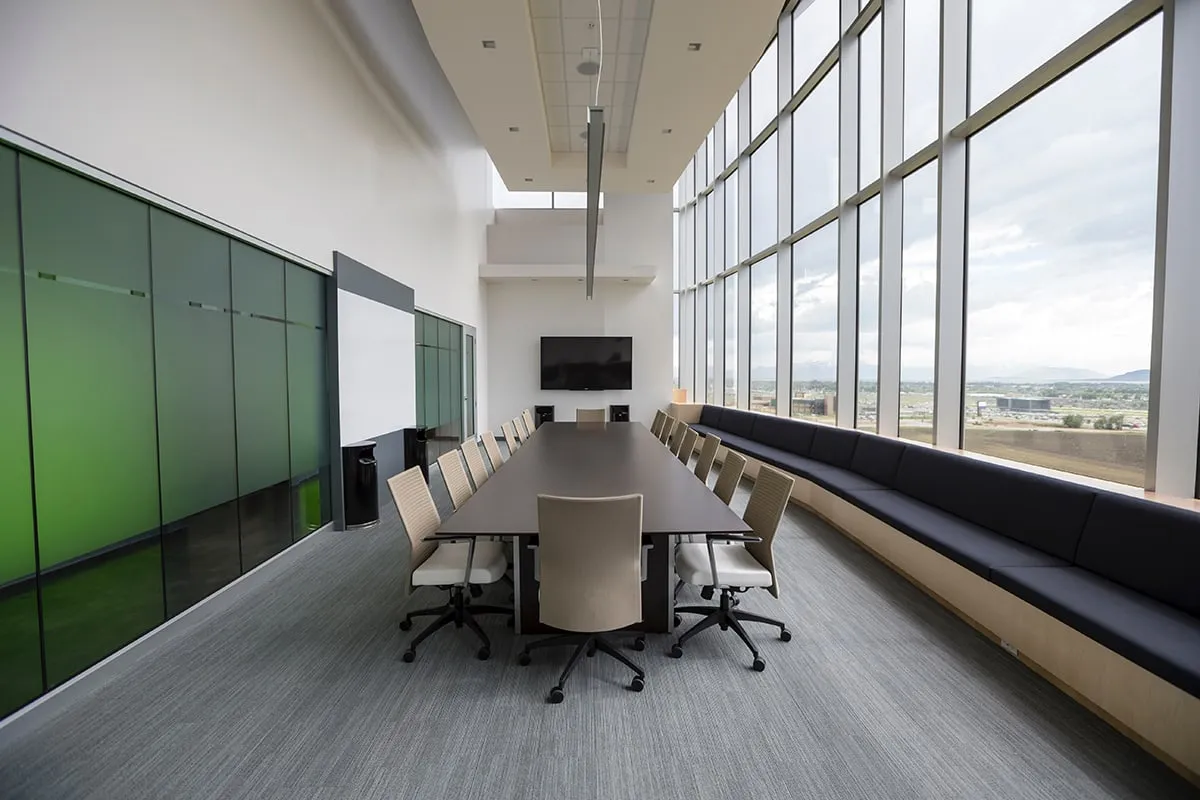
Catherine Lootens, cluster manager at Groen Licht Vlaanderen, gets straight to the point: “Daylight is number one, really. It is the most important factor for human wellbeing and should therefore never be overlooked when designing a lighting scheme. But the advantages of daylight, namely that it is (almost) always available and, moreover, free, are probably also its disadvantages. It is so obvious that it is easily forgotten. What is more, lighting design still focuses too much on legislation and/or meeting standards, even though wellbeing and visual comfort are at least as important. One way to address this? What if, when drawing up the first lighting design, ideally in the very early stages of a construction project, we worked with daylight alone? We would then know its parameters, leaving only artificial light to be added. If things change during construction, all that is needed is to incorporate those changes into the lighting design to keep producing a successful scheme.”
Specialist expertise
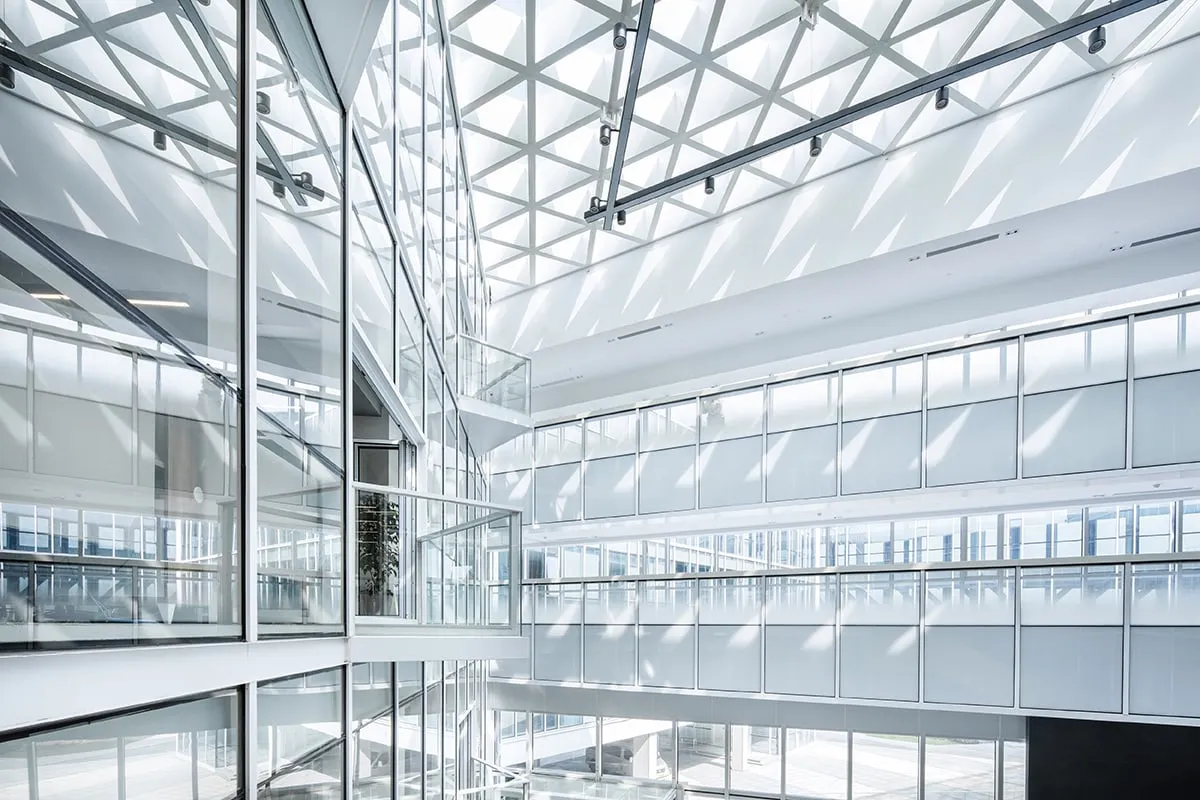
Lootens: “Architects and interior architects have so much information to process today and so many things they need to know about that it can sometimes become too much. There is no shame in calling on a specialist, such as a lighting designer, a daylight expert or an integrator, to help with a lighting design. Someone who specialises in everything happening in the sector today, from changing standards and technological advances to the phasing out of energy-inefficient technologies. We see this division of specialisms in many countries, so why not here?”
No obstacle
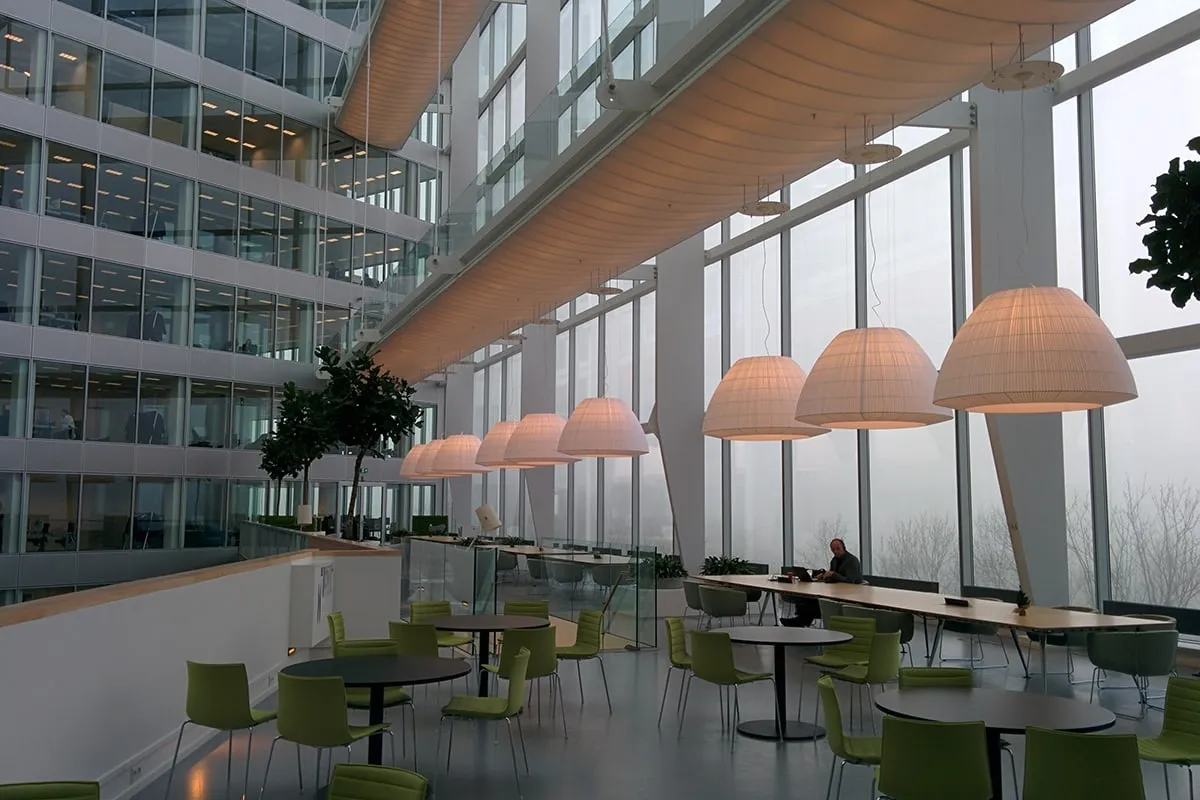
“Don’t let daylight become an obstacle,” says Lootens. “Find partners who can use their expertise to help you integrate daylight more effectively into a lighting design. And that design can certainly be playful, fun and out of the box. These partners know, for example, that the type of window glass plays a very important role. Not all types of glass let in the same amount of light. The interior also affects the need for additional artificial light to support daylight, as does the presence of solar shading. If a control system is used to manage all the building services, it is best to choose one with an open protocol. Smooth communication between the different systems is the key to success.”
Question about this story? Ask your question
Keep following this
Get an email when a new story is published. No account needed.
- ThemeLight and sound as design tools
- SubjectHome automation & lighting