A design process that takes time
Developing a brand-new luminaire takes time. From the first sketch on paper to presenting the finished product, it takes time and hard work. Sometimes it takes a few months, sometimes a little longer. In the specific case of Nala, a newcomer from lighting manufacturer Exterus, much longer.
Nala’s story moves at a brisk pace. Around five years ago, Juri Vannieuwenborgh, managing director of lighting manufacturer Exterus, had a rough idea for using a kind of magnetic system in a lighting fixture. He sat down at the drawing board, made a few sketches and then set them aside for a while. Vannieuwenborgh did not forget his sketches, and last year he picked them up again. The aim was to develop a new luminaire featuring the innovative magnetic system and present it at Architect@Work. He just made it in time.
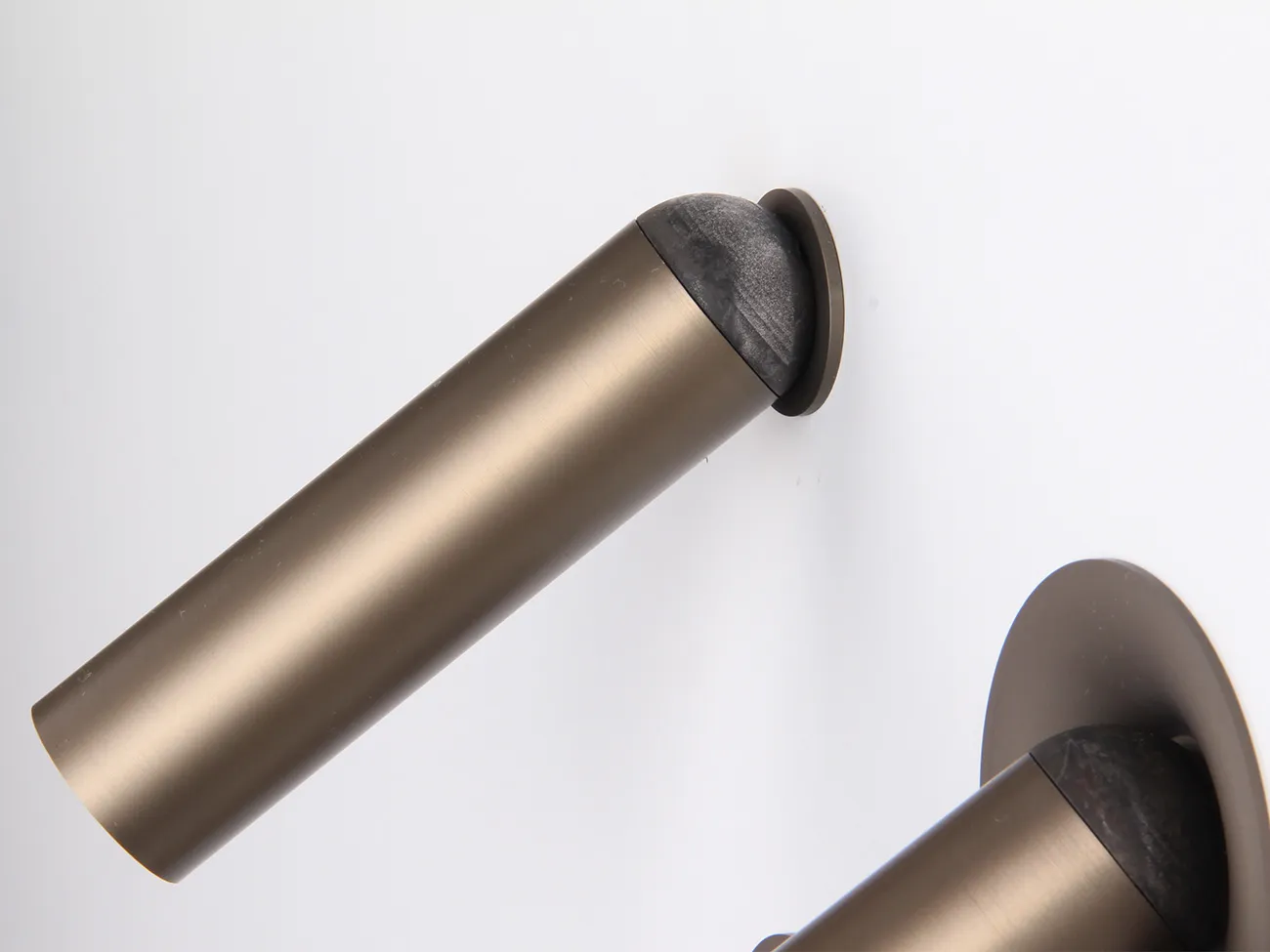
Creative use of magnets
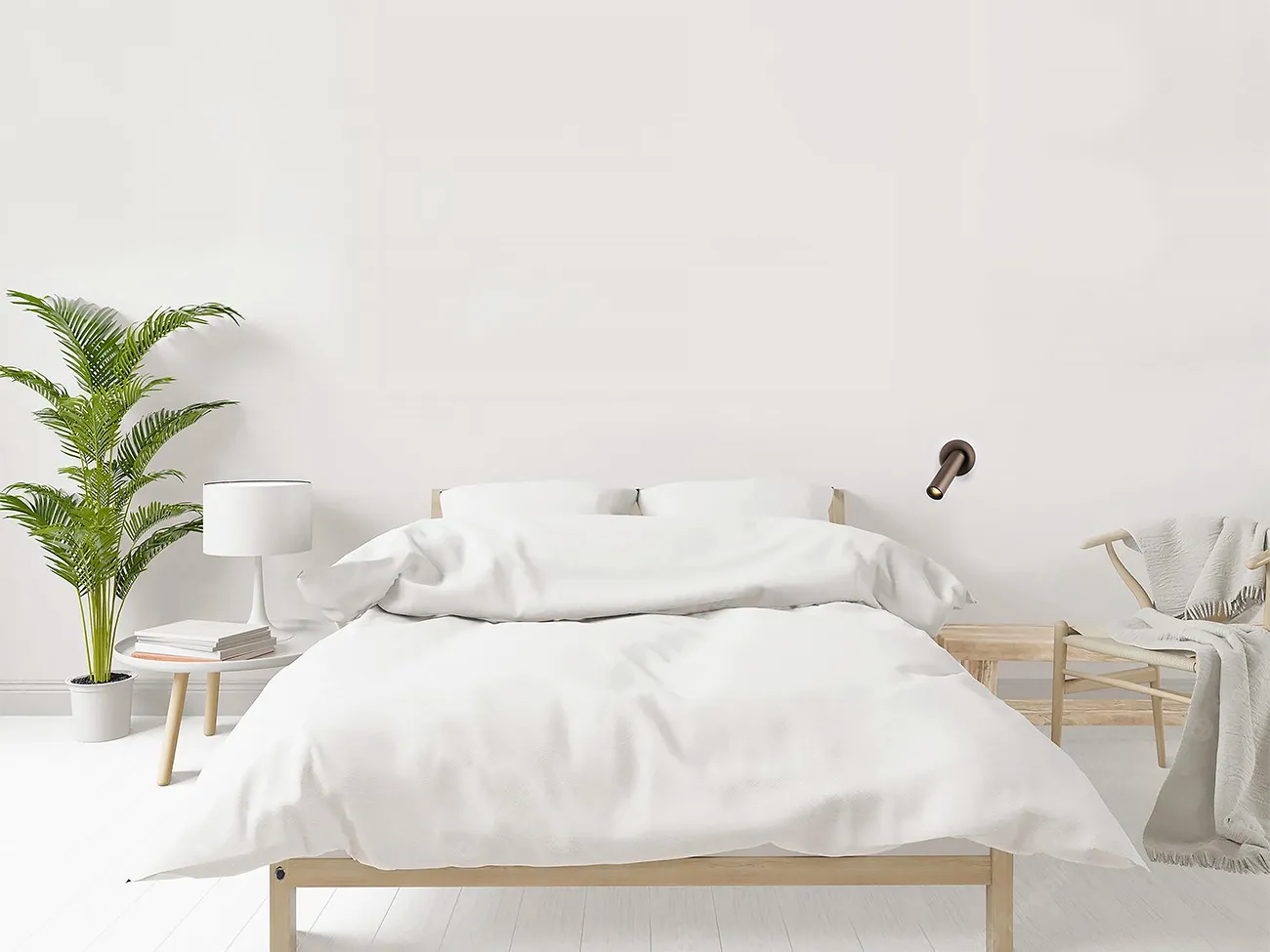
The most striking feature of the Nala spotlight is, of course, the magnetic system that controls its direction. “We’re obviously not going to reveal all the details of how the magnetic system works,” laughs Vannieuwenborgh. “One clear advantage is its flexibility, and the fact that the sleek, straight cylindrical spotlight connects neatly to the rosette magnetically, leaving the rod out of sight.”
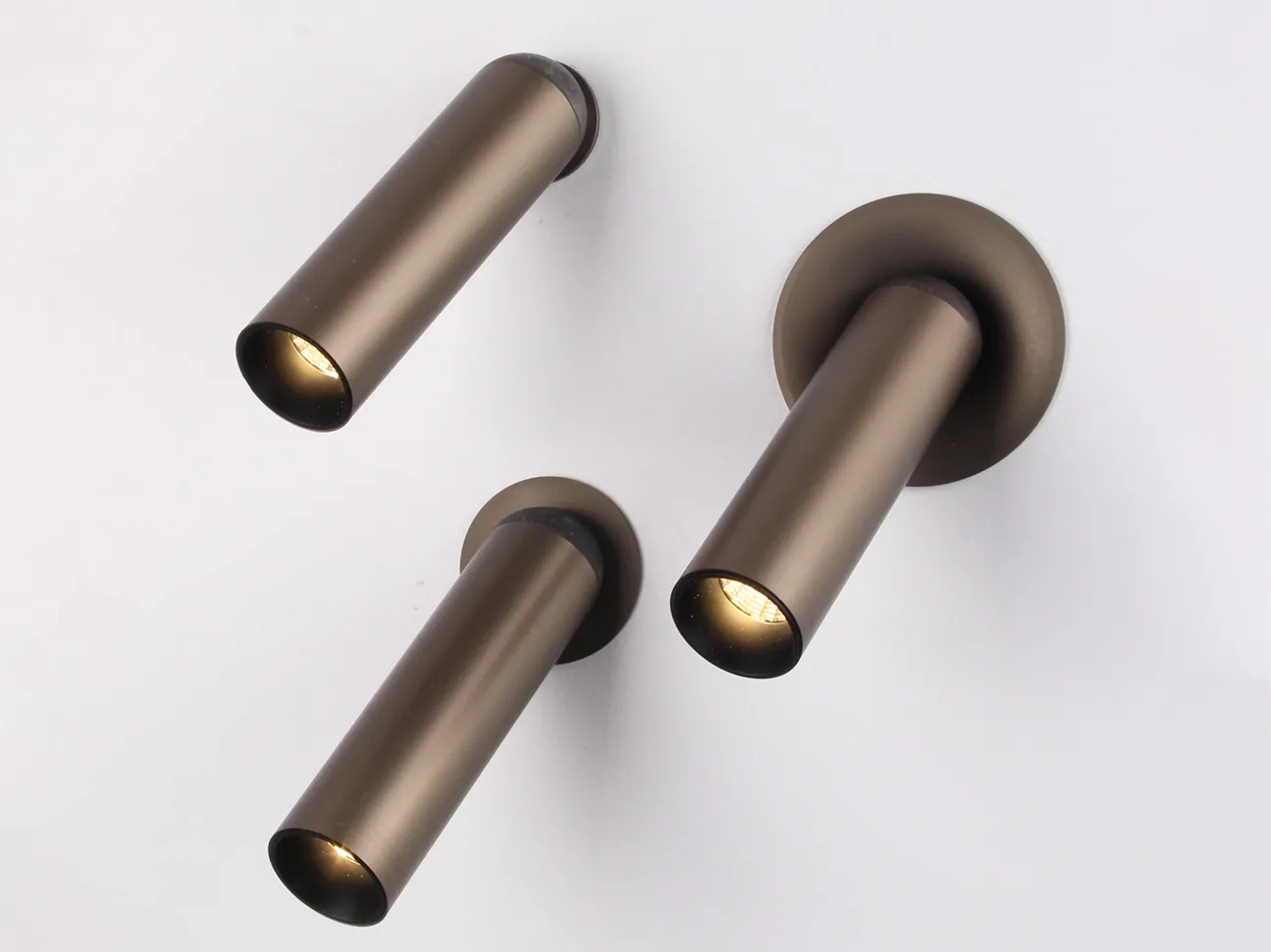
Plenty of options
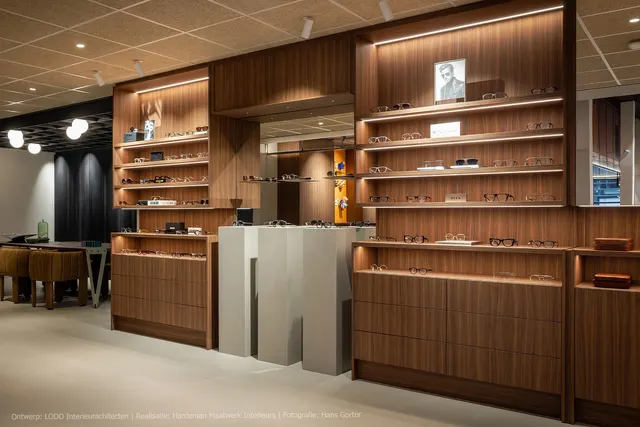
What began as a sketch eventually became a range. “A few elements are the same across all Nala spotlights,” explains Vannieuwenborgh. “Whichever version of Nala you choose, the spotlight is always 40 millimetres in diameter. We also always opt for a 710-lumen COB LED light source with a power consumption of 8.7W. However, there are several choices to make to find the perfect Nala for a project. Purely by chance, but worth mentioning, most of these choices come in three variants. First, Nala is available with three possible cut-out sizes: 35 millimetres for the IM4, 45 millimetres for the IM6 and 80 millimetres for the IM9. For the finish, you can choose from three ‘precious metals’: anodised bronze, champagne and gun metal. The reflectors are available with beam angles of 16 degrees, for highly focused light on a specific spot, 36 degrees or 50 degrees. Add the two available colour temperatures, 2700 and 3000K, and a wide range of projects is within reach. These include residential applications and, for example, accent lighting in a showroom.
Question about this story? Ask your question
Keep following this
Get an email when a new story is published. No account needed.
- ThemeLight and sound as design tools
- SubjectInteriors