Office construction & interiors
Building with health and wellbeing in mind
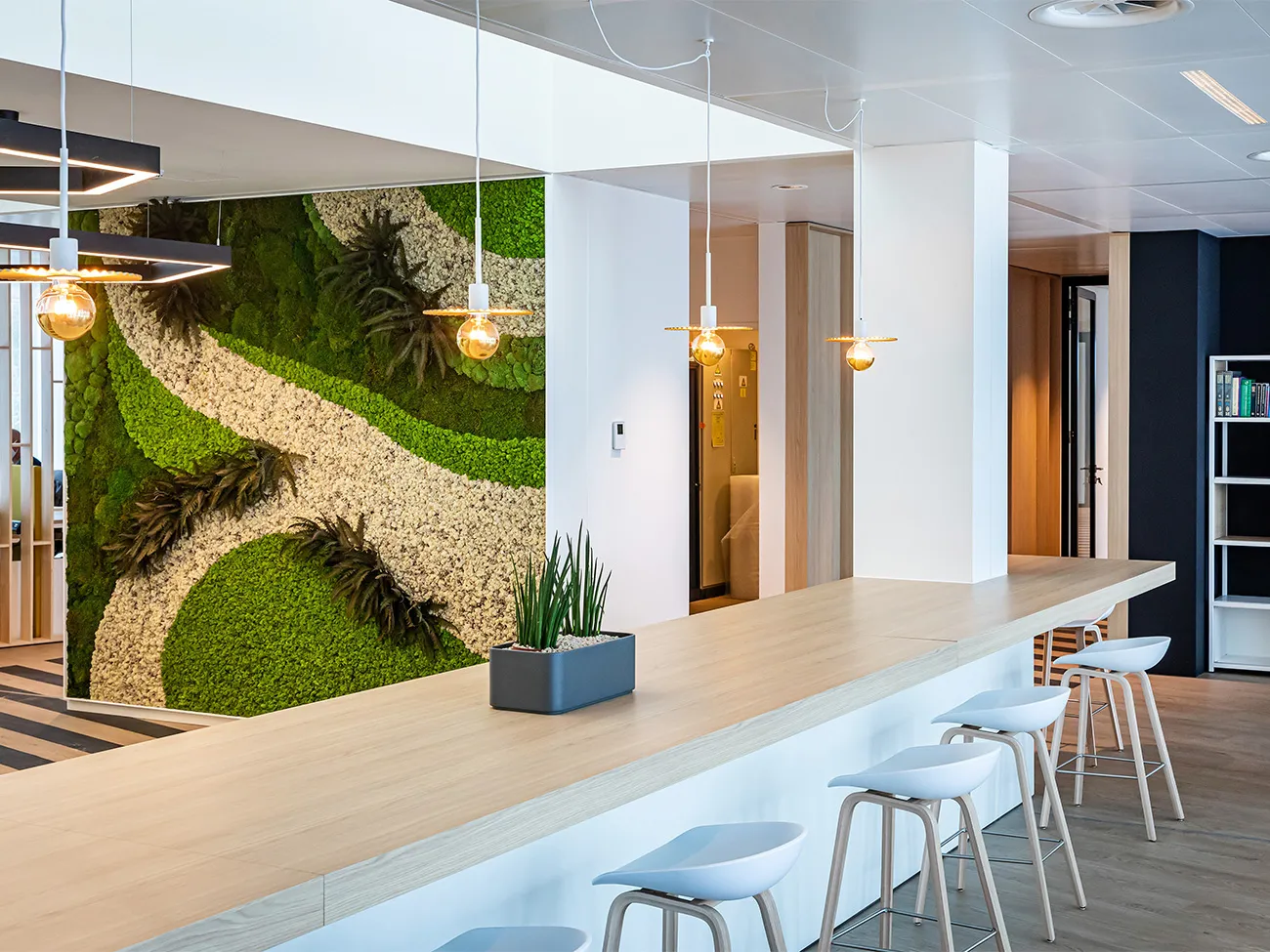
More and more business owners are convinced that people, rather than the building itself, are the company’s most important asset. Alongside sustainability, there is therefore growing attention, in both new-build and renovation projects, to the wellbeing and health of building users. What gets measured gets managed, and a standard with a meticulously developed set of guidelines has been created for this purpose: the WELL Building Standard.
Alongside LEED and BREAAM, American and European certification systems respectively that focus on the sustainability of buildings, the WELL Building Standard is also steadily gaining ground. WELL is a kind of quality label issued by the American International WELL Building Institute (IWBI), indicating how a building contributes to the health and wellbeing of people and its users. It is ideally suited to office buildings, but the standard can just as readily be applied to industrial buildings, retail, healthcare facilities, hospitality and other buildings.
What is WELL?
What exactly does WELL certification involve? We asked Gerrit De Smet, project manager for sustainable construction and WELL AP, short for ‘accredited professional’. Together with his colleagues at IDEWE, he guides design and construction teams in areas including translating WELL ambitions into practice, refining the design, overseeing the construction process and ultimately obtaining WELL certification. Gerrit De Smet: “WELL doesn’t stop once you’ve obtained the certificate. You have to keep earning it, so to speak, during the building’s operation too. The performance requirements for all aspects of the WELL Building Standard are subject to ongoing monitoring. WELL is not just about design features; policy factors also play a part. Designing a staff canteen with wellbeing in mind is one thing, but the ingredients used in the cooking matter too.” The WELL Building Standard comprises a total of seven hundred scientifically substantiated criteria, divided across eleven WELL concepts. It is a highly detailed list offering practical guidance. Some criteria are mandatory, while others are optional and determine whether a project achieves WELL Bronze, Silver, Gold or Platinum.
The categories
The WELL categories, in brief: Air, Water, Nourishment, Light, Movement, Thermal Comfort, Sound, Materials, Mind, Community and, finally, Innovation as an additional category. While some concepts are more or less self-explanatory, others call for further explanation. Movement, for example. Gerrit De Smet: “This doesn’t just mean providing a space for exercise. It can also mean subtly encouraging people to take the stairs through nudging, by making them an attractive feature of the design and dressing them up. Ergonomic workstations are also an obvious part of it.” The Mind concept focuses on mental wellbeing, while the Community concept builds a culture of health, for example by regularly consulting all building users,” Gerrit De Smet adds. “The design must also take inclusion and accessibility into account. These themes are therefore reflected not only in policy, but also in design requirements.”
Why WELL?
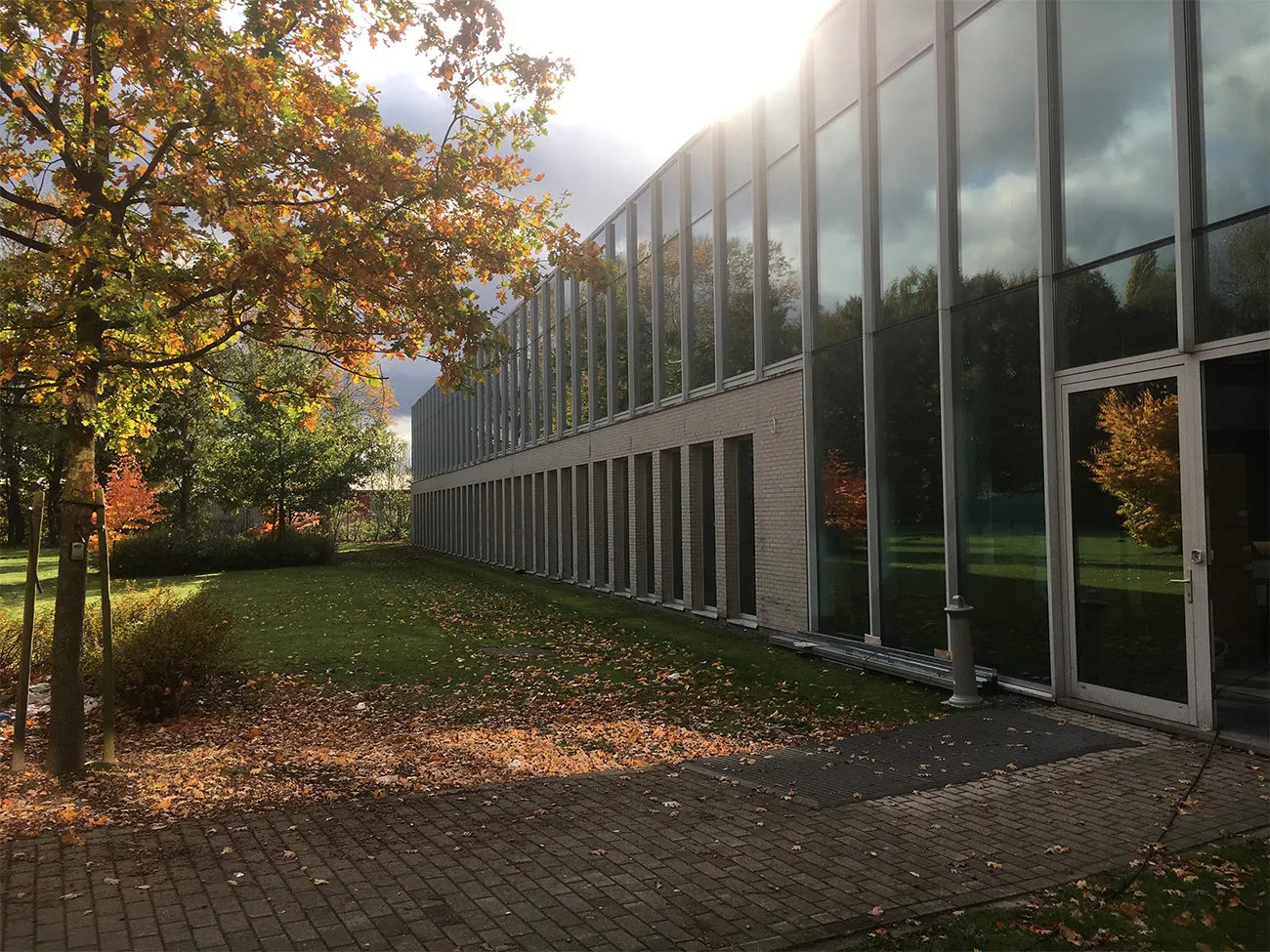
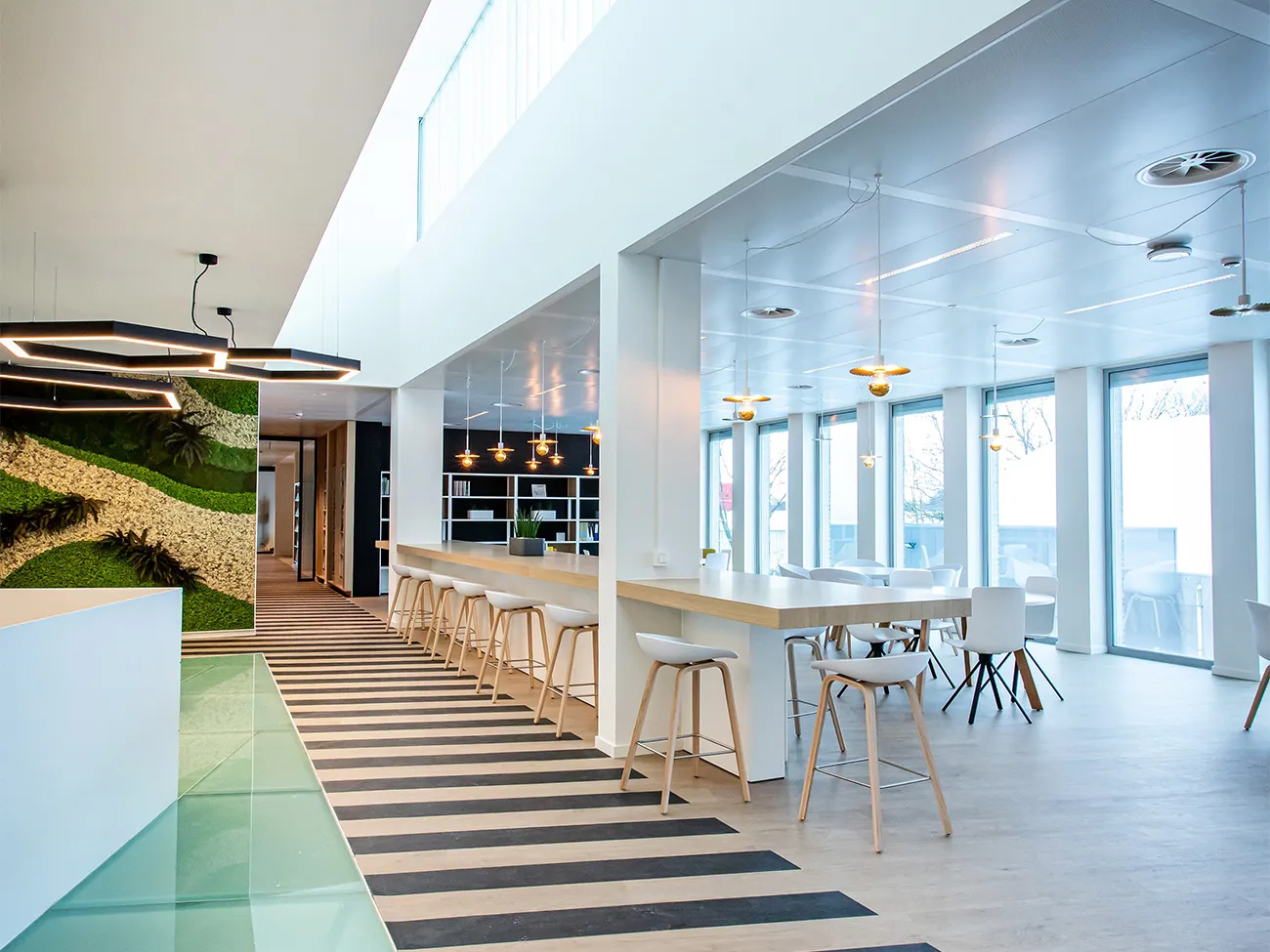
The benefits of WELL? Happy employees are the key to success. Especially now, with the war for talent in full swing, companies want to attract employees and, above all, retain them. Healthy, motivated and satisfied employees mean less absenteeism and, consequently, greater productivity. “WELL undoubtedly gives employer branding a positive boost and also enhances the company’s overall image. It also adds value to the building and makes it easier to let,” says Gerrit De Smet. It is worth noting that both new-build and renovated properties are eligible for WELL. IDEWE Turnhout recently moved into a renovated office building which is currently in the final phase of obtaining WELL certification, in keeping with the motto ‘practise what you preach’.
Question about this story? Ask your question
Keep following this
Get an email when a new story is published. No account needed.
- SubjectOffice construction & interiors