Buildings become systems, not a sum of technologies
Text and images Light + Building 2026
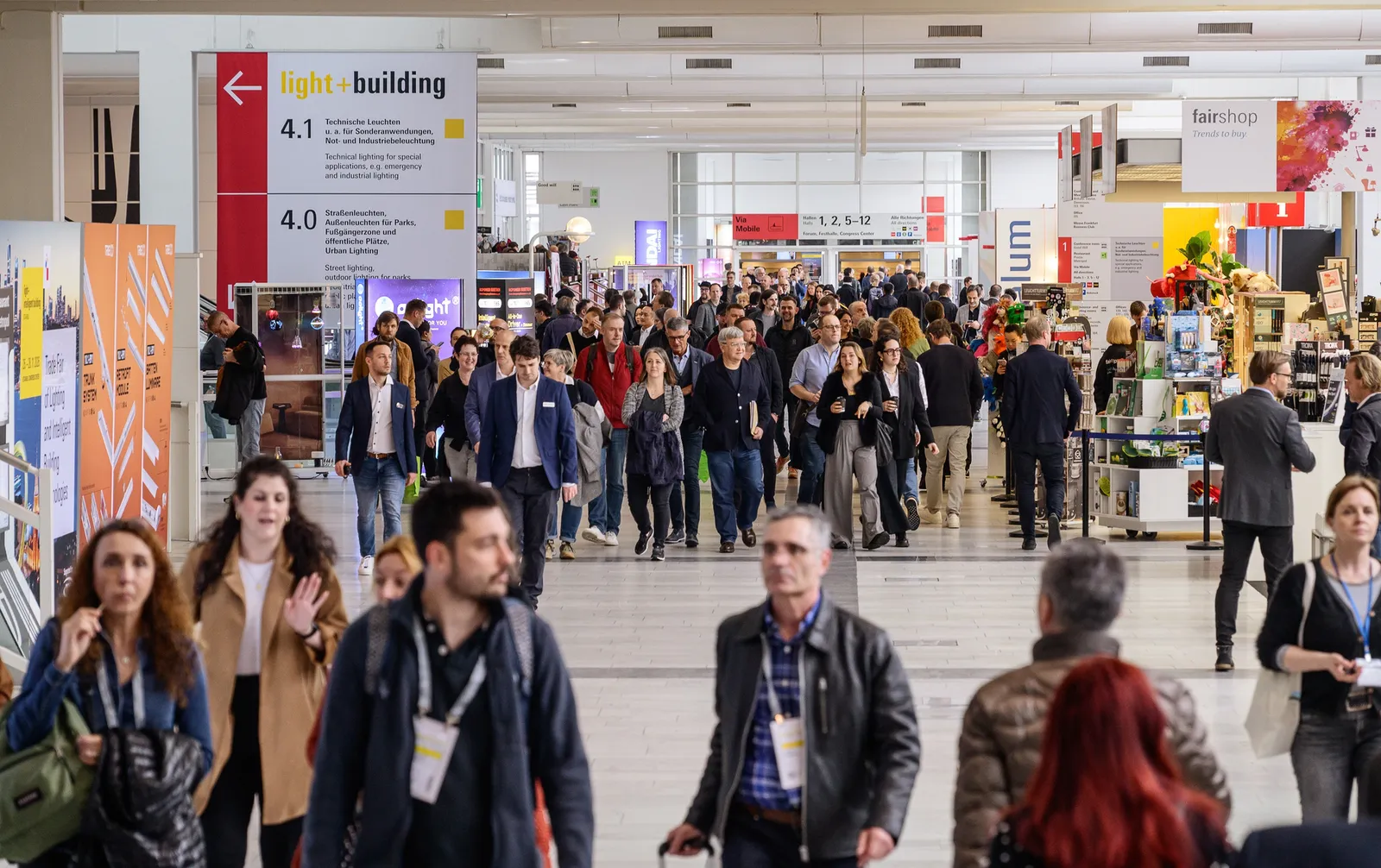
Light + Building 2026 confirms the breakthrough of intelligent, integrated buildings
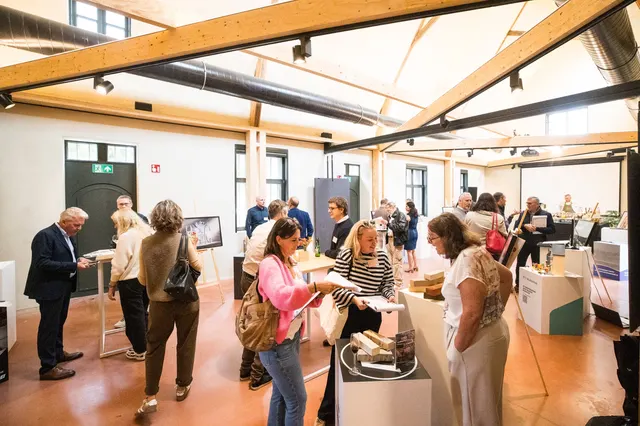
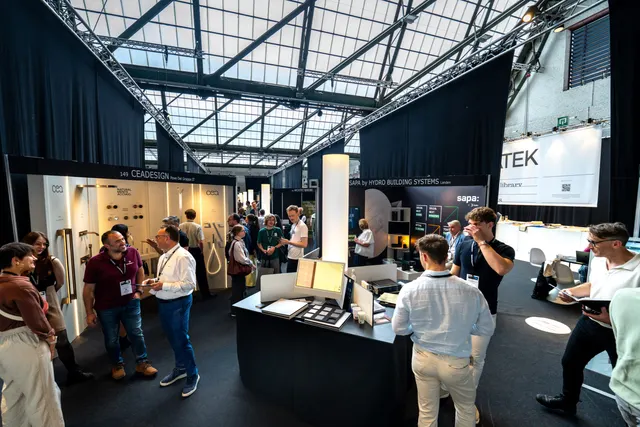
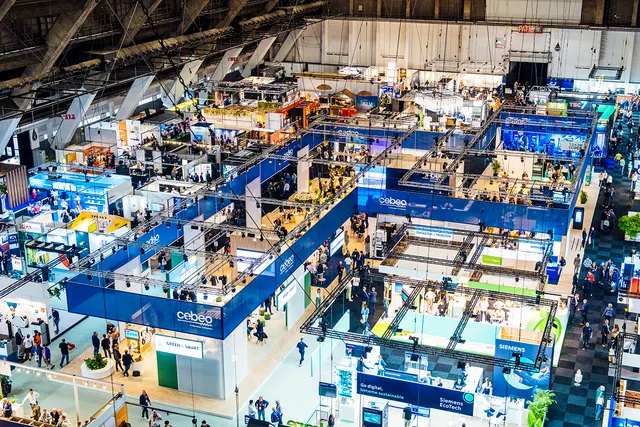
With almost 2,000 exhibitors and more than 140,000 visitors, Light + Building 2026 in Frankfurt once again confirmed its position as the global platform of reference for lighting and building technology. Held from 8 to 13 March, the trade fair showcased a sector in the midst of a major transition towards an integrated ecosystem that brings energy, digitalisation and design together.
A total of 1,927 exhibitors from 49 countries took part, attracting 144,767 visitors from 143 countries. Despite geopolitical tensions and disruption to international air travel, the fair remained firmly rooted in Europe, reaffirming its international reach and relevance. In addition, 95 per cent of visitors said they were satisfied and had achieved their objectives.
Buildings as active components of the energy system
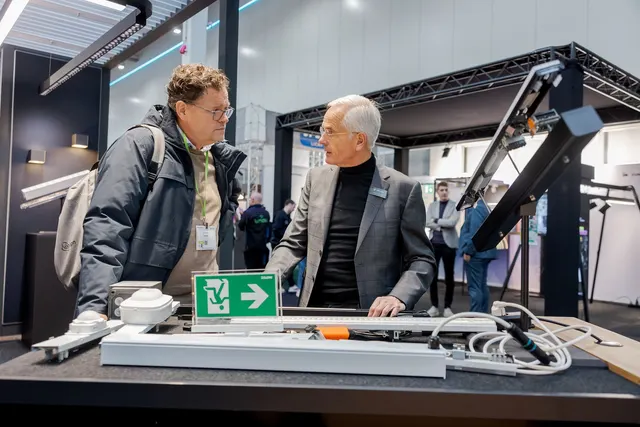
One of the key trends at the fair was the shift from buildings as passive energy consumers to active components of an intelligent energy system. Smart energy distribution, integrated load and charging management, and bidirectional charging are bringing buildings into ever closer connection with the electricity grid and e-mobility. This opens up new opportunities for energy efficiency and grid stability.
There is also a clear shift in focus towards the existing building stock. Modular and scalable solutions make energy upgrades and renovations more efficient and economically viable. Digital planning and management tools, combined with multifunctional interfaces, simplify both installation and use, helping to create flexible, future-proof buildings.
Digitalisation, electrification and AI drive innovation
The sector is now being driven to a large extent by electrification and digitalisation, with artificial intelligence acting as a catalyst. AI applications make it possible to manage buildings more intelligently, optimise energy consumption and develop new business models.
At the fair, this was evident in applications involving connected building technologies, smart interfaces and advanced energy systems. The focus is shifting from individual systems to integrated solutions centred on data, energy and use.
Lighting evolves into an intelligent, experience-led system
A clear evolution is also under way in the lighting sector. Lighting is moving from a static feature to an adaptive, data-driven system. Sensors, connected luminaires and AI-controlled systems enable precise, demand-led light distribution tailored to occupancy, daylight and usage scenarios. This flexibility is relevant to a wide range of applications, from residential projects to retail, hospitality and urban infrastructure.
At the same time, light remains an essential design element in architecture and interiors. New luminaires, materials and light colours enhance spatial experience, aid orientation and improve comfort. The focus on sustainable materials and circular design also underscores the sector’s long-term vision.
Design and knowledge sharing reinforce architectural relevance
Design also played a prominent role alongside technology. The Design Plaza showcased current developments in lighting design and architectural applications, while initiatives such as The Living Light highlighted the impact of lighting on living, working and wellbeing. Artificial intelligence also took centre stage, including at the AI Lounge, where real-world case studies demonstrated how digital tools are transforming the design and management of buildings. With a focus on young talent, including through the ‘Young Design’ programme, Light + Building also reaffirmed its role as an incubator for new ideas and innovative approaches to design.
Towards an integrated, future-proof built environment
The central theme running through Light + Building 2026 is clear: the built environment is evolving into an integrated system in which energy, technology and design are inextricably linked. Buildings are becoming smarter, more flexible and more interactive, while lighting is becoming an intelligent, emotionally evocative part of architecture. The challenge for architects and designers is no longer to apply individual technologies, but to integrate them into coherent, sustainable and future-proof solutions.
Question about this story? Ask your question
Keep following this
Get an email when a new story is published. No account needed.
- SubjectEvents