A clear view of sustainable windows
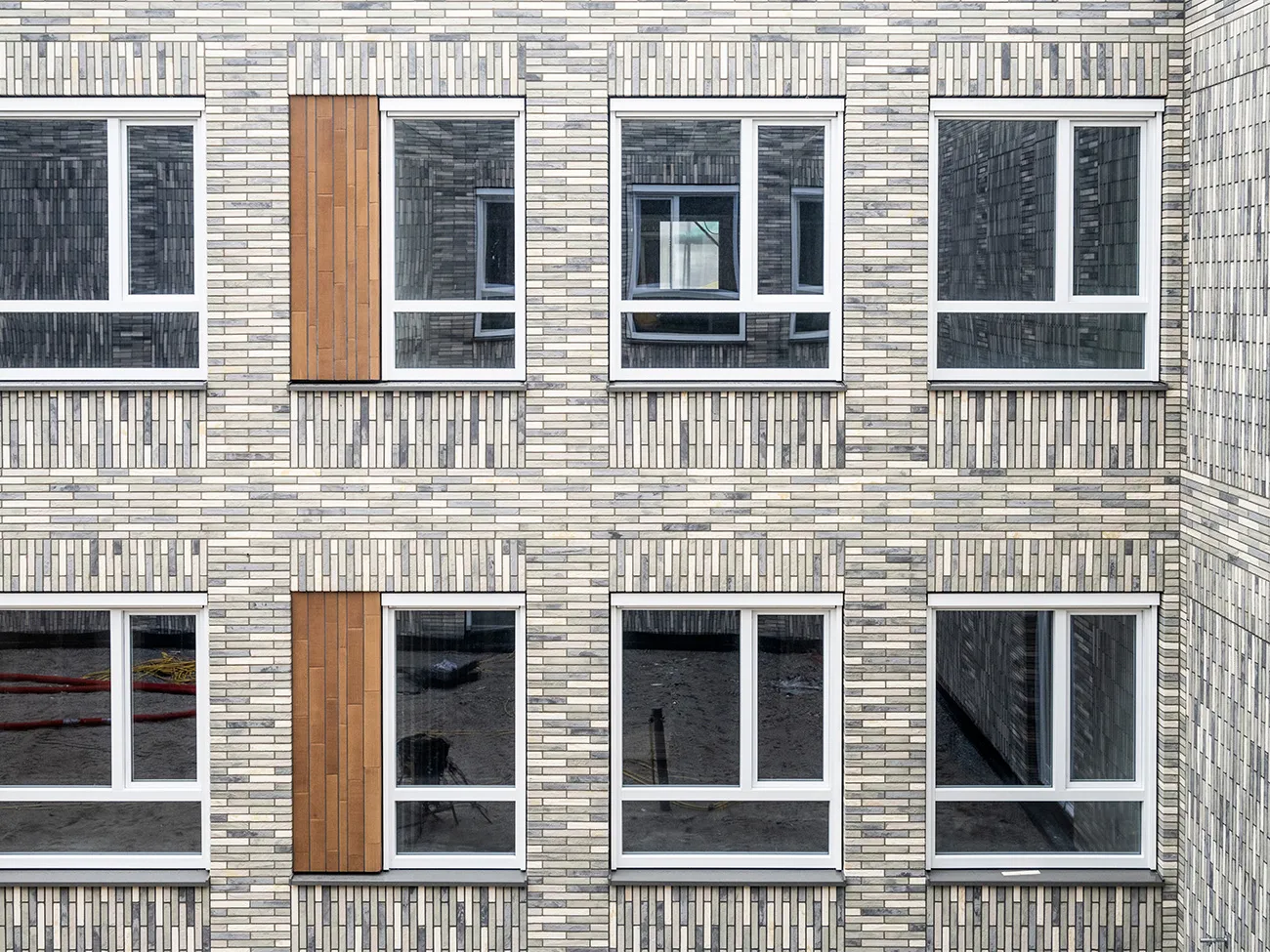
Windows and their associated glazing are expected to do a lot these days. Architects face the same challenge time and again: which window is best suited to which project, taking into account the requirements, including circularity, and the budget? Here are some of the trends.
How do you choose the right window? First, there are the requirements for thermal and acoustic insulation. Then there are requirements for security against break-ins, wind resistance and light transmission. And, of course, there is aesthetics, with a growing preference for ever slimmer profiles. Last but not least, circularity is becoming increasingly important. Manufacturers are now offering suitable solutions in this area too.
WTCB FENESTRio tool
First, a useful online tool developed by WTCB, short for Wetenschappelijk en Technisch Centrum voor het Bouwbedrijf (Scientific and Technical Centre for the Building Industry). Launched last year, FENESTRio enables architects, contractors and other construction professionals to determine the recommended performance levels for windows and their infill panels in accordance with standard NBN B 25-002-1. This includes determining the recommended performance levels for air and water tightness, wind resistance and the impact resistance of infill panels. If the windows contain glazed infill panels, the application can also be used to determine the glass breakage type in accordance with standard NBN S 23-002. This easy-to-use tool is available on the WTCB website and can be accessed on a PC, tablet or smartphone. Once you enter a few details, the application does the calculations. It asks for the building’s postcode to determine the reference wind speed, as well as the terrain category, the building’s reference height, whether or not it has air conditioning, and whether it is protected against rainwater runoff. The results can be used to propose the most suitable window system for the construction project. A useful, accessible tool.
Sustainability and circularity
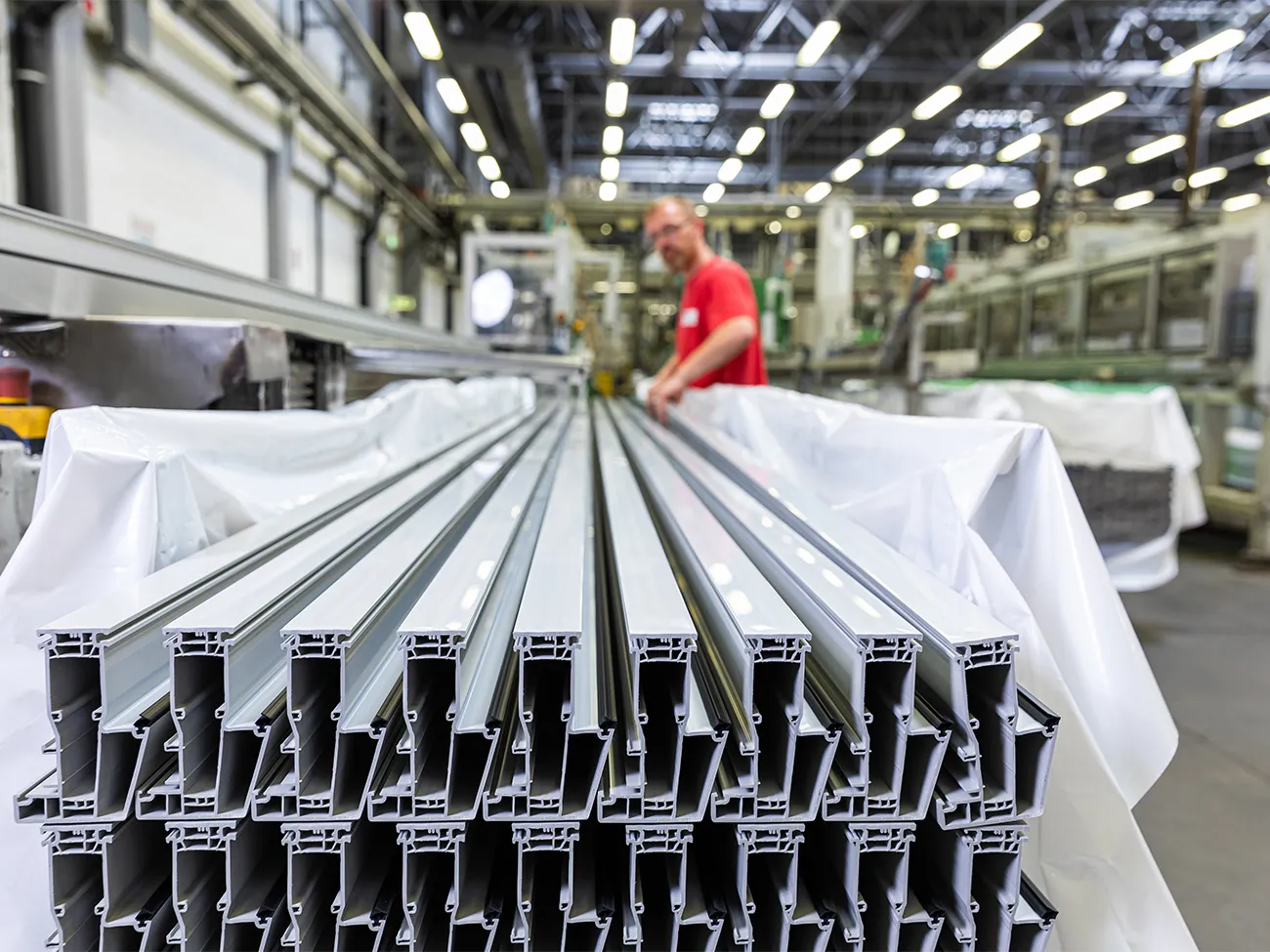
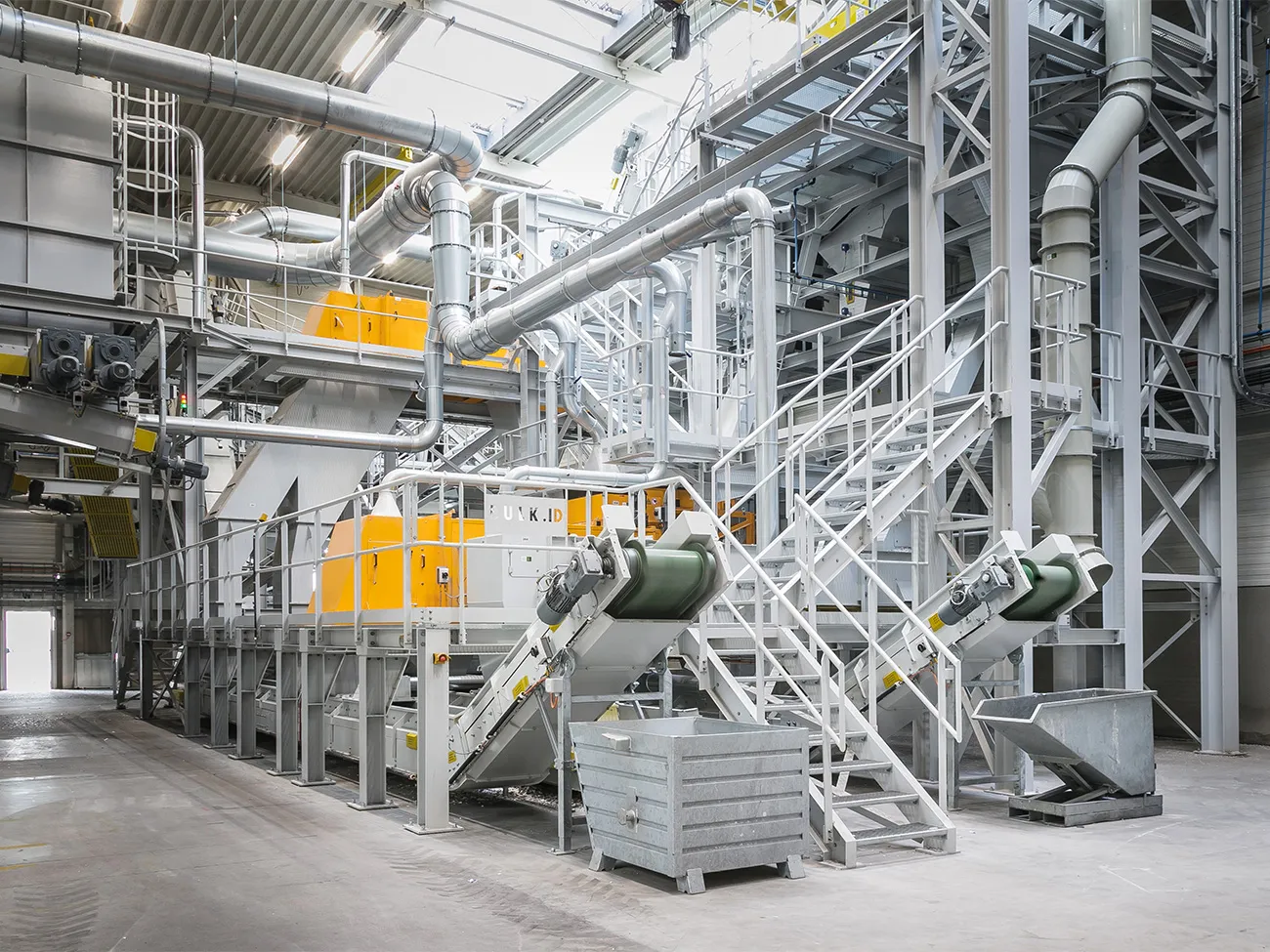
Sustainability, with a particular focus on circularity, is clearly a very topical issue. With ReFrame, Kömmerling, the PVC window and door brand of German Profine Group, has launched a profile made entirely from recycled PVC. In practical terms, old windows are turned into PVC granulate and extruded into new window and door profiles, without compromising technical or aesthetic qualities. Deceuninck is also making significant efforts in circular construction. The Belgian manufacturer has been using recycled plastic in its profiles for years, but Phoenix is its first range made from 100 per cent recycled plastic. With the Phoenix range, Deceuninck is focusing in particular on the evolving project market, where circularity is rapidly gaining ground. “At Deceuninck, we started recycling back in 2012. We then commissioned a high-tech recycling line at our compounding site in Diksmuide,” says Tom Driessens, Materials & Sustainability Business Manager at Deceuninck. “In 2018, we quadrupled our recycling capacity to 45,000 tonnes of plastic. That means 2.3 million windows are no longer sent to landfill or incinerated each year.
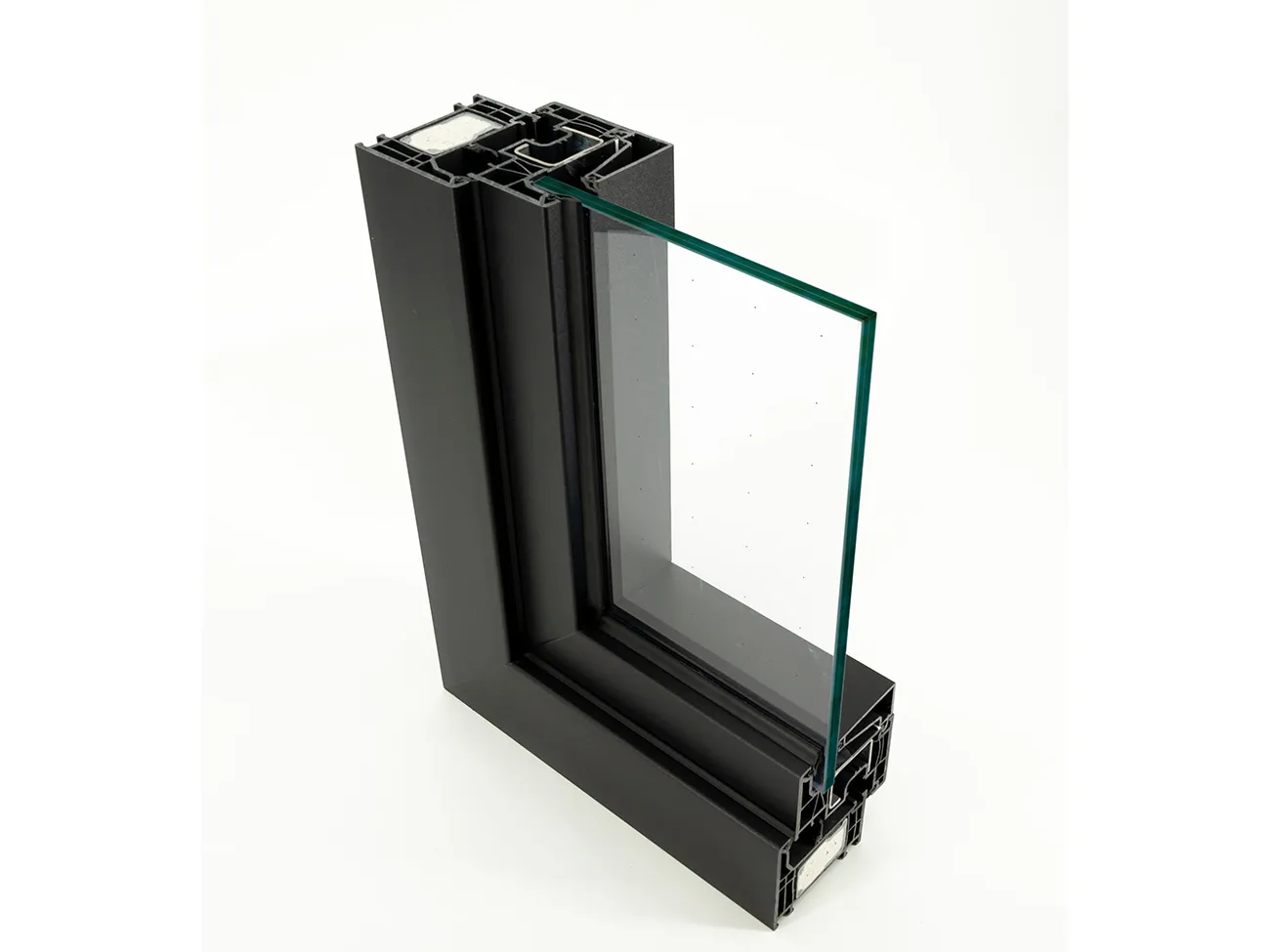
These efforts mean Deceuninck is prepared for future requirements in the construction sector, as using the maximum possible proportion of recycled material becomes the norm.” Deceuninck selected the minimalist Infinity design from the Elegant range for the Phoenix line. Circular plastic profiles with a contemporary look, ready for a sustainable future.
Slim and elegant
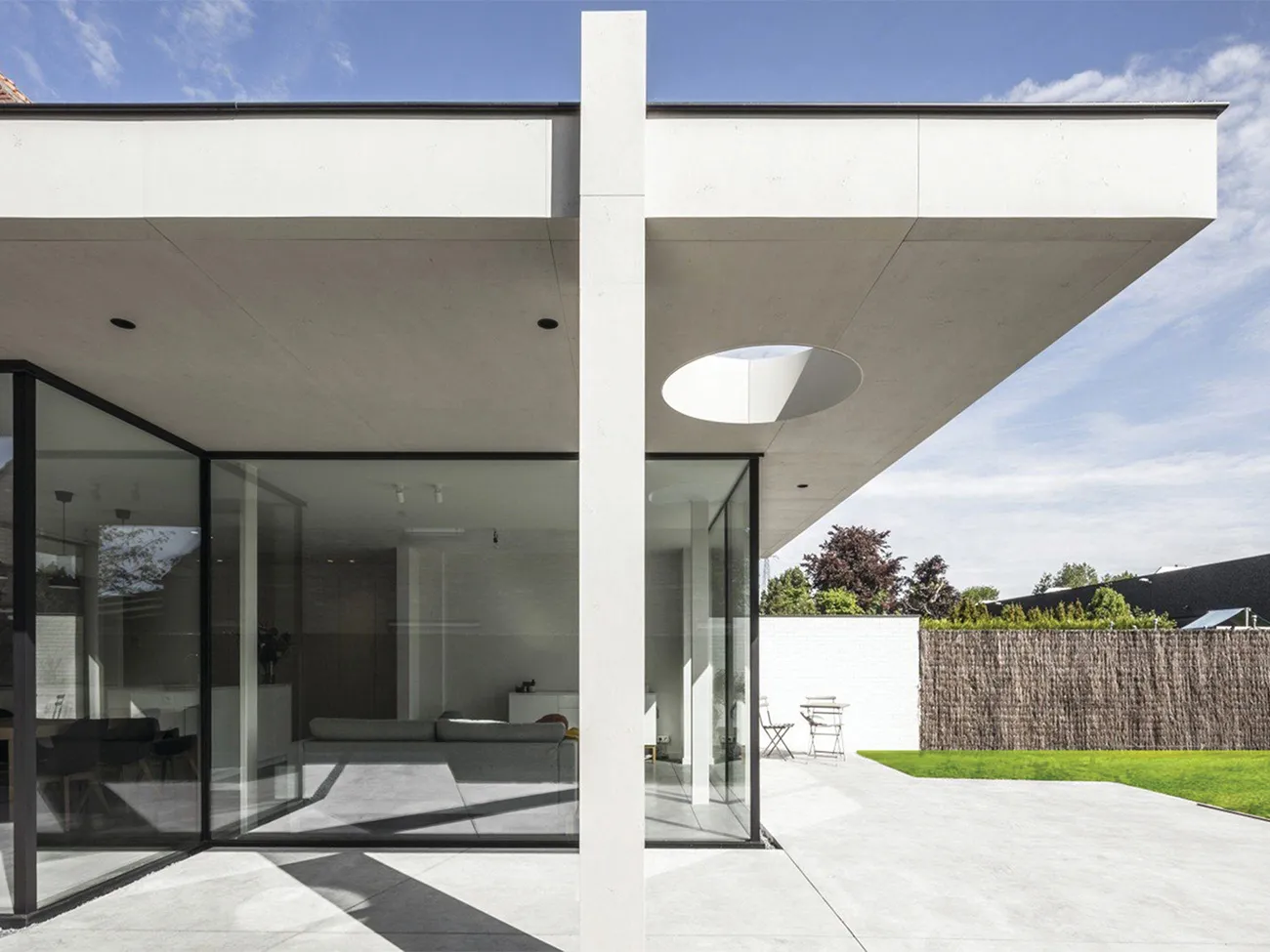
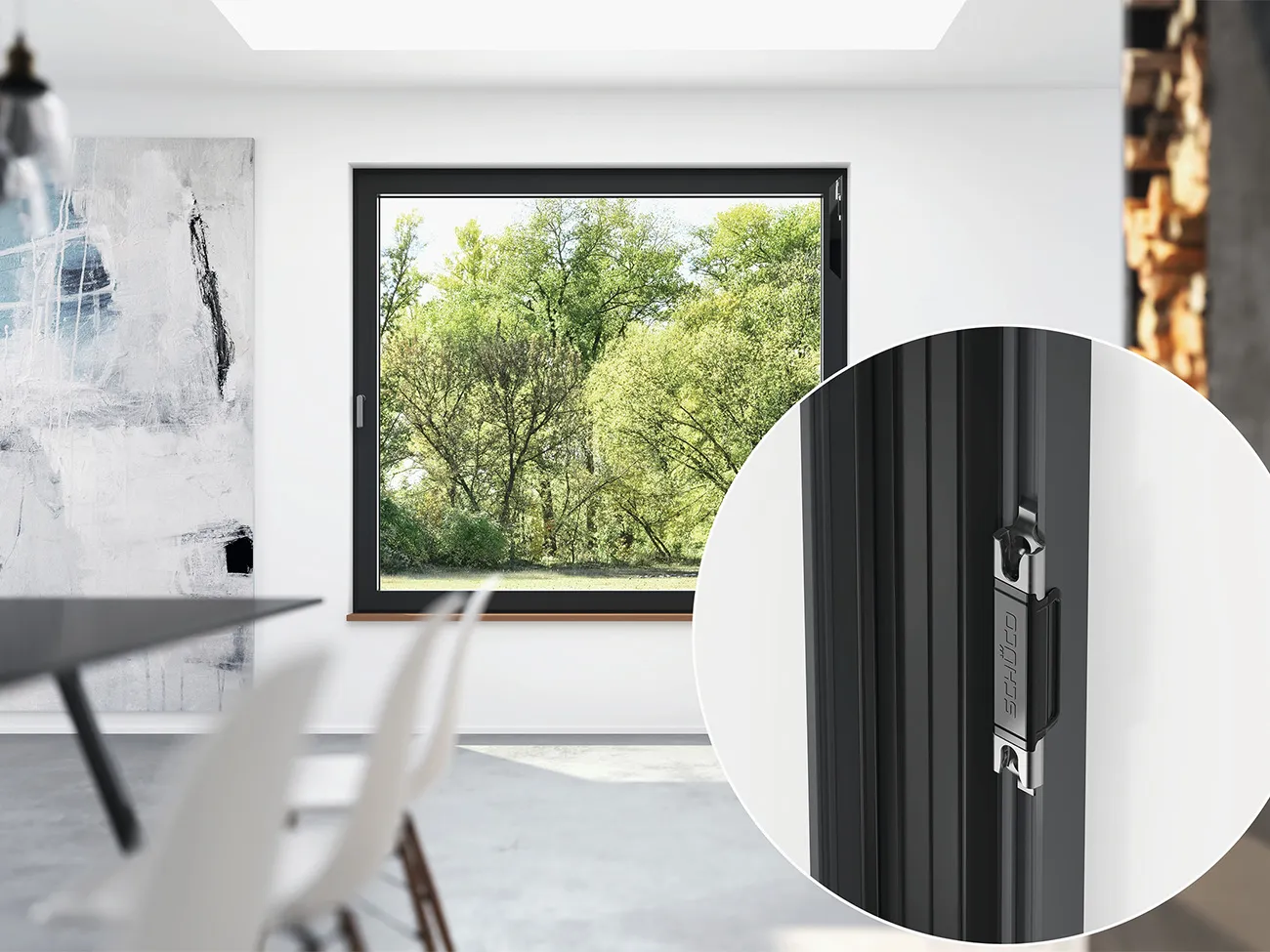
Belgian company Aliplast Aluminium Systems, which specialises in aluminium windows and doors and offers a 25-year paint warranty, is also committed to continually seeking new solutions for circular construction. It therefore holds Cradle to Cradle certification for several systems. At the same time, it is embracing another clear trend: minimalist aesthetics combined with maximum daylight. Slim and elegant is the motto, as reflected in the recent Max Light profiles, with a narrow face width of 35 millimetres. The profiles provide high levels of thermal insulation, particularly when combined with triple glazing, achieving a Uw value of 0.97 W/m²K. The range includes solutions for windows, doors and sliding windows, and is available in four style variants that can also be combined, for example, a Modern profile for the frame with a Steel profile for the sash. This makes the range particularly suitable for architectural projects with a distinctive identity. Reynaers Aluminium is responding to this trend with SlimLine, available in three design variants and two insulation levels. Further architectural solutions include Deceuninck’s Elegant PVC and Decalu aluminium window profiles, now also available with Fineo vacuum glazing. This is the result of a strategic partnership between Deceuninck and AGC Glass Europe. Stefan Lips, Fineo sales director at AGC Glass Europe, says: “With Fineo vacuum glazing, we offer a solution from just 6 millimetres thick, with characteristics comparable to, and even better than, triple glazing, yet with only two panes.” Ideal for large glazed areas where weight needs to be kept within limits.
Question about this story? Ask your question
Companies in this story
Keep following this
Get an email when a new story is published. No account needed.
- ThemeBuilding envelopes for a changing climate
- SubjectExteriors
- CompanyDeceuninck
- CompanyAliplast Aluminium Systems