The added value of social enterprises in the circular construction sector
Text Eva GoossensImage Kamp C
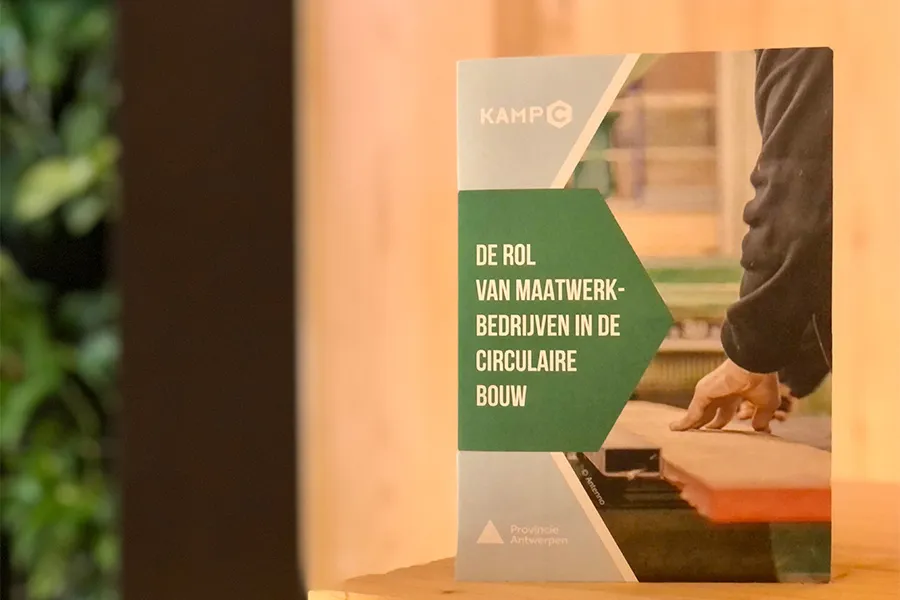
How can the social economy play a part in the construction sector’s transition? This is a question that also concerns Kamp C, the Provincial Centre for Sustainability and Innovation in Construction. To highlight the role of social enterprises, a new brochure has been published to inform and inspire architects and design studios, as well as contractors and materials manufacturers. The role of social enterprises in circular construction is explained through examples, with a focus on the questions and concerns most commonly raised.
The EU’s climate targets present a huge challenge for the construction sector. Today, the sector is responsible for 40 per cent of greenhouse gas emissions and half of energy consumption and material flows. “To work towards these targets, we will need to make greater use of bio-based materials and circular construction,” says Kelly Penen, project manager at Kamp C. Circular business models, modular design and the reuse of materials and components will become increasingly common in construction. The sector is also grappling with labour shortages. Engaging local social enterprises can help address this.
Repetitive work that cannot be automated
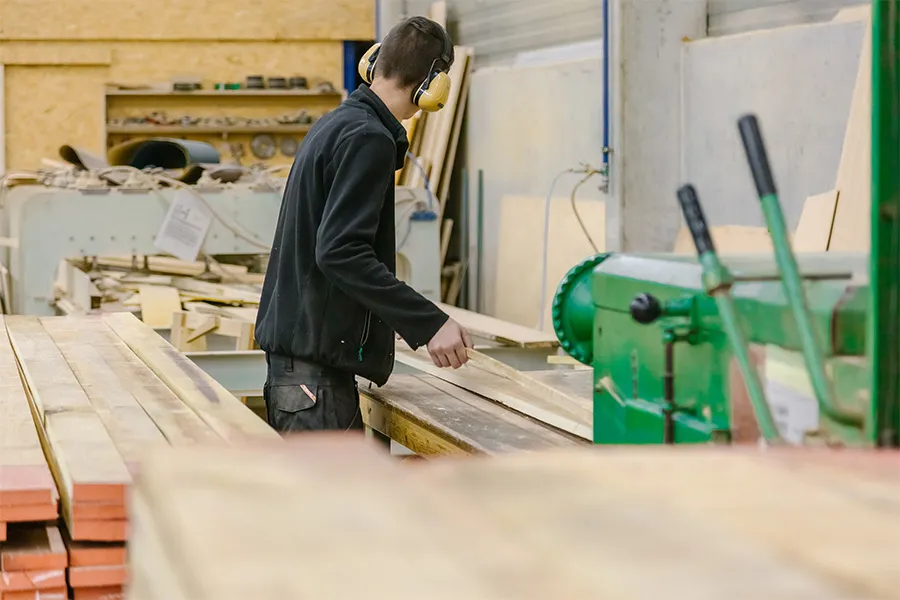
Making the reuse of materials possible requires many labour-intensive tasks that cannot be automated. These include dismantling, reworking and assembling materials and products. When buildings are taken down, materials are harvested rather than demolished, which also requires labour. These tasks are well suited to the socially inclusive employment provided by these social enterprises. Kathleen Helsen, deputy of the Province of Antwerp: “Sustainability also means choosing local entrepreneurship. The 53 social economy enterprises in the Province of Antwerp give our businesses plenty of choice. What is more, working with social economy enterprises adds considerable value to the construction sector. They are known as reliable partners offering market-rate prices. The result is high quality, and the collaboration creates a positive social impact, with businesses and employees taking pride in satisfied customers.”
Practical tips
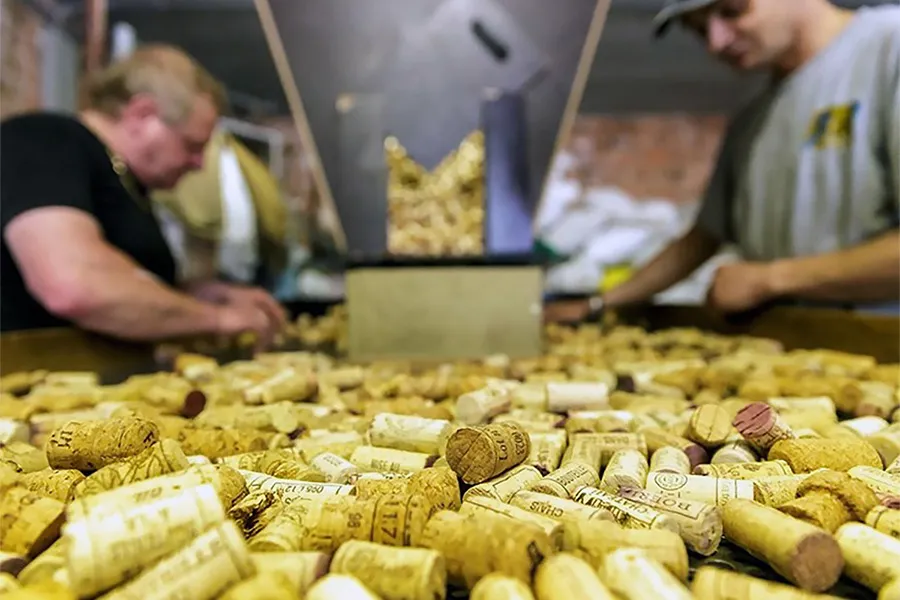
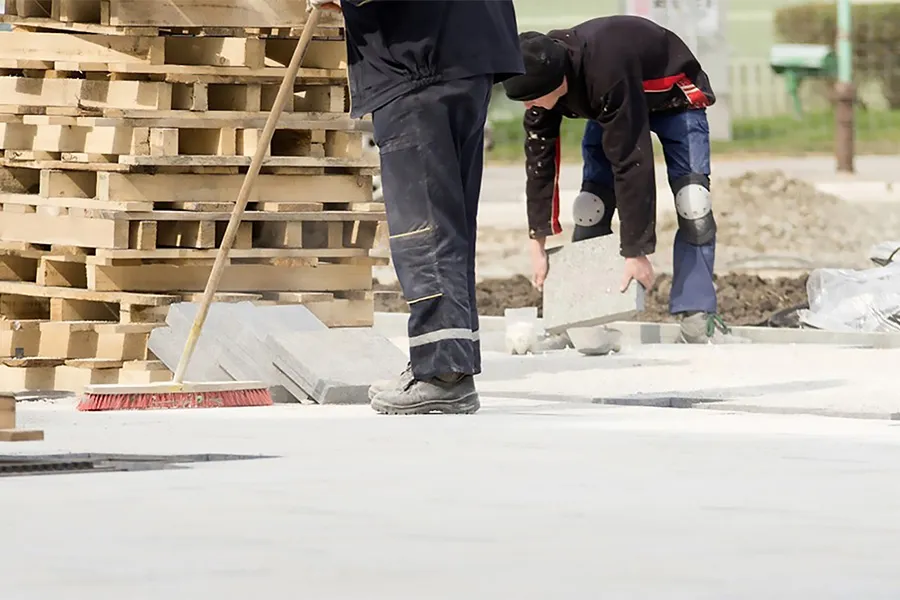
The brochure includes several examples to show more concretely what social enterprises can contribute to circular construction. Contractor Beneens, for example, called on social enterprise Kunning to dismantle and process the timber cladding from Hangar 26, which found a second life in the circular office building ’t Centrum. Another interesting example is Groep Intro’s site stewards, who support contractors. They keep the site clean and safe, and can also take on other tasks such as manual excavation, removing bricks for reuse, and collecting and recycling construction waste. Kiemkracht collects and processes fibres from local organic residual streams, which are then turned into a new material by materials manufacturer and start-up Circular Matters. Social enterprise De Vlaspit collects discarded cork and processes it into Recycork insulation material. There are also several interesting initiatives to upcycle reclaimed timber. More examples can be found in the brochure and at www.doeners.be, a platform showcasing the social economy’s offerings. The brochure is available from Kamp C and its partners, and can also be downloaded from the Kamp C website.
Question about this story? Ask your question
Keep following this
Get an email when a new story is published. No account needed.
- ThemeCircular construction and material awareness
- SubjectSustainable & circular