Sustainable lighting is about more than saving energy
When we think of sustainable lighting, we immediately think of energy savings. And rightly so: saving energy is important. But it is not the only pillar. Sustainable lighting goes much further.
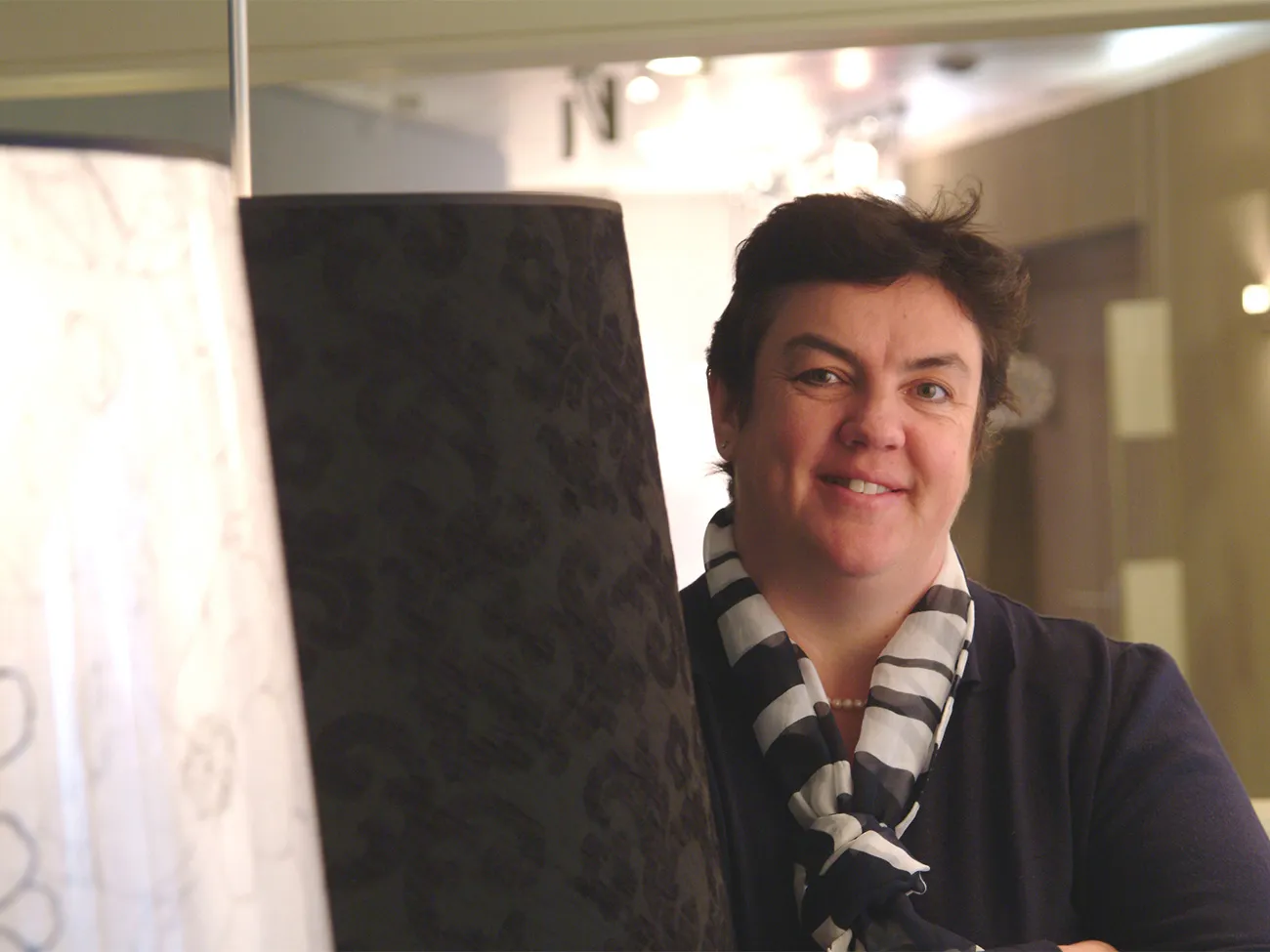
“When LED lighting was introduced as a fully fledged alternative to traditional light sources, the focus was primarily on the potential energy savings. Given savings of up to 60 per cent and the associated financial benefits, that is understandable. But today, sustainability and sustainable lighting are about much more than saving energy. They encompass a whole range of pillars that together define sustainability. These include the potential for recycling and circularity in products. Packaging also plays an important role, as does improving people’s wellbeing and safety in the workplace through the right lighting solution.” An Moors, Head of Product Management at Cebeo, explains.
Out with energy guzzlers
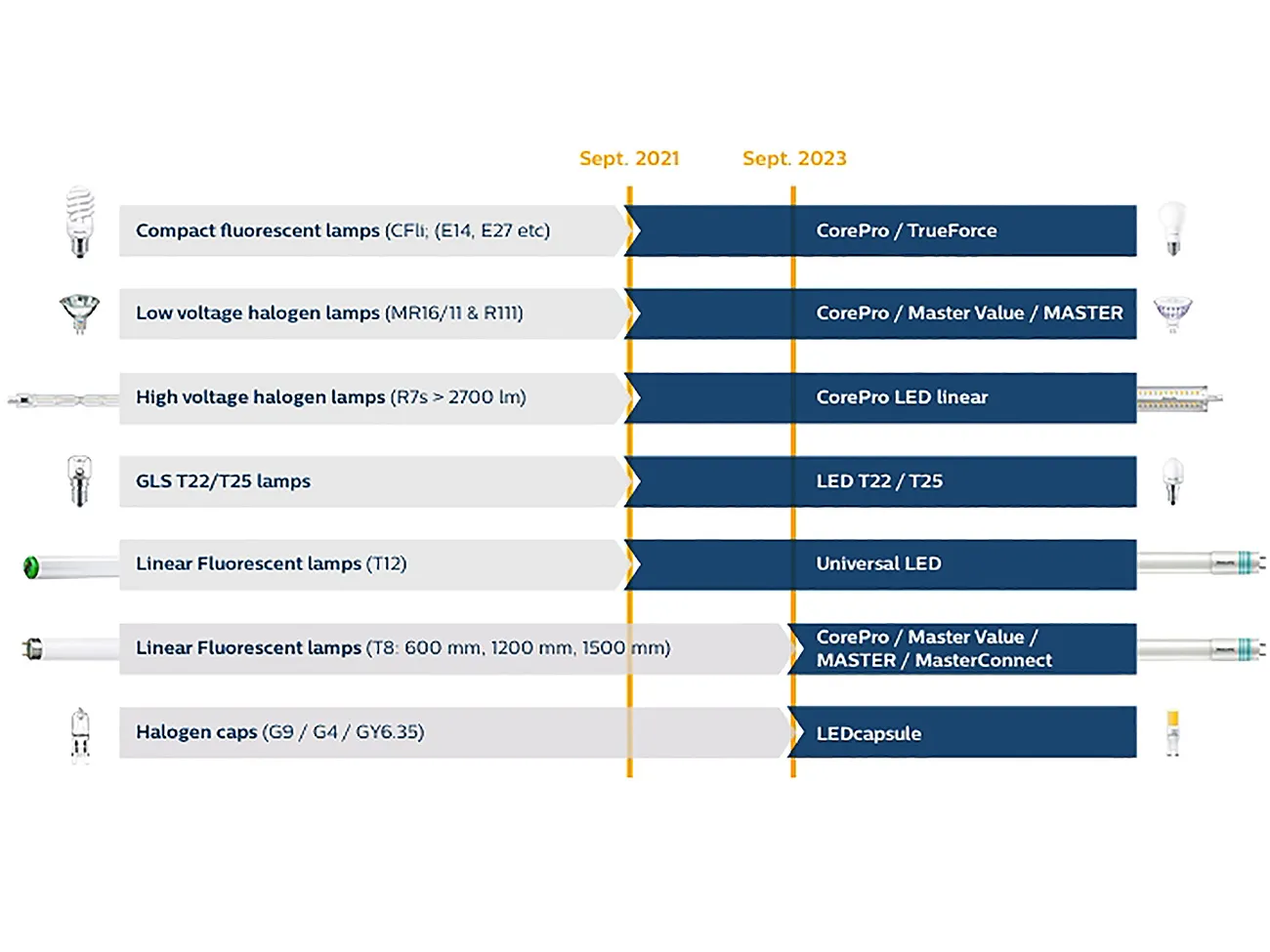
Energy savings remain an important item on the agenda. The shift to less energy-intensive light sources, primarily LED in recent years, gathered pace in 2009 with European legislation to phase out incandescent bulbs. A whole roadmap followed, with other energy guzzlers taking the same path. From September 2023, the familiar and widely used T8 fluorescent tube will follow suit.
Other measures
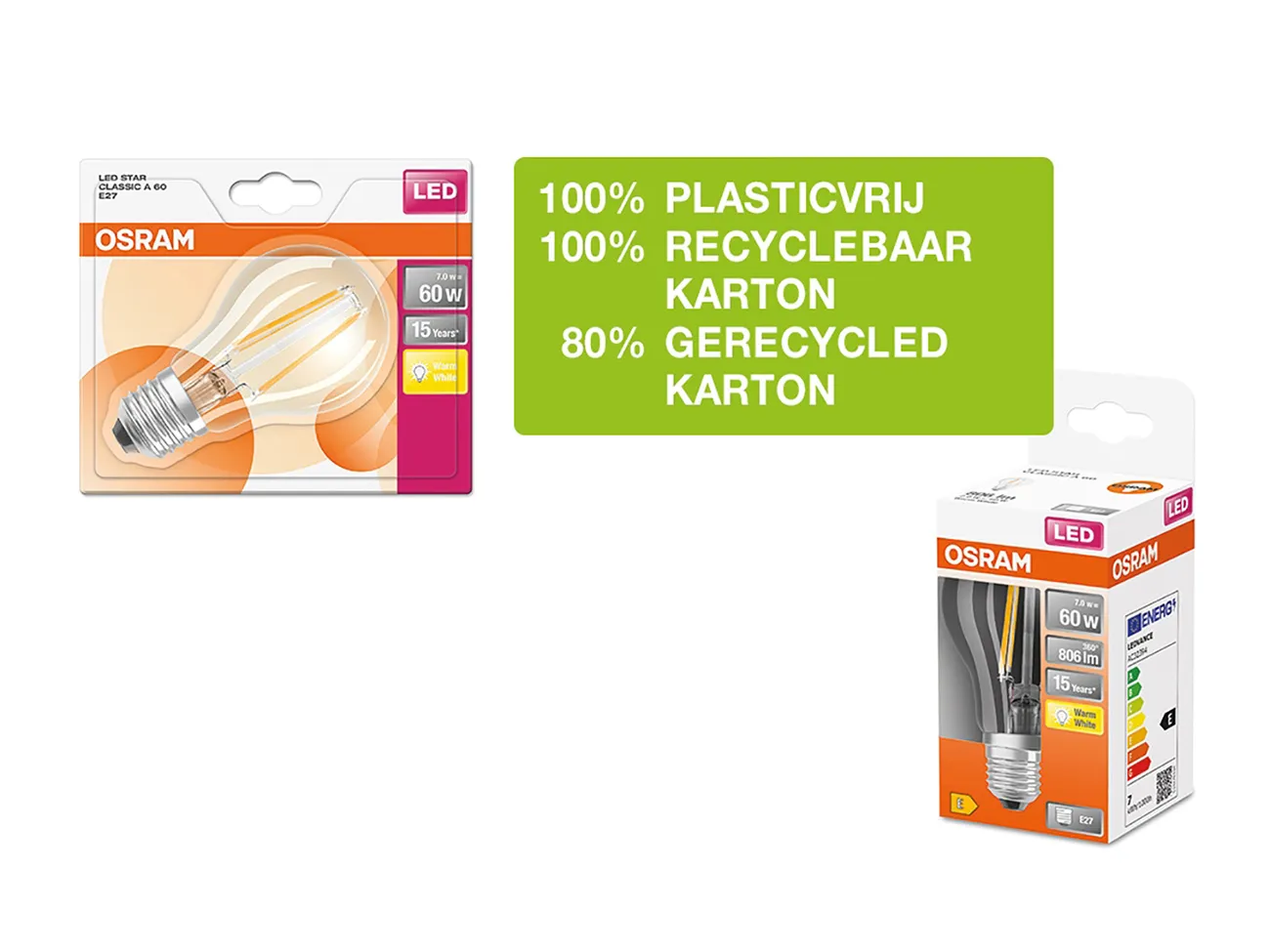
Energy savings are one thing, but they are not the only aspect covered by the sustainability umbrella. An Moors says: “You can add recycling and circularity, safety, wellbeing, production and logistics to the list. These are several pillars where a range of measures can be taken, each supporting the principle of sustainability. Phasing out the T8 fluorescent lamp is not just about energy, but also about limiting harmful substances used in production, such as mercury. Of course, some decisions are easier to make and implement than others, and feasibility and scalability also play a part. Using recycled cardboard to package products or components seems relatively straightforward to us. One shift we are increasingly seeing and feeling is production and/or assembly moving back to Europe. This drastically reduces the distance finished products have to travel. At Sonepar, the group Cebeo belongs to, we work very consciously and rigorously with a set of guidelines against which we assess suppliers. No child labour, no weapons production, and sustainability is also identified as a priority.”
Light affects people
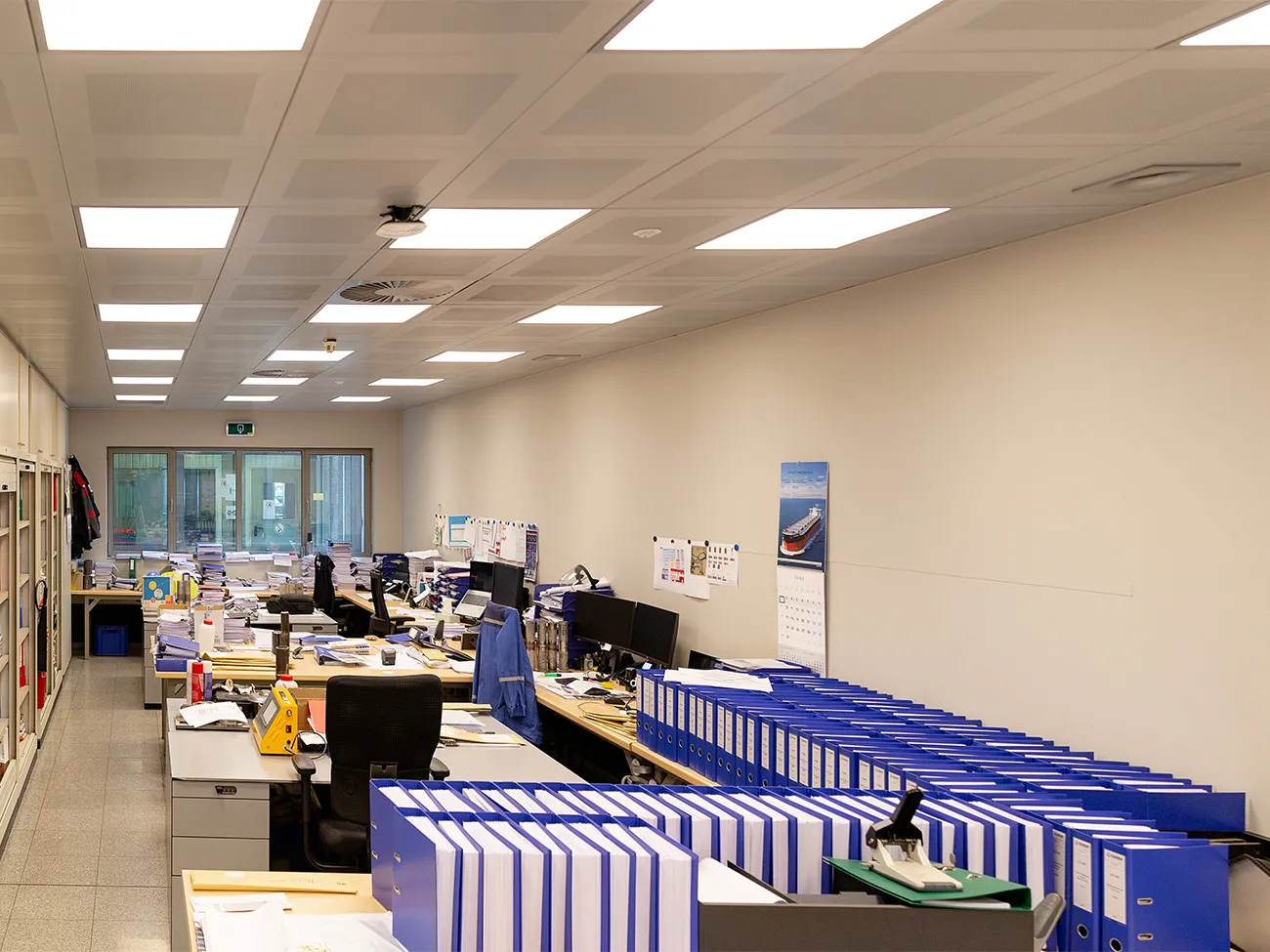
Wellbeing at work is another topic that has gained considerable momentum in recent years. Employees who feel good in the workplace perform better than colleagues who are not feeling 100 per cent. It stands to reason. “Light affects people,” An Moors stresses. “Of course, that can be positive or negative. That is why we insist that a lighting specialist should be brought in to develop a bespoke lighting plan. Not too much light, but not too little either. Account for the presence or absence of daylight, and for the type of work being carried out. These are all factors that influence a lighting plan. What is more, a carefully designed lighting plan also has a positive effect on workplace safety. A safe environment where employees feel good means higher productivity and lower sickness absence. Music to any employer’s ears, surely?”
Bringing it all together
Taking action on sustainability means selecting and addressing a number of priorities from a broad range. Saving energy through LED lighting and tackling packaging seem relatively straightforward measures. “The main thing is to do the selected priorities properly,” An Moors concludes. “Half measures help no one.”
Question about this story? Ask your question
Companies in this story
Keep following this
Get an email when a new story is published. No account needed.
- ThemeTechnologies for safe, smart buildings
- SubjectSustainable & circular
- CompanyCebeo