Zinkinfo Benelux and EGGA look back on successful Global Galvanizing Awards at Intergalva 2024 in Bruges
Text and images Zinkinfo Benelux
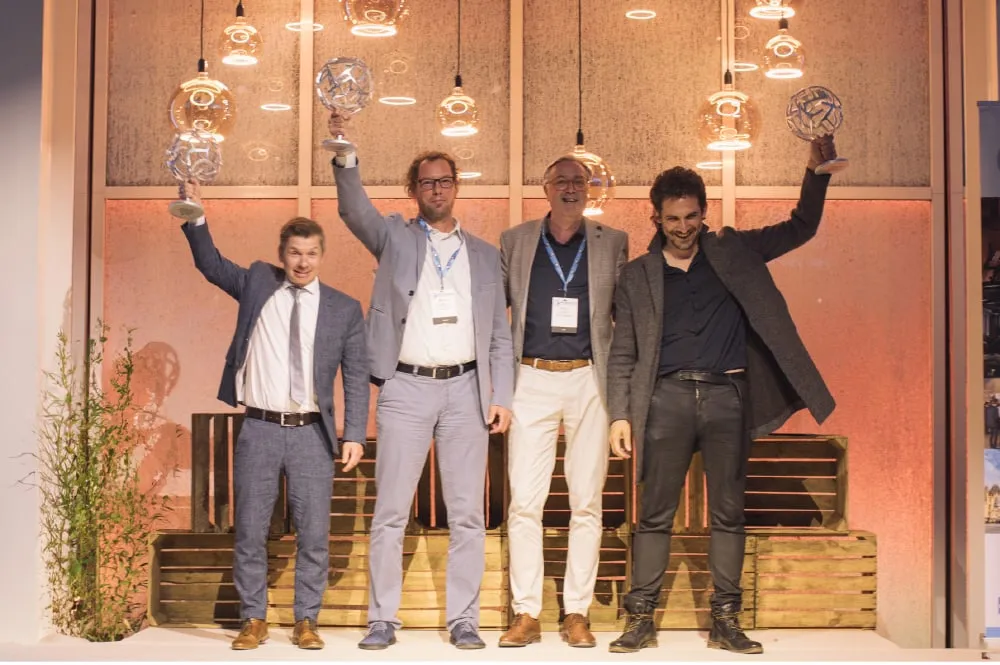
Zinkinfo Benelux and its parent organisation, the European General Galvanizers Association (EGGA), look back with pride on one of the highlights of Intergalva 2024: the presentation of the Global Galvanizing Awards. The prestigious ceremony took place at the beautiful Lauretum, a venue featuring atmospheric greenhouses. An ideal setting for the celebrations.
The Global Galvanizing Awards recognise the innovative use of hot-dip galvanised steel by architects, engineers and artists worldwide. An expert jury presented awards for the most effective and innovative applications of galvanising in both architecture and engineering. In addition, industry associations that submitted entries took part in a vote to select the recipient of the Industry Award for Circular Thinking.
Zinkinfo and EGGA would like to thank the jury members for their excellent work. Antoine Chaudemanche of Xavier de Geyter Architects chaired the jury, assisted by Ivan Vinck of main contractor Stadsbader and EGGA chairman Norbert Beljaars of Wecoat.
Industry Award for Circular Thinking
The galvanising industry highlights the importance of hot-dip galvanised steel as a perfectly circular building material. Hot-dip galvanised steel offers innovative solutions that optimise sustainability and facilitate the circularity of steel structures and components. The Industry Award for Circular Thinking spotlights a project that perfectly reflects these values.
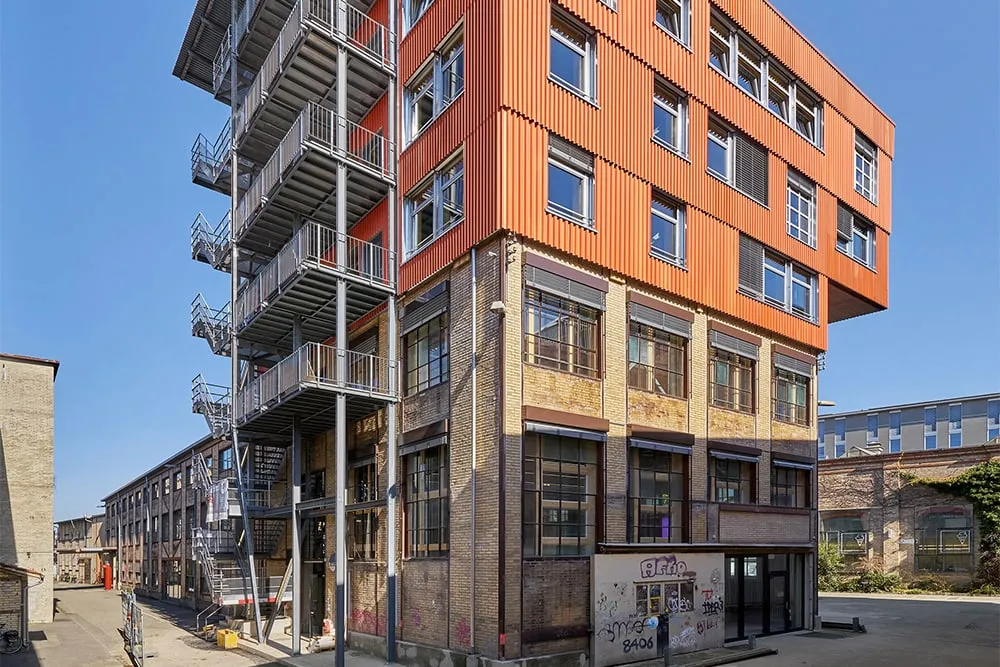
This year, the prestigious award went to Kopfbau Halle 118 in Winterthur, a project by baubüro in situ. This climate-friendly building, extended with three additional storeys of studios and workshops, shows how the consistent reuse of materials can lead to significant savings in greenhouse gas emissions and primary materials. Compared with a new building, the project saved around 60 per cent in greenhouse gas emissions and 500 tonnes of primary material.
Reused steel
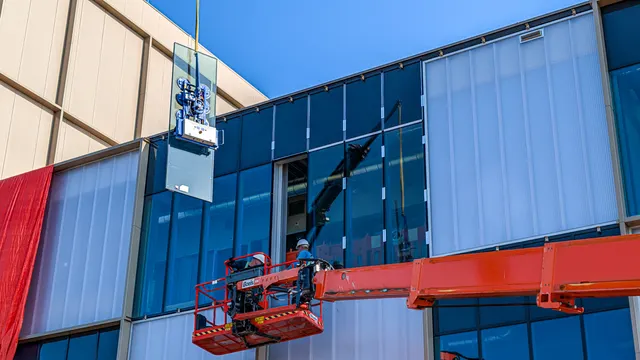
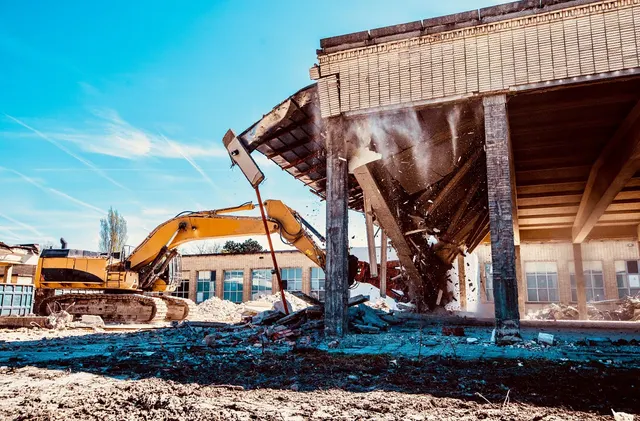
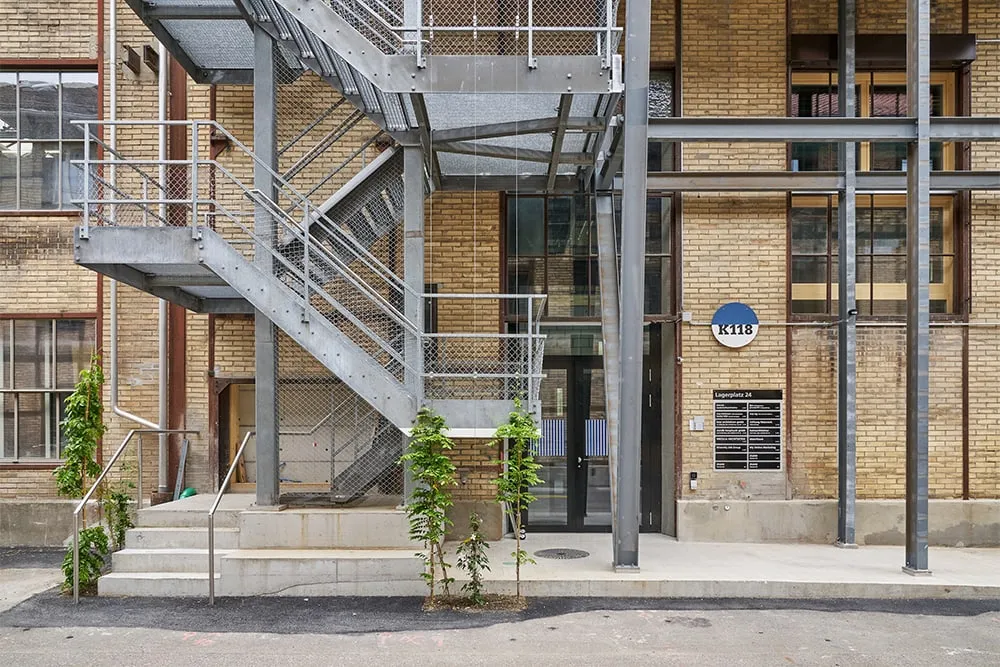
The K118 project incorporates a wide range of reused components, including windows, natural stone slabs, wooden roof elements, EPS insulation, granite slabs, aluminium profiles, paving bricks and steel. The steel, recovered from demolished buildings in Basel and Zurich, is particularly suitable for reuse thanks to the durability of hot-dip galvanising and the ease of dismantling and reassembly.
One striking example of reuse is the 22-metre-high hot-dip galvanised external staircase, originally built in 1990 as a fire escape in Zurich, which now provides access to the K118 building. After all this time, the staircase required hardly any modifications, underscoring the durability and quality of hot-dip galvanised steel.
Reusing components in the K118 project resulted in a 59 per cent reduction in CO2 emissions, or 494 tonnes, compared with a new building. Reused hot-dip galvanised steel contributed to a 16 per cent reduction in CO2 emissions, or around 80 tonnes. Unlike a new building, most of the costs went towards the work of the tradespeople involved. The inexpensive materials used require a certain level of craftsmanship and expertise before they can be installed. Sustainable construction therefore also strengthens the local economy.
Zinkinfo Benelux and EGGA congratulate everyone involved in the Global Galvanizing Awards and look forward to further developments in the galvanising industry.
Question about this story? Ask your question
Keep following this
Get an email when a new story is published. No account needed.
- SubjectSustainable construction