On the way to circular construction
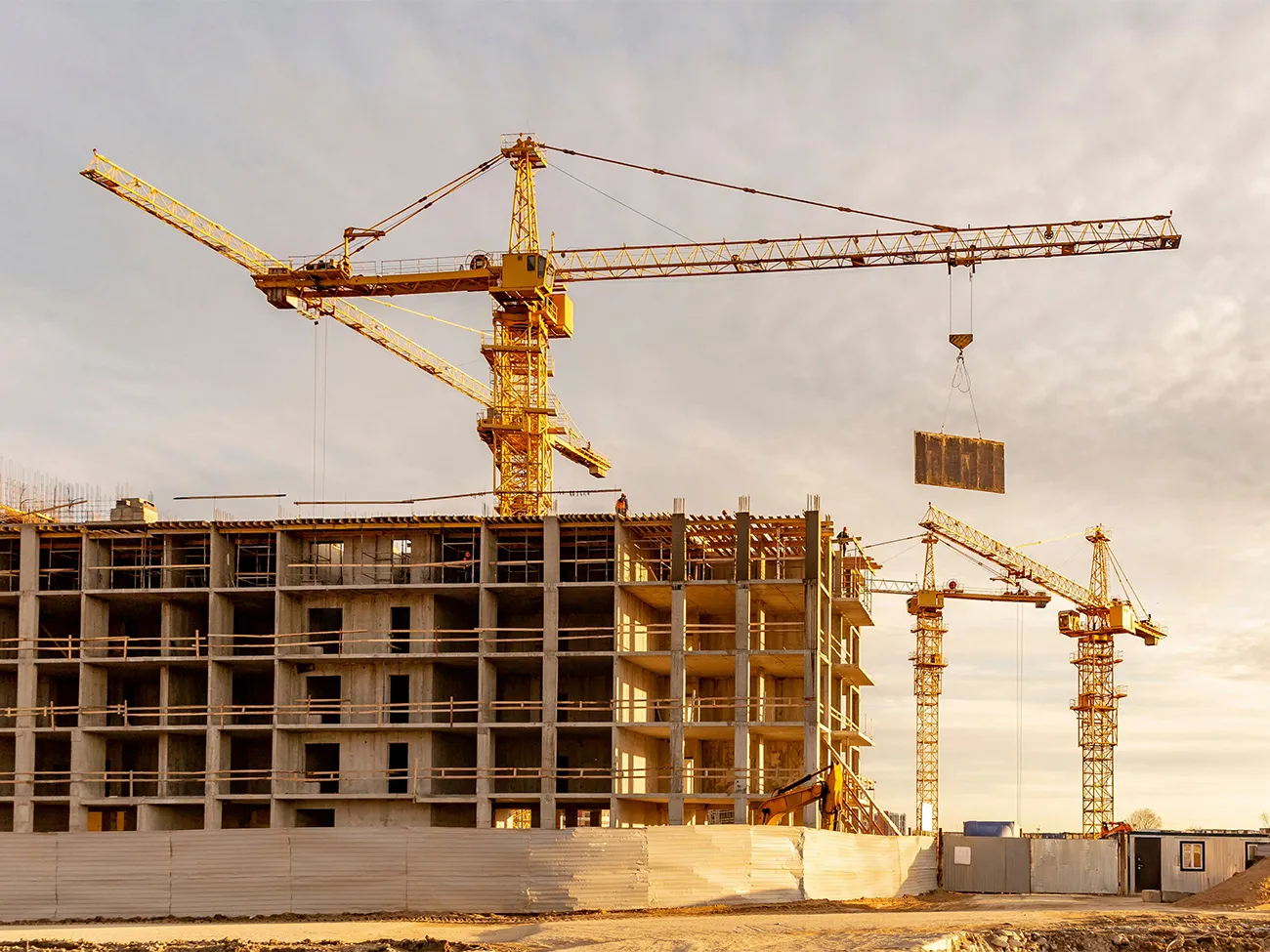
Our current approach to construction is reaching its limits. Buildings are responsible for around 40 per cent of CO2 emissions in Europe today, and account for almost 50 per cent of material use. If we are to meet our climate targets, things will have to change. Recent months have already shown the impact that material shortages can have. That is why a shift to a circular construction economy is needed. OVAM is setting out the main principles of this new policy in collaboration with stakeholders from the construction sector. An introduction.
Europe aims to be carbon neutral by 2050, with minimal use of raw materials and minimal impact from materials. Flanders shares this goal, but achieving it means fundamentally rethinking the way we build. From linear to circular. The new draft policy programme, ‘On the way to circular construction’, gives shape to these circular ambitions. Philippe Van de Velde, OVAM policy adviser on construction waste: “Housing and construction have a particularly significant impact on the environment. The previous policy programme, which ran from 2014 to 2020, saw considerable efforts to reduce the amount of waste generated by building and construction works. We focused, for example, on closing more material loops through reuse or recycling. With demolition follow-up plans and follow-up of demolition by a demolition management organisation such as Tracimat, we have taken the right steps towards high-quality recovery of waste streams from construction. This is already working well for rubble, insulation materials and plasterboard. In future, we need to be able to do the same for more waste streams.”
Greater emphasis on reuse
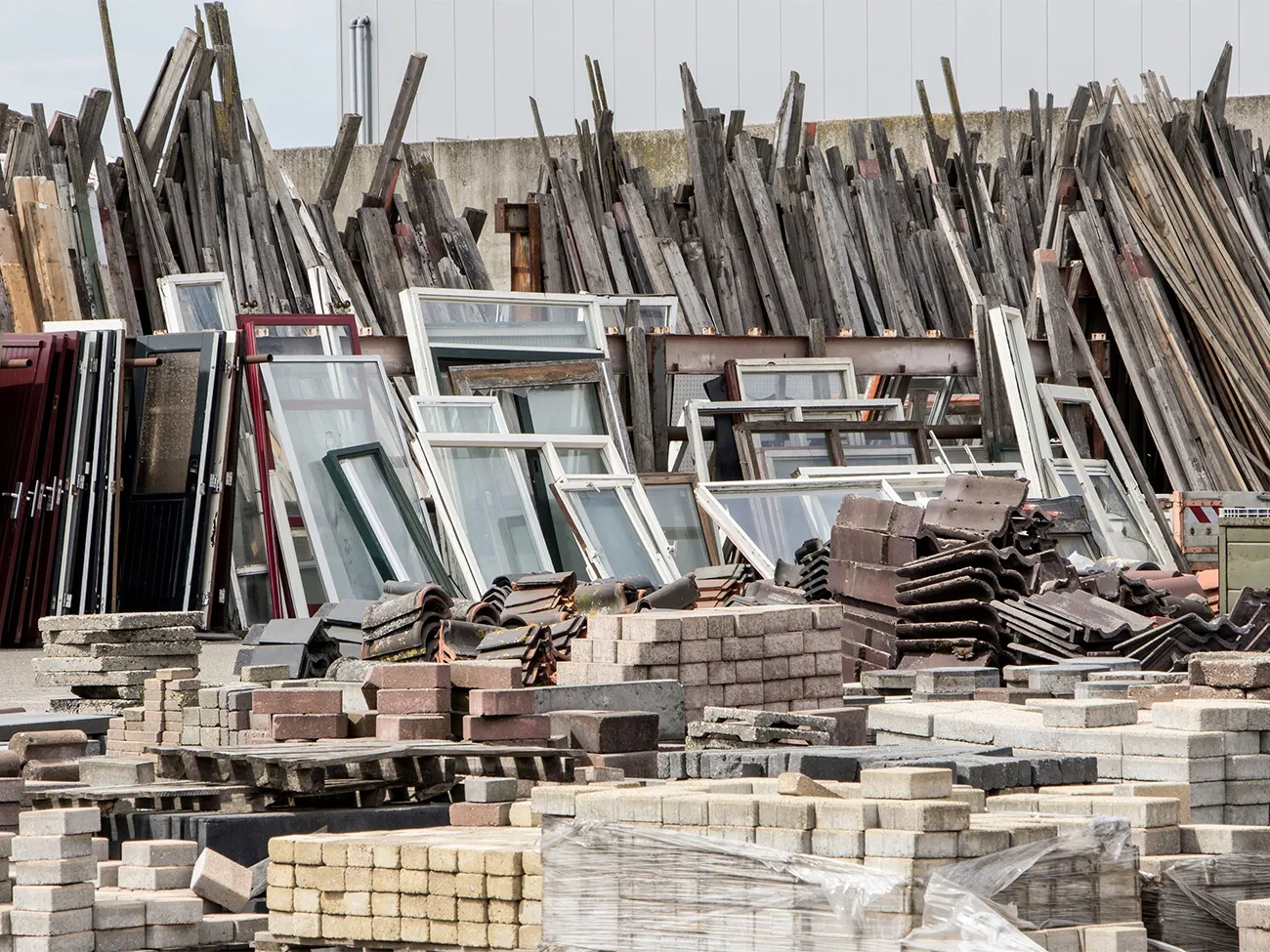
More than in the previous policy programme, OVAM wants to focus on reuse in future. Karlien Wauters, OVAM policy officer for adaptive and circular construction: “Many materials from demolition or renovation projects can still be given a second life. Urban mining will therefore be a key concept for construction projects in the future. But we also need to be bold enough to consider reuse and recycling from the design stage onwards. Ultimately, reuse means building flexibly and adaptably. That means modifying a building with minimal effort so it can evolve in line with users’ needs. For example, removing and repositioning internal walls to change a building’s layout. Circular construction does not always have to cost more than conventional construction.”
Considering all aspects of sustainability
The new draft policy programme also urges us to consider the whole picture. “Sustainability goes beyond energy use and CO2 emissions alone. A passive house can be an excellent way to reduce consumption, but it requires much more material. Is the trade-off worthwhile? To build truly circularly, we must always seek the optimum balance between all sustainability factors.” TOTEM is one tool that can help construction professionals do this. “Today, companies have many choices when it comes to technology and materials. TOTEM maps the environmental impact of each choice: land use, water consumption, CO2, toxicity, and more. From extraction through to end-of-life processing, it all contributes to the score,” explains Van de Velde.
Taking up the challenge
So what is still holding construction companies back from making the shift to circular construction? The draft policy programme identifies four major challenges. Wauters: “The limited confidence in the market is still the biggest obstacle. The construction process needs to be more transparent about the origin and quality of materials. We also need to invest more in partnerships, for example to match materials from demolition and renovation projects with new-build projects. Data will play an important role here. What materials are available? What is the environmental impact of our choices? The better we can measure environmental costs, the more weight they can carry in decision-making. Finally, raising awareness is crucial. Alongside informing and supporting construction stakeholders, we want to raise public awareness of material scarcity and environmental impact.”
With its new draft policy programme, shaped by input from industry practitioners, Flanders clearly intends to continue along the path it has embarked on. It is available on the OVAM website.
Question about this story? Ask your question
Keep following this
Get an email when a new story is published. No account needed.
- ThemeCircular construction and material awareness
- SubjectSustainable & circular