Madaster Belgium gets off the ground
If it can be done in the Netherlands, it should be possible here too. Work is therefore well under way on a Belgian version of Madaster, essentially a materials cadastre, and the associated materials passport for a building or project. The aim is to facilitate a circular economy by giving materials an identity and avoiding waste. This is fully in line with ambitions such as those set out in the European Green Deal, which now call for action.
Madaster is nothing new in itself. The online platform has been operating in the Netherlands since 2017 and has been embraced by the market. Its founder is German-Dutch architect Thomas Rau, a leading advocate of circularity who puts his words into action. Madaster has by now more than proved its value in the Netherlands, with
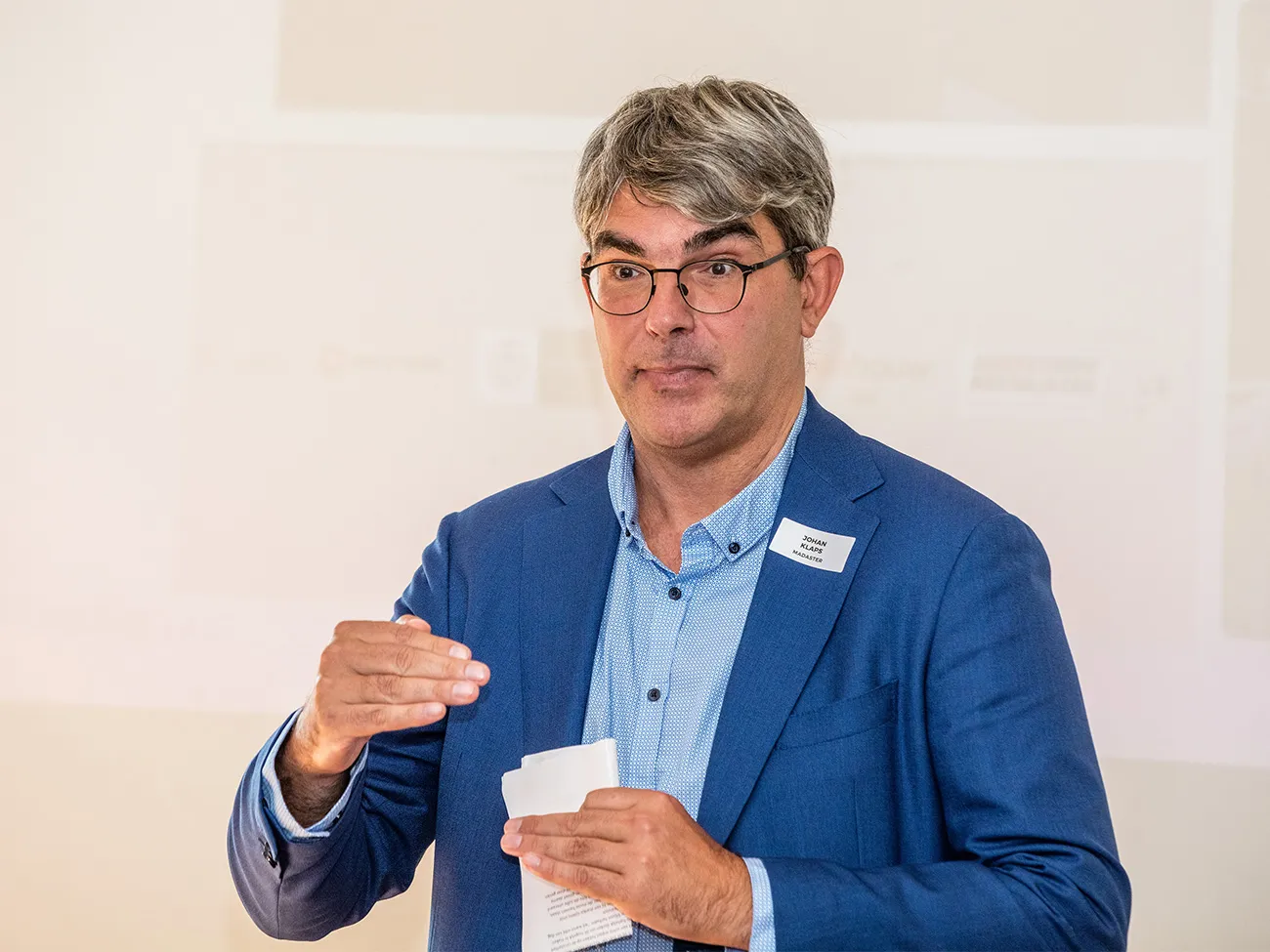
8 million square metres registered on the platform, and is being rolled out further across Europe. Madaster Belgium has therefore already got off the ground, with a number of partners lending their support to the initiative. Johan Klaps, Director Madaster Belgium: “In keeping with Rau’s philosophy, we will first look for 33 Madaster Max-Partners, the same number as the vertebrae that keep the body upright. Within two years at most, we want to roll out Madaster Belgium further and make it easily accessible to the market. Our aim is to reach as many people as possible.”
A warehouse of building materials
A building is a warehouse of building materials that can one day be removed and reused. At least, if you know exactly what is in that ‘warehouse’. That is where Madaster comes in. Madaster is an online register listing the materials used. Johan Klaps: “It records not only the type of material, but also its quantity, location in the building and method of fixing. This information, which can usually be uploaded directly from the BIM model, is enriched in the background with additional data, such as information on toxicity or CO₂ impact, as well as the fluctuating financial value of materials. Then there are the third-party solutions, provided by external organisations that add another layer of information. These include building-material manufacturers making product details available. Integration with consultants’ services and marketplaces for recycled materials are also possible. All this makes Madaster more than a simple register and provides a wealth of relevant insights. The sector needs this.”
Why a materials passport?
A secure passport for a building, known as a ‘materials passport’, can be generated through Madaster. It contains information on the quality, origin and location of materials and products, and provides insight into a building’s material, circular and financial residual value. Johan Klaps: “Everyone in the construction sector claims to be working sustainably and circularly these days. But what are they actually doing? Madaster makes this measurable and verifiable. There are financial benefits too. For example, you can work more cost-effectively on a renovation or refurbishment. It has also been shown that buildings with a materials passport can attract more favourable tenders when demolished. It is entirely conceivable that the financial sector will soon take a building’s residual value into account, positively affecting the competitiveness of its financing. Finally, although there is currently no general legal requirement for a materials passport, the pressure in that direction is immense. It is certain that the requirement will come. We just do not know exactly when, in what form or with what level of detail. Whatever the requirements, Madaster will be able to meet them. We are prepared, and so are our partners.”
Question about this story? Ask your question
Keep following this
Get an email when a new story is published. No account needed.
- SubjectSustainable & circular