Innovative system for communal heating
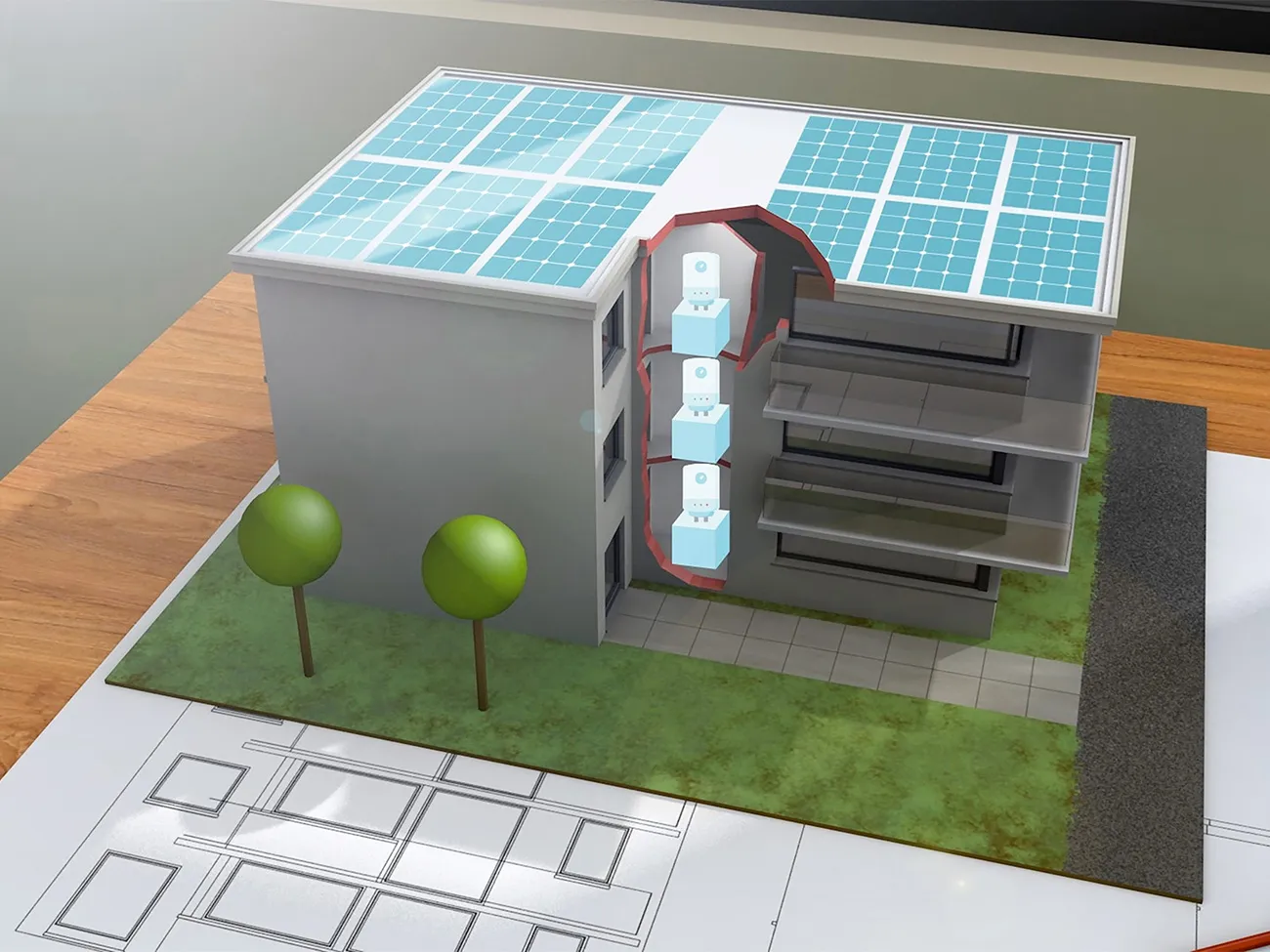
Residential buildings account for a large share of energy consumption and the associated CO2 emissions. It is no surprise, then, that the bar for buildings’ energy performance keeps rising. Increasingly scarce land and rising construction costs are also fuelling demand for communal housing. This segment therefore offers significant potential to reduce emissions from residential buildings. For you as an architect, SEDS provides a practical answer to this challenge.
SEDS stands for “sustainable energy distribution systems” and aims to offer a complete solution for intrinsically sustainable energy distribution in communal residential buildings and homes connected to district heating networks. The first ideas took root several years ago. At the time, Eric Severyns, an EPB assessor at ESTA Advies, identified a gap in the HVAC market: there was no energy-efficient, reliable system available for heating communal housing. Because heating and hot water were inextricably linked in the plant room, the system had to operate continuously at a high temperature. Keeping water at 60 to 70 degrees Celsius at all times leads to substantial distribution losses.
Eric believed there was a better way. He joined forces with B&R Bouwgroep and DIPAR V, the holding company behind, among others, Thys Bouwprojecten, CLT-S, O3 Development and ARTE interieur. Drawing on their own experience and expertise, the three companies developed an ingenious system for heating and hot water in communal housing projects. Tailored to everyday challenges and easy to incorporate into your architectural designs, it has an immediate positive impact on a building’s performance and sustainability.
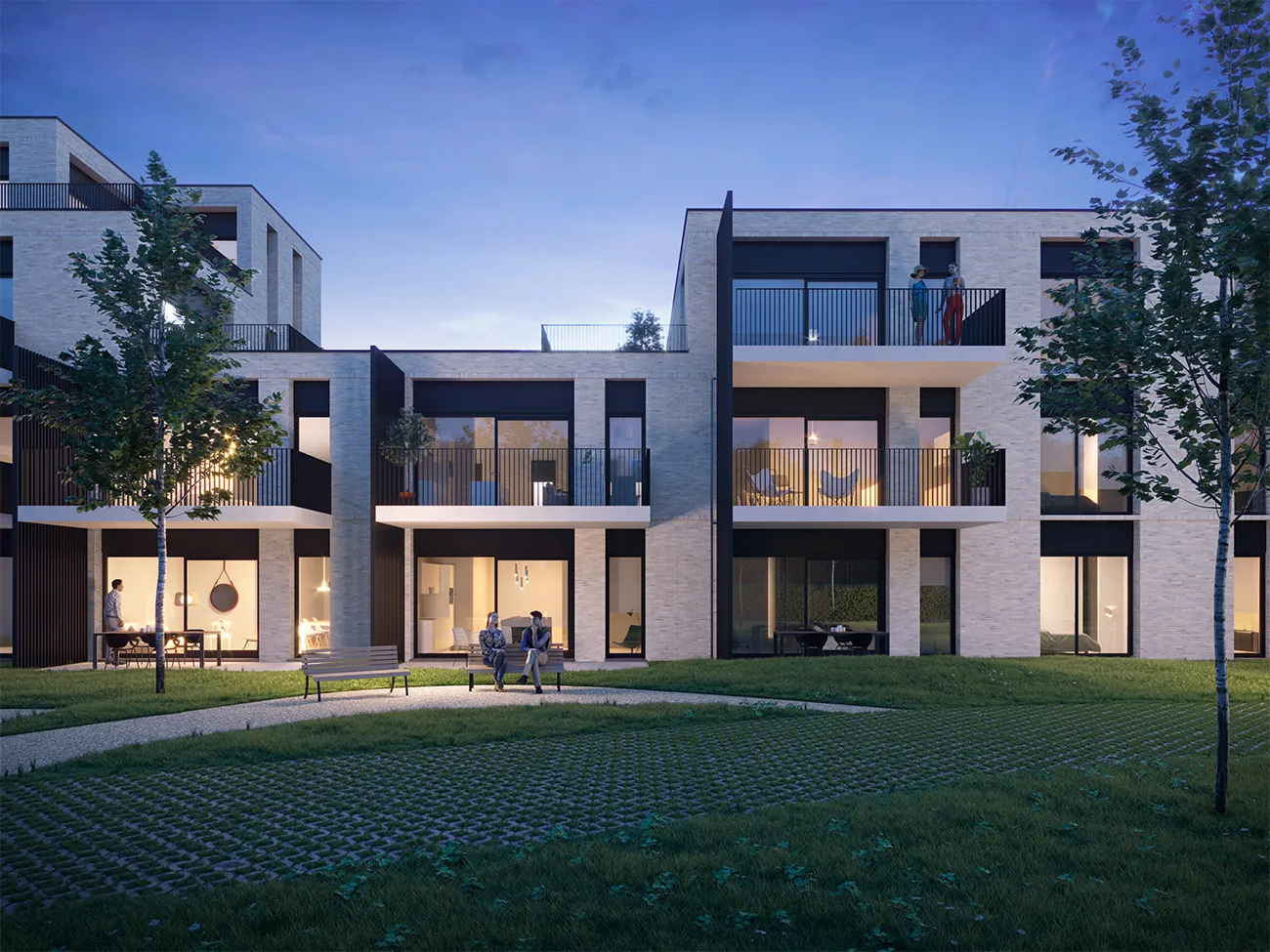
Low temperature and booster heat pump
To limit energy consumption in the communal plant room, SEDS operates with a significantly lower water temperature. Even on the coldest winter days, 40 degrees Celsius is enough to keep the homes comfortably warm. In summer, the temperature drops to 17 degrees Celsius. As well as providing heating, SEDS then also offers passive cooling. “This substantial temperature difference adds up to significant energy savings over the course of a year,” explain the people behind SEDS. “It also gives residents greater comfort. With conventional systems, high distribution losses often cause the homes to overheat in summer. Developers can therefore immediately offer prospective buyers or tenants two advantages.”
A higher temperature is, of course, still needed to provide hot water at the tap. SEDS solves this by adding a booster heat pump to the system. This limits heating to 60 to 70 degrees Celsius to the volume of water actually used as hot water. As the energy required is converted or supplied centrally, and distribution takes place at the lowest possible temperature, the system can use literally any form of energy, now and in the future. It is therefore fully equipped for the growing use of renewable energy sources, either as the sole source or in a hybrid configuration.
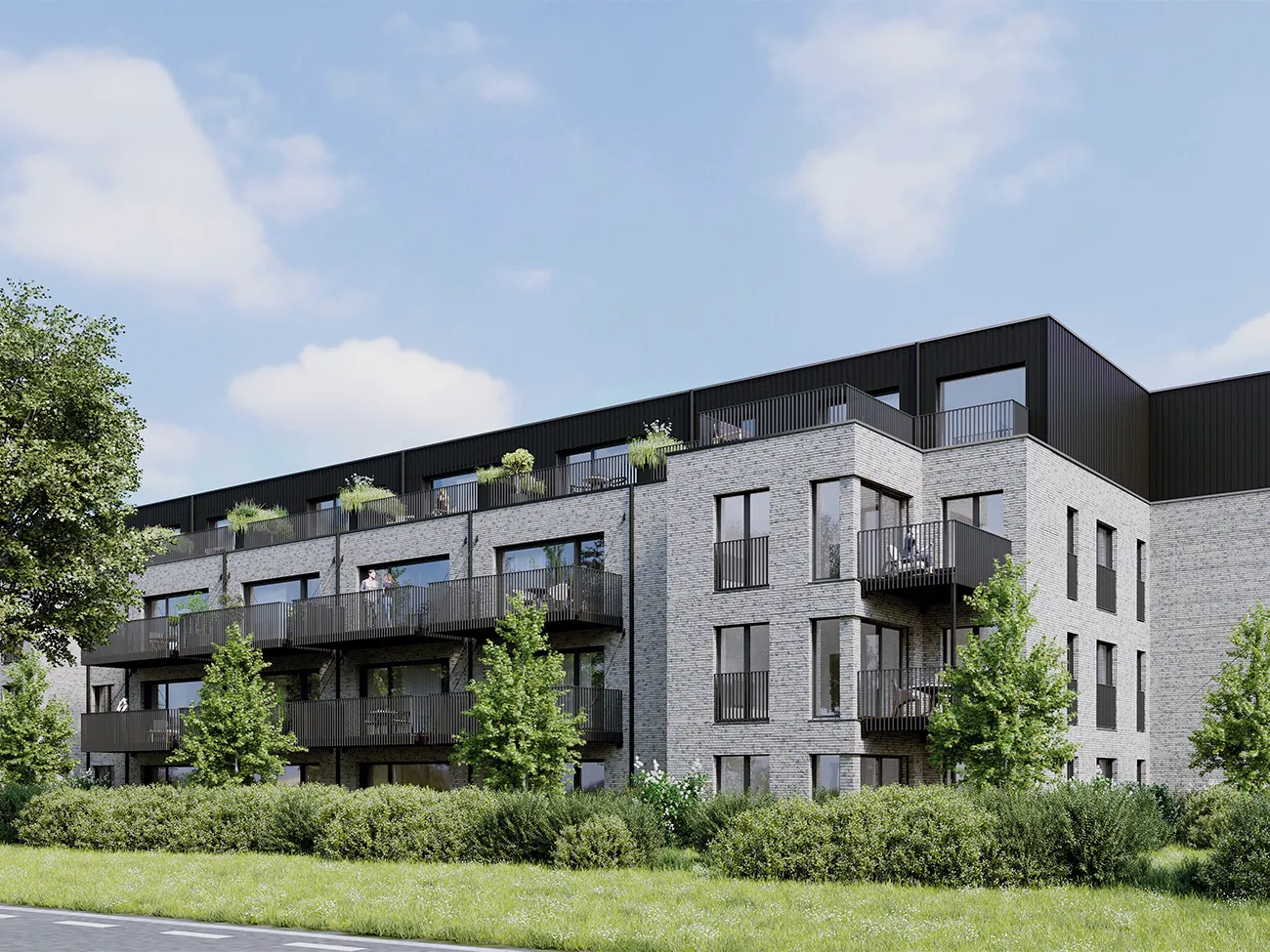
An integrated system
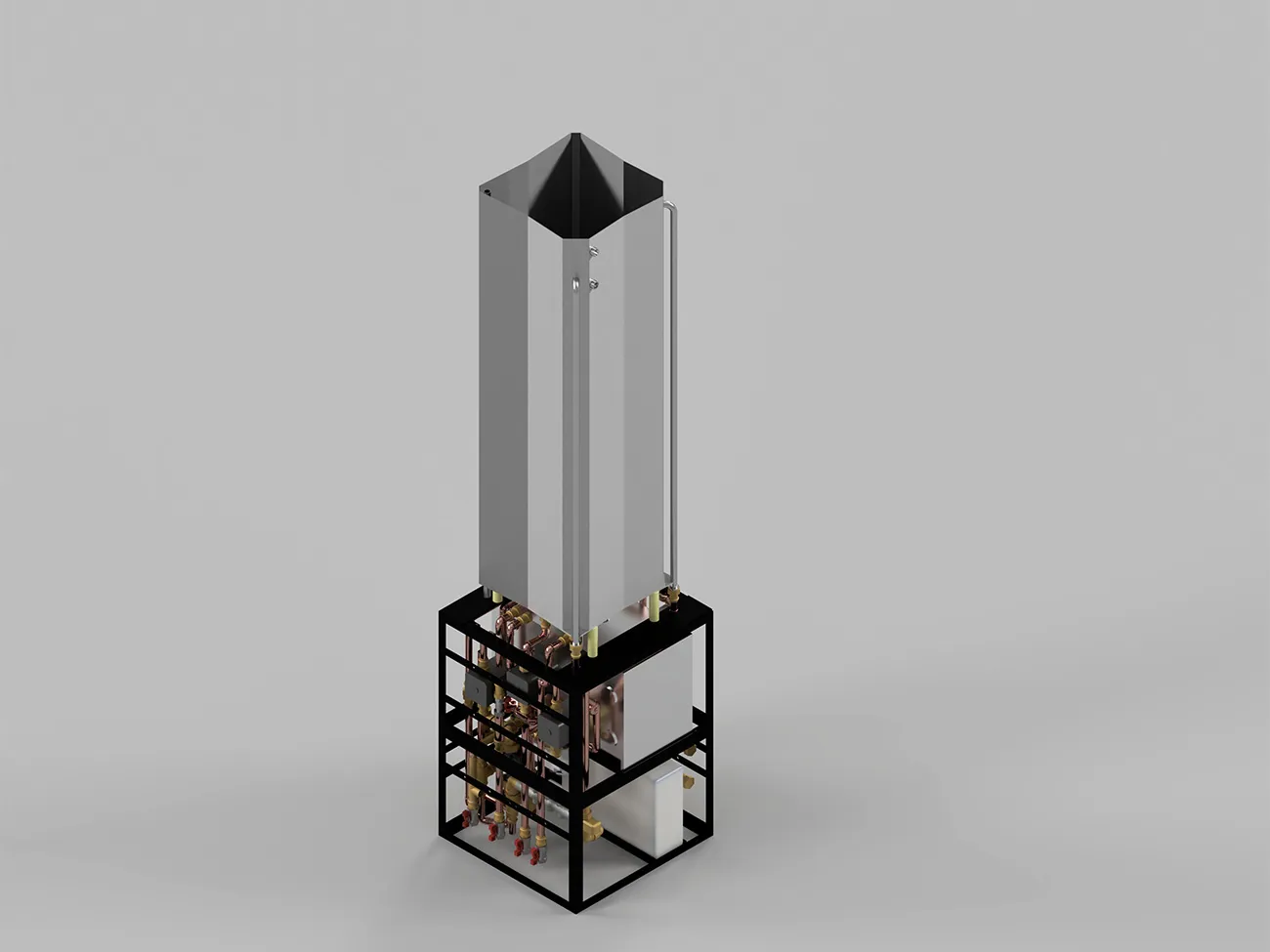
Several manufacturers have recently brought booster heat pump water heaters to market as individual components for communal heating systems. Unlike existing solutions, however, SEDS is an integrated system. Underfloor heating, the bathroom radiator connection, domestic hot water production and cold water distribution are combined in a standard module, assembled and fully tested at the factory. The module is mounted on a base frame with manifolds, which is installed early in the shell construction phase. The advanced controls are also fully integrated, providing optimum comfort and efficient distribution of any energy generated on site. The central system enables straightforward fault diagnosis and repairs. A SEDS system lasts longer than many other solutions. “Our solution matches the lifespan of the building itself. That is truly sustainable construction and living,” conclude the manufacturers.
Question about this story? Ask your question
Keep following this
Get an email when a new story is published. No account needed.
- SubjectSustainable & circular