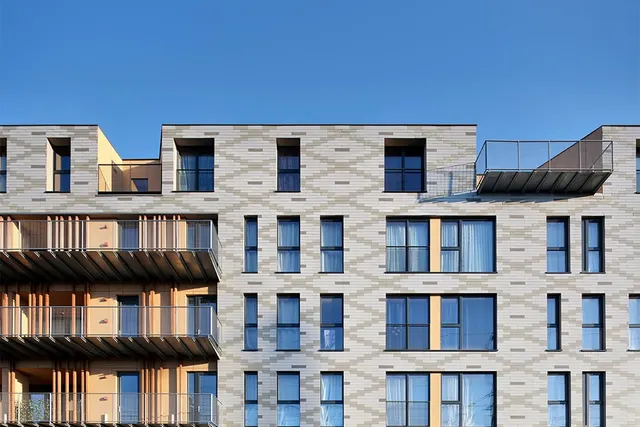
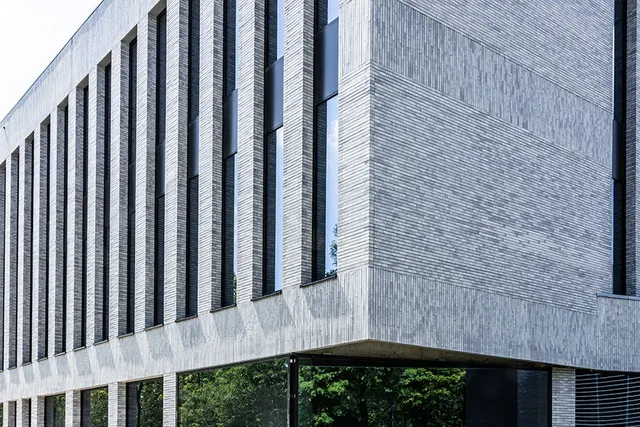
ClickBrick Pure: a handmade variant for the circular dry-stacking system
With the launch of ClickBrick, Wienerberger took its ceramic façade bricks to the next level of circularity. Today, an aesthetic dimension has been added: ClickBrick Pure is a handmade variant of the existing extruded brick ClickBrick Cube. The new version has the distinctive, irregular and characterful texture of a handmade facing brick.
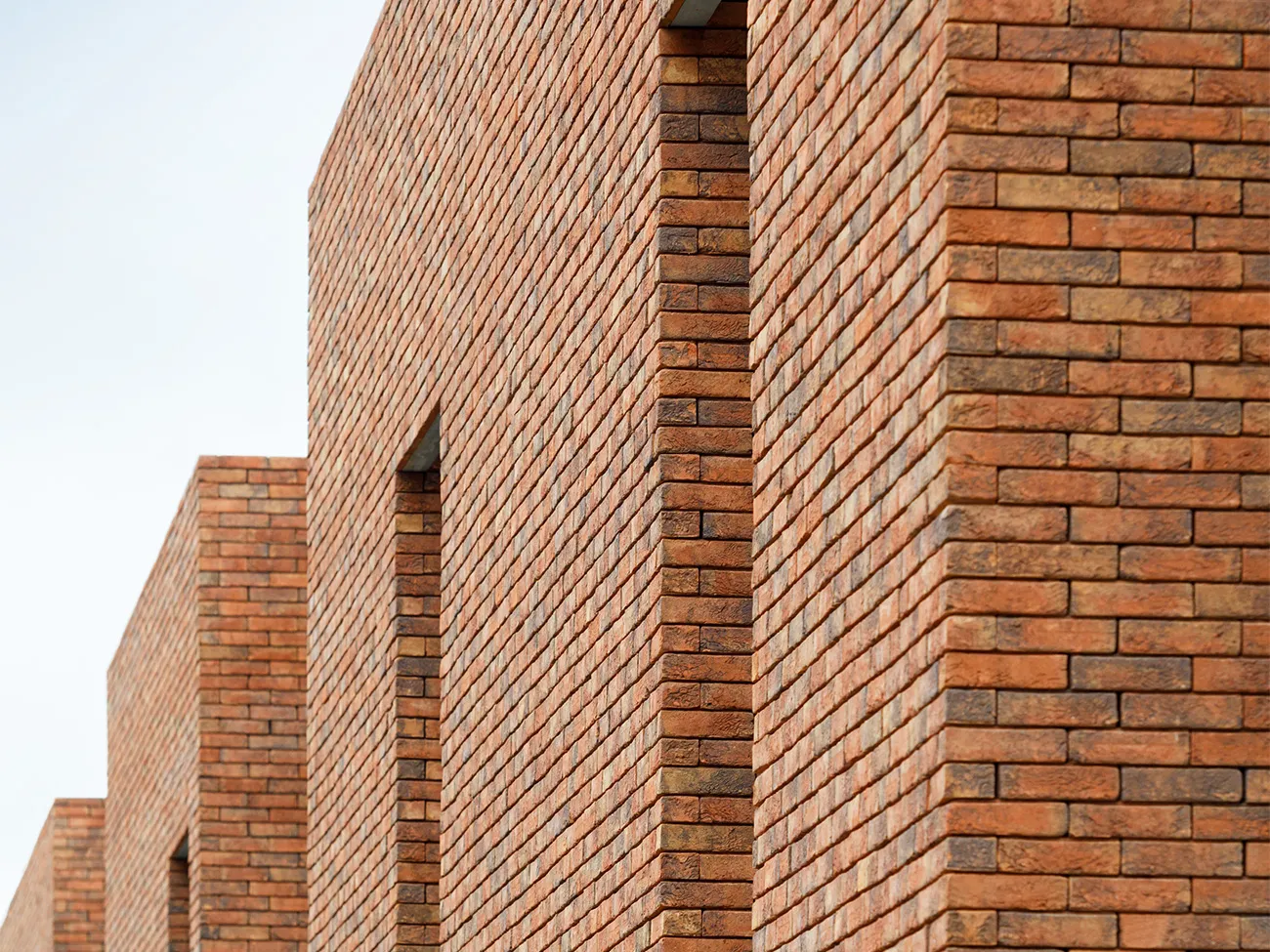
The launch of ClickBrick Pure is a logical step in the development of the circular dry-stacking system. The market had also been asking for a handmade variant that would recreate the more traditional façade appearance of classic brickwork. This makes the system suitable for a wider range of applications.
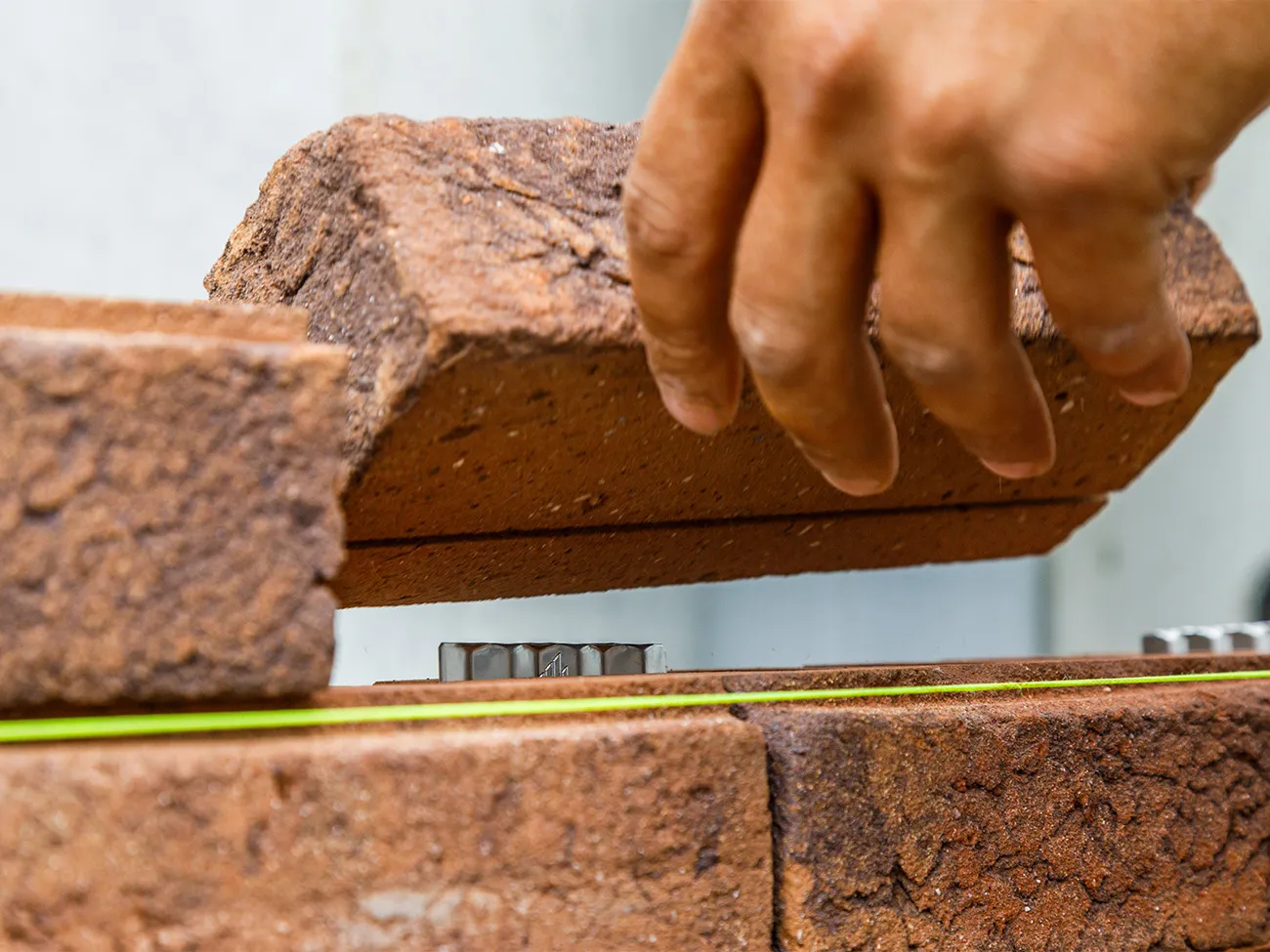
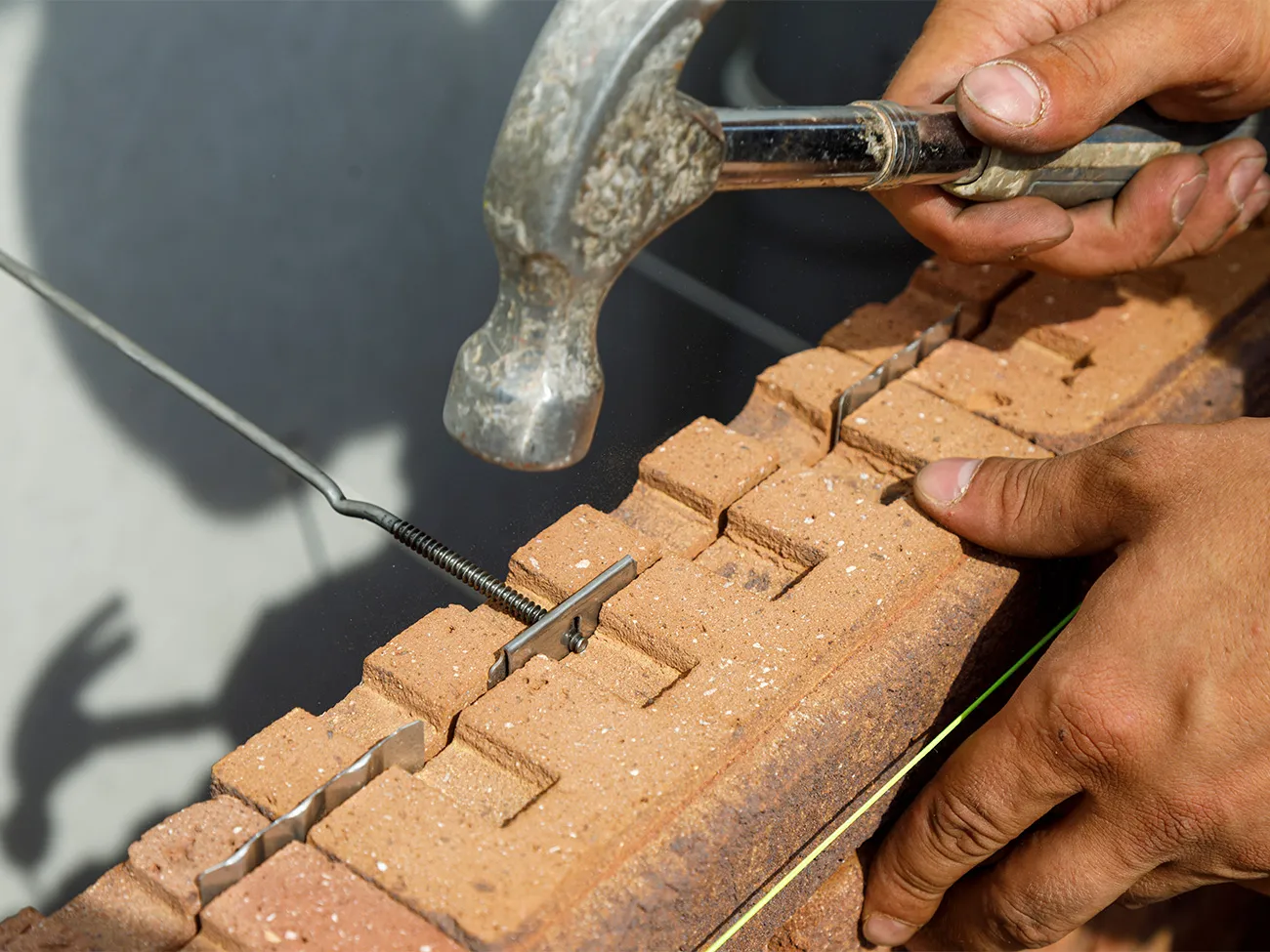
Aside from the aesthetic difference compared with ClickBrick Cube, there is no difference between the two products. The handmade facing bricks used in the dry-stacking system are also ground flat and feature grooves. Stainless steel clips connect the facing bricks via these grooves.
Support from preparation through to site
Designing with ClickBrick Pure is much like the traditional design process. The handmade variant of the dry-stacking system is 210 millimetres long and, after calibration, 62.5 millimetres high. It is suitable for an unrestricted bond and available in seven colours. The false joints create the familiar, traditional appearance of a brick façade.
ClickBrick makes a world of difference for contractors. It may take some getting used to working without mortar or adhesive at first, but the system offers productivity benefits over traditional bricklaying. It can also be used in cold or hot weather, when working with adhesive or mortar would not be possible. There is no site waste, and no materials need to be cleaned.
Wienerberger also supports contractors during project preparation. “We calculate how many bricks are needed and in what quantities, avoiding large surpluses. We also prepare laying plans and provide advice on expansion joints. The pallets are then prepared at our factories. On site, the contractor simply takes the facing bricks from the pallet and stacks them according to the plan,” the company says. There is no need to mix the bricks. If desired, Wienerberger can also support the contractor when starting work on a new site.
Positive experience
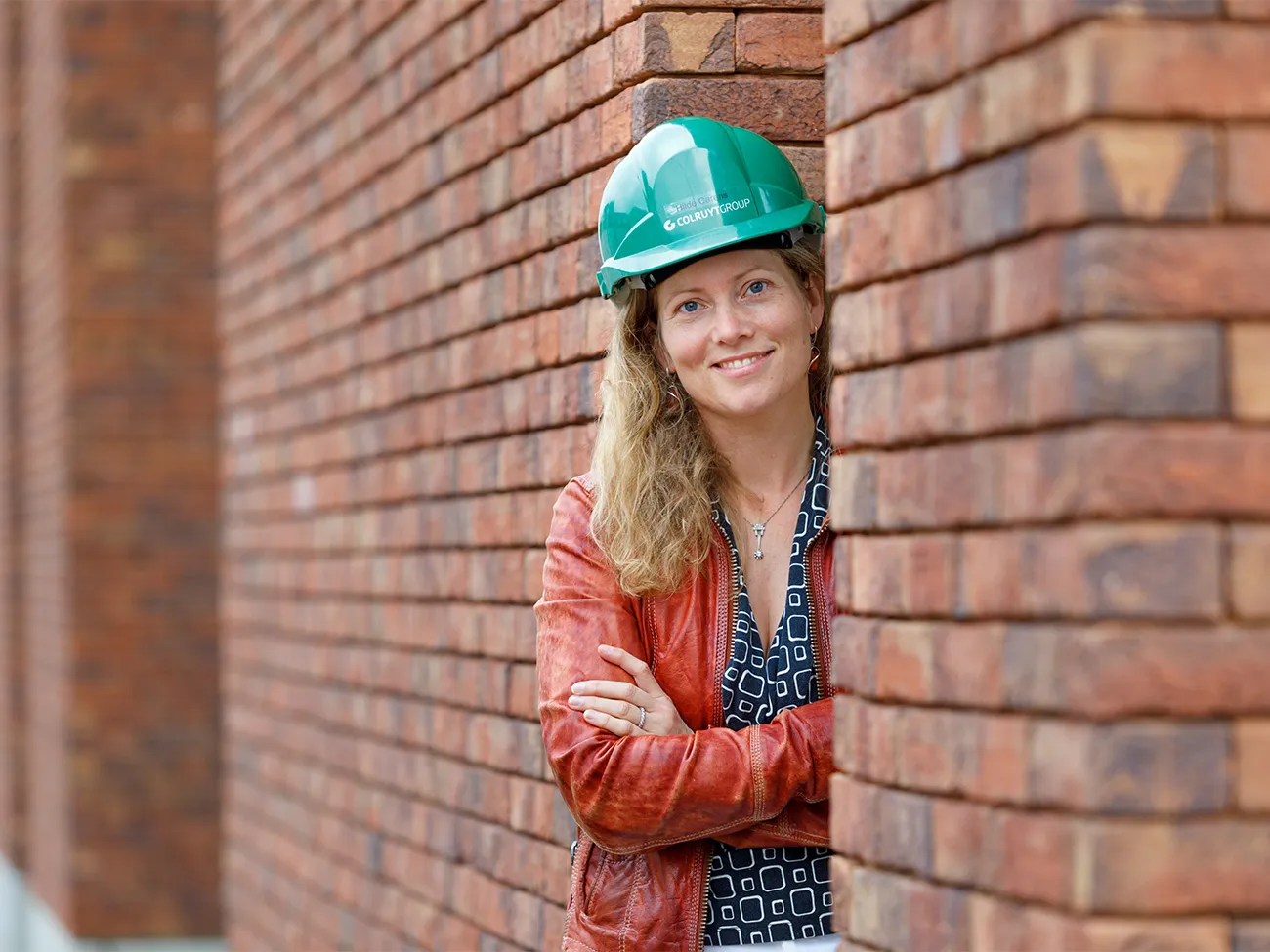
Colruyt Group is the first to use ClickBrick Pure in Belgium. Architect Hilde Carens, Project Leader Sustainable Building Materials at Colruyt Group Technics, used the Menton variant for a new supermarket in Zoersel. Two more pilot projects using ClickBrick Pure are due to start this year: a single-family home with an integrated care home in Ghent and a new university building for KU Leuven.
Question about this story? Ask your question
Keep following this
Get an email when a new story is published. No account needed.
- ThemeCircular construction and material awareness
- SubjectSustainable & circular