Building and renovation trends

Who is building or renovating in 2021?
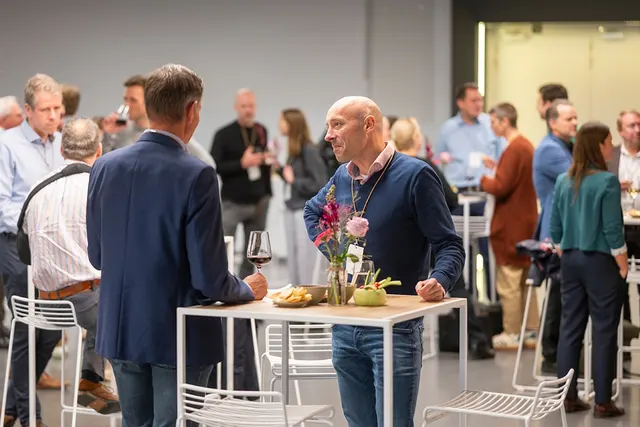
Who is building or renovating today? What are they concerned about, and how do they make their choices? A number of major players in the construction sector discussed these questions at a digital round-table meeting, together with marketing agency Essencia. How do they view the evolving market, and how can they respond effectively? What are the opportunities, bottlenecks and challenges? ArchiComm joined the discussion, keen to hear new insights into the housing market of yesterday and today, but above all, tomorrow’s.
Four topics were examined: the changing housing market, new types of housing and ways of using homes, smart homes, and finally sustainability, including EPB requirements and circular construction. What emerged? Although Belgians still have a brick in their stomach, more homes are now being built for the market than by the market. Belgians looking for a newly built home are increasingly turning to property developers and group housing projects. Those who do build or renovate themselves are noticeably better informed and more involved than before. Smart homes are a hot topic, although there is still plenty of potential. And while we are certainly on the right track with sustainability, there is still much to be done, particularly in the renovation market.
A changing housing market
One of the first figures highlighted is the current ratio of residential new-builds to renovations, measured by number of buildings. It is roughly 50:50, a ratio that has remained more or less stable for the past eighteen years. Looking at the ratio by number of homes, newly built residential properties account for the majority, at 62 per cent. Project developers are increasingly involved in building these new homes, with group housing projects also making up part of the supply.
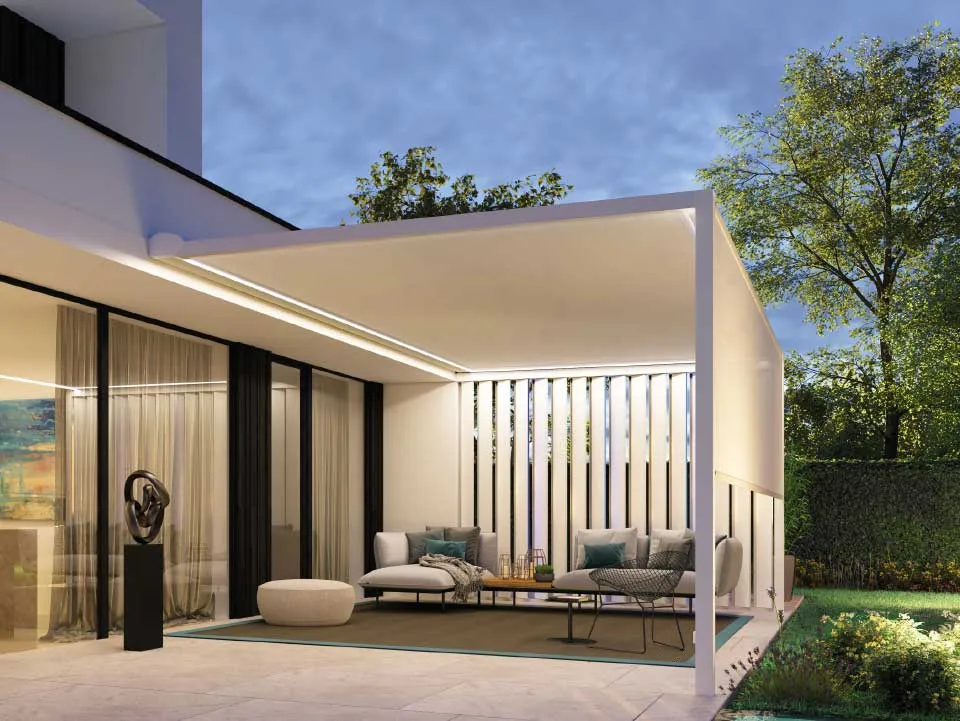
Looking at housing types, detached homes are losing ground to semi-detached and terraced homes. Notably, detached homes held their own in 2020 and even gained slightly in popularity, which may be attributed to the pandemic and the desire for more space and a garden. Nevertheless, the overall trend is towards smaller homes for Belgians, albeit with high expectations when it comes to comfort.
Comfort and quality come first
In both new-builds and renovations, Belgians attach more importance than ever to personalised, high-quality products and solutions. Lieven Verstaen of Daikin says: “In the new-build market, we are indeed seeing a clear shift towards the project division. But among private clients building, and especially renovating, we are also seeing growing interest in well-considered solutions, with quality taking priority. We have also seen strong growth in the renovation market, particularly in demand for multi-split systems. The reason? Three hot summers and the effect of the pandemic, which saw people spend their travel budgets on upgrading their homes.”
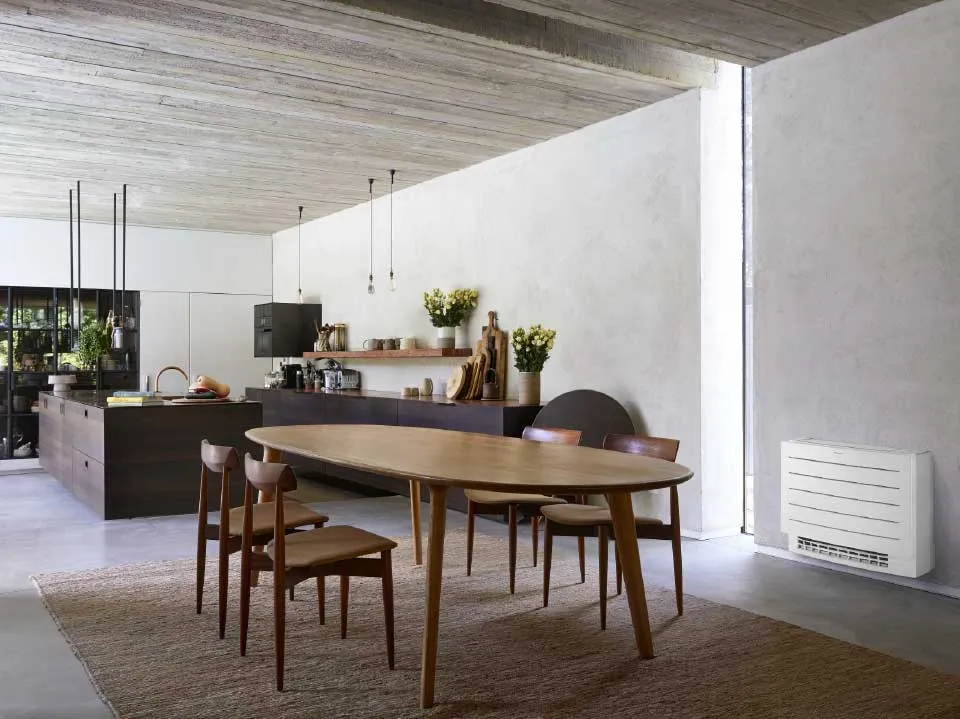
Daikin has also noted increased attention to indoor air quality and demand for active filtration, a trend also driven by the pandemic. “The desire for comfort remains strong, even in the bathroom of a more compact home,” confirms Pascale Curias of FACQ.
“And Belgians are more willing than ever to invest in it.”
The customer journey starts online
How involved is the average Belgian in building or renovating their home? Frank Gyzels of Sto says: “Consumers are more involved than ever in overseeing their homes, in consultation with their architects.” Velux has noticed the same: “People first look for information online, including on various construction platforms. But afterwards, they still want to consult an expert to confirm their findings.”
In other words, the customer journey increasingly starts online. Sabine Merlevede of Wienerberger says: “This means our showroom advisers receive more targeted questions, not only about aesthetics but also about technical aspects.” In summary, people building or renovating in 2021 are noticeably more involved in the process, well informed and consequently increasingly demanding. Construction professionals can no longer afford to ignore this, and need to be prepared.
In search of light
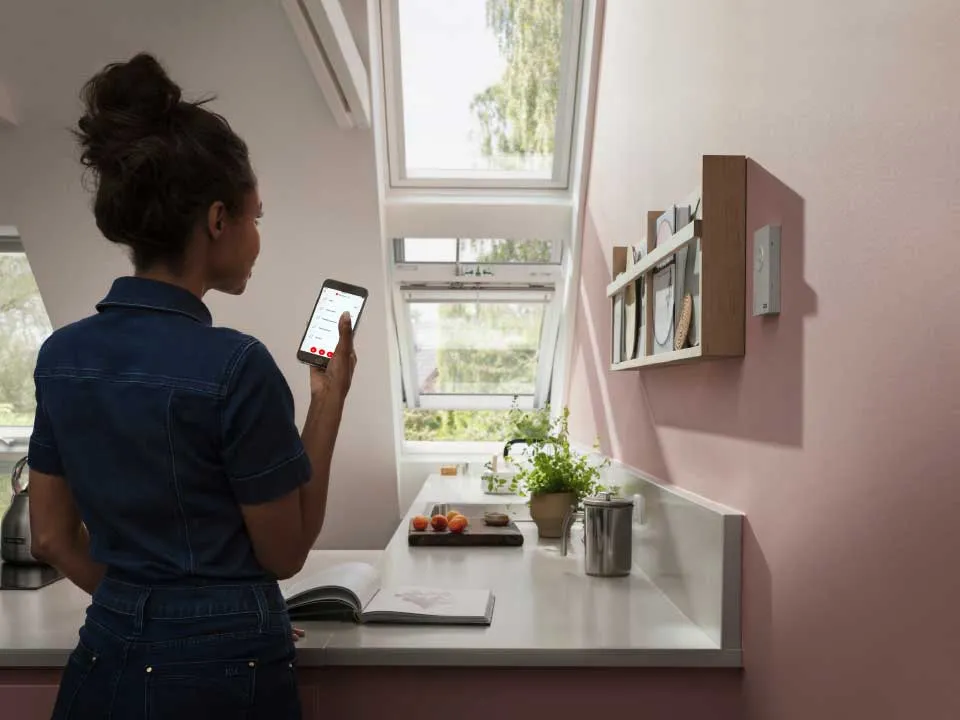
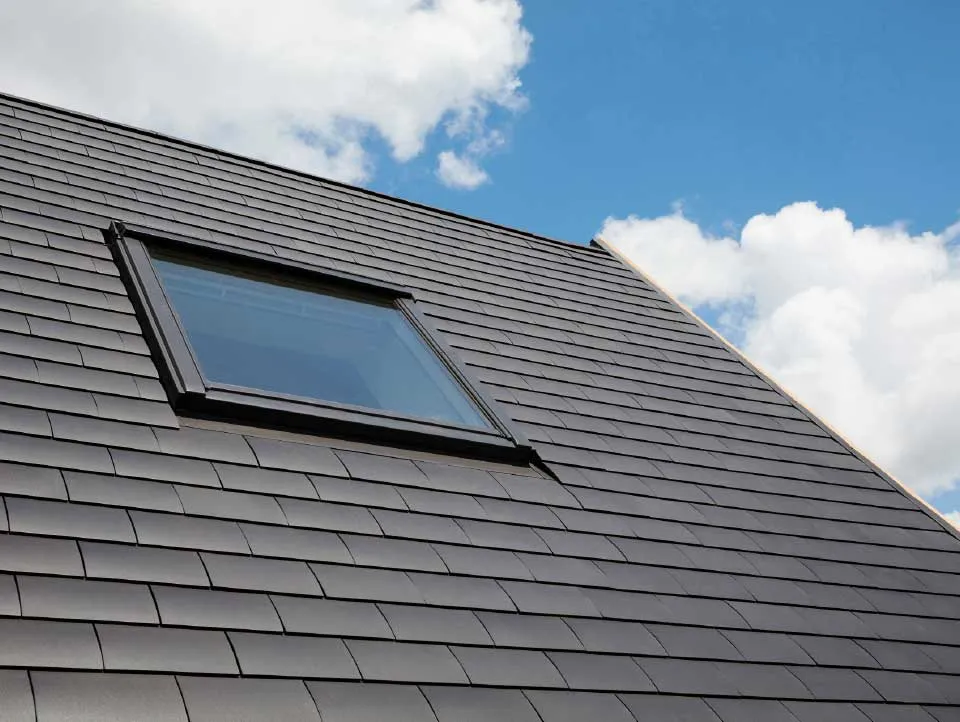
Comfort matters, not only in the home but also in the garden. Bart Van Hal of Husqvarna says: “The garden is more than ever part of the living experience, and the available space is being used more efficiently.” The boundaries between indoors and outdoors also seem to be blurring further. To begin with, demand for pergolas and patio canopies is on the rise. Johan Lisabeth of Winsol says: “The outdoors is being brought inside more and more. People are constantly looking for light in the home. It is about making the most of the sense of space. Large windows with slim frames are gaining popularity, combined with optimal comfort.” Yves Sottiaux of Velux agrees: “Today, people are more likely to choose two roof windows rather than one in the bedroom. That is why Velux is launching a new product: the 2-in-1 window, with two windows in a single frame.” This innovation, developed in response to demand, meets the need for more light and, consequently, greater comfort at home.
The digital (r)evolution
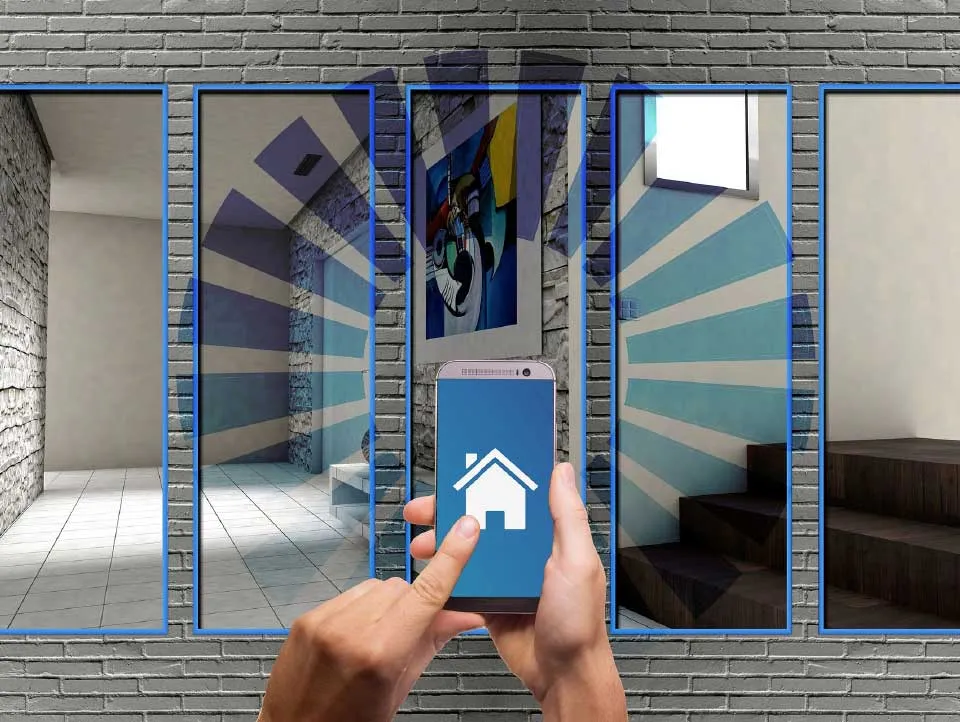
How smart is the home in 2021? According to a study by Essencia, the share of home automation in the renovation market is growing every year, but remains relatively low overall. No less than 46 per cent of Belgians feel that home automation adds too little value. It is too expensive for what it offers. Of all respondents who did choose home automation, 74 per cent did so for comfort. Only 27 per cent opted for automation and home automation to save energy. And that is precisely where there is still plenty of opportunity and many challenges. “An energy transition is impossible without this digital revolution,” says Daikin. Lieven Verstaen adds: “Connectivity will inevitably play an important role in the decision-making process of 30-year-olds building or renovating, who have grown up with smartphones and apps. And although choices are currently driven mainly by comfort, the wider rollout of the digital meter will change that. Home automation will increasingly be used to avoid power peaks.” Pascale Curias of FACQ says: “There is already real interest in platforms for water management and
saving water, which allow everything to be controlled from a single central point.”
Alongside the energy benefits, comfort remains an important factor. There are plenty of opportunities in this area too. Essencia points to smart lifts that help make homes suitable for all stages of life. For example, could groceries ordered online be delivered by lift to the right floor while the courier is already on the way to the next address?
Renovating with energy efficiency in mind
How energy-conscious is the average Belgian? Around 34 per cent say they renovate to modernise their home. Only 18 per cent do so to save energy. And just 7 per cent of homeowners know their home’s E-level. Frank Gyzels of Sto says: “Around 60 per cent of the existing housing stock is poorly insulated. Given that an average household emits 15 tonnes of CO2 to heat its home, the impact is significant.”
When the general public were asked what they thought about energy performance, 45 per cent felt that investments to improve it deliver more than they cost. Notably, this figure was still 51 per cent in 2012 and has therefore been declining. In other words, the average Belgian is less convinced of the added value of investments to make their home more energy-efficient. There is still work to be done.
Circular construction
According to Essencia, little data is available on circular construction. A survey of procurement staff at large construction companies found that using circular building materials remains difficult at present. That has not stopped manufacturers from conducting extensive research. Daikin, for example, is working on the recovery of refrigerants. Wienerberger is developing lime mortars that make it easier to dismantle and reuse facing bricks. It is also researching an innovative dry-stacking system. Sabine Merlevede of Wienerberger says: “Private individuals are still somewhat less concerned about this, but once the legislation and policy are in place, consumers will also be more likely to choose sustainable products made according to circular principles.”
Bieke Gepts of Essencia says: “A great deal is happening at European level around ‘the footprint of the building’. It is certainly conceivable that in future buildings will be assigned not only an E-level but also an environmental rating, determined by the sustainability of the materials used.” Manufacturers are willing, but legislators still have a role to play. All the partners agree on this conclusion.
With thanks to Daikin, Sto, Husqvarna, FACQ, Wienerberger, Velux and Winsol.
Question about this story? Ask your question
Keep following this
Get an email when a new story is published. No account needed.
- ThemeGiving existing buildings a new future
- SubjectSustainable & circular