A sustainable approach to refrigeration is an absolute must
Text Laureline VansteenkisteImage iStock
Climate control and refrigeration are becoming increasingly important as a result of climate change, while also presenting a major challenge. Energy-efficient systems are essential to minimise environmental impact. Sustainability is therefore a key issue in the HVAC industry. Further digitalisation is needed, with due attention to IT security.
As part of the drive for more sustainable solutions, energy efficiency, the circular economy and digitalisation are high on the agenda for many players in the HVAC sector. When it comes to cooling and ventilation, indoor air quality is becoming increasingly important.
Sustainability
A drastic reduction in CO2 emissions and other greenhouse gas emissions is crucial to tackling climate change. The refrigeration sector plays an important role in this, because cooling and air conditioning require much more energy than heating and therefore consume vast amounts of electricity. At the same time, demand is growing for heat pumps and underfloor heating, not only in residential and commercial buildings, but increasingly in industrial settings too. Energy-efficient appliances are essential to curb this substantial demand for additional electricity.
Another issue is the use of synthetic refrigerants. Their emissions and leakage have a significant negative impact on the environment. Earlier this year, Europe published a revision of the F-gas Regulation, with the European Commission calling for an accelerated phase-out of refrigerants containing fluorinated greenhouse gases. Negotiations with the various member states are now well under way. Environmentally friendly refrigerants, such as ammonia (NH3), CO2 (R744) and propane (R290), are a good alternative and are increasingly being used. These natural refrigerants are set to become the norm, particularly in new refrigeration systems.
Digitalisation
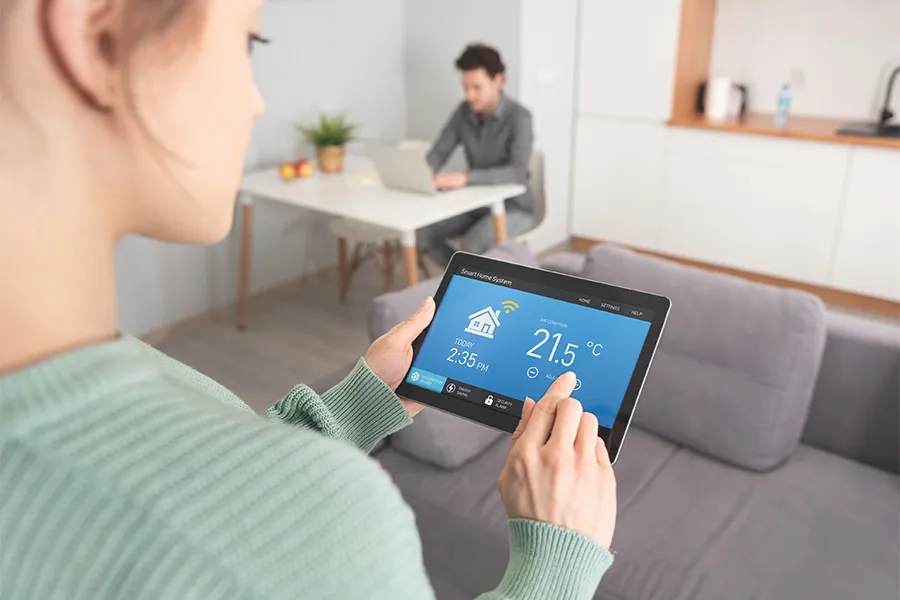
The refrigeration industry has already taken steps towards digitalisation, including monitoring and the automated control of cooling systems. Installers are increasingly using digital tools to measure and report. There is still scope for further development, however, through the use of new technologies such as the Internet of Things (IoT), smart sensors and big data. This data can be used to further optimise the operation and maintenance of refrigeration systems: reducing the number of system failures, improving safety, targeting maintenance more effectively and lowering operating costs. Advanced control systems also optimise the operation of cooling systems, thereby contributing to more efficient energy use.
Indoor air quality
We spend a large part of our lives indoors: at home, at school, in the office or in commercial premises. The air quality in buildings contributes to the health, comfort and wellbeing of their occupants or employees. What is more, poor indoor air quality can cause or exacerbate conditions such as allergies, asthma, fatigue, headaches, and irritation of the eyes and respiratory tract.
Creating healthy indoor air requires not only efficient cooling systems that regulate temperature and humidity, but also a good ventilation system and the use of advanced air filtration and purification methods. Regular inspections and maintenance of refrigeration systems are essential to maintain optimum performance and air quality. Sensors can also be used to better coordinate the different systems. That the focus on healthy indoor air is no passing trend is demonstrated by the LEED and BREEAM certification systems, which assess the sustainability and health of buildings, with air quality as a key component.
Question about this story? Ask your question
Keep following this
Get an email when a new story is published. No account needed.
- SubjectSustainable & circular