10 climate measures for the construction sector
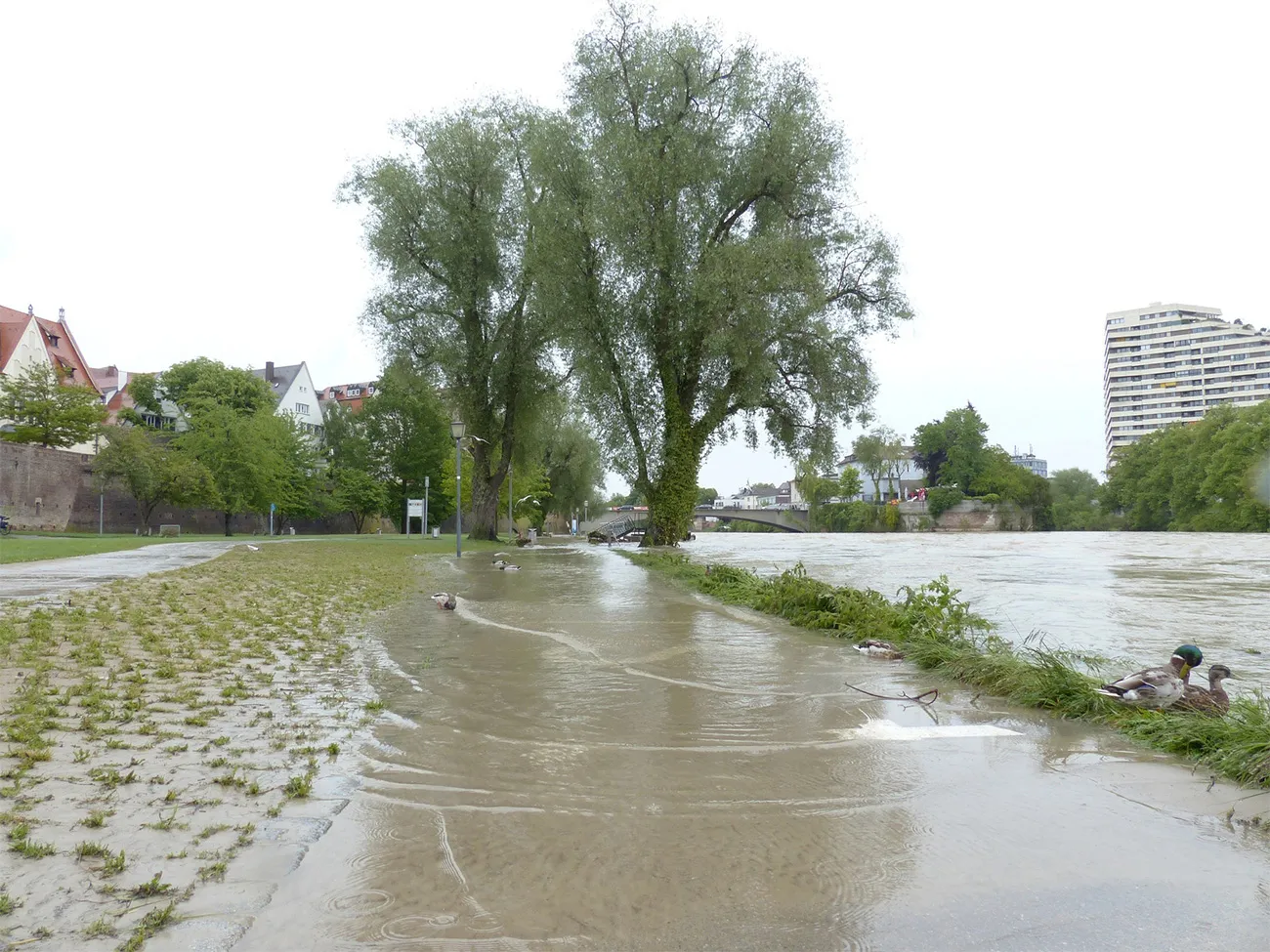
Following last year’s devastating floods, our country was once again hit by a persistent drought this summer. Climate experts are sounding the alarm as records continue to fall in rapid succession and extreme weather becomes ever more extreme. Only by pursuing the 2050 climate targets can we limit the damage to future generations to some extent. Given the construction sector’s important role in this, architectura.be has drawn up a list of ten crucial climate measures together with Sven Augusteyns (OMGEVING), Angelos Koutsis (Bond Beter Leefmilieu) and Wim Boydens (Boydens Engineering part of Sweco).
1. Protect and strengthen landscapes and natural areas
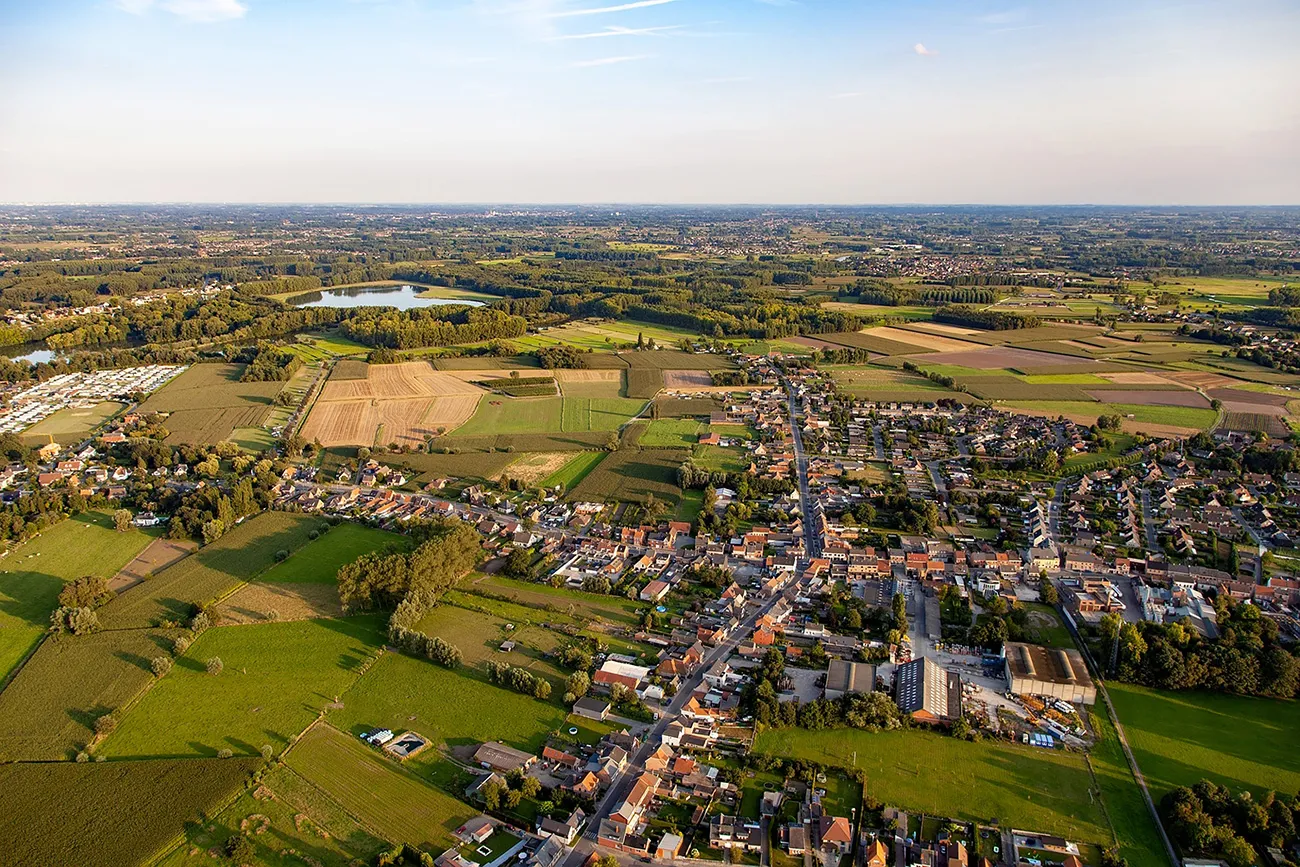
In Flanders, the proportion of sealed surfaces is increasing every day. This is because we do too little to protect our landscapes and natural areas, causing them to dry out. “We need to pay more attention to our landscapes, and the construction sector has an important role to play in this, as it must provide the right infrastructure,” says Sven Augusteyns. “When we build, we need to consider the right location in relation to the landscape, so that we do not make the problem worse.”
2. Make room for water
In the summer of 2021, we experienced first-hand just how essential this measure is. No less than 280 litres/m² of rain fell in the Ardennes. “Not building in flood-prone areas is an obvious quick win. But how do we deal with the people who already live there? And what measures should we take in those areas?” asks Angelos Koutsis.
3. Build in the right location
Action point 3 follows on from action point 2. Too much building is still taking place in the wrong locations. “It makes no sense to keep building in locations that are difficult to reach. By moving away from ribbon development and living more in town and city centres, we can reach all amenities within 15 minutes, provided there is well-connected public transport. Of course, we also need to live in smaller homes,” says Angelos Koutsis.
4. The 15-minute concept
Everything you need to do to meet your needs should be within 15 minutes of your front door. We can achieve this not only by no longer living outside town and city centres, but also by adapting our homes to new forms of mobility. “We need to strive for urban planning that prioritises cycling. Where we currently build car parks, we should make space for bicycles, so that cycling becomes our primary mode of transport,” says Sven Augusteyns.
5. Increase the renovation rate
If we want to upgrade all our buildings to EPC label A by 2050, the renovation rate must triple
(from 1 to 3 per cent). This means around ninety thousand homes will need to be renovated every year. “Making it compulsory is necessary, because private owners do not feel the loss in value,” says Wim Boydens. “People often think they can sell just before the value drops. That behaviour needs to change, and we should see it as a positive, because investing now increases the value of your property.”
6. Phase out fossil fuels
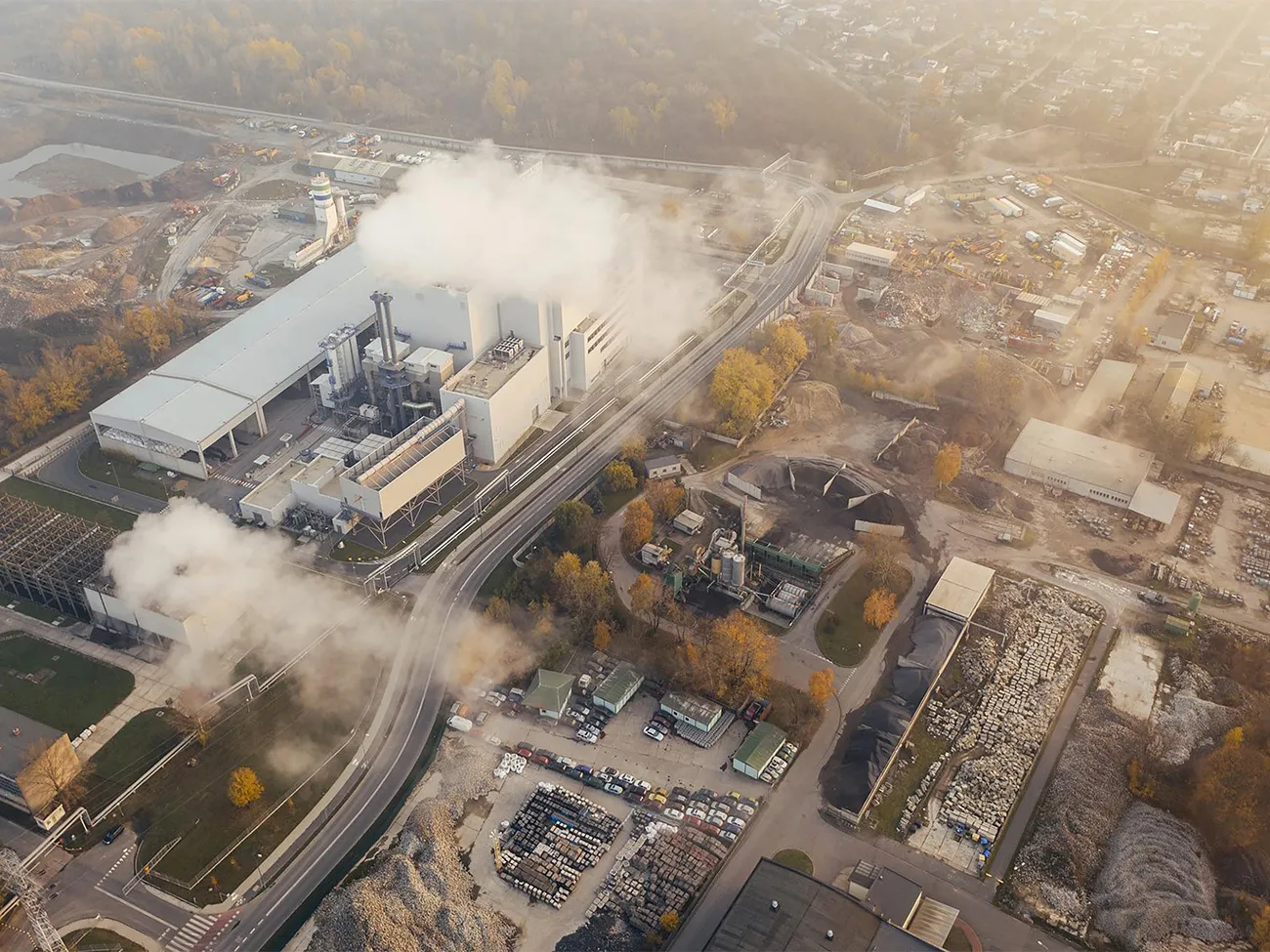
It is obvious that we need to move away from fossil fuels. It is also important to consider how building services are used, controlled and managed. We also need to decide which systems to ban. “There should be a phase-out schedule for oil- and gas-fired boilers,” says Angelos Koutsis, who stresses that many alternatives to fossil fuels are already available.
7. Introduce socially just measures
Energy prices have risen dramatically in recent months. However, it is important to ensure that people on low incomes are included in the renovation strategy. “If they have to renovate later, they will have spent many more years paying for gas and living in poor conditions,” Koutsis stresses. It is therefore essential to limit the social impact of the climate transition.
8. Cluster buildings and make them work together
Energy is usually considered on a home-by-home basis, whereas we would be better off taking a broader view. “We need to look more at what buildings and their surrounding communities can do for one another. We are still constrained by ownership issues and our attachment to property, but ultimately this shared goal promotes everyone’s wellbeing,” says Wim Boydens.
9. Apply new technologies intelligently
The construction sector needs to develop into a knowledge-based sector. One of the ideas Wim Boydens puts forward is the use of artificial intelligence. “This would allow building services to use model-based predictive control. Using a virtual model, it determines what control actions are needed, enabling us to anticipate weather conditions and user behaviour.”
10. Circularity
Building services are not the only source of CO2 emissions. The materials used to construct our buildings also generate emissions, during production, through transport or because they cannot be recycled. “That is why it is important to carry out life-cycle assessments of building materials. This tells us how much CO2 is released during production, how much energy production requires, whether the material is sustainable, and so on,” concludes Angelos Koutsis.
Question about this story? Ask your question
Keep following this
Get an email when a new story is published. No account needed.
- SubjectSustainable & circular