Precast concrete for efficient high-rise construction
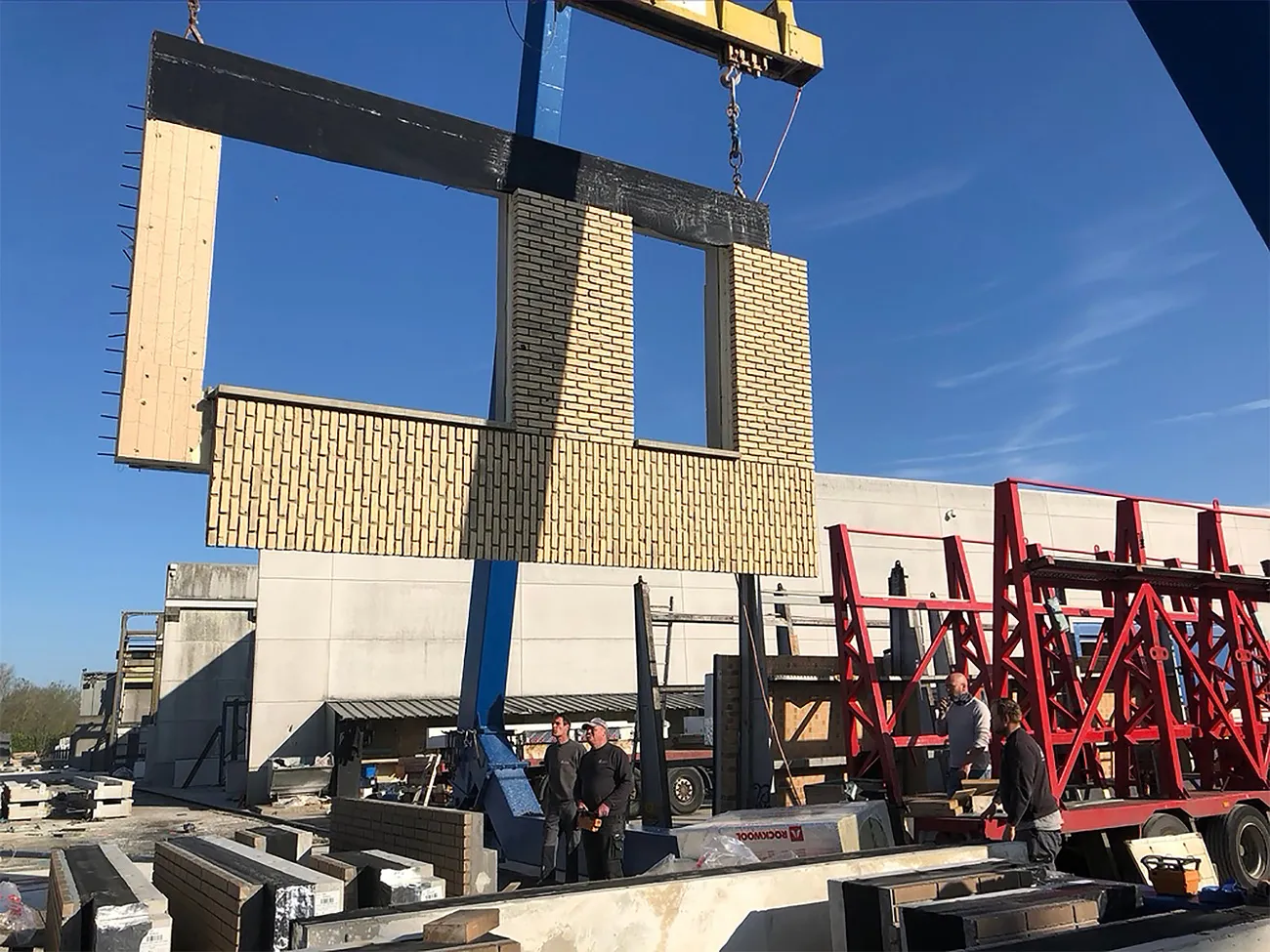
Manufacturing company Loveld, based in Aalter, specialises in precast architectural concrete. It combines the structural properties of conventional grey concrete with a high-quality aesthetic finish. Loveld recently worked on the O’Sea Fase 2 residential project in Oostende, among others.
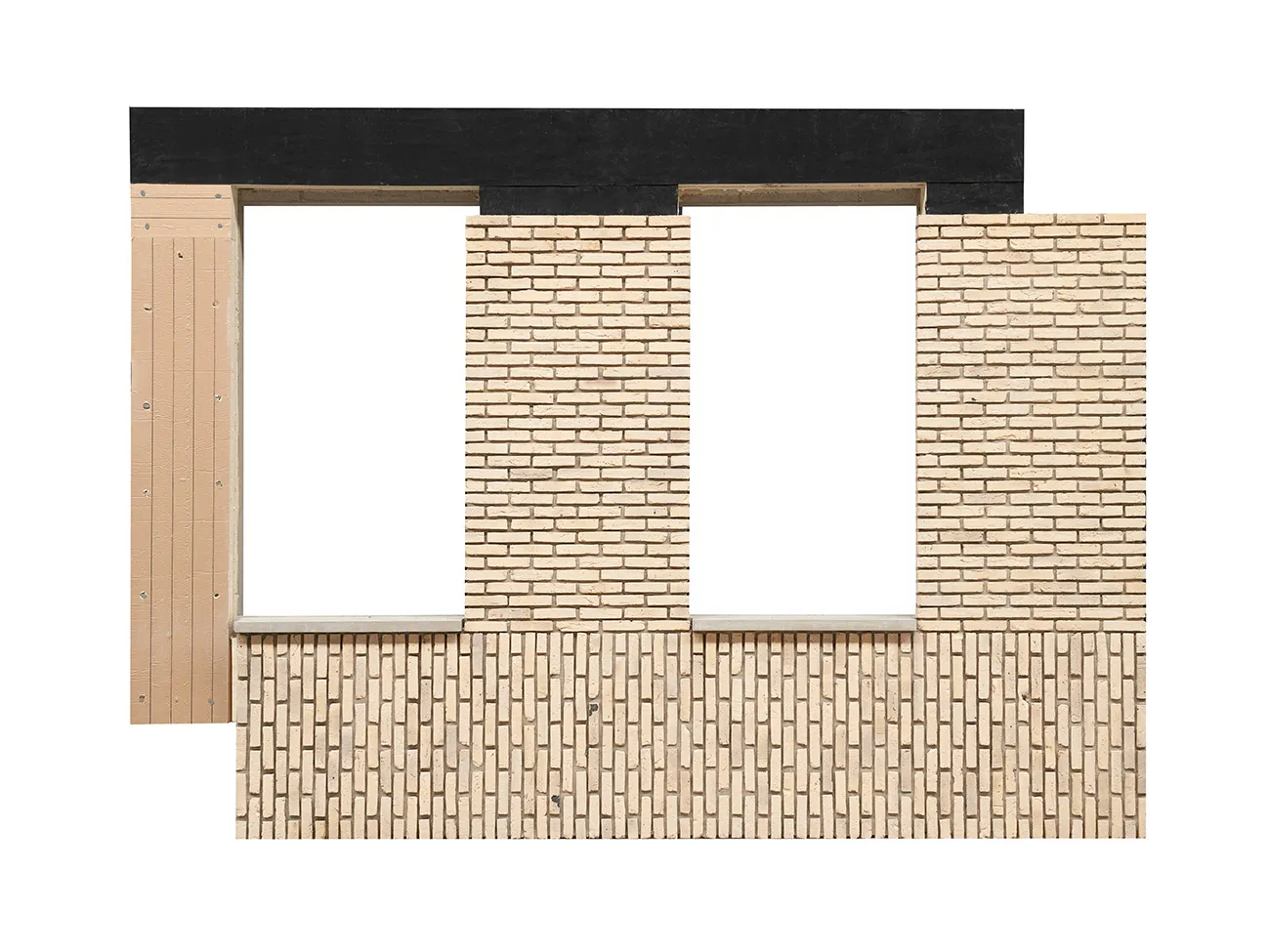
Precast architectural concrete offers the benefits of conventional precast concrete, with the added advantage of a high-quality architectural finish. Vincent Termote of Loveld: “Most people associate precast with traditional grey concrete, but our options are virtually endless. As well as coloured and treated concrete, we can incorporate other materials such as brick, natural stone, ceramics and more into precast concrete.”
Over the past 36 years, Loveld has continued to develop its production capabilities for high-rise buildings and other large projects. “Office buildings, residential towers and utility projects account for the vast majority of our commissions,” says Termote. “Three quarters of our work also comes from abroad, mainly from the Netherlands and England. High-rise buildings are more commonplace in major cities such as Amsterdam and London than they are here, although the tide is turning in Belgium too: high-rise construction is making significant advances.”
Heavy traffic
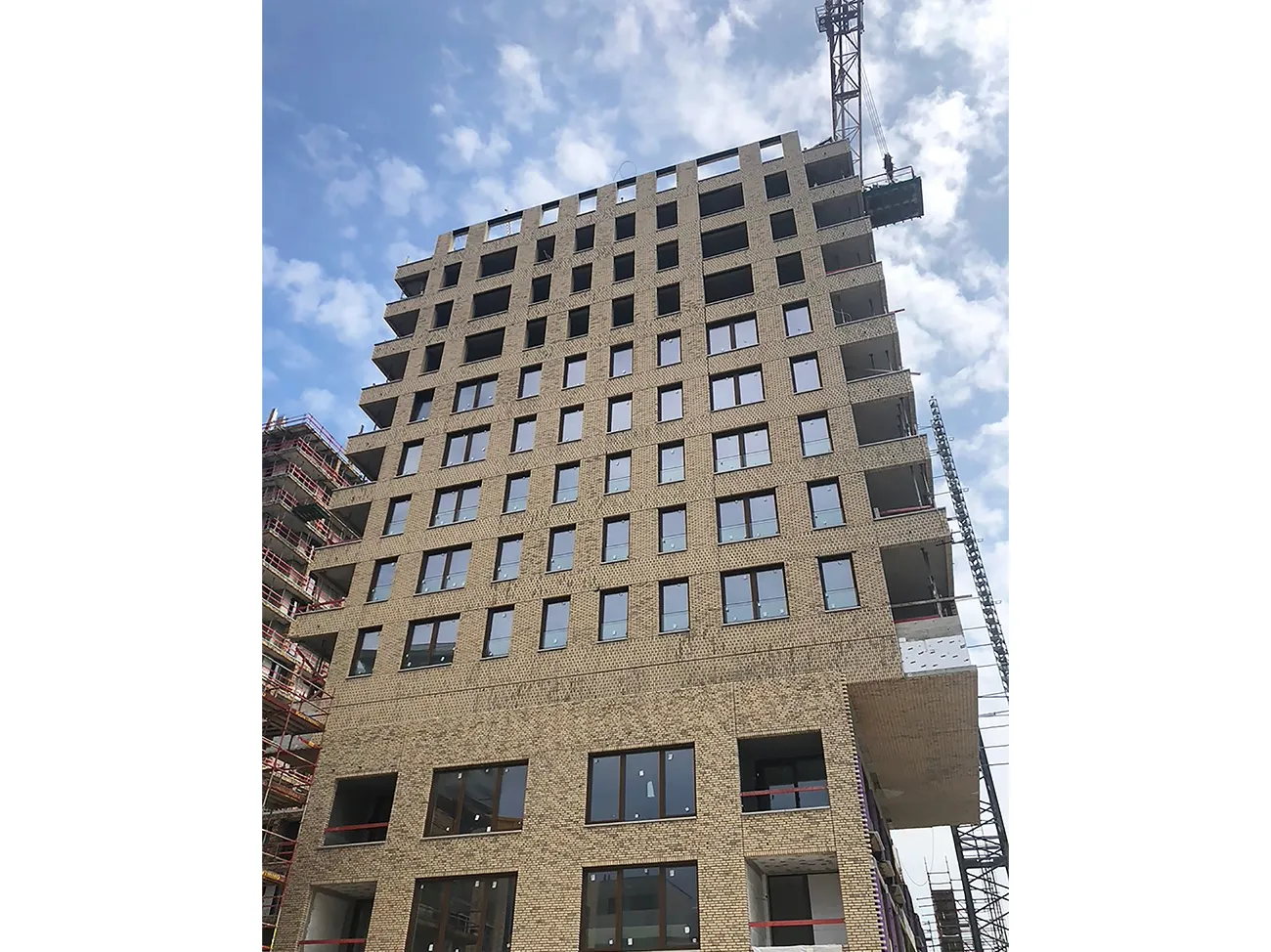
The main advantage of precast concrete over conventional cladding is practical. “Building a high-rise in the middle of a large city is usually a logistical challenge in terms of transport and site management. With heavy traffic and even public transport passing through, it is not easy to simply close roads and bring in materials and large cranes for extended periods. A building constructed using traditional methods takes much longer than one assembled from large, ready-made precast elements. The impact and disruption to the surrounding area are far lower.”
To maximise the advantages over traditional construction methods, Loveld developed specific production techniques to integrate as much site work as possible into the precast elements at the factory. “All the functions are incorporated into a single element: structural concrete, insulation and cladding. Even windows, railings, electrical fittings and more can be installed at the factory. An entire storey can thus be made fully wind- and watertight in a very short time, while the contractor can watch the building rise without a worry.”
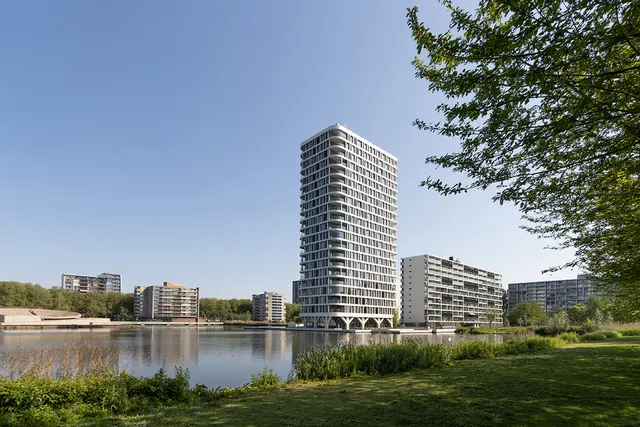
The residential towers at O’Sea in Oostende are a recent Loveld project. “The original design for this project specified glued brick slips on rigid board. However, above a certain height, this construction method is no longer straightforward, from either a logistical or a technical point of view,” says Termote. “That is why taller buildings often use precast elements with brick slips cast in.”
Wind loads
The buildings at O’Sea are 44, 50 and 56 metres tall respectively. Their height and position on the second line behind the coast expose the façades to considerable wind loads. They are also subject to sandstorms and other adverse weather conditions. Fortunately, Loveld had a ready-made solution to the risk of conventionally bonded brick slips coming loose in these conditions. As the slips are fully embedded in the concrete, Loveld can guarantee that they will not come loose, either in the short or long term.
From a design perspective, the architect did have to adjust a few principles to minimise the visibility of the joints between the elements. Interruptions to a particular joint pattern caused by the joints between precast elements are inherent to the product. However, the architect addressed this very creatively, turning a horizontal irregular bond into a vertical irregular bond. This makes the joints between the elements invisible, as they are identical to the vertical perpends in the brickwork pattern. The result is a façade with no visible joints, almost identical to traditionally laid brickwork.
PROJECT DETAILS
Project: O’Sea
Location: Oostende
Architect: CONIX RDBM Architects
Question about this story? Ask your question
Keep following this
Get an email when a new story is published. No account needed.
- SubjectProjects