Breaking boundaries: architecture as a social bond
Text Eva GoossensImage Tomio Ohashi
Pritzker Architecture Prize laureate Riken Yamamoto
For this edition of our Breaking Boundaries series, we turn to Japan and, more specifically, the work of Riken Yamamoto, laureate of the renowned Pritzker Architecture Prize. Although born in China, Yamamoto is the ninth architect living in Japan to receive this honour since the prize was established in 1979. His work is characterised by a high degree of transparency and the importance he places on building community. The remarkable Hiroshima Nishio Fire Station is a striking example.
“For me, recognising space means recognising an entire community,” says Yamamoto. “Today’s approach to architecture emphasises privacy, denying the need for social relationships.” The work of Riken Yamamoto (born 1945) stands out for the way it harmonises public and private spaces, fostering social interaction and a sense of belonging in the modern urban context. Alejandro Aravena, chair of the jury and 2016 Pritzker Prize laureate, says: “By carefully blurring the boundary between public and private, Yamamoto makes a positive contribution to the community that goes beyond the brief. He is a reassuring architect who brings dignity to everyday life. The ordinary becomes extraordinary. Calm leads to beauty.”
A shared dimension
Whether designing his own home, social housing, a university or school, a museum or a fire station, the shared dimension has been central to all his work over the past five decades. A striking example is the Pangyo Housing project (Seongnam-si, South Korea, 2010), for which he designed nine blocks with a shared deck on the second floor, known as ‘shiki’, to encourage interaction between neighbours. Saitama Prefectural University (Koshigaya, Japan, 1999) also consists of nine buildings connected by terraces that flow into pathways. Transparent volumes link not only classrooms but also the different buildings, with the aim of encouraging interdisciplinary learning. His projects are mainly located in Japan, China and South Korea. In Europe, he designed The Circle, the airport complex in Zurich, completed in 2020. At 80,000 square metres, it is the largest LEED Platinum-certified building complex on the continent.

A remarkable fire station
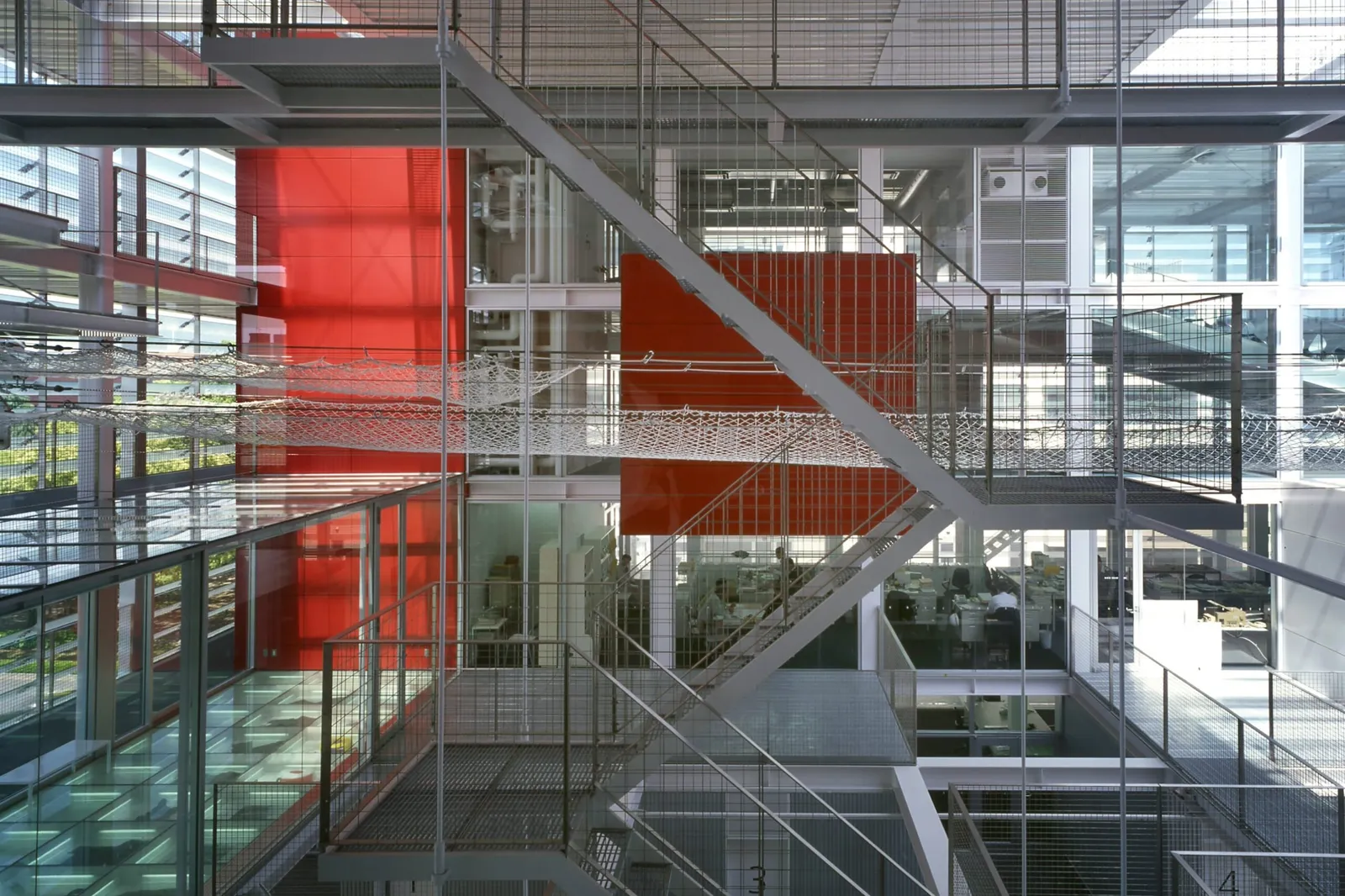
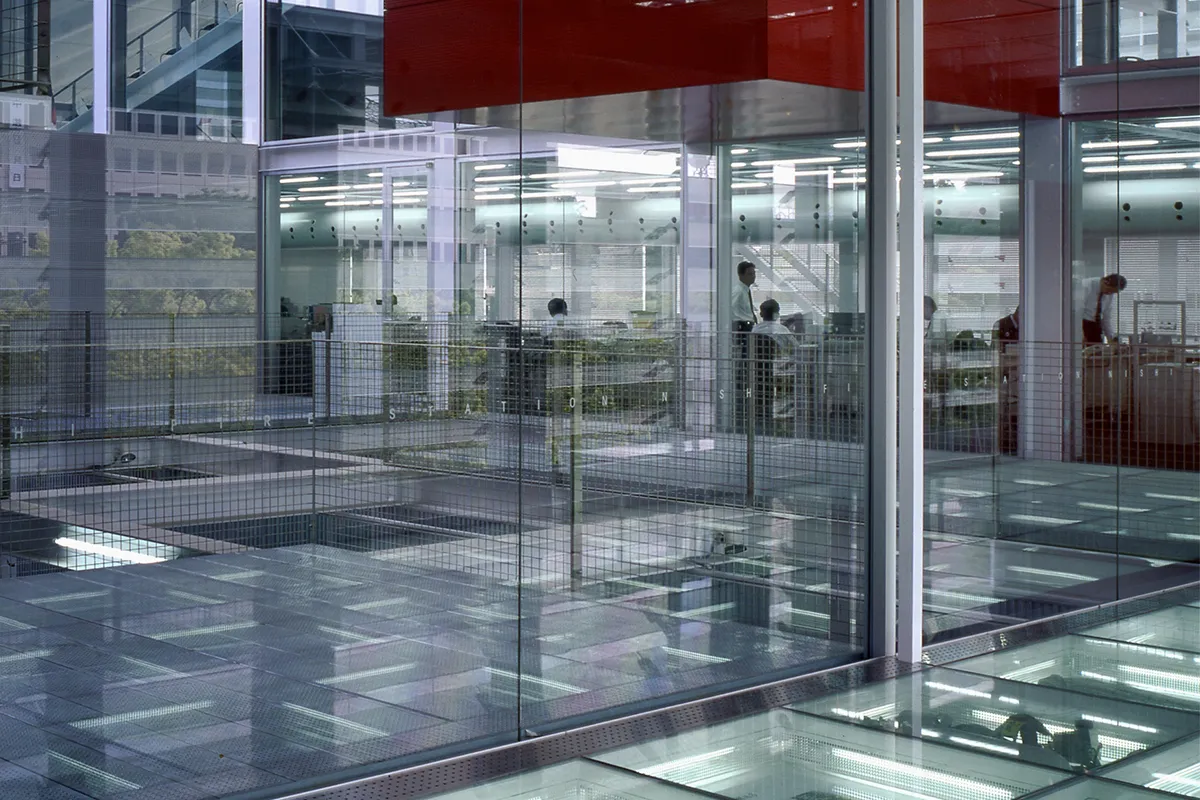
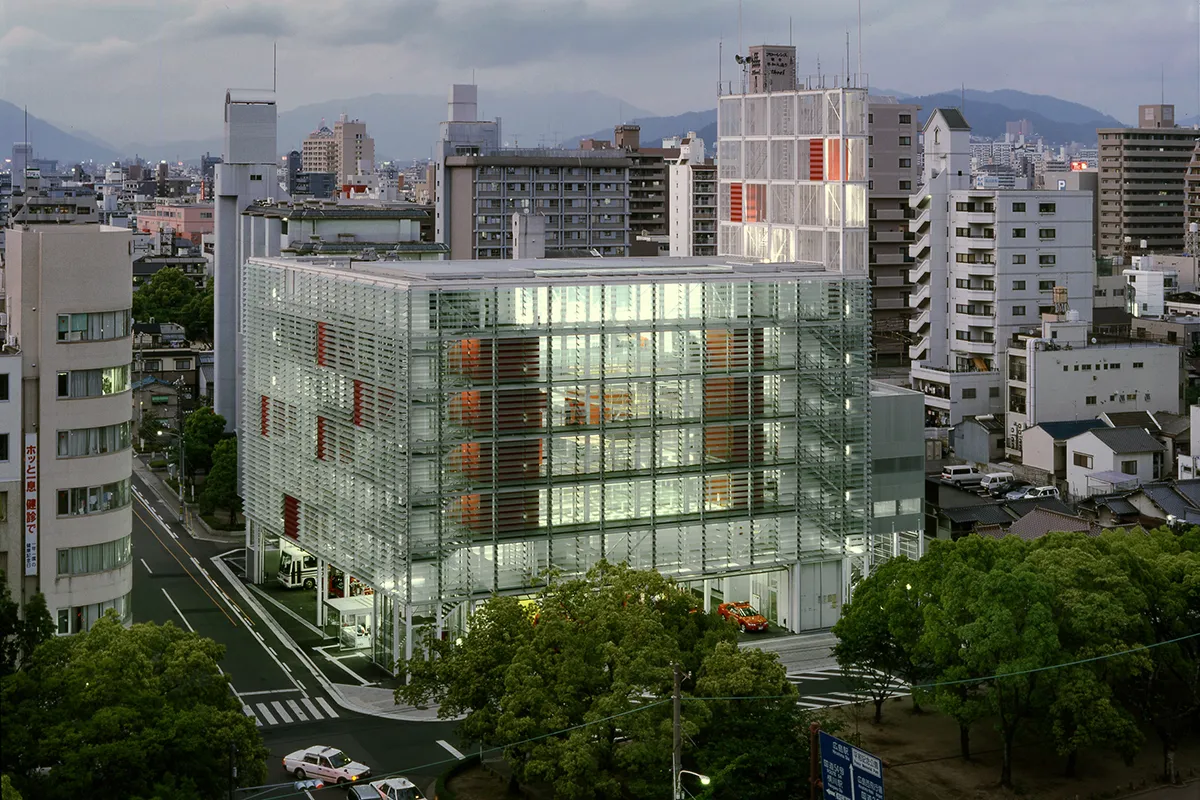
The Hiroshima Nishi Fire Station in Hiroshima is a building in which his views on transparency come to the fore. Apart from a few enclosed areas, the entire building consists of spaces separated by glass. The design reflects Yamamoto’s philosophy that architecture should not merely provide functional space, but also serve as a community hub that contributes to its surroundings. The architecture is characterised by large glazed surfaces that maximise natural light and create a sense of connection with the outside world. The exhibition lobby and the visitors’ terrace on the fourth floor are open to the public. From these spaces, visitors can watch firefighters training, attend lectures in the auditorium, and more. And ArchiComm is certainly not the only one to have noticed the building. The Japanese press reports a marked increase in visitors and tourists since Yamamoto won the Pritzker Architecture Prize. It is an innovative building that is meant to be seen, and continues to attract attention almost a quarter of a century after its completion.
Question about this story? Ask your question
In this story
- Project:Hiroshima Nishi Fire Station
- Location:Hiroshima, Japan
- Architect:Riken Yamamoto
Keep following this
Get an email when a new story is published. No account needed.
- SubjectProjects