Architecture abroad
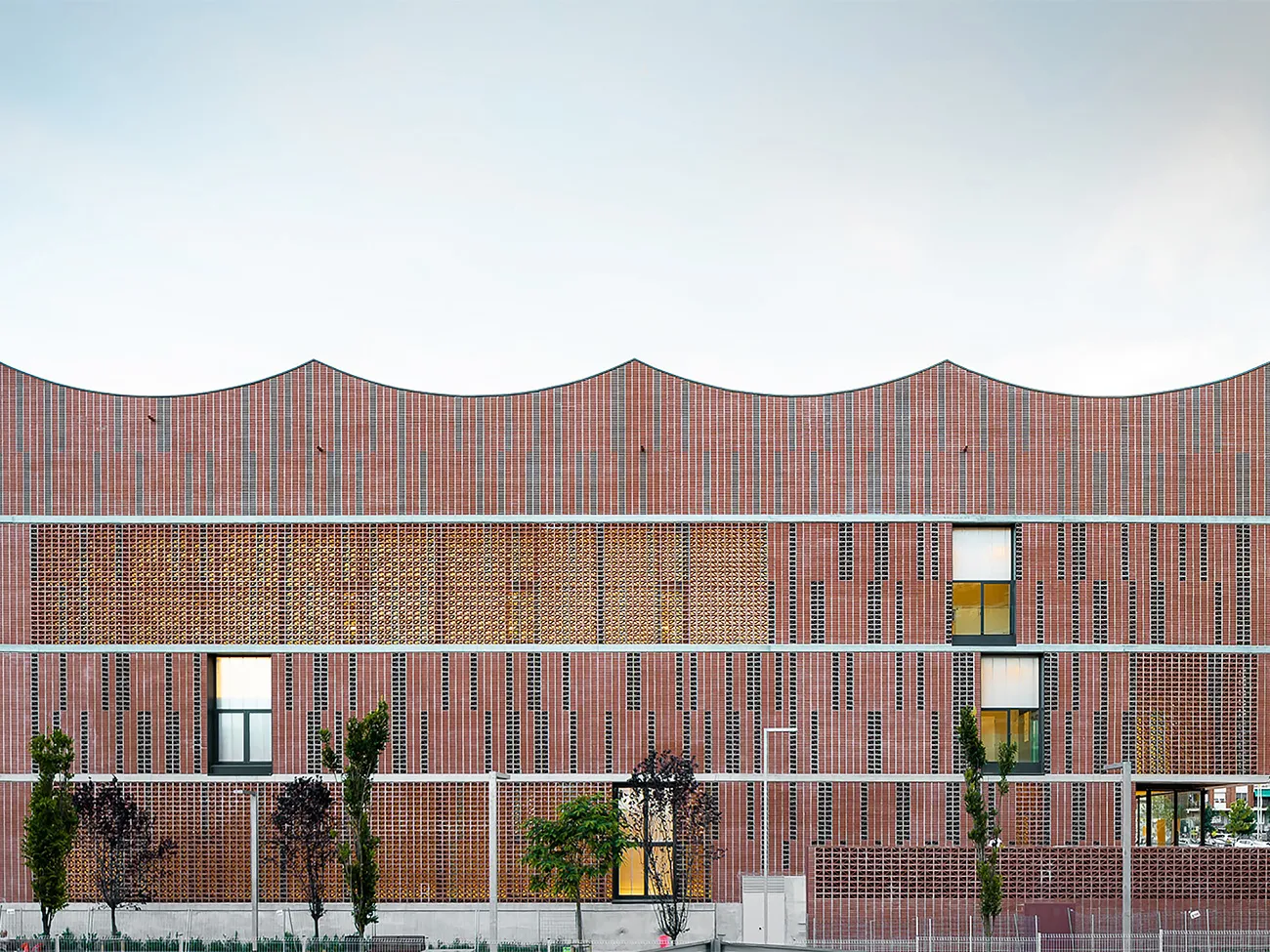
It is not only Belgians who have a brick in their stomach. These remarkable international projects, shortlisted for the Brick Award 22 architecture prize, prove it. They are among the 50 nominees, selected from almost 789 submissions, setting a new record. We will find out who the eventual winner is in June 2022. For now, here is a taste of what is to come, with these three striking international projects.
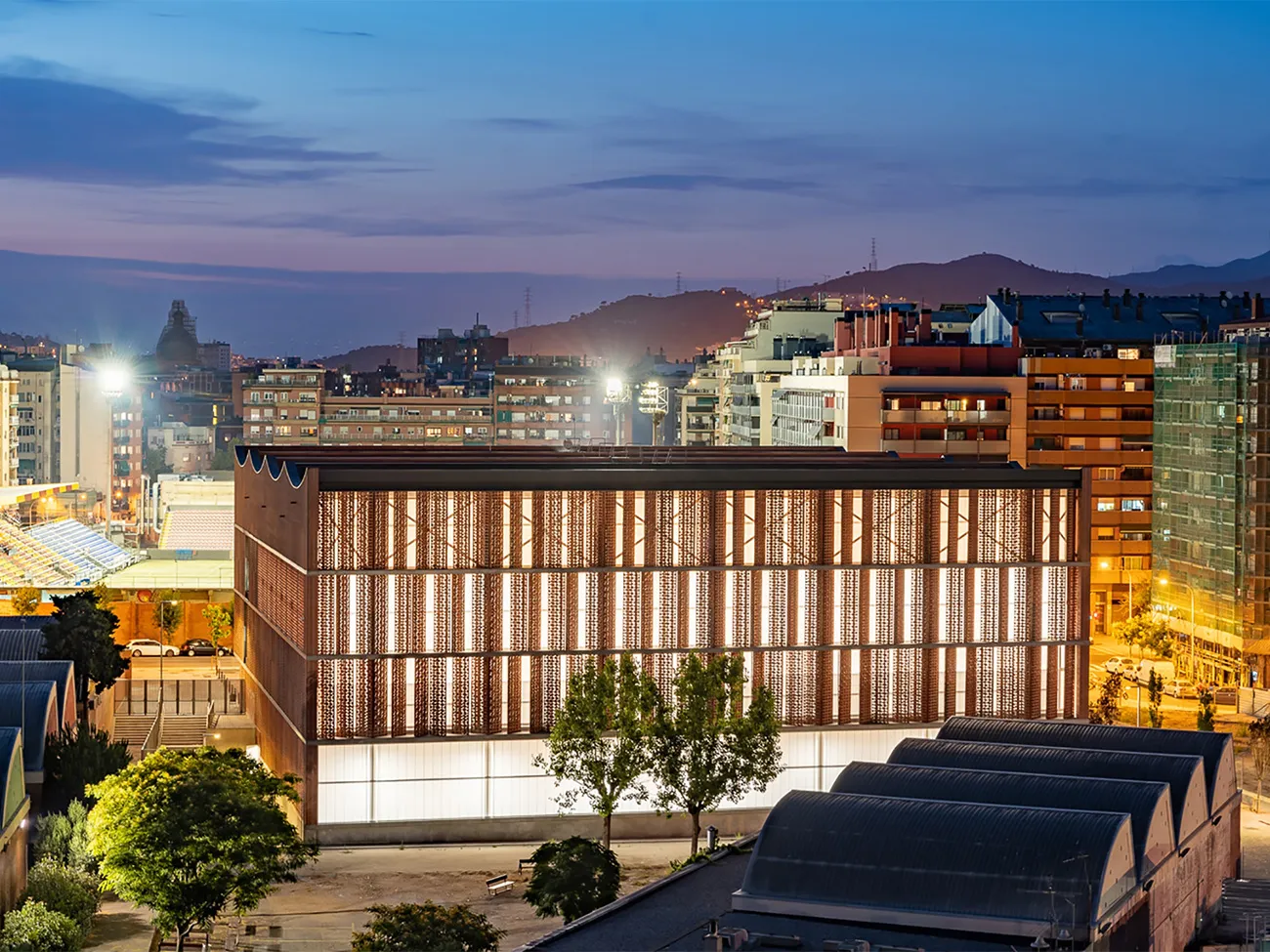
Camp del Ferro, Barcelona, Spain
The Camp del Ferro sports complex in northern Barcelona combines an engaging and intelligent use of materials, rooted in the area’s industrial past and local character, with optimised sustainability. The building is LEED Gold certified, demonstrating that its environmental efforts go beyond legal requirements. As for the materials, the distinctive brickwork is particularly striking. The area has a history of industrial architecture and warehouses in which brick features prominently. Combining solid and perforated bricks in different shades creates interesting patterns and an almost pixelated facade. This variation in the bricks softens the mass and makes the whole building feel lighter. Also noteworthy is the brick sunshade on the south side, made of perforated bricks, which filters sunlight and prevents glare, an important consideration during sporting events. The crowning feature is the roof of inverted vaults, which also engages in dialogue with the neighbouring buildings. A fine example of how innovation can go hand in hand with respect for the past and the local area.
Project details
Architecture: AIA Activitats arquitectòniques, Barceló Balanzó Arquitectes, Gustau Gili Galfetti; Barcelona
Type: new build, sport and leisure
Year: 12-2020
Photos: Simon Garcia, arqfoto.com
Jingdezhen Imperial Kiln Museum, Jingdezhen, China
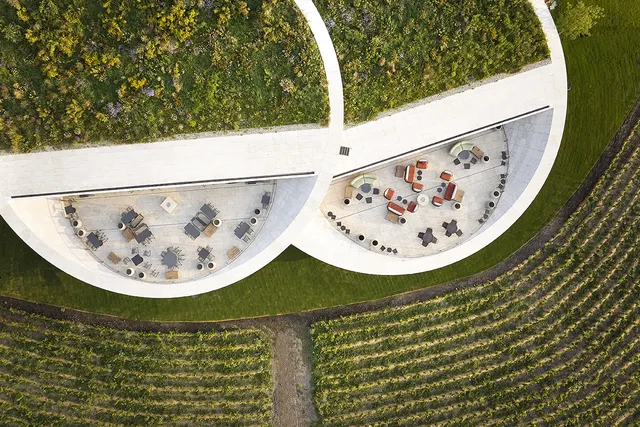
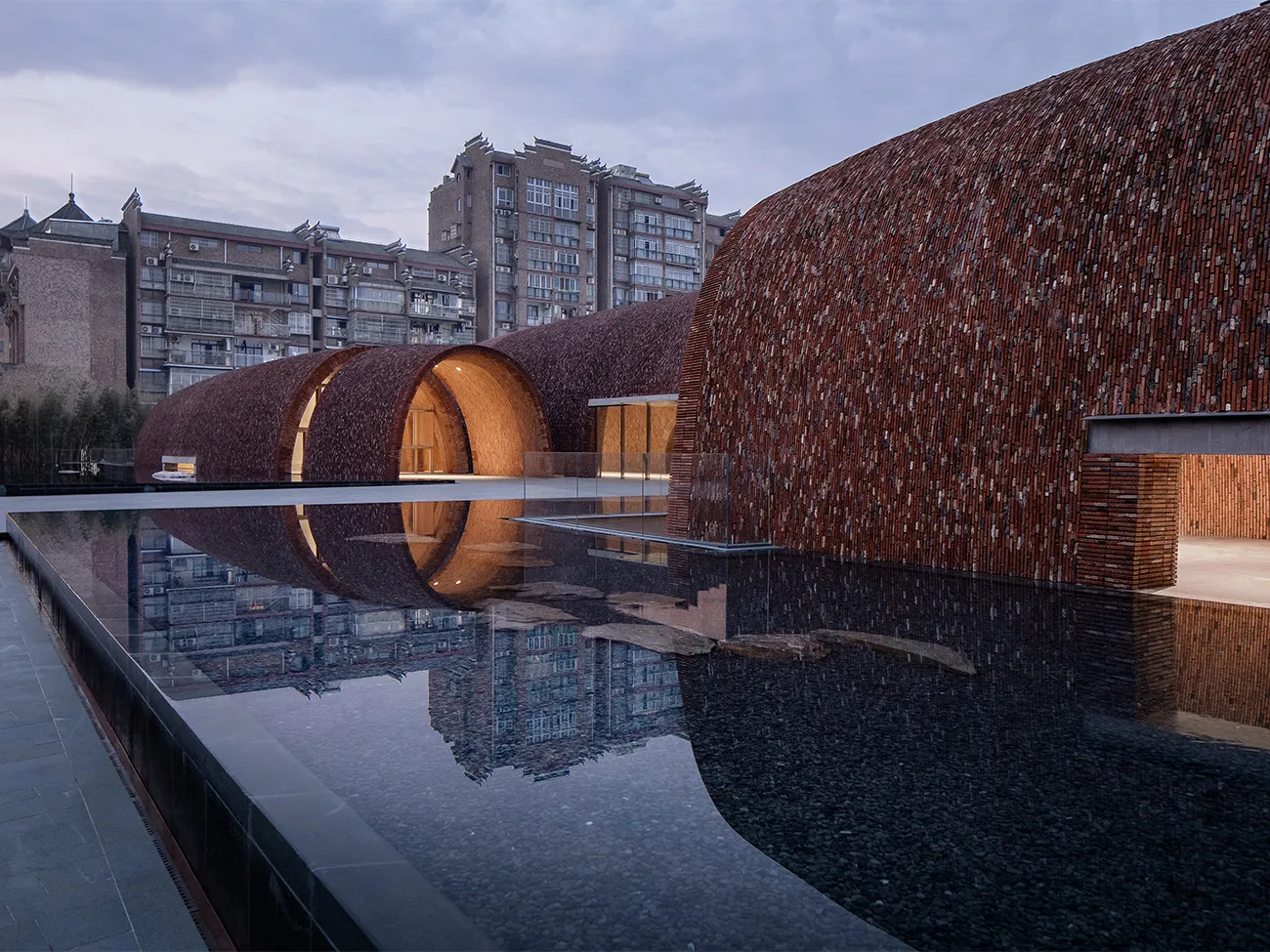
The Imperial Kila Museum in Jingdezhen, in the southern Chinese province of Jiangxi, is dedicated to the city’s ceramic history. It is located beside several imperial kiln ruins dating back to the Ming dynasty, once used to produce high-quality porcelain for the imperial family. The museum’s architecture is also notable for drawing inspiration from the form of Chinese kilns. It comprises twelve parabolic brick buildings, housing exhibition spaces as well as an auditorium, amphitheatre and multi-purpose spaces. To make the complex earthquake-resistant, the masonry arch structures have reinforced concrete cores. The exterior walls are built from a mix of new and reclaimed bricks, providing a further link to the city’s illustrious past and present.
Project details
Architecture: Studio Zhu Pei, Beijing
Type/category: new build, public and commercial building
Year: 12-2020
Photos: schranimage, Studio Zhu Pei
Pirouette House, Trivandrum, India
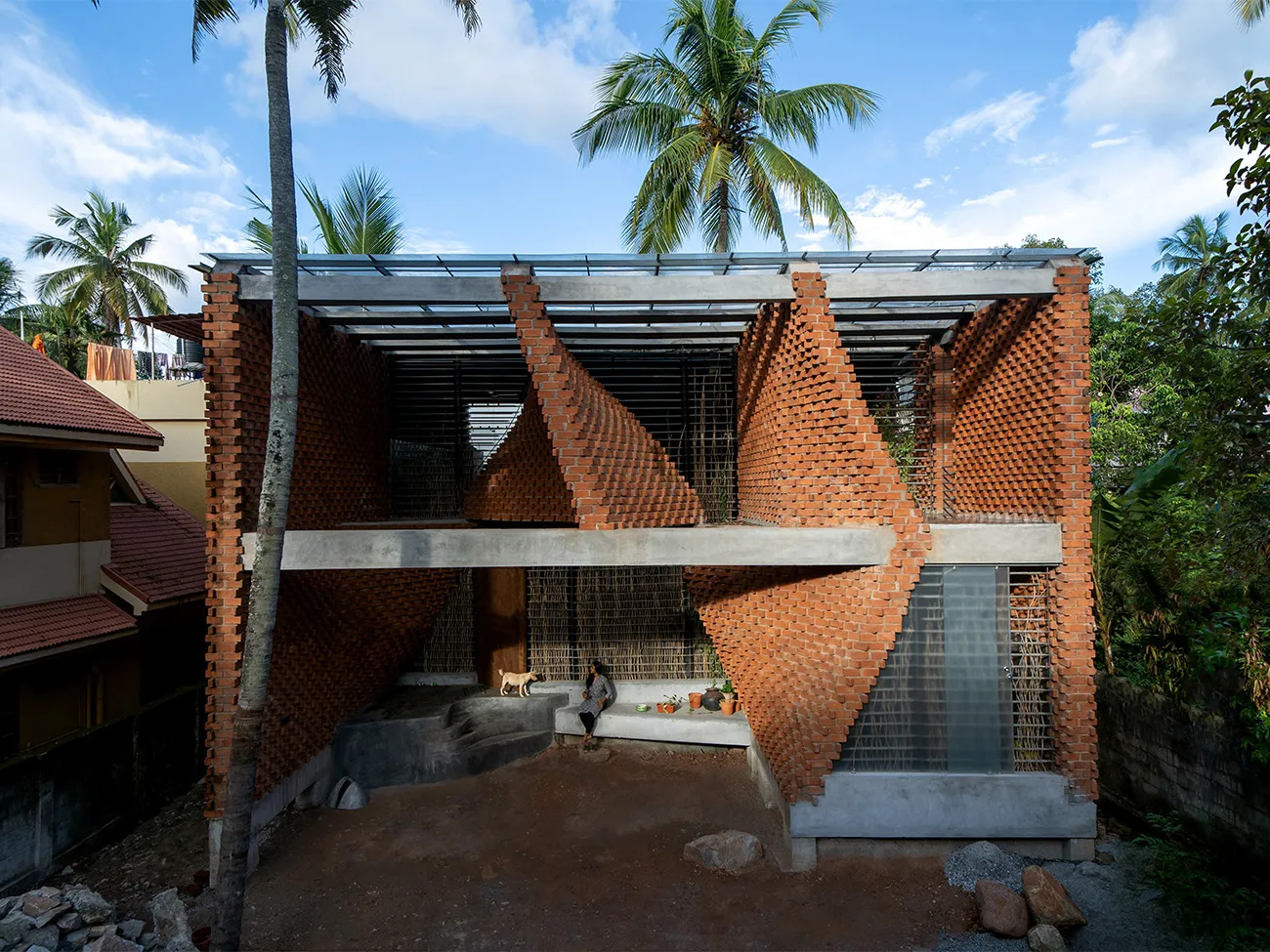
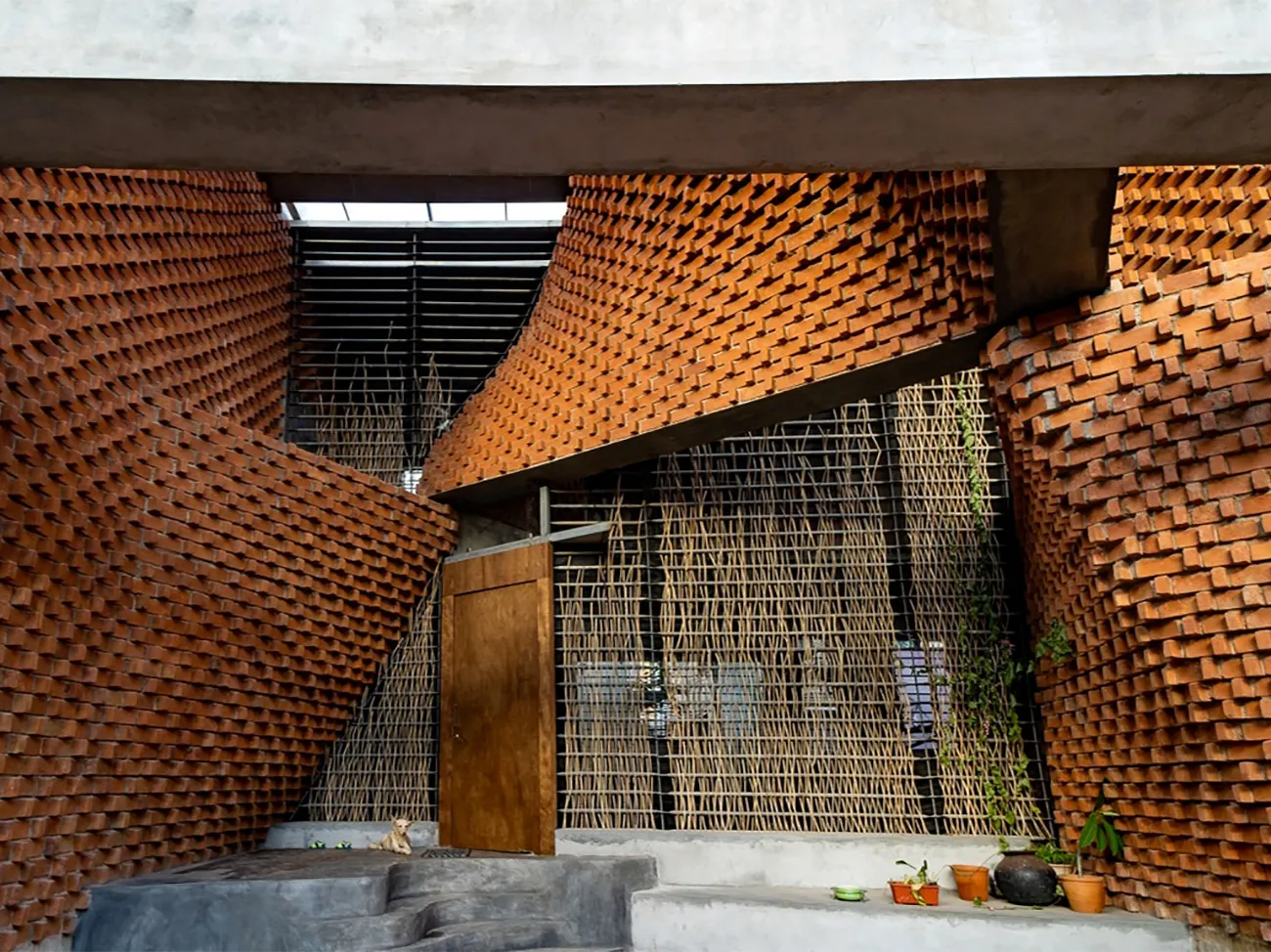
The rotating walls give this house in Trivandrum, the capital of the southern Indian state of Kerala, its name: Pirouette House. Each wall, built in a striking style using local bricks, was individually designed to ensure privacy and make the best possible use of the available space, which is scarce in this densely populated area. The bricklaying method is just as distinctive: the so-called ‘Rat trap’ bond. It was developed by the Indian architect Lawrence Wilfred ‘Laurie’ Baker (1917-2007), who was born in England and is known for his initiatives in cost-effective, energy-efficient architecture, combined with maximising space, light and ventilation. In the ‘Rat trap’ bond, the bricks are laid on edge in a vertical position. Laurie Baker used this bond because it reduced construction costs and material use while improving thermal efficiency. Beyond that, it is the brickwork that makes an impression and earns the project its nomination for the Brick Award in the ‘Building outside the box’ category.
Project details
Architecture: Wallmakers, Kerala
Type: new build, family home
Year: 12-2020
Photo: Jino Sam
Question about this story? Ask your question
Keep following this
Get an email when a new story is published. No account needed.
- ThemeFrom vision to built project
- SubjectProjects