Smart energy management on the rise
Text Eva GoossensImage Niko, Loxone, LIFEPOWR, Canva
Energy management systems for single-family homes
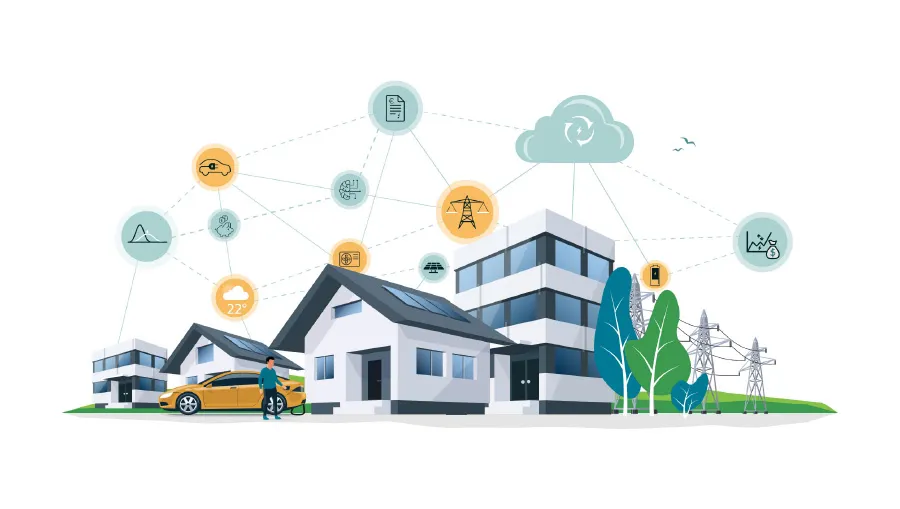
What a serious energy crisis can set in motion. Suddenly we are far more conscious of how we manage our energy. Alongside this awareness, interest is growing in solar panels, heat pumps and home batteries, but above all in smart control systems that take the work out of energy management and save money without sacrificing comfort. Energy management systems (EMS) for single-family homes are a booming business, and there is no end to the developments in sight.
Sustainability and the environment are one thing, but it was above all the energy crisis, and its effect on household budgets, that made energy management a hot topic. The end of the reversing meter, the capacity tariff and the option of choosing dynamic energy prices have admittedly not made efficient management any easier. Smart automation is becoming a necessity, with self-regulating systems that keep watch over the household's energy use.
Optimising self-consumption
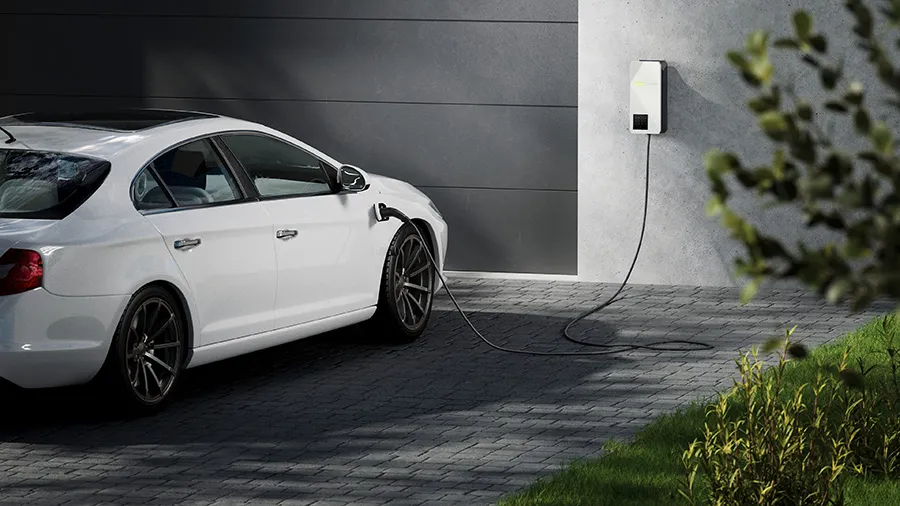
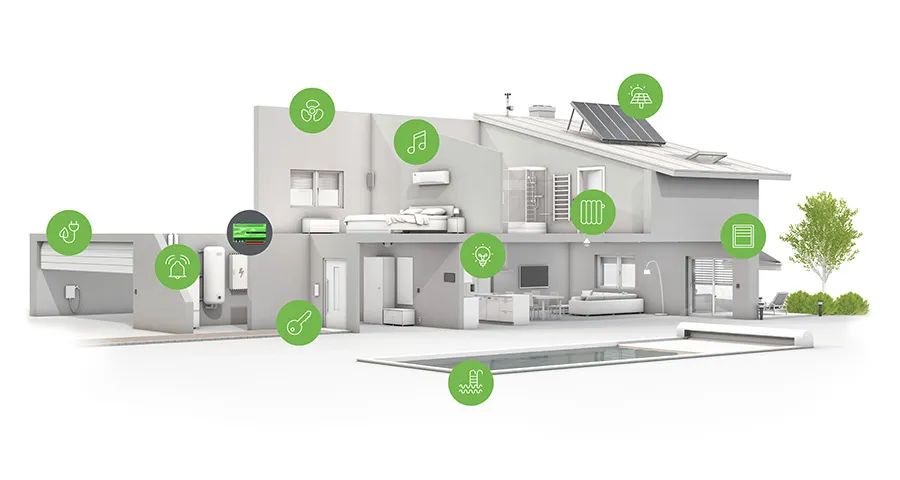
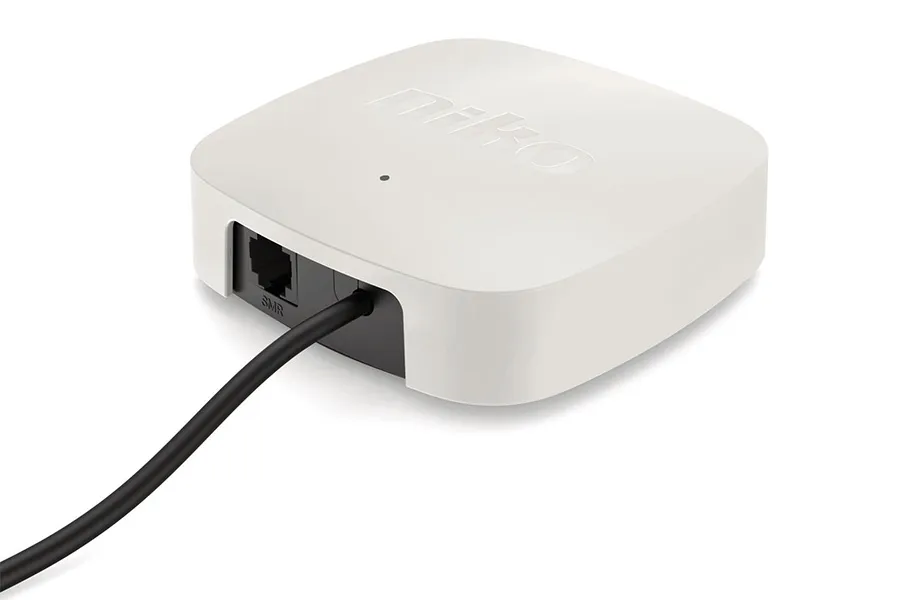
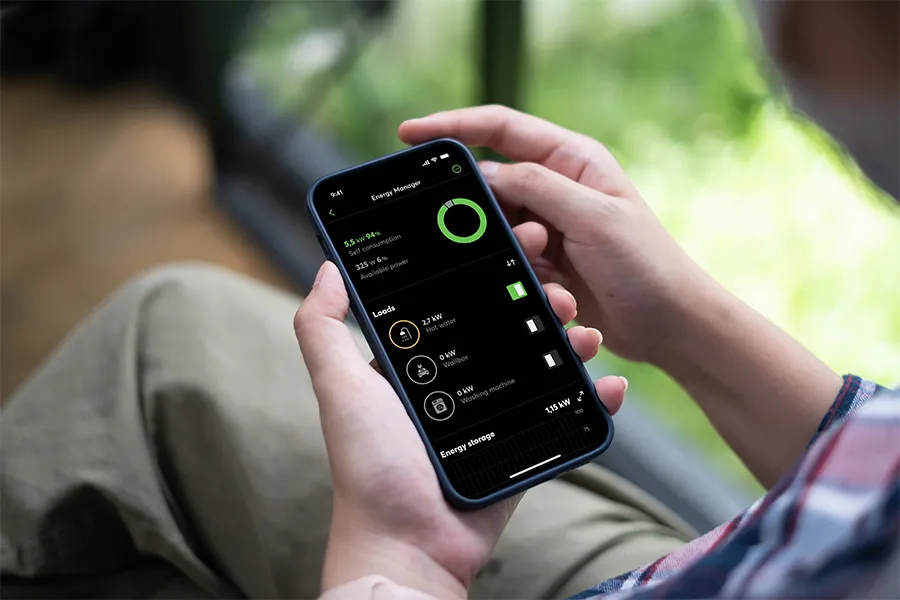
Energy management systems give a clear view of energy use and can help to set and achieve targets. There are of course countless ways to save energy, from avoiding standby consumption to programming routines and replacing energy-hungry household appliances, but we leave those aside here. We focus on the possibilities for smart automation and for using energy at the right moment. Automatically optimising self-consumption, usually of electricity generated by the PV installation, is a first and important aspect. This covers both the control of major electricity consumers such as the charging point, heat pump and hot water boiler, and the smaller consumers. The Solar mode of Niko Home Control is one example. If you link the heating to Niko Home Control and also connect the electric bike or washing machine to connected sockets or smart plugs, you can have them switch on automatically when you have a surplus of solar energy.
Dynamic electricity prices and the capacity tariff
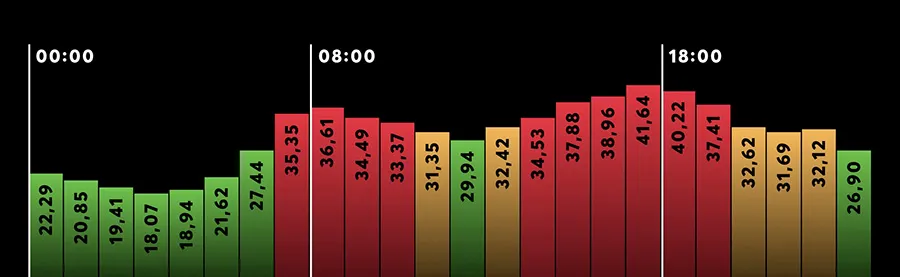
What about dynamic energy prices? They are interesting, although these contracts require careful monitoring of tariffs and electricity consumption, as well as adjustments to the amount drawn from the grid. The solution? Automation and smart energy management. One example is the Spot Price Optimizer function block in Loxone Conf Public Beta 13.2. Within intelligent energy management, it can take account of price fluctuations on the so-called spot market and thus save money. Say you have a plug-in hybrid that needs two hours of charging and no PV system. The vehicle is plugged in at 6 pm. Before charging starts, the function block first determines the two hours with the cheapest electricity prices over the next twelve hours. Then there is the capacity tariff, calculated on the basis of the average monthly peak, which worries many a prudent householder. With smart energy management systems it is possible to prevent energy peaks, control energy flows and spread consumption automatically. You can decide for yourself which appliances take priority over others and avoid higher costs, without sacrificing comfort.
Optimising the home battery
Another way to flatten consumption peaks and so practise peak shaving, drawing and injecting energy at the most favourable moment, is a PV installation combined with a home battery and smart control. The latter is indispensable. A home battery requires a considerable investment, and the subsidy was abolished on 1 April. Be aware that ingenious mechanisms now exist to deploy the battery even more smartly and to generate both savings on the energy bill and additional revenue. One example is FlexiO from the Belgian company LIFEPOWR. This application, launched in 2022 and now present in almost 800 households, currently focuses mainly on the smart control of the battery and of major consumers such as a charging point. With FlexiO it becomes possible to get more out of the home battery than just the benefits of self-consumption.
The system, which responds optimally to dynamic prices, draws energy from the grid to charge the battery or for consumption when prices are lowest or even negative. When prices are high, it feeds energy into the grid, so you sell electricity at the best price. The algorithm also learns from consumption patterns and takes weather forecasts into account. In this way the system knows how much surplus can be sold or when extra electricity must be drawn from the grid. All of this is good for the household budget, but it also helps to meet the challenges facing the energy system, such as the growing volume of renewable energy and electrification in both mobility and heating. It is also possible to generate additional revenue from systems that help stabilise the electricity grid, such as a home battery controlled by FlexiO. This will further shorten the payback period. This is expected to be functional from the middle of this year.
What about the swimming pool?
Another energy guzzler is the heated swimming pool. Smart solutions, including some designed specifically for pools, were bound to appear. Pool builder Leisure Pools, for example, has worked with digitalSTROM to design a concept that uses the smart meter to heat the pool with the surplus capacity of the solar panels. The user can choose between Eco and Solar mode. In Eco mode the pool is heated only when the solar panels are overproducing. In Solar mode a comfort temperature of, say, 28 degrees Celsius is set and the heat pump steps in when necessary. When there is overproduction of solar energy, the pool acts as a buffer and the water is automatically heated to 30 degrees Celsius. Even if there is then no sun for two days, for example, the pool will still have a pleasant comfort temperature of 28 degrees Celsius. Bluedrops, as a link between the pool manufacturer and the pool builder, is also introducing a smart system, Bluematic, that optimises the yield of energy generated by solar panels. Developments in intelligent energy management systems are following one another rapidly, and the end is nowhere near in sight.
Question about this story? Ask your question
Keep following this
Get an email when a new story is published. No account needed.
- ThemeTechnologies for safe, smart buildings
- SubjectHome automation & lighting