Building automation expert turns 50
Text Ingrid AllaertsImage B.E.G.
From emergency lighting to smart, complete solutions
The family-owned company B.E.G., headquartered in Germany, is celebrating its 50th anniversary. It all began with emergency lighting. B.E.G. was one of the first companies to start manufacturing motion detectors and automatic lighting. Today, B.E.G. is increasingly developing complete systems and solutions for customers, with its highly flexible visualisation software as the crowning achievement.
B.E.G. continues to expand. The company is now the market leader in Europe. Paul van Hinsberg, director of the Belgian division, explains: “We started out in Germany. We have been in Belgium for 15 years now. In the meantime, we have established ourselves throughout Europe, as well as in the Middle East, Australia and Brazil. Our company continues to grow.”
Developments
Building automation is evolving at breakneck speed. Van Hinsberg says: “Europe imposes a wide range of directives and standards. Energy consumption in new buildings must be monitored so that you know how much energy is being used at any given time. The biggest energy consumers are controlled by HVAC detectors, which operate the heating, air conditioning and ventilation. Lighting comes second. This new directive has not yet been adopted in every European country. We have been working on this for a number of years and are developing complete systems for it.”
Complete systems
The Belgian director outlines the range: “We are known for our detectors, but less so for our complete systems, such as our daylight solutions. We offer DALI and KNX systems, the globally standardised fieldbus for building automation. As well as detectors, we have all the supporting equipment needed to control and even visualise the entire system. Large office buildings using the KNX system know at any given time how much energy their solar panels generate and how much they consume. Our innovative visualisation software uses smart features to present the entire building technology clearly and as desired. From lighting and heating to solar shading, all the components of the automatic building management system can be easily controlled and brought together using the smart software.”
Home automation on a large scale
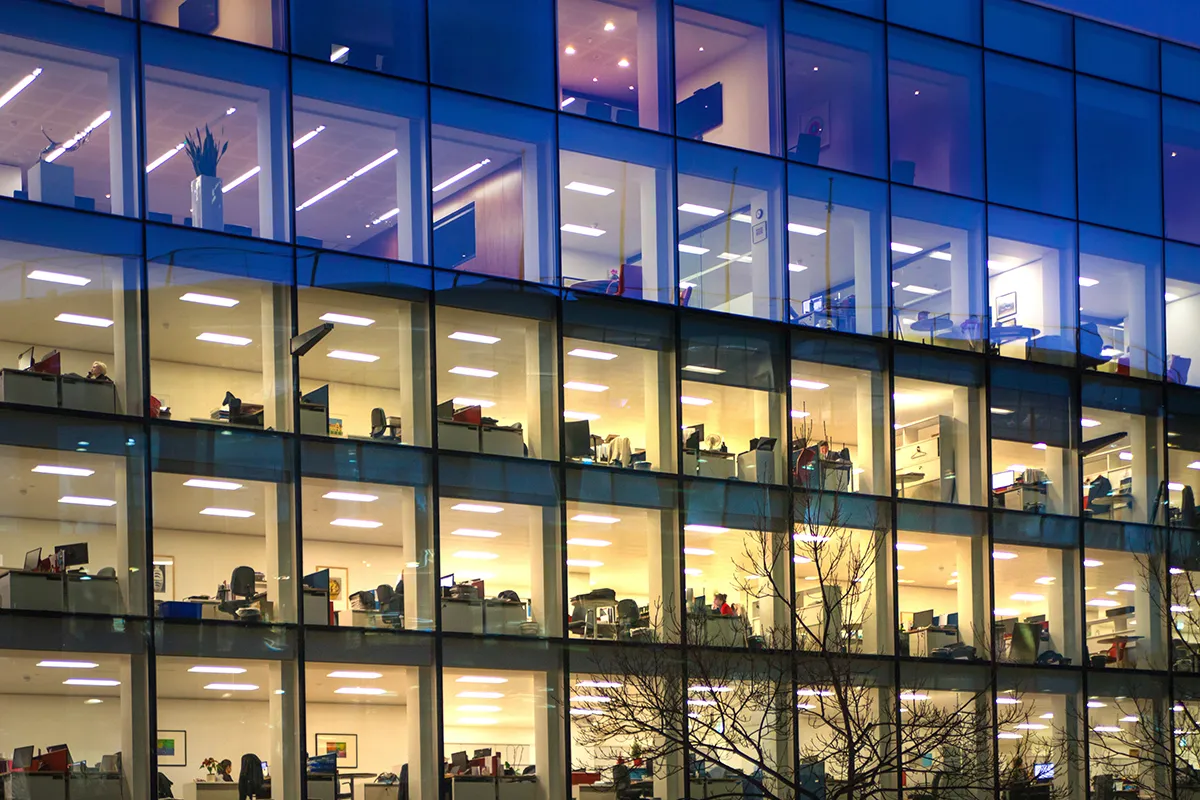
These systems fall under the heading of intelligent control systems. “For private individuals, in homes, people talk about home automation. There are specific suppliers for that. What we do is what you might call ‘home automation on a large scale’, for office buildings, hospitals, schools and sports complexes. These are large buildings with many rooms. The buildings of the future are automated. There is a great need for comfortable, energy-efficient solutions.”
Discreetly present
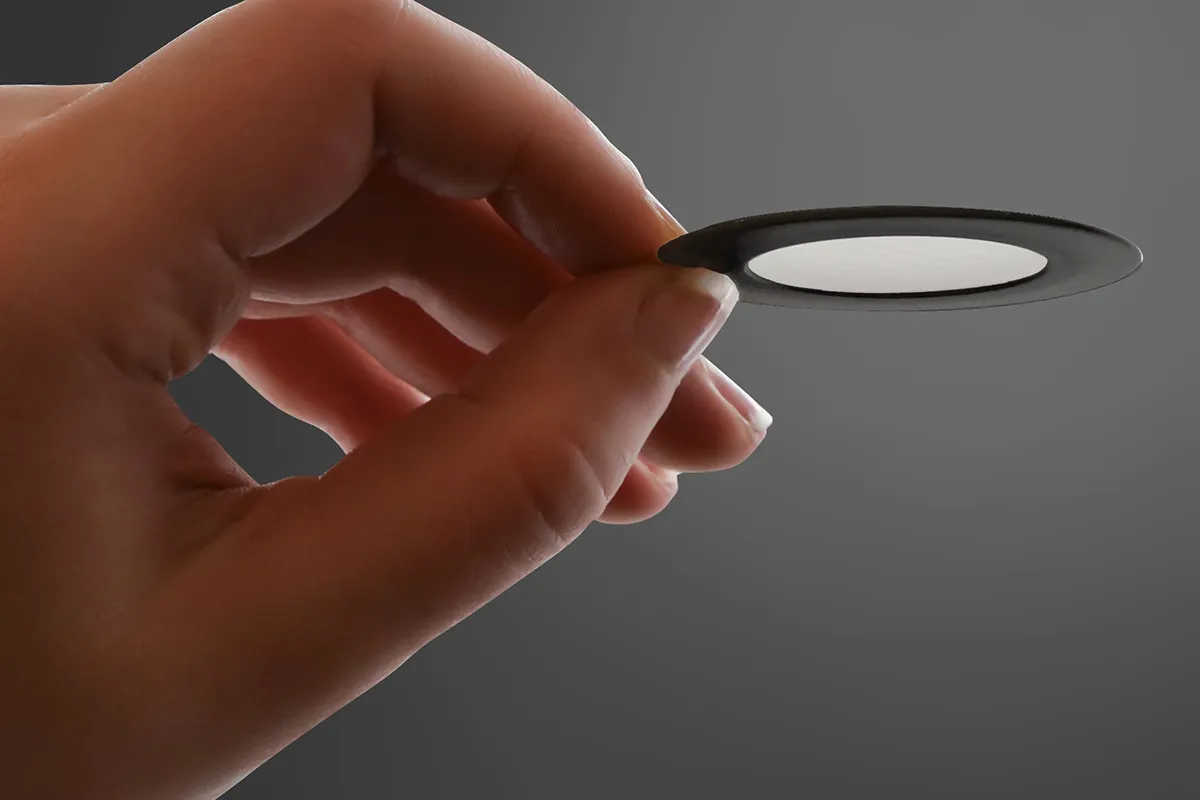
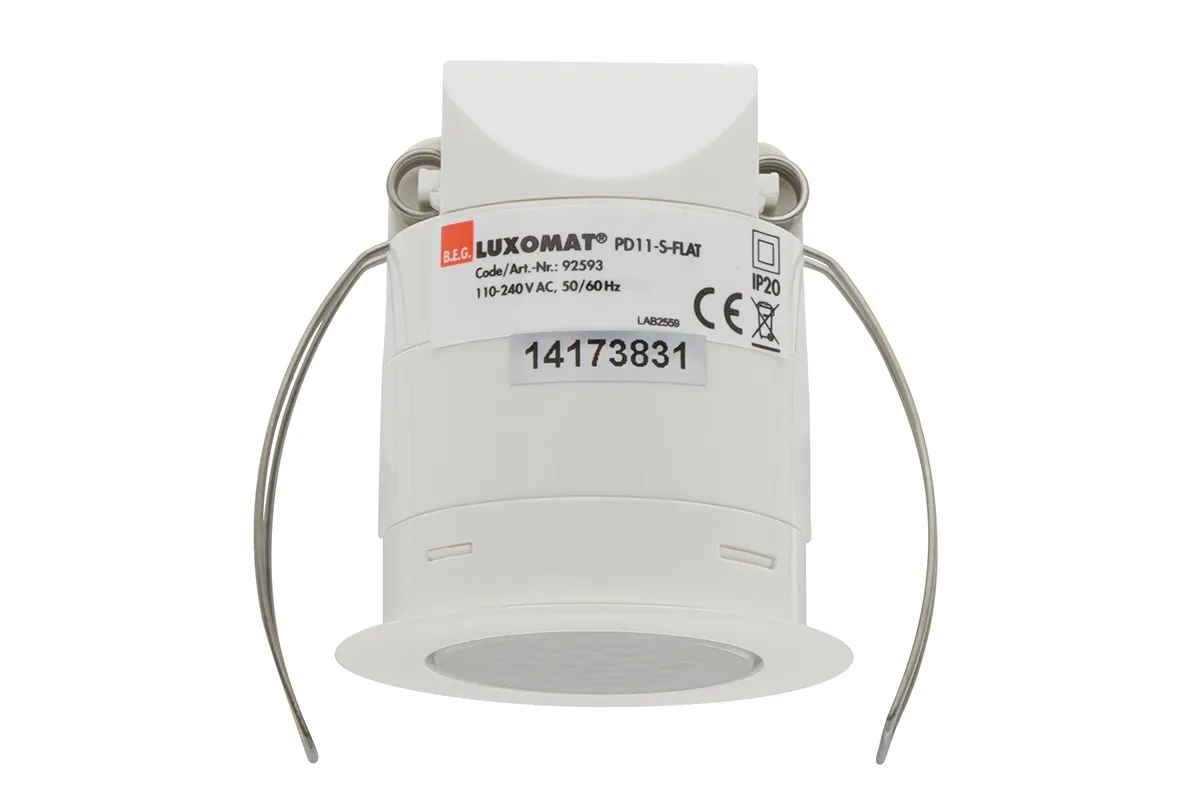
The large number of sensors and detectors in buildings calls for specific solutions. “We have developed detectors that can be integrated almost invisibly into linear metal ceilings and luminaires. Sleek linear ceilings are very fashionable at the moment. These ceilings are available in various materials, such as metal or wood. The linear panels can even be used in a climate ceiling, with heating and cooling running through the profiles. Manufacturers install lighting tracks in office buildings. Detectors can be discreetly built into these tracks. They are needed to control the lighting. In an office building, switches are no longer enough to control the lights. We do more than just switch the lights on and off. The lighting must also be dimmable and able to change colour to mimic daylight. Changing the colour and intensity of the light improves the wellbeing of building users. Sensors are a necessary evil, but we try to make them as unobtrusive as possible.”
Paul van Hinsberg concludes: “We keep up with the times and can move very quickly to launch new products. We provide German quality with excellent support. For example, we offer free help with design, planning and even programming. We also monitor the new visualisation and energy consumption, working with all lighting protocols.”
Question about this story? Ask your question
Keep following this
Get an email when a new story is published. No account needed.
- ThemeLight and sound as design tools
- SubjectHome automation & lighting