SCHELL monitors and safeguards water quality in public buildings
Text Hilde BerckmoesImage SCHELL
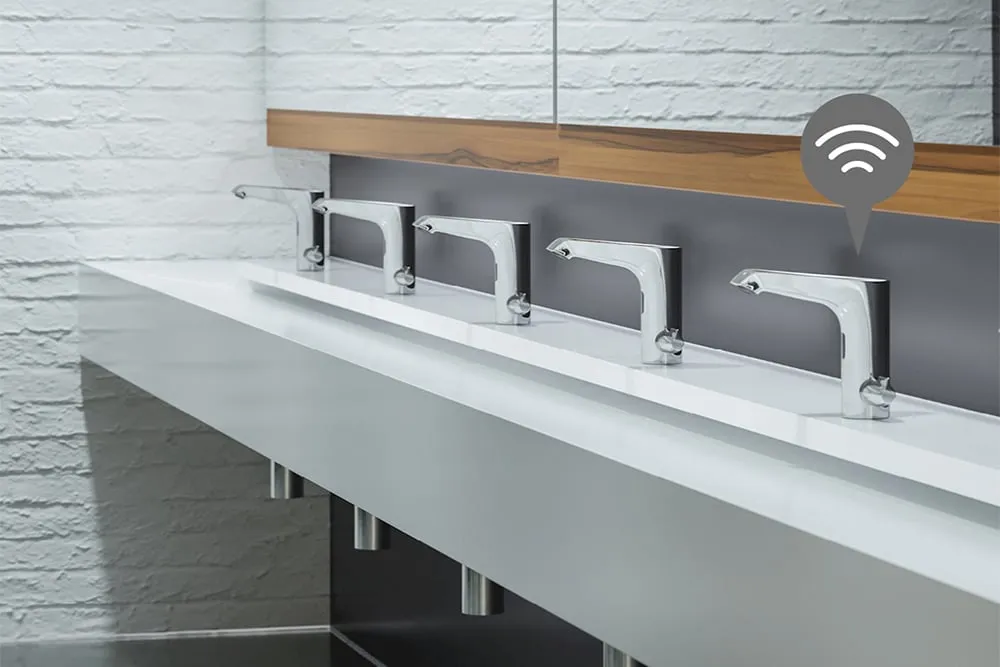
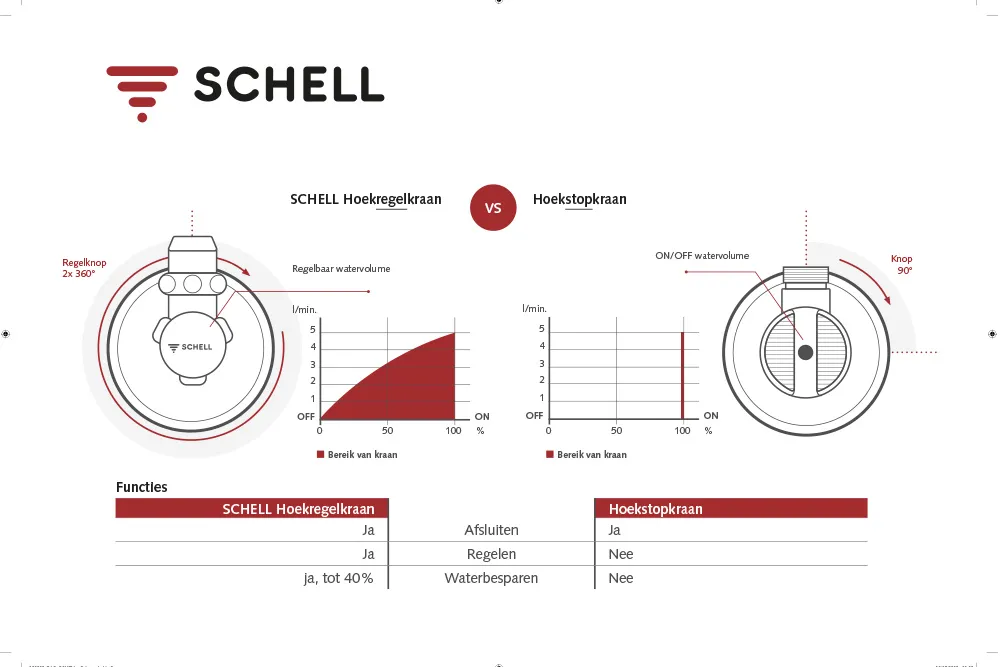
Since its foundation, SCHELL has focused on efficient water use. The company is known for its angle valve, which can help any household save up to 40 per cent of its water. Today, SCHELL focuses on monitoring and maintaining water quality in public buildings. Saving water remains a priority, but the water in the pipes must also be safe. SCHELL’s water management system (SWS) is designed to ensure this.
The SWS system keeps water installations in peak condition. Water stops circulating through pipes at weekends and during annual holidays. When the water reaches a temperature of 25 degrees, bacteria can multiply rapidly, posing a serious risk. The best-known and most harmful is Legionella.
Water quality and health
In summer, drinking water temperatures rise, and hot-water pipes transfer heat to the adjacent cold-water pipes. “When this water stagnates, problems arise,” says Jeroen Roelands from the Project Department. “These are parameters that are best monitored closely, because rapid bacterial growth can be harmful to health.”
The water system records temperatures and identifies when flushing is needed to keep them under control.
Automation reduces consumption
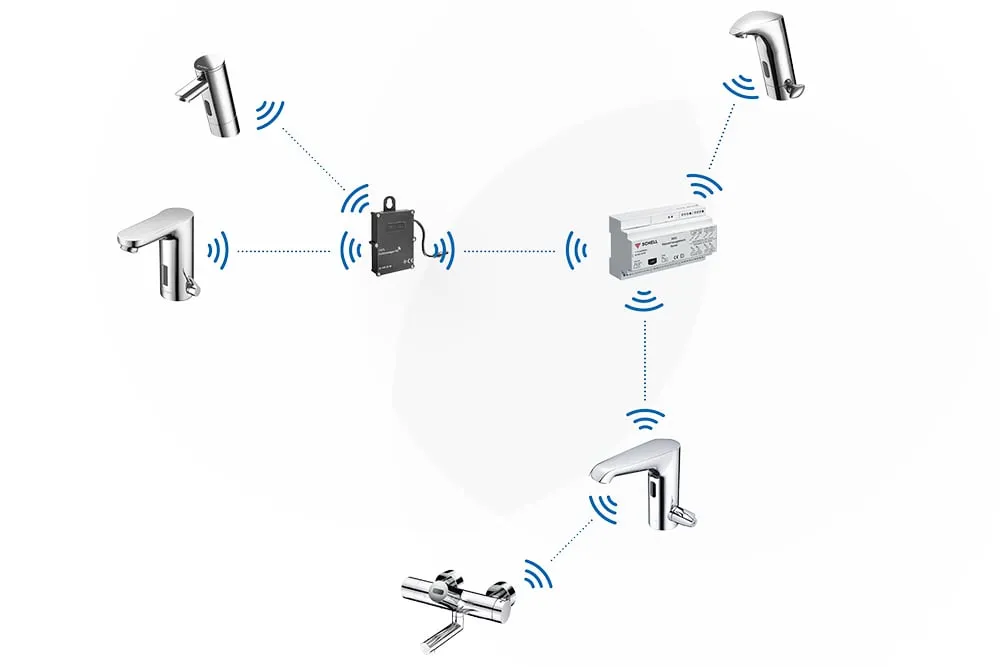
An automated management plan ensures fresh, safe drinking water in the pipes. Today’s installations use the best available techniques. SCHELL-SWS automatically flushes the electronic taps at the scheduled times and monitors water quality.
The system provides an overview of all draw-off points, making it easy to take prompt action. Bacteria thrive in dead legs and can spread rapidly. SWS keeps a close eye on the system and flushes only when needed. This is important because the climate is changing and water supplies are vulnerable.
SCHELL supports architects, engineering consultancies and clients throughout the installation process, explaining all the finer points of how the system works. “A water-saving flow regulator is sometimes not enough for a thorough flush. The pipes carrying the water have specific dimensions. The flow regulator may not provide enough flow to create strong turbulence. As a result, water in the main pipe can stagnate, even when water is being drawn off. Only the water in the centre moves. Bacteria attached to the inside of the pipes, which can cause problems, continue to grow.”
Planning, installation and advice
Installation and operation are straightforward. SCHELL also provides extensive advice, organises training and supports its customers. It is wise to take a proactive approach and include the system in the plan as soon as the pipes are drawn. The client, engineering consultancy or architect takes the lead on this.
Water quality management is essential in public buildings where clean water is vital to life. These include hospitals, sports centres and swimming pools, fire stations, and companies with production facilities where operators shower every day. But prevention is always better than cure. The semi-public and commercial sectors also benefit from an economical, efficient water system that protects users’ health.
Question about this story? Ask your question
Keep following this
Get an email when a new story is published. No account needed.
- SubjectBathrooms & kitchens