Timber construction in the spotlight
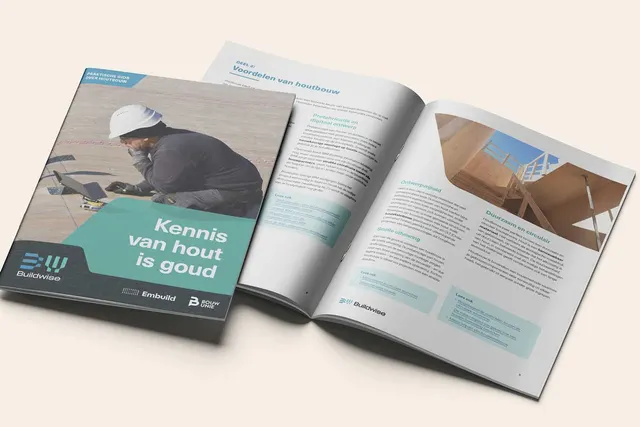
In the space of ten years, timber construction has made significant inroads in our country. Today, almost one in ten Belgians builds their home using timber construction. Even so, there is still plenty of room for growth. Growth that should be encouraged, given the various benefits. A smaller carbon footprint and a faster construction method are just two of them.
Timber construction, both for single-family homes and larger-scale projects, is on the rise. And that is a good thing. “Using timber makes it possible to erect a carbon-neutral or even carbon-negative building,” says Wood Shapers. Founded at the end of 2019 by BPI Real Estate and CFE Contracting, the company develops sustainable design and construction solutions based on timber and prefabricated materials. Its ambition is to stand out through a sustainable approach, developing large-scale hybrid projects with timber as the main material.
Sustainability and circularity
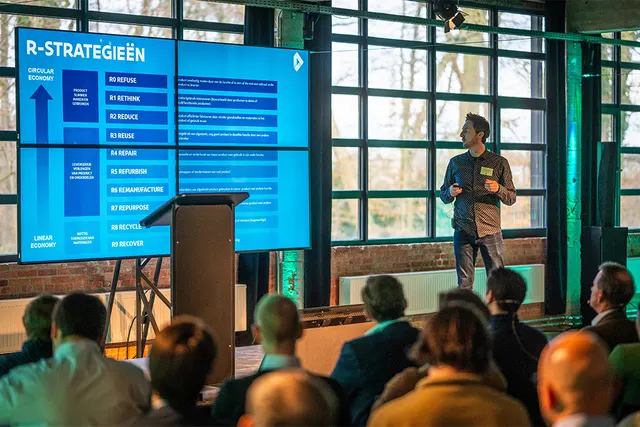
How does timber contribute to a building with a smaller carbon footprint? “Timber is a natural store of CO₂, so it makes a positive contribution to the fight against global warming. Timber construction reduces CO₂ emissions by around 1 tonne per cubic metre of timber,” says the Belgian Federation of Timber Construction Contractors. In addition, timber, as a sustainable and renewable material, also performs well in terms of circularity. Wood Shapers explains: “Timber structures are very easy to dismantle and require little energy during demolition. Timber gets a second life in shorter structural lengths and in components. Finally, timber offcuts can also be processed into boards.” Nothing needs to go to waste.
Clean and efficient construction sites
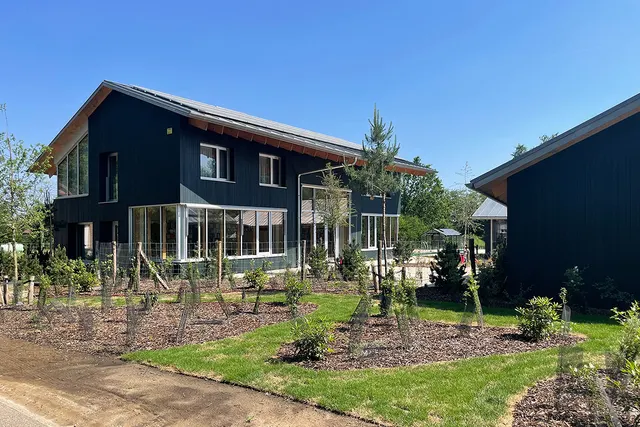
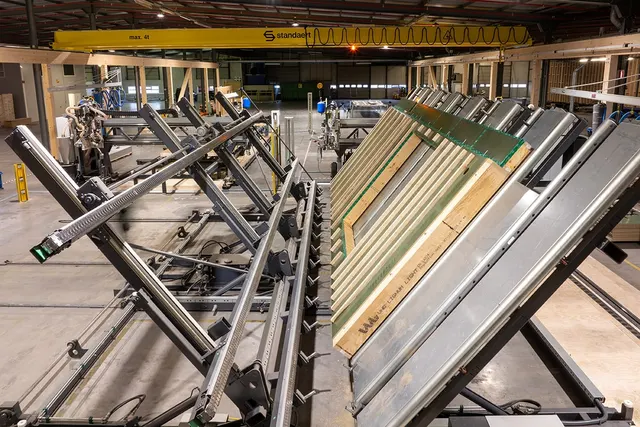
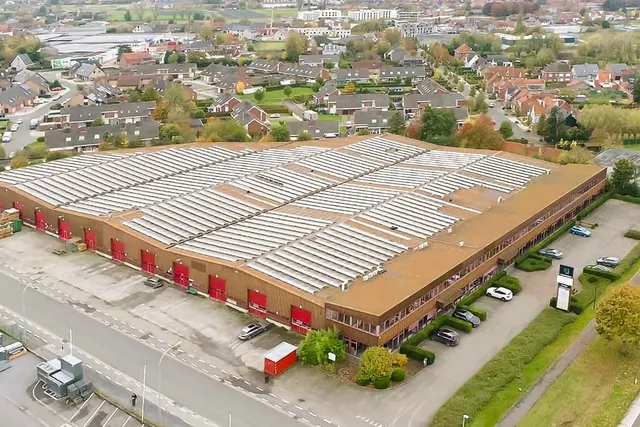
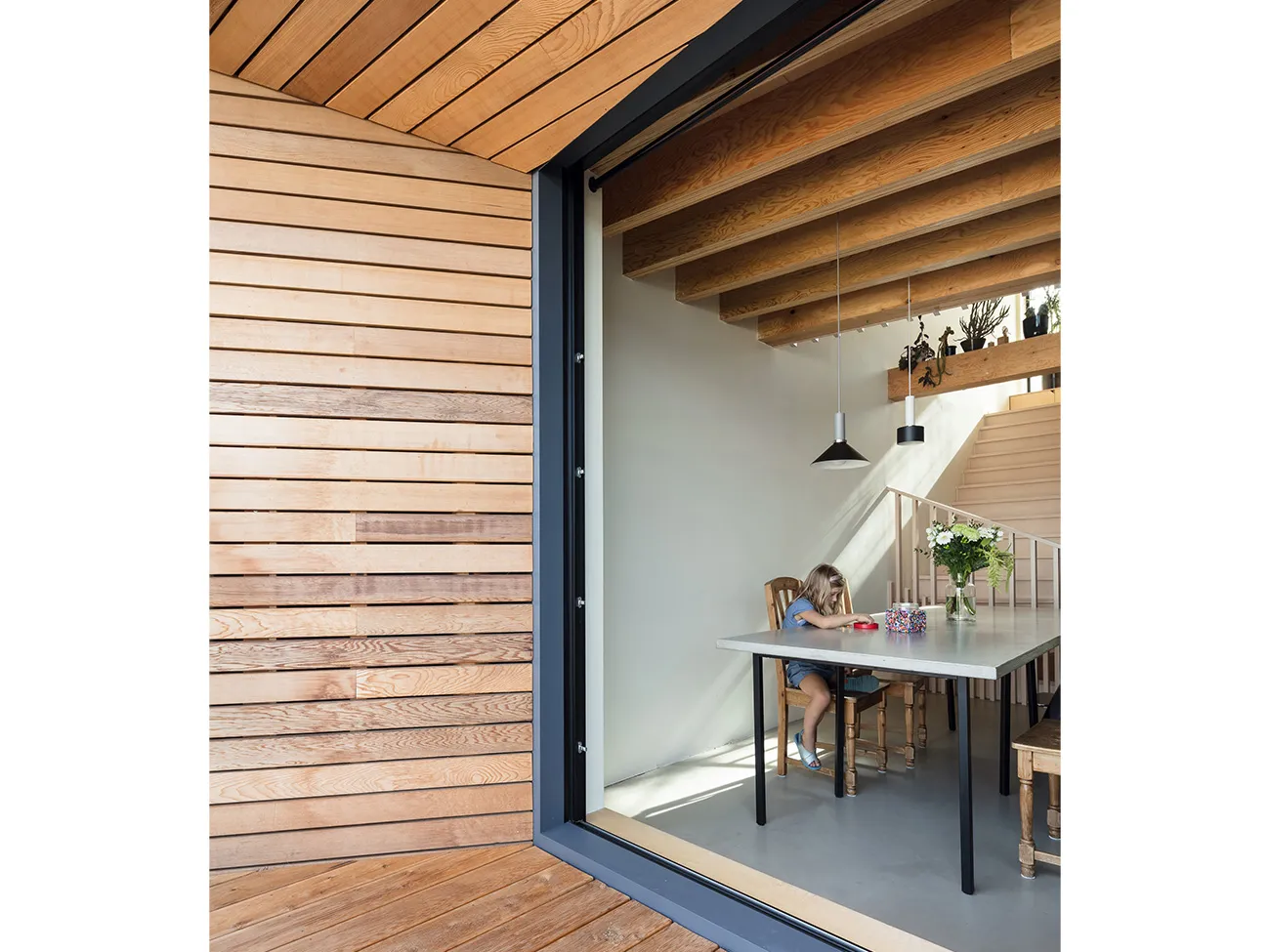
Timber construction sites using prefabricated building elements also stand out for the small amount of waste they generate. The result is clean sites, as well as high efficiency thanks to the opportunities offered by prefabrication. The timber construction process is prepared in the workshop and is less affected by weather conditions. This dry construction method therefore makes it possible to move on to the finishing stage much sooner, meaning that timber construction projects can be occupied earlier. Finally, there is the question of health and wellbeing: research shows that people feel healthier in a timber building.
What about deforestation?
“No, building with timber does not contribute to deforestation,” says Hout Info Bois. “Only 2.44 per cent of the construction timber produced annually is used to build timber homes in Belgium. The impact of construction on forests is therefore negligible. Moreover, almost 100 per cent of the timber used in construction comes from Europe. The volume of standing timber in Europe continues to grow as a result of a combination of an expanding forest area (640,000 ha/year over the past 30 years) and the fact that only part of the annual growth is harvested, namely 73 per cent.” Wood Shapers confirms: “Over the past 25 years, Europe’s forest area has increased by 8 per cent. Although demand is rising year on year, Europe is therefore in a position of reforestation. That is good news and the result of sustainable forest management.”
Market trends
How are timber construction companies evolving? A survey conducted by Hout Info Bois on developments in timber construction between 2011 and 2021 found that the number of timber construction companies has grown steadily over the past decade. They are still mainly small and medium-sized businesses, 60 per cent of which build fewer than 10 buildings a year. Notably, around 15 per cent of companies account for 60 per cent of the Belgian timber construction market. The Belgian timber construction sector employs nearly 1,500 people in total. Just over 2,100 timber homes were built in 2020. As for the various timber construction systems, timber frame construction remains the most popular, but is losing ground as CLT (cross-laminated timber) gains popularity. The growth of CLT also appears to be inversely proportional to the trend in solid timber construction. Note that timber construction, as covered by this study, includes both residential and non-residential buildings whose primary vertical structure is made of timber.
Consumers and timber construction
What does the average Belgian think about timber construction? This was explored in an opinion survey by Bureau iVOX, in collaboration with the Belgian Federation of Timber Construction Contractors. More than 53 per cent of respondents said they were increasingly interested in this construction method. At the same time, too many people (49 per cent) still know too little about the advantages and disadvantages of timber construction. For example, 35 per cent of respondents strongly associate timber construction with fire risk.
“This fear is unfounded,” says the Belgian Federation of Timber Construction Contractors. “Insurance for a timber building does not cost any more than for a building constructed using traditional methods. This proves, if proof were needed, that timber construction is wrongly associated with an increased fire risk.”
Also for offices and high-rise buildings
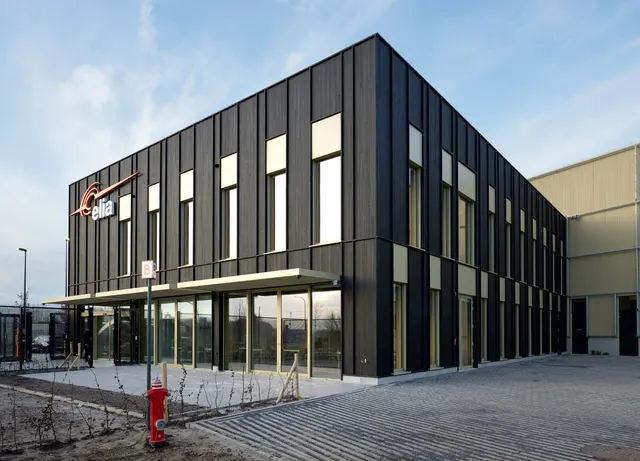
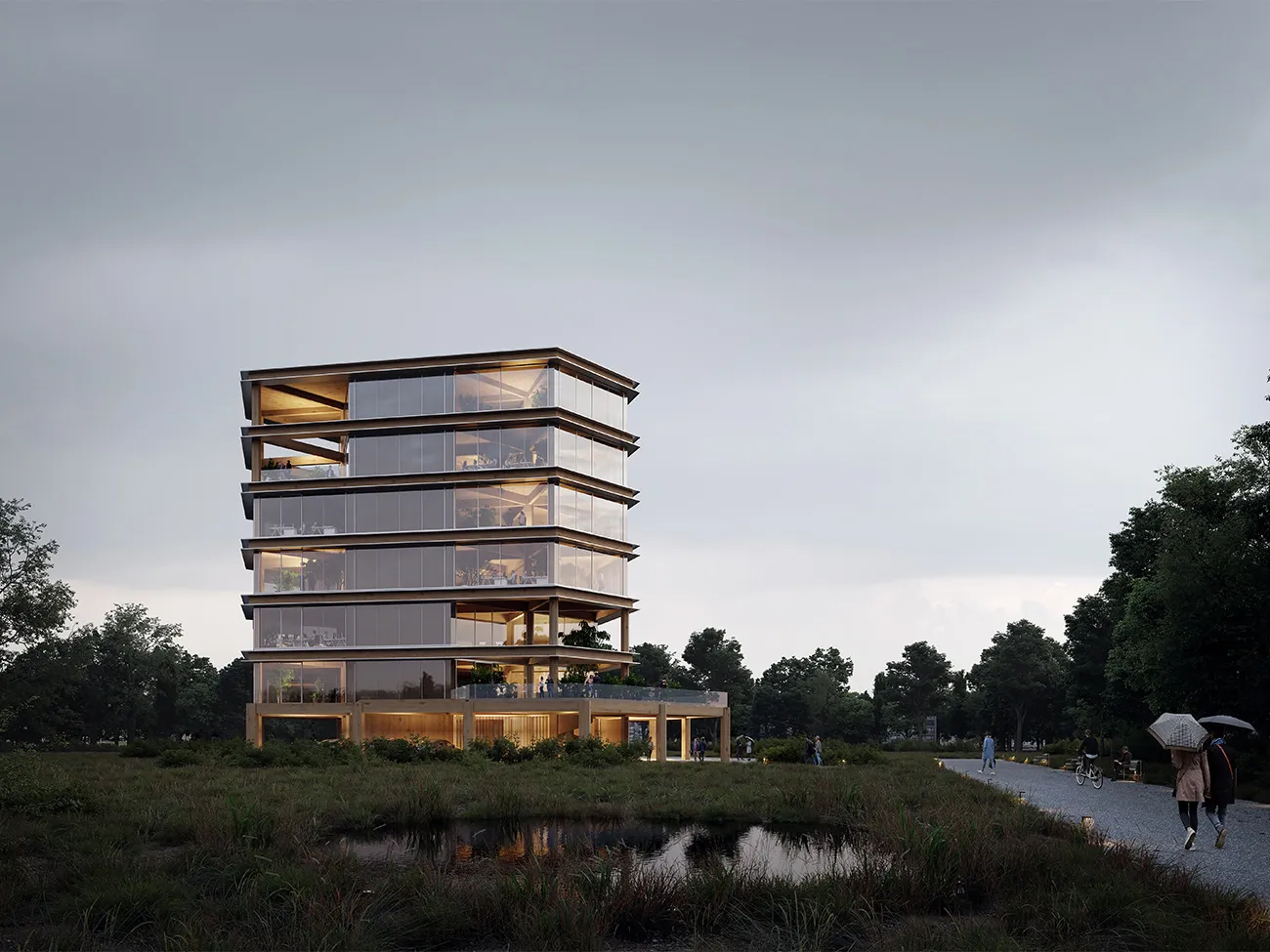
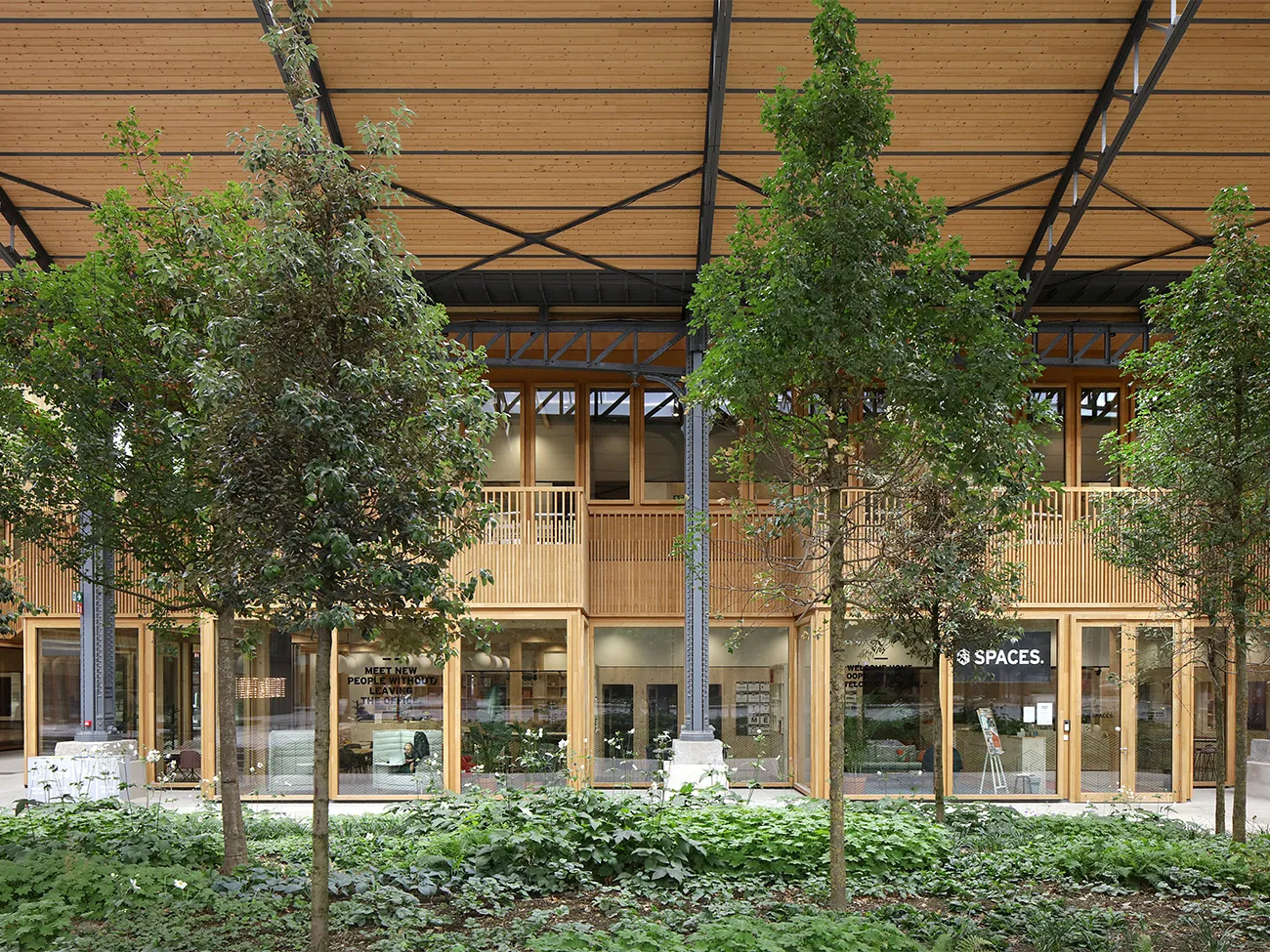
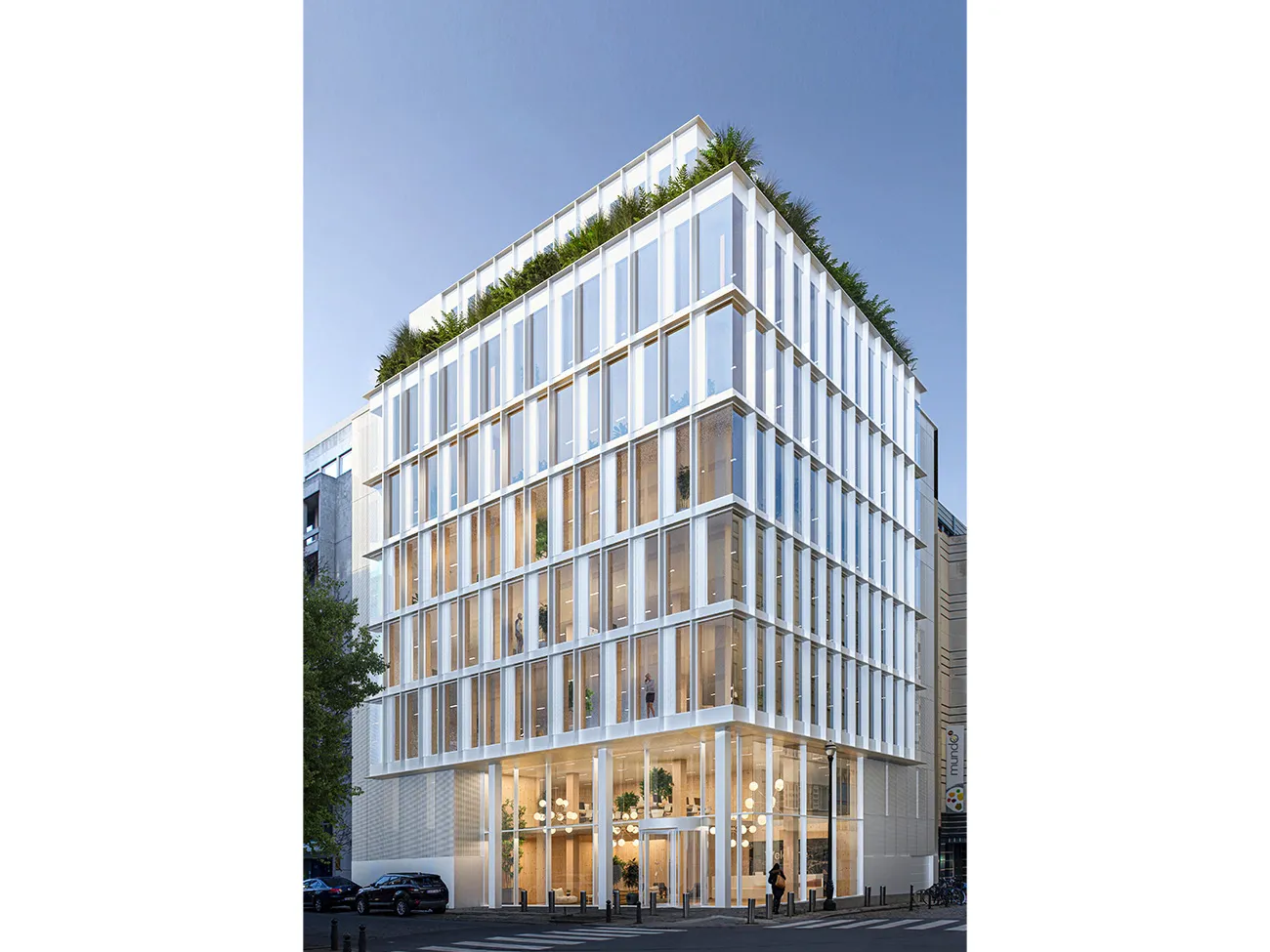
As noted earlier, timber construction is also perfectly suited to large projects and high-rise buildings with a sustainable focus. The award-winning Gare Maritime, a project by property developer Nextensa designed by architect Neutelings-Riedijk, is a striking example. Wood Shapers is currently also working on Monteco, another Nextensa project in collaboration with ION, designed by Archi2000. It will be an environmentally friendly timber office building with a floor area of 3,674 square metres and 8 above-ground storeys in Brussels’ Leopold Quarter. With the exception of the prefabricated concrete core, the entire structure of the Monteco building will be made of exposed timber. Monteco aims to be a benchmark for sustainable ‘recyclable buildings’ and aspires to become a CO₂-neutral passive building, while also targeting a BREEAM Excellent certificate.
Higher and bigger
Another fine example of a sustainable timber office building is the office for the intermunicipal company Leiedal in Kortrijk, a project by OYO and RAU that also boasts a CO₂-negative balance. It uses modular prefabricated timber construction systems combined with an open glazed façade that connects the building to its surroundings. The demountable structural system allows the building to adapt dynamically during its period of use,
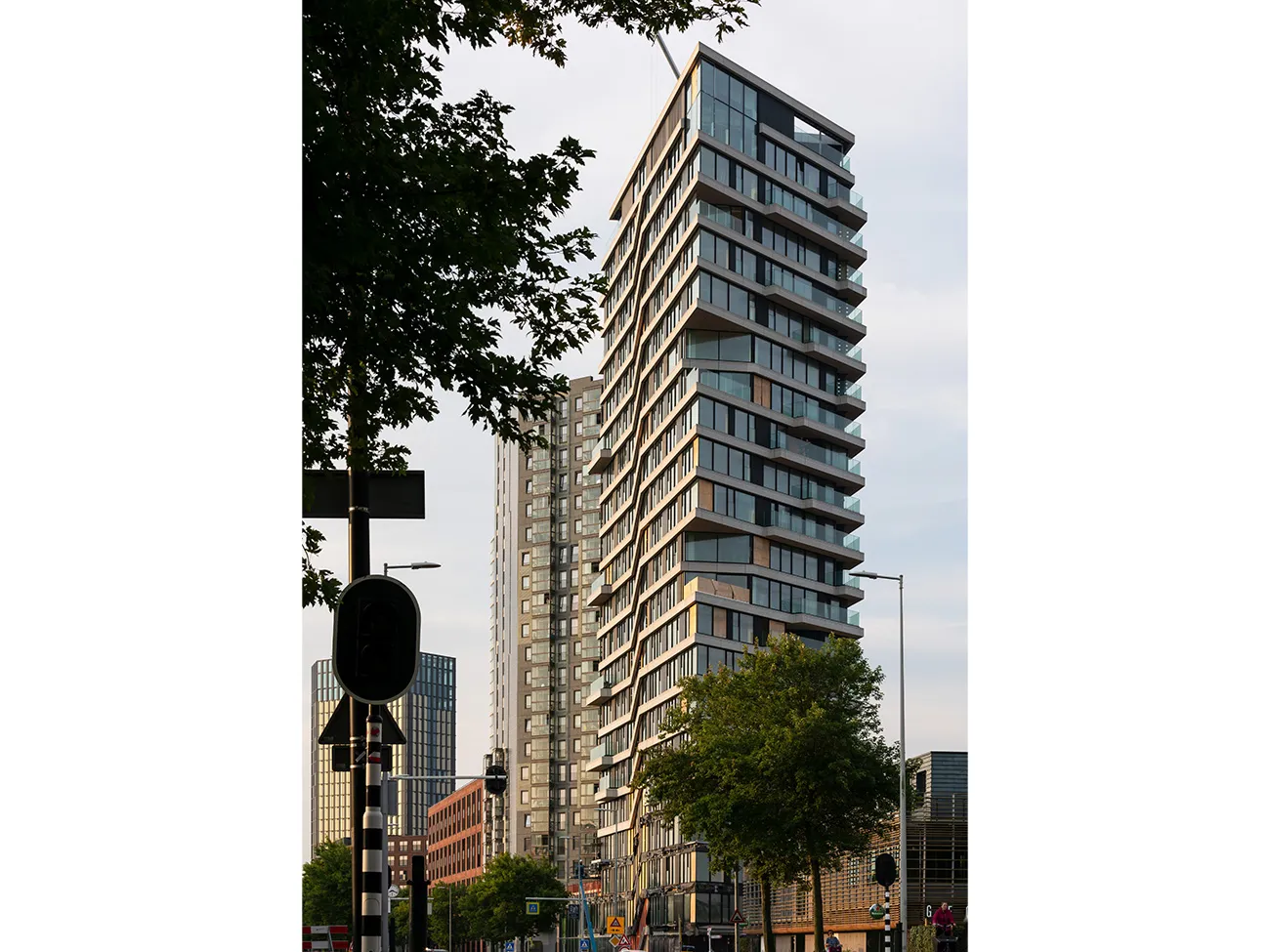
while also meeting the principles of sustainable construction, with 100 per cent circular potential. To conclude, we cross the border into the Netherlands and visit HAUT in Amsterdam, completed in 2021. This timber residential tower was developed by Lingotto and designed by Team V Architectuur. The load-bearing structure of this 21-storey tower is made of CLT panels prefabricated off site, making for fast, clean on-site assembly. The building achieved the highest possible BREEAM-NL sustainability certification, making its sustainable credentials tangible. Timber: a sustainable material for buildings that are ready for the future.
Question about this story? Ask your question
Keep following this
Get an email when a new story is published. No account needed.
- ThemeCircular construction and material awareness
- SubjectTimber construction