Passive solar shading is essential as summer temperatures rise
Text Eva GoossensImage VEROZO, Renson, Wilms, Harol
KU Leuven study warns of widespread overheating in Belgium’s housing stock
At the latest edition of Batibouw, an alarming study by KU Leuven and Archipelago architects, commissioned by VEROZO, was presented. The conclusion is clear: without targeted measures, climate change threatens to cause widespread, persistent overheating in Belgian homes. For architects, this means that summer comfort is no longer an afterthought, but a fundamental part of building for the future.
The study examines the impact of global warming of two degrees Celsius and three degrees Celsius on homes in Belgium. According to the researchers, the two-degree threshold could be reached as early as around 2039, and the three-degree threshold around 2063. Today, homes in Belgium are exposed only to a limited number of prolonged periods with outdoor temperatures above 25 degrees Celsius. In a world that is two degrees warmer, this would already apply to around one in five homes. With three degrees of warming, the figure would rise to nine in ten homes.
Disproportionate increase
Notably, the impact does not rise linearly, but accelerates as temperatures increase. “This study taught us that the heat load on homes does not increase gradually, but ever more rapidly as the Earth continues to warm,” says Jozefien Schoofs, a researcher at KU Leuven. Nicole Van Lipzig, professor of geography and climate scientist, adds: “Every additional tenth of a degree on the thermometer leads to a disproportionate increase in the number of homes exposed to it. In practical terms, with global warming of three degrees Celsius, the cooling season will last at least two months a year. What’s more, this will apply to almost every house and flat in Belgium.”
A persistent overheating problem
With warming of two degrees Celsius, there could be up to eleven heatwave days a year. In this scenario, ten to fifteen times more homes than today would experience more than ten heatwave days a year, affecting over half a million houses and more than 150,000 flats. With warming of three degrees Celsius, exposure to heatwave days would become an annual reality in over 4.8 million homes, across more than 90 per cent of Belgian municipalities. In addition to high daytime temperatures, warm nights also add to the burden.
Passive strategies come first
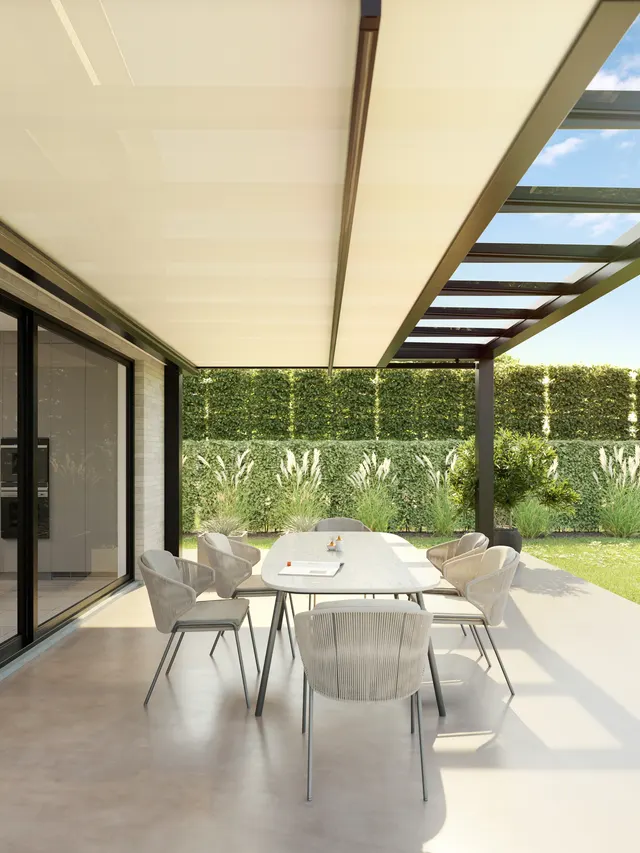
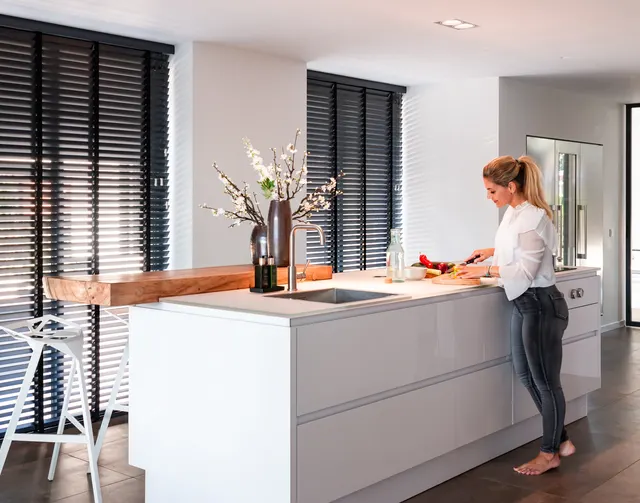
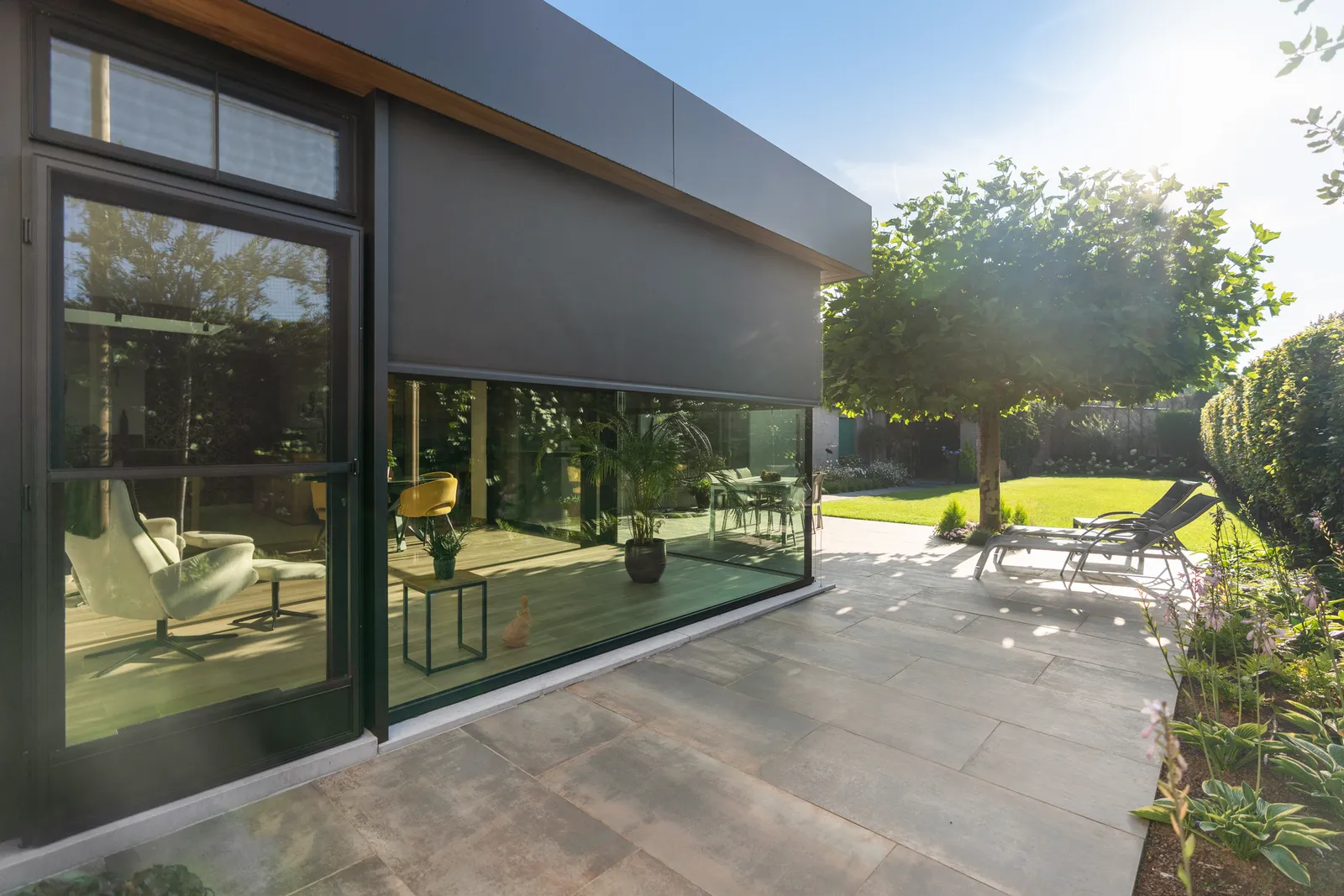
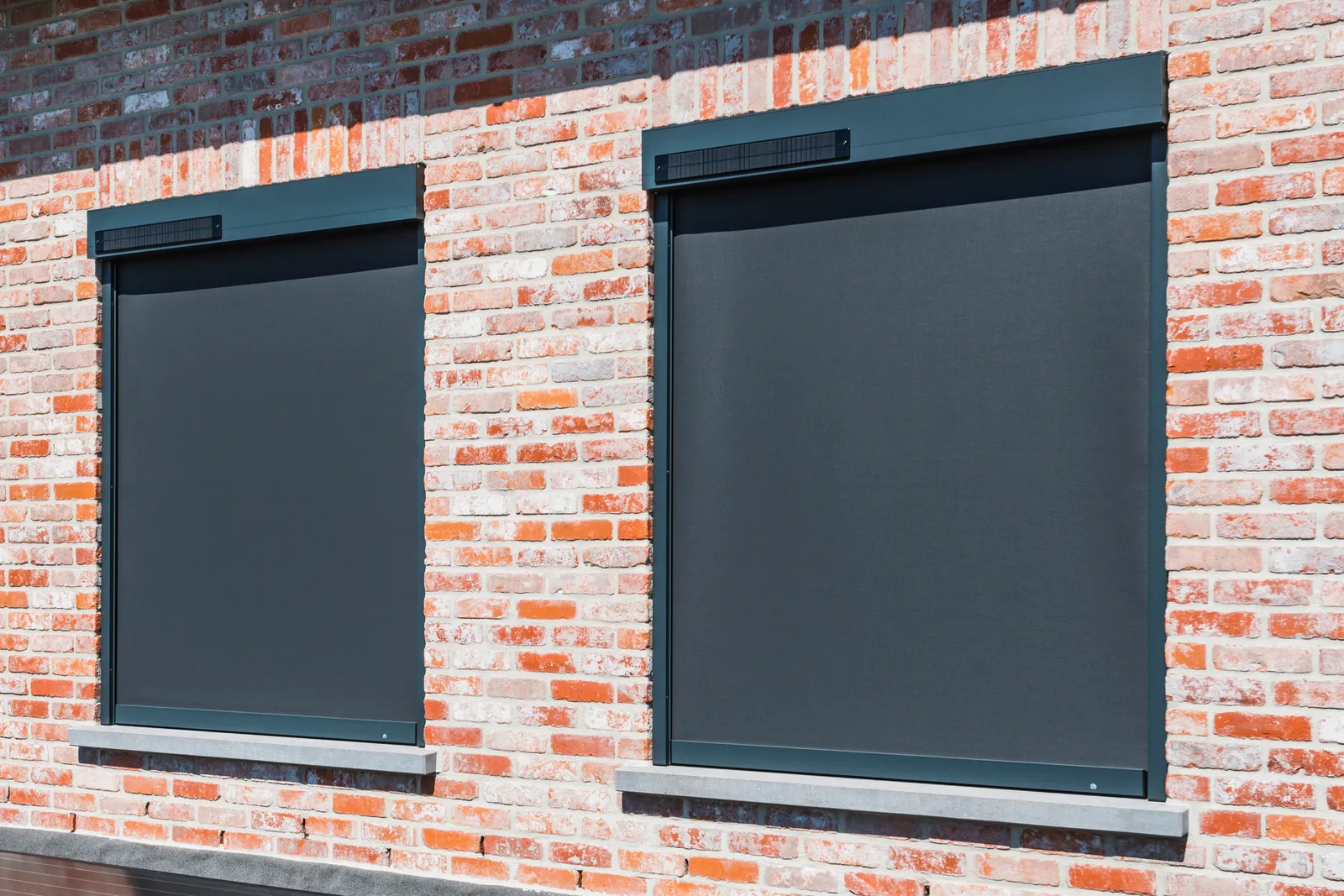
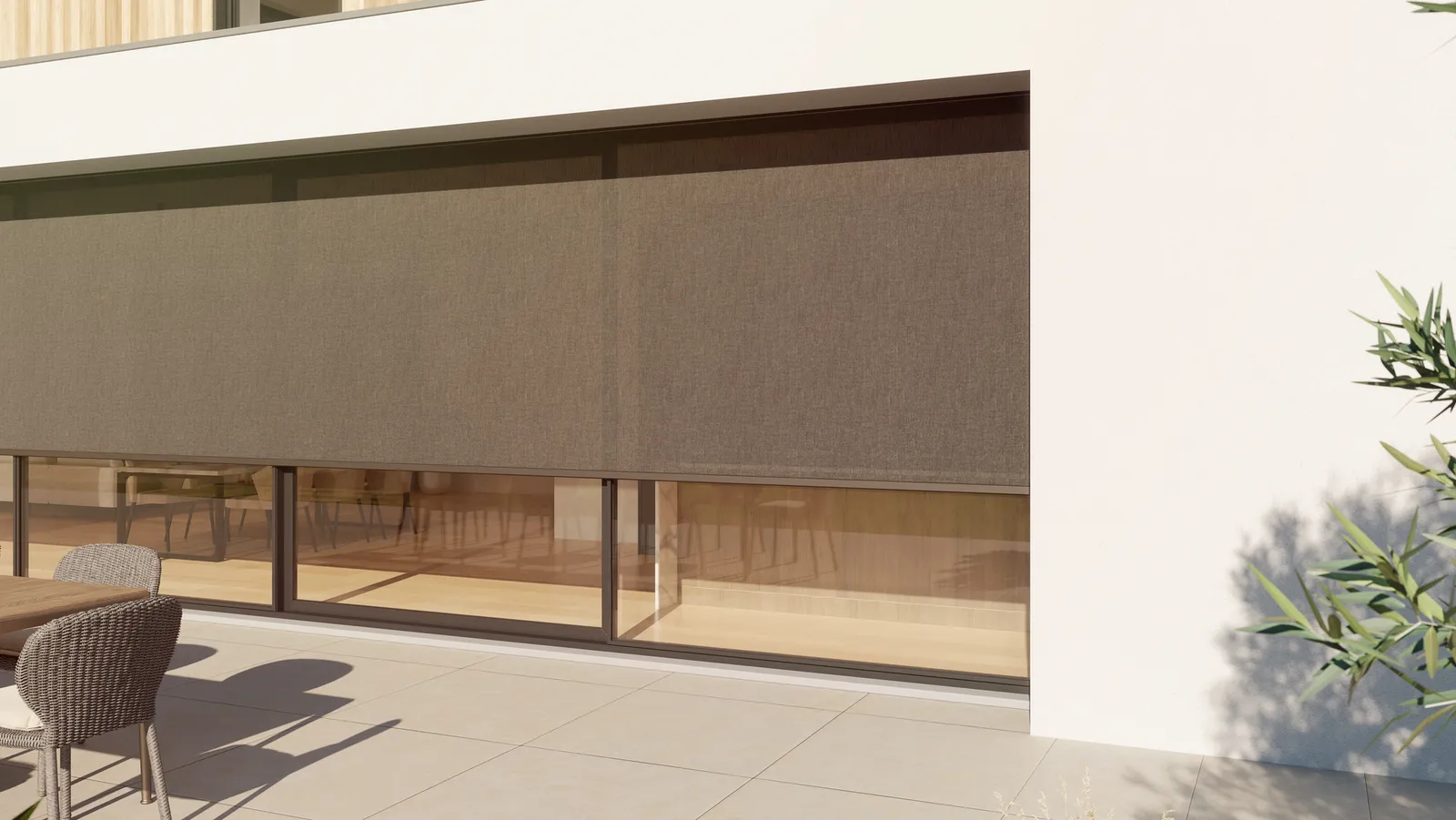
Both curbing further climate change and preventing indoor temperatures from becoming too high are essential. The study sets out a clear hierarchy: first prevent heat from entering, then remove it passively, and only as a last resort use active cooling. Natural cooling from trees or water in the surrounding area, considered orientation and smart design can all limit solar heat gain. In addition, solar shading, intensive (night-time) ventilation, insulation and sufficient thermal mass are essential tools for preventing overheating. “These passive adaptations to buildings, solar shading, intensive (night-time) ventilation, insulation and sufficient thermal mass, are crucial and should be prioritised in preparation for overheating,” stresses Joost Declercq of Archipelago architects. “As set out in the European directives, passive strategies should take precedence over active cooling systems. Active systems create a higher peak load on the electricity grid and add to the warming of the outdoor environment.”
An opportunity
The findings show that managing summer comfort is becoming at least as important as reducing heating demand in winter. The planned merger of EPB and EPC by 2028 and the revision of energy regulations offer a unique opportunity to give summer comfort a fully fledged place in energy performance requirements. The message to designers and policymakers is clear: without revised design guidelines and stricter regulations, overheating threatens to become a persistent housing problem. Time for action!
Question about this story? Ask your question
Keep following this
Get an email when a new story is published. No account needed.
- ThemeBuilding envelopes for a changing climate
- SubjectSolar shading