








Smart access control
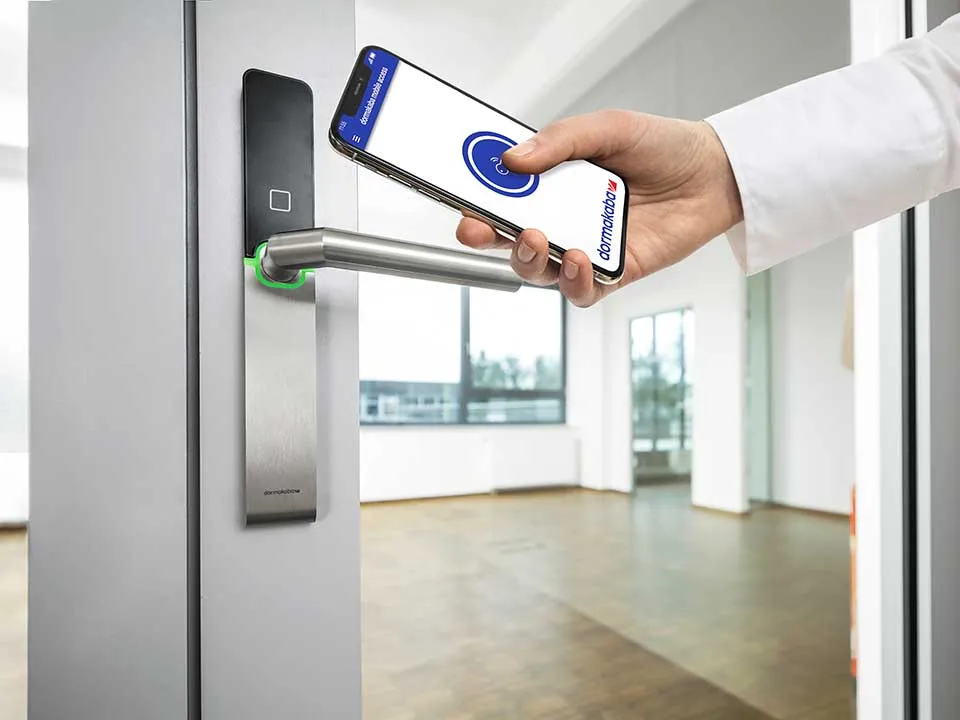
Towards a keyless, safer and more flexible future.
For many companies, managing the keys for mechanical locking systems is a time-consuming task. Security often leaves much to be desired, too. There is often no way to control who enters where, when and with which key. Fortunately, smart access control, with its range of systems and solutions, is gradually replacing the jangling bunch of keys. The hassle of lost keys and handing them over in person? That, too, is a thing of the past. Notably, smart access control is gaining ground among medium-sized and smaller businesses and organisations, as well as in residential applications.
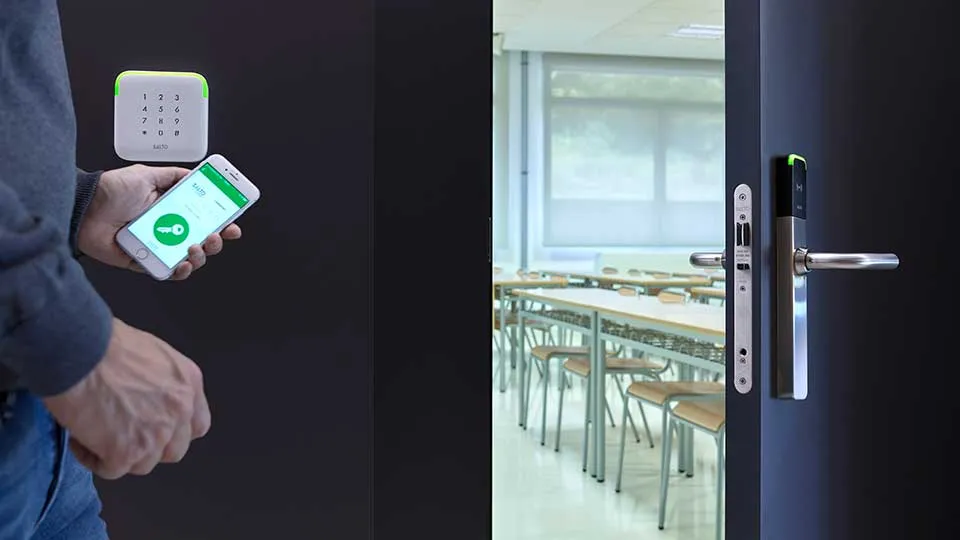
Wired or wireless, battery-powered electronic locks? A server-based platform or a cloud solution? Offline or online door furniture? Opening doors, gates or lockers with a badge, wristband, tag, PIN code, biometric features or perhaps simply a smartphone? Electronic, intelligent access control may seem like a complex subject. The fact is that all these systems make it possible to offer a solution tailored perfectly to the specific situation and requirements. A ‘tailor-made solution’ that ultimately helps make buildings today and tomorrow simpler to manage, easier to monitor, more flexible and more secure.
A variety of buildings and users
Intelligent access control is often associated with hotels, hospitals, government buildings and large companies. But as new, flexible technologies emerge, the range of applications is steadily expanding. The diverse range of end users now includes coworking spaces, coliving developments, shops, student accommodation and serviced apartments, as well as a growing number of private residences whose occupants want optimum control, ease of use and security. Cloud-based platforms, which require no server or additional software, have brought about a real revolution in smart access control and opened up a host of new possibilities and applications. No IT investment or expertise is required, making them ideal for medium-sized and smaller businesses, as well as private individuals. A mobile app for smartphones, tablets and PCs makes it possible to unlock a door or block an electronic key remotely and in real time, for example, even when the person managing the system is not nearby. Access rights can be granted or revoked at any time. This makes it possible to respond quickly, flexibly and effectively, including to unexpected situations.
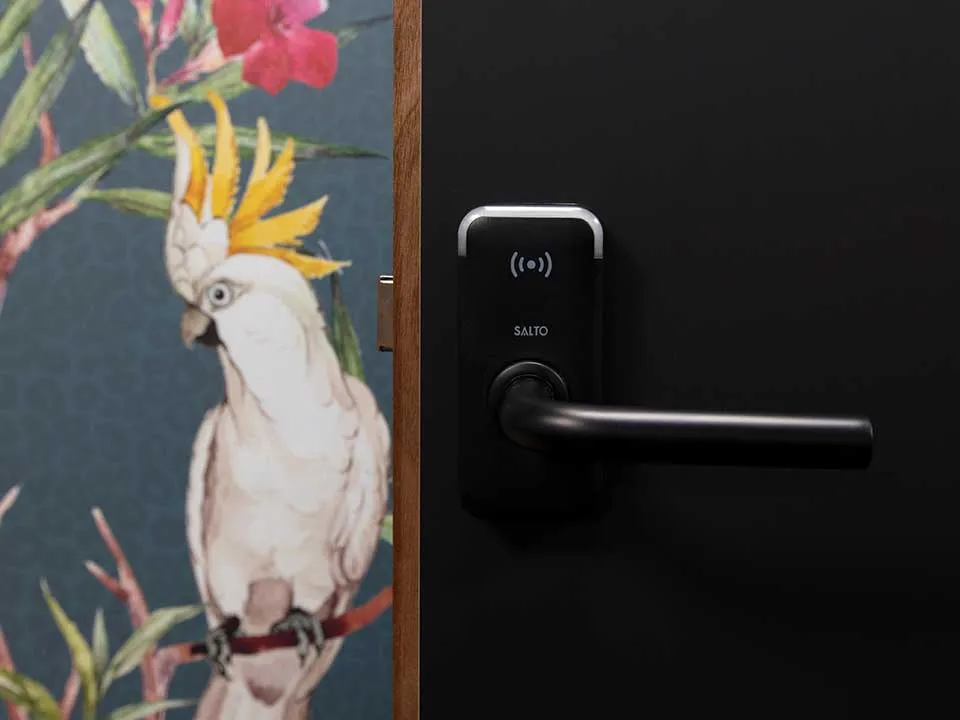
Access via smartphone
A contractor needs one-off access tomorrow, when nobody is on site? A coworking space with a constantly changing user base? These are just a couple of examples of intelligent, flexible access control and access granting. In a coworking space where rooms are rented out very flexibly, the system could be linked to an online booking platform. Authorised visitors can conveniently unlock the door using their smartphone, but only during the times for which they have been granted access. Regular, registered users can also do this through a smartphone app. The rights assigned to each user and each door can be changed at any time. Prefer keycards, badges or tags for employees? Those options are, of course, still available.
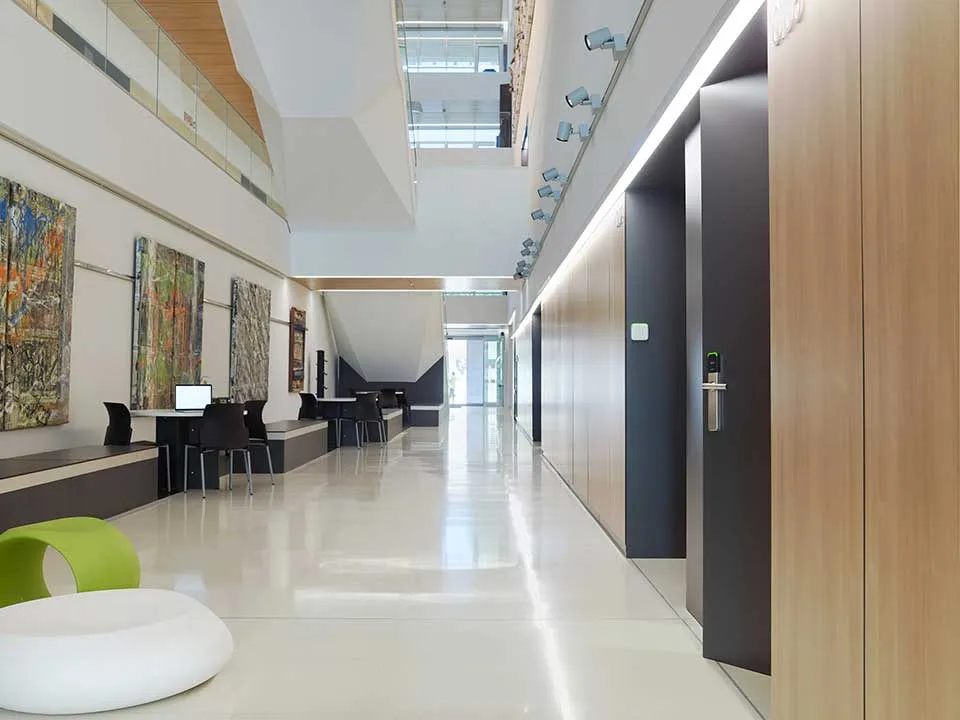
Access control during the coronavirus pandemic
Although the summer promises an improvement, coronavirus remains an important topic for now, and one we would like to touch on here. Some suppliers of electronic door locks offer hardware, or door furniture, with antibacterial properties, which are useful beyond the coronavirus pandemic, too. Then there are automatic doors, which can also be combined with intelligent access control and require no touching. Handprint or fingerprint readers, for example, are less suitable at this particular time. These fall into the category of biometric access control, which grants registered visitors access based on unique physical characteristics. Other biometric systems, such as iris scanning or facial recognition, can of course be coronavirus-safe. Do you need to limit the number of people in a room? Is this difficult to manage? Automatic people counters with smart software offer a solution. They can optionally be combined with a traffic light that turns red when the set visitor limit is reached.
Virtual receptionist
Systems with an integrated coronavirus check are also worth mentioning. For example, you can choose to allow access only to visitors wearing a face mask. It is also possible to integrate a body temperature check into the access control system. Cleverly designed virtual receptionists and reception desks have received a full ‘coronavirus upgrade’ for the occasion. Only visitors with a QR access code can enter. Visitors are also given a friendly reminder about the coronavirus prevention policy. Their body temperature is measured and they are asked to sanitise their hands. After checking in, the integrated printer prints a badge. The host receives a notification that their visitor has arrived and confirms with one click that they are on their way. An efficient way to welcome visitors, even during the coronavirus pandemic? That’s how it’s done.
A business enquiry for SALTO Systems? Get in touch
Companies in this story

Keep following this
Get an email when a new story is published. No account needed.
- ThemeTechnologies for safe, smart buildings
- SubjectGeneral
- CompanySALTO Systems







