








RoBot the Builder, can we build it?
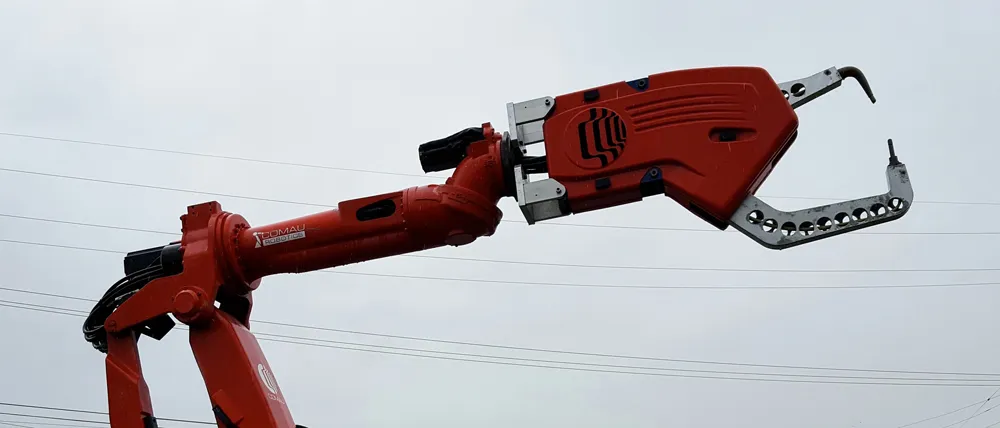
When coronavirus restrictions make a traditional study day impossible, Pixii swiftly switches to online sessions. Under the banner of Expert Sessions, it brings together a range of speakers to discuss a single theme.
These are, to put it mildly, interesting times for a knowledge centre. Pixii, the knowledge platform for energy-neutral construction, supports construction professionals as a neutral scientific research organisation, helping them with innovation, information and networking, as well as on site. Pixii brings together more than 160 leading companies in the construction sector and provides professional advice and guidance to businesses and individuals. One of Pixii’s key priorities is a broad programme of training courses, study days and seminars. These are now, of course, held in a coronavirus-safe format on site or, under the name Expert Sessions, online via livestream or on demand.
A wide-ranging programme
Since the end of last year, Piixi has already organised several Expert Sessions on ‘Health & comfort in a densifying residential environment’ and ‘New construction methods’. The Expert Sessions on new construction methods centred on a selection of promising approaches, some still at the concept stage and others almost ready for use. At the same time, Pixii posed the question of how we can move towards carbon-neutral construction methods. The knowledge platform suggests that moving away from linear economic production models will play a key role. Circular construction and renovation, increasingly ‘the talk of the town’, can reduce the construction sector’s carbon footprint, especially if we succeed in keeping materials as high up the value chain as possible. Pixii also focused during this Expert Session on robotisation and industrialisation as ways to make the construction industry more efficient.
New construction methods
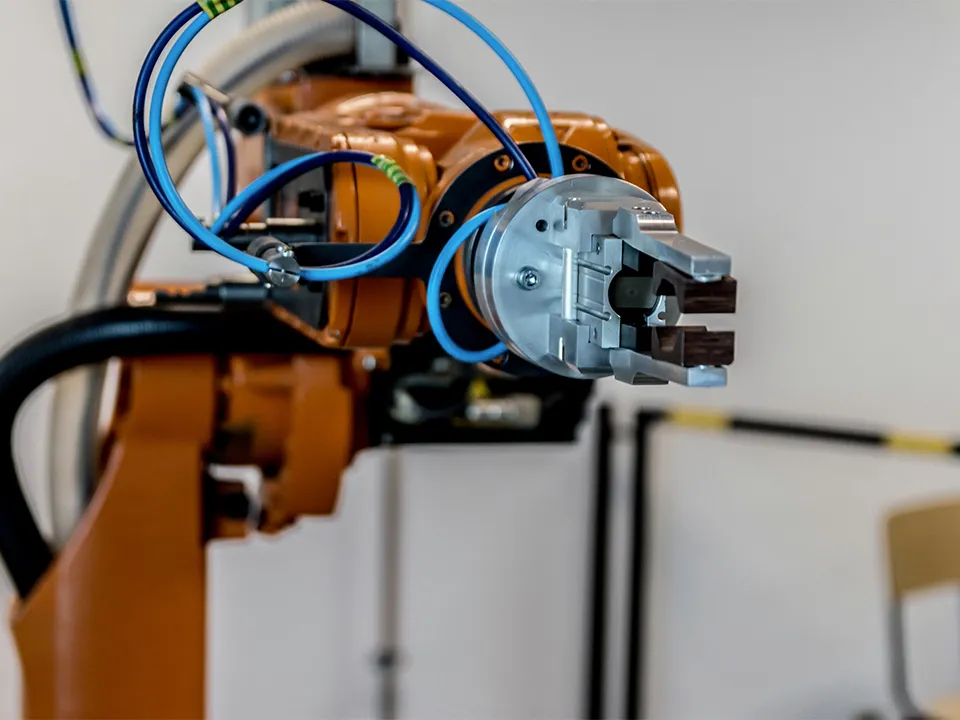
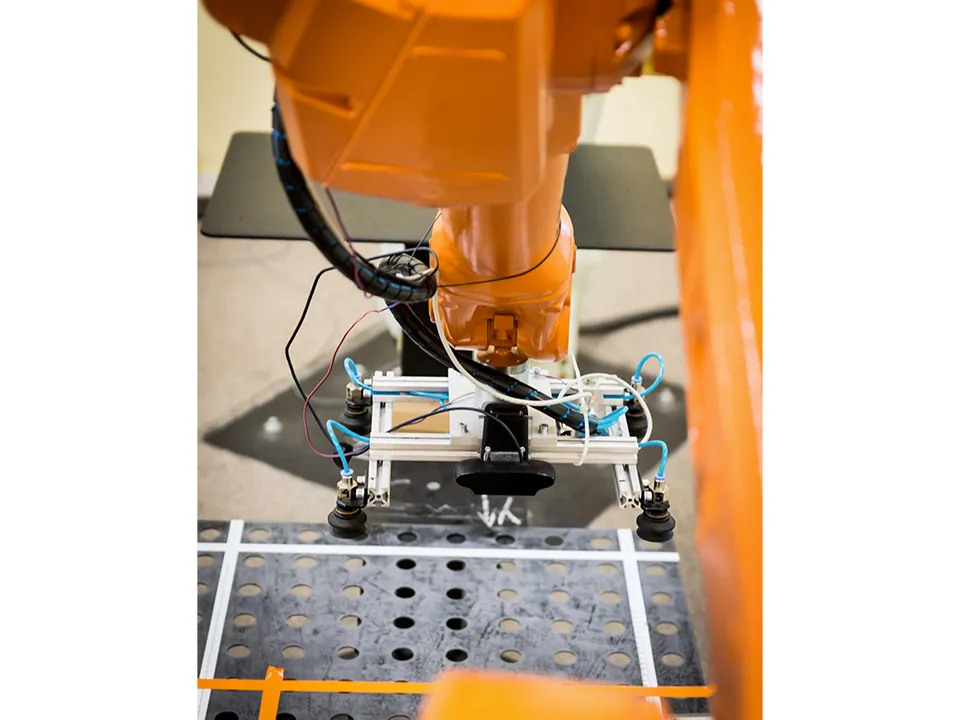
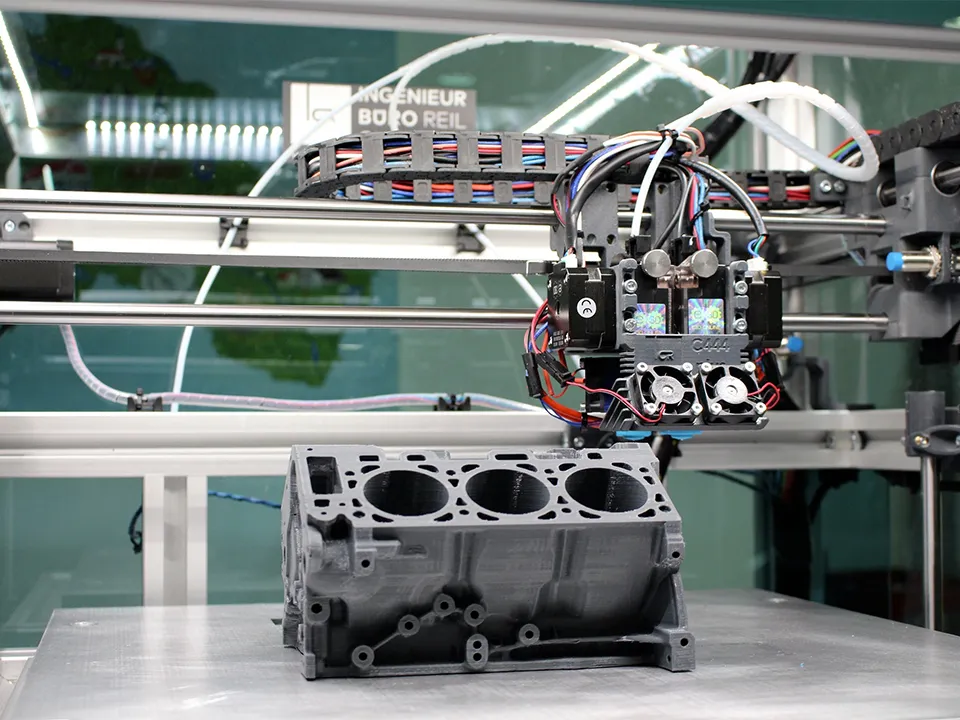
Prof. Dr. Ir. Arch. Lars De Laet, who is part of VUB’s Architectural Engineering research group, introduced us to an Expert Session on robotisation and automation in the construction sector. “This is certainly no longer science fiction,” says De Laet. “In certain circumstances, it makes perfect sense to replace a construction worker with a robot, under human supervision, of course. Think of repetitive tasks where precision is essential. Let the robot do that work and deploy the worker elsewhere. Compared with car manufacturing, time has virtually stood still in the construction sector. Car factories are dominated by automated processes, while construction relies on manual labour. Surely things could be different? The coronavirus pandemic has already led many construction partners to adopt the digital world more rapidly. A robot building an entire house is still a prospect for the future, but this development will not be long in coming. We are already seeing robots joining reinforcement mesh and 3D printers printing entire houses.”
Rethinking material use
De Laet continues: “Sustainable and circular construction start at the drawing board. Think of a building as a library of materials and components, so that they can be reused more easily later on. Thanks to new IT tools, we are already exploring how to save materials down to the smallest detail without compromising architectural quality. This helps prevent the construction sector from remaining the biggest supplier of waste.”
Question about this story? Ask your question
Keep following this
Get an email when a new story is published. No account needed.
- SubjectGeneral







