Slimmer, more ecological facing bricks are becoming the norm
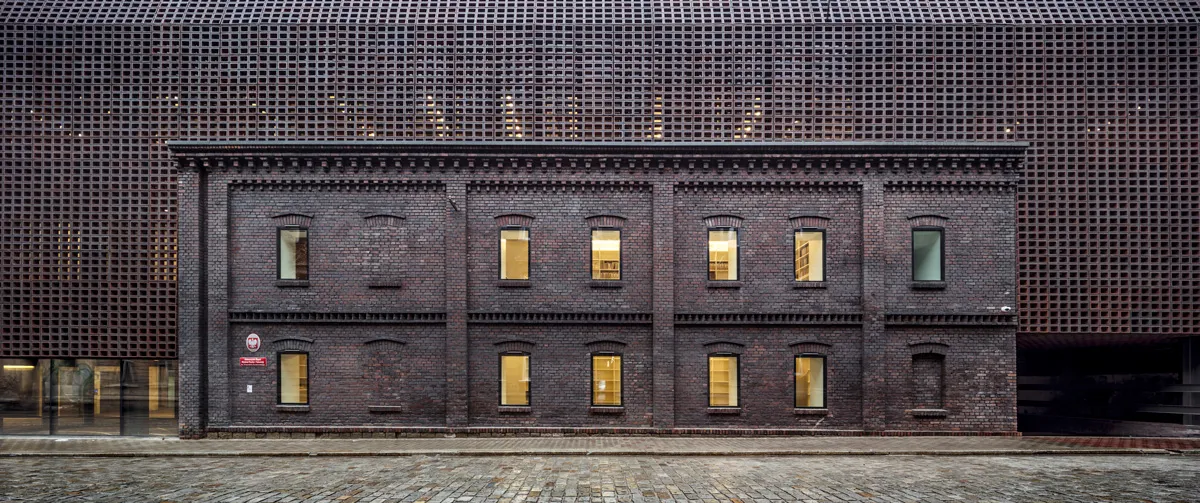
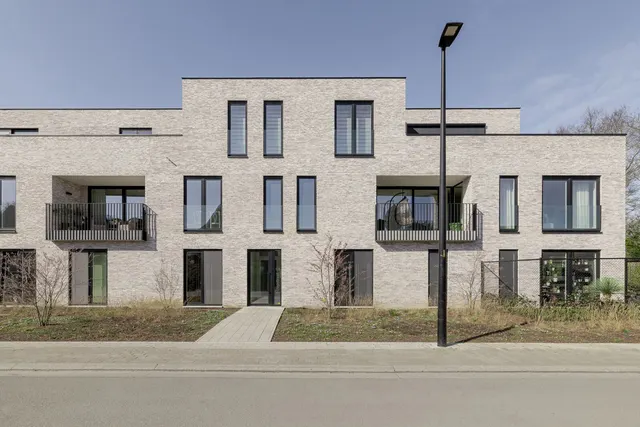
Despite the rise of other façade materials, Belgians are still ‘born with a brick in their stomach’. This saying, rooted in Belgium’s rich brick culture, remains as true as ever. It is time to take a closer look at some brick trends, and, by extension, facing brick trends.
The record number of entries for the Brick Award 2022, whose winners will be announced in June 2022, once again reflects the popularity of brick culture. No fewer than 789 entries from 53 countries. And where there is interest and demand, supply follows!
Slimmer facing bricks, more insulation
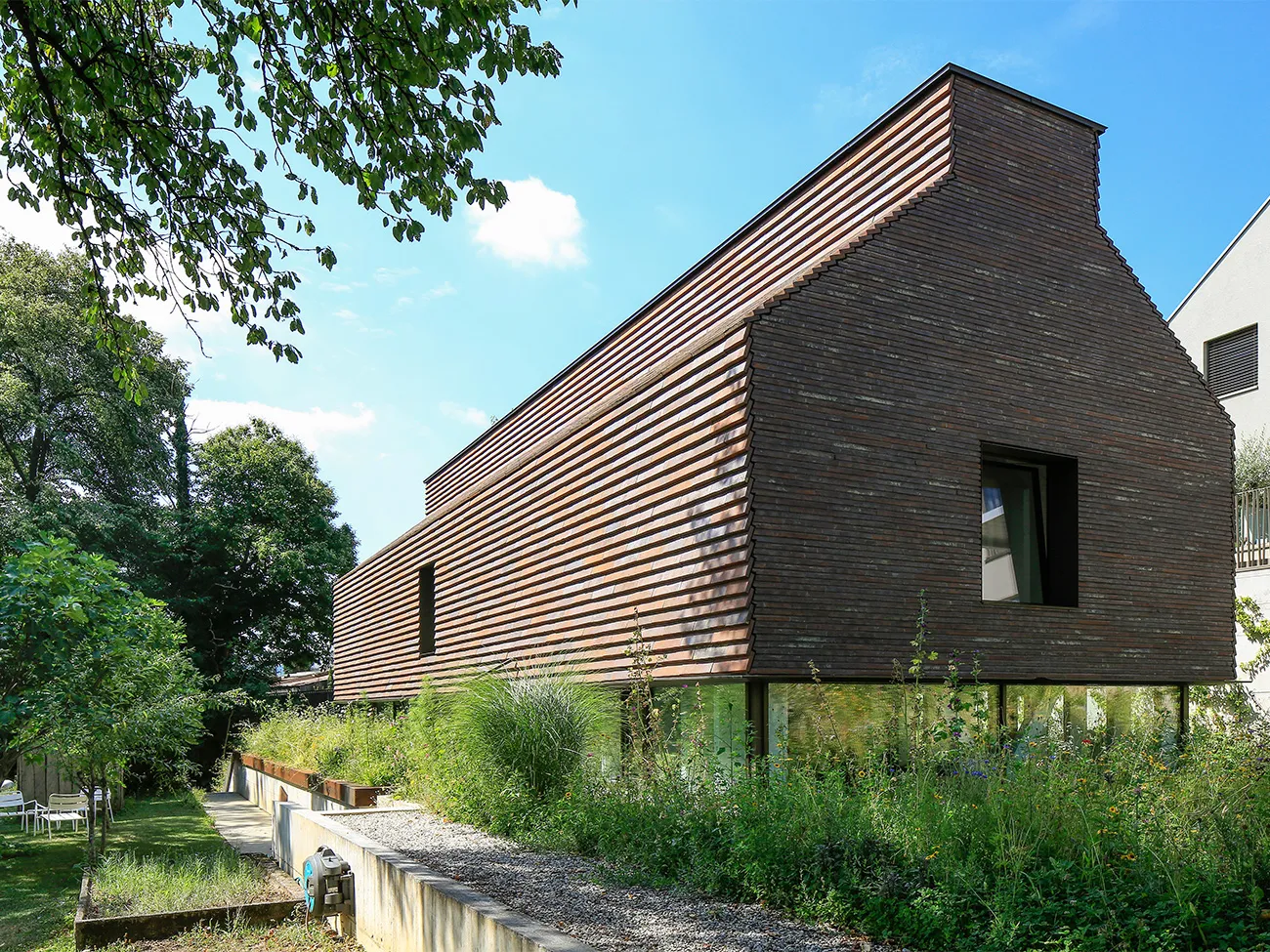
If there is one major trend to note, it is the continued rise of thinner facing bricks: thinner walls combined with a thicker insulation layer. The Flemish Government doubled the basic grant for external wall insulation from 15 to 30 euros per square metre. It aims to encourage homeowners to carry out the necessary façade insulation work to meet the 2050 target. Slimmer facing bricks allow for thicker insulation, in both renovation and new-build projects. Slimmer bricks also weigh less, are easier to handle on site and make transport more energy-efficient.
‘Ecological’ ranges expand
Wienerberger recently launched two new facing brick ranges in the slimmer Eco-Brick format: the Nubilum range, a limewashed facing brick with a lightly rough texture, and the Avolto range, a tumbled facing brick with a weathered look. “We also intend to expand our Eco-Brick range, which allows up to 3.5 centimetres of extra space for insulation, even further very soon, including with a number of exclusive bricks,” says Wienerberger. Watch for them at the BIS trade fair. Vande Moortel has also recently launched four new smooth, clean-lined linea7 Wasserstrich facing bricks in subtle colour shades, in the ecological and economical Brick7 format (76 millimetres thick). At just 36 millimetres high, they reflect another distinct trend: growing demand for facing bricks with a slim face.
Colour trends
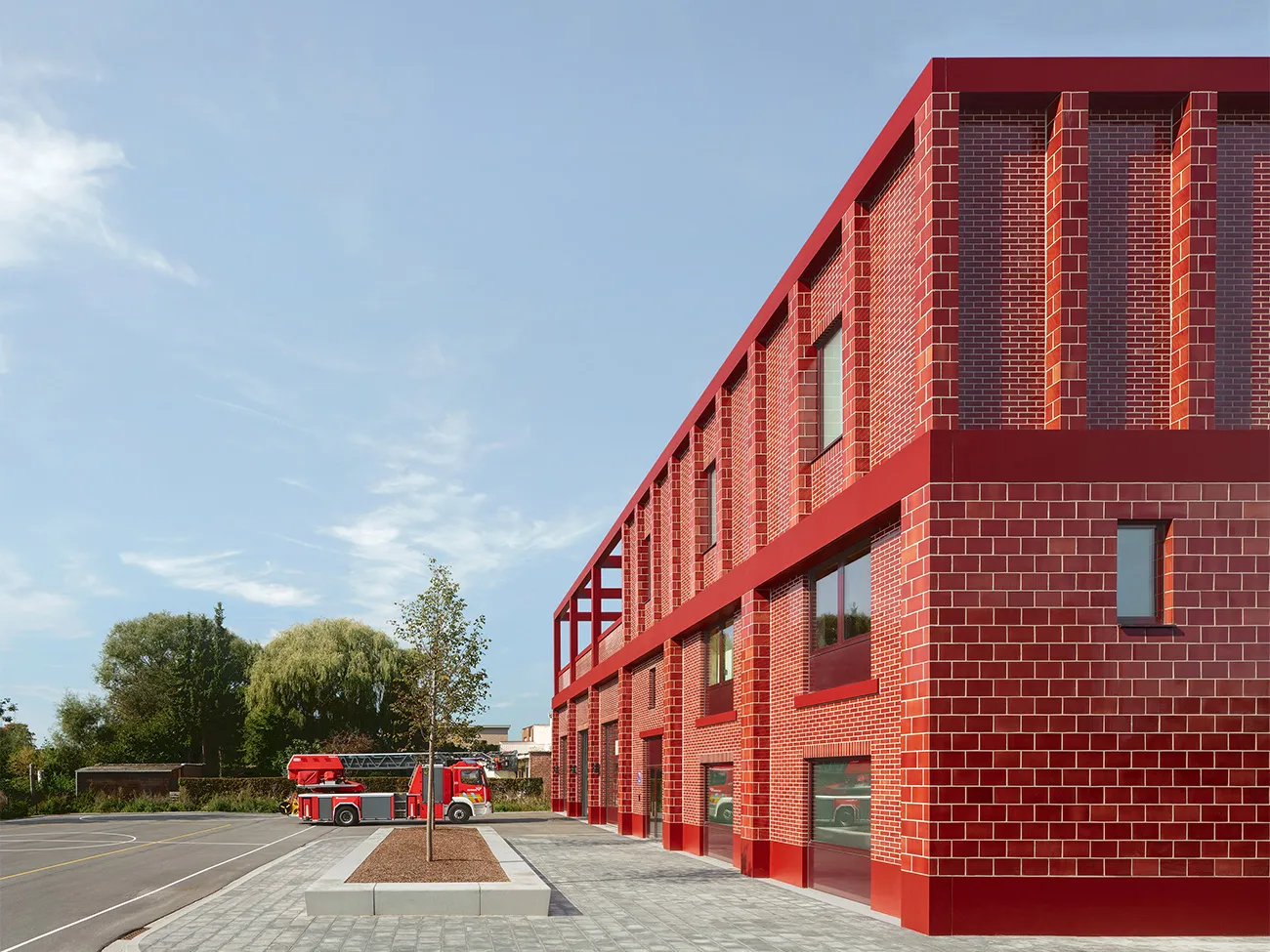
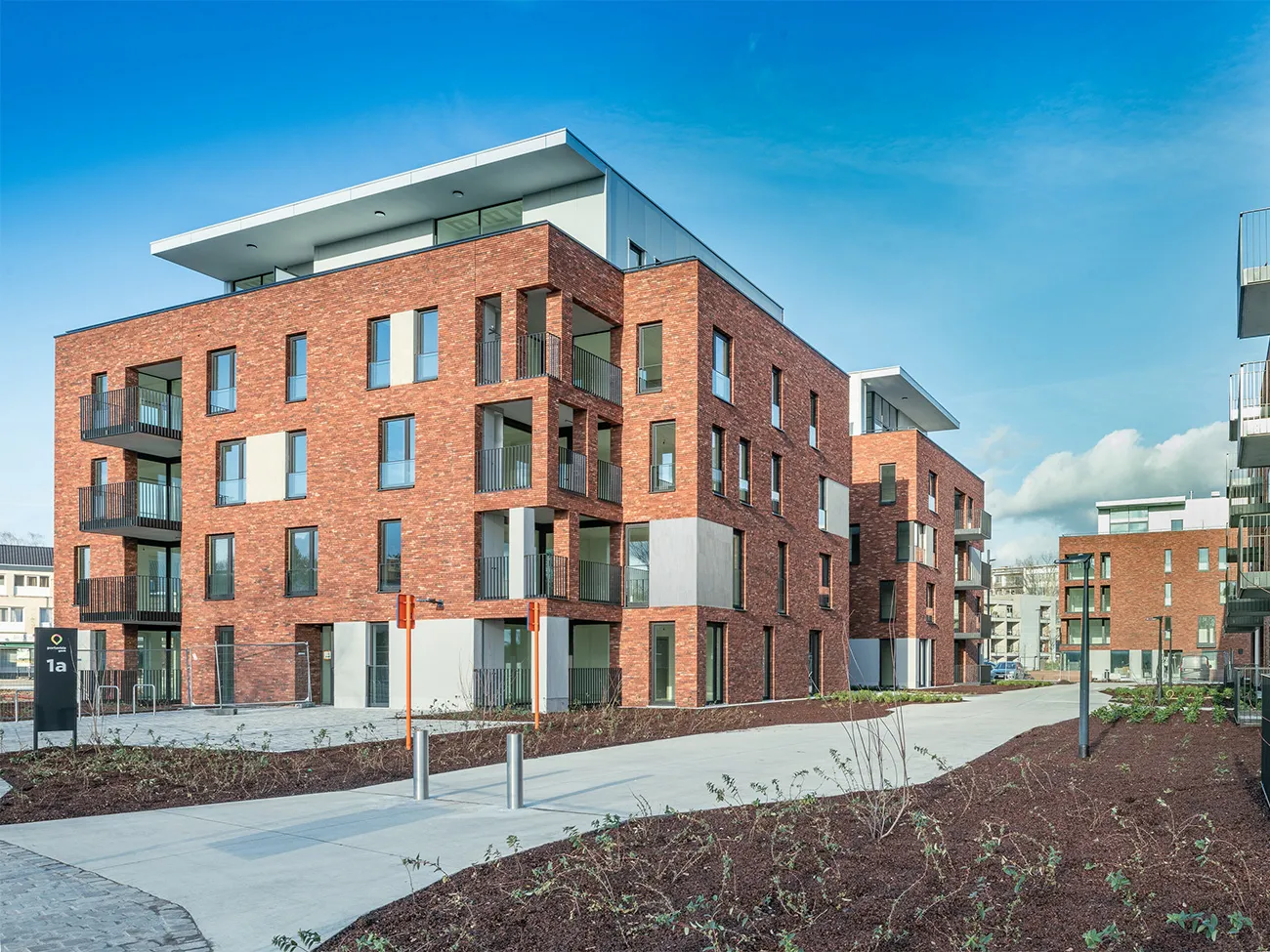
The range of colours available for facing bricks is constantly evolving across different ranges and types. Nelissen Steenfabrieken, for example, has launched 11 new colours, each with its own character, from pale crema to fiery drago.
For the latter, different types of sand combine with coloured sintering to create a distinctive spectrum of shades, from light to purplish brown. As well as introducing new colours, Nelissen has long focused on a variety of formats, including the longer, slimmer N70 format (240 by 70 by 40/50 millimetres).
Distinctive finishes
Looking to create distinctive architecture with facing bricks? Absolutely! Vandersanden presents two ranges that are sure to stand out. First, glazed bricks are available in a wide range of colours and various brick textures: hand-moulded, stock-moulded, Wasserstrich and Stengpers. Depending on the composition, the glaze can range from a matt satin to a high gloss, and from a uniform colour to a nuanced finish. Also distinctive are Vandersanden bricks treated using salt and coal firing. Introducing salt crystals and coal during the firing process creates unexpected colour accents and slight deformations on the brick surface. The result is a striking play of colours with a distinctive character.
Long-format bricks
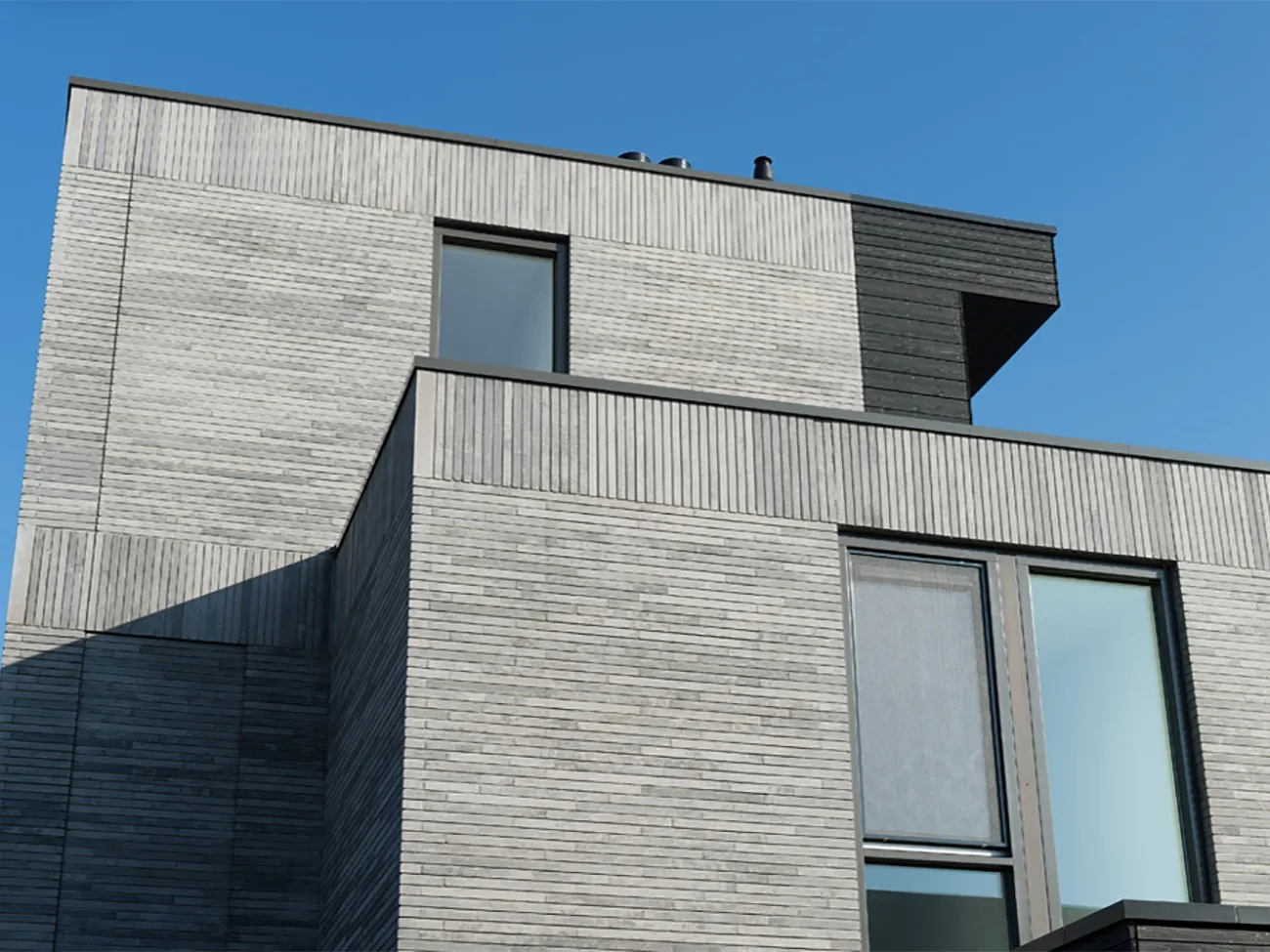
Slim long-format facing bricks, ranging from around 290 to as much as 600 millimetres, emphasise the horizontality of the architecture. Danish manufacturer Petersen Tegl’s 100% handmade, high-end Kolumba brick has a standard size of 528 by 108 by 37 millimetres, although special dimensions are also available. Maasmechelen-based Joseph Bricks, which specialises in smoked bricks, has also gone long with its Rutherford Wasserstrich brick, but above all, very low in height. Its dimensions are 330 by 90 by 25 millimetres. This manufacturer fires and smokes the bricks in a single production cycle (eco-smoking), reducing gas consumption and, consequently, CO2 emissions. Ecology is a key theme. Completely different and in a category of its own, yet also a perfect fit for the long-format category, are the GeoStylistix concrete facing bricks from Dutch manufacturer MBI, measuring up to 595 by 95 by 40 millimetres. They are available in a wide range of colours, with a top layer of naturally coloured aggregates selected for their colour, and with either a smooth or profiled finish.
An informed client
Other trends? “Clients are increasingly clear about what they want. They take the search for the ideal brick into their own hands,” says Ploegsteert. “We can see this in the growing number of enquiries from private individuals about bricks and reference projects.” At this manufacturer, the dipped, rough-textured Aspero facing brick is particularly popular, often used in contemporary architecture. Notably, the equally successful Tamburo range is finding its way into both rural and traditional country-house styles and clean-lined architecture, where it is tumbled in a longer, slimmer format. Proof that one and the same brick can suit a wide variety of styles.
Question about this story? Ask your question
Keep following this
Get an email when a new story is published. No account needed.
- ThemeBuilding envelopes for a changing climate
- SubjectProducts