New ways of working bring new demands for the workplace
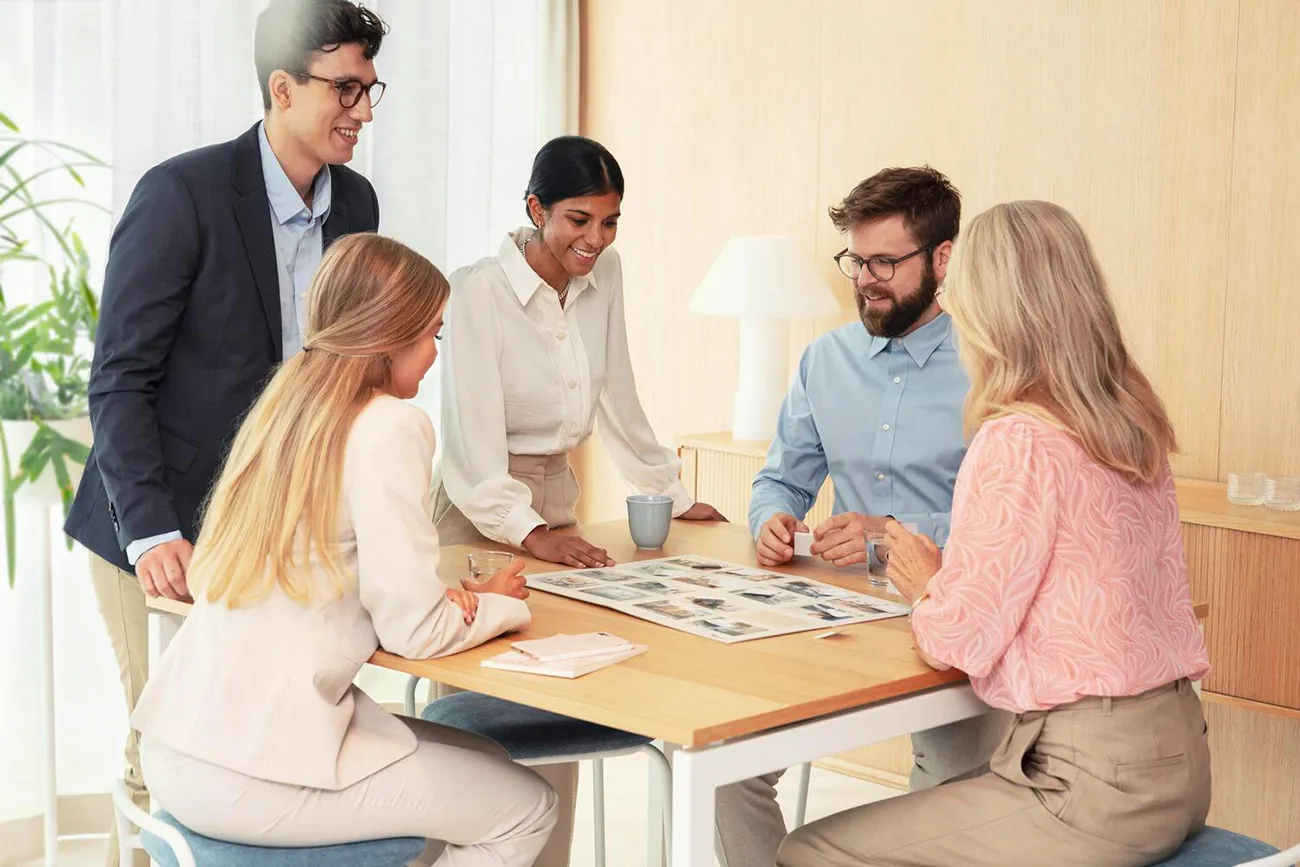
What will the office of the future look like?
Changing work patterns and new ways of working in a hybrid world are bringing new demands for the workplace. The office must be a valuable, attractive and sustainable place where people feel good, thrive and have the opportunity to perform at their best. At Stockholm Furniture Fair, from 7-11 February, Kinnarps is focusing on the office of the future.
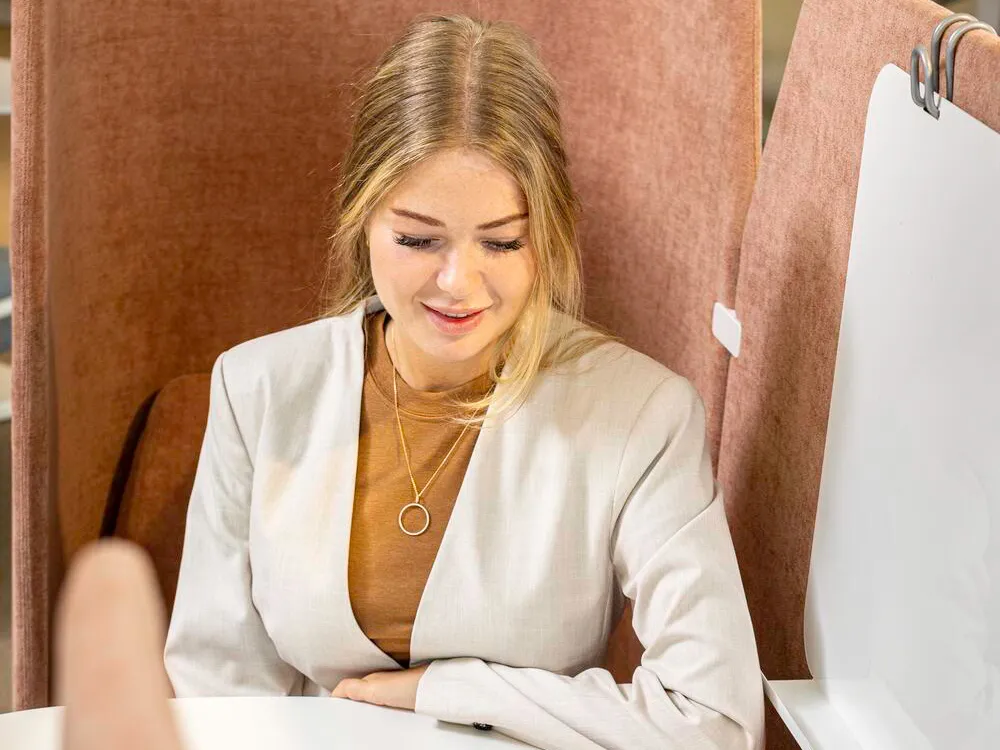
Now more than ever, the importance and design of office spaces are being discussed. Striving for innovation, creativity, problem-solving and efficiency, while promoting employees’ health, wellbeing and satisfaction, is crucial for many organisations. There is currently much debate about the importance of offices and how they are designed. Striving for efficiency and innovation while promoting employee wellbeing and satisfaction is a priority for many organisations. It is becoming increasingly important not only to retain new talent, but also to attract it. Here, the office plays an important role as a carrier of culture, a place where the organisation’s image and values are expressed.
“The office as a place to meet is more important than ever, a place where employees can meet one another, and where ideas can develop and grow. Many meetings can now take place digitally, but genuine engagement, building a company culture and fostering creativity happen when we meet face to face. However, we must not forget that the office is also a place for individual concentration, and that we need to consider all these factors when designing an office,” says Jenny Hörberg, Director, Global Range & Design at Kinnarps.
The design of our offices was already changing before the pandemic, moving from traditional, assigned desks to more flexible ways of working. The pandemic turned everything upside down, and new technology has given us greater flexibility in how and where we work.
Five key principles for a successful and sustainable workplace
What is the key to a successful office? With more than 80 years of experience, Kinnarps has a clear understanding of what is needed. According to Kinnarps, 5 key principles shape a successful and sustainable workplace.
- Make sustainable choices for a sound investment from several perspectives
- Map and analyse your needs: your preparatory work determines the final result
- Design health-promoting spaces with holistic ergonomics
- Make your office future-ready with flexible interior solutions
- Connect the physical and digital office
Sustainability, for a sound investment
Most people today have a sustainable mindset and make sustainable choices, but what does that actually mean when choosing your interior design?
Taking sustainability from a human, environmental and economic perspective means considering the entire life cycle of your interior design and choosing high-quality interiors that last.
“We challenge the concept of circularity and say that it is important to invest in sustainable circularity. This means consciously choosing high-quality, flexible solutions with interiors that can be adapted to extend their life cycle. The longer the life cycle, the lower the environmental impact,” says Ann Cederwall, Director of Global Marketing & Communications at Kinnarps.
Your preparation determines the final result
When making changes to the workplace, an organisation should start with its vision, values and specific needs. Investing time and attention at the start of your project lays the foundations for successful change in the office.
“The activities and needs of a workplace must be mapped and analysed. It is very important to secure the active support and participation of the management team. From the hundreds of workplace analyses we have carried out, the main thing we have learned is that the preparatory work determines the final result..” says Henrik Axell, Head of Workplace Strategy at Kinnarps.
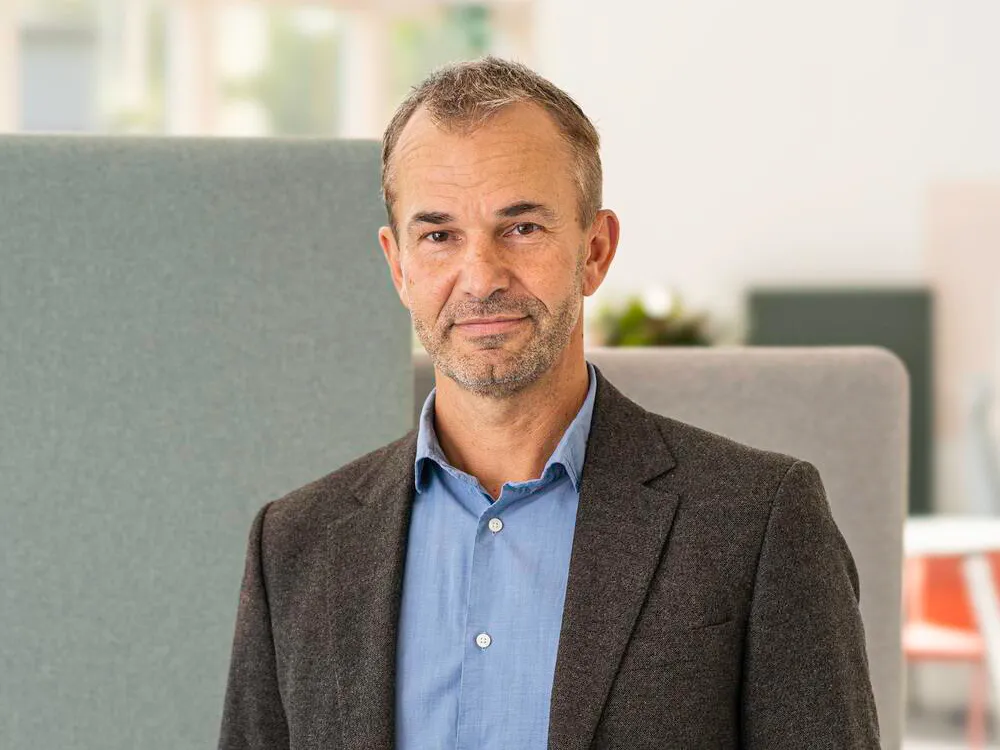
Health-promoting spaces with holistic ergonomics
Various factors affect how you feel and how you perform, so it is important to consider the overall ergonomics. Holistic ergonomics is about the total experience of an environment: physical, organisational and social.
Factors such as colour, acoustics and noise are important when creating a good, health-promoting environment. The office layout should support different ways of working. There should be spaces for individual work requiring a high level of concentration, spontaneous creative meetings between a few people, individuals attending digital meetings, and traditional, large, in-person meetings.
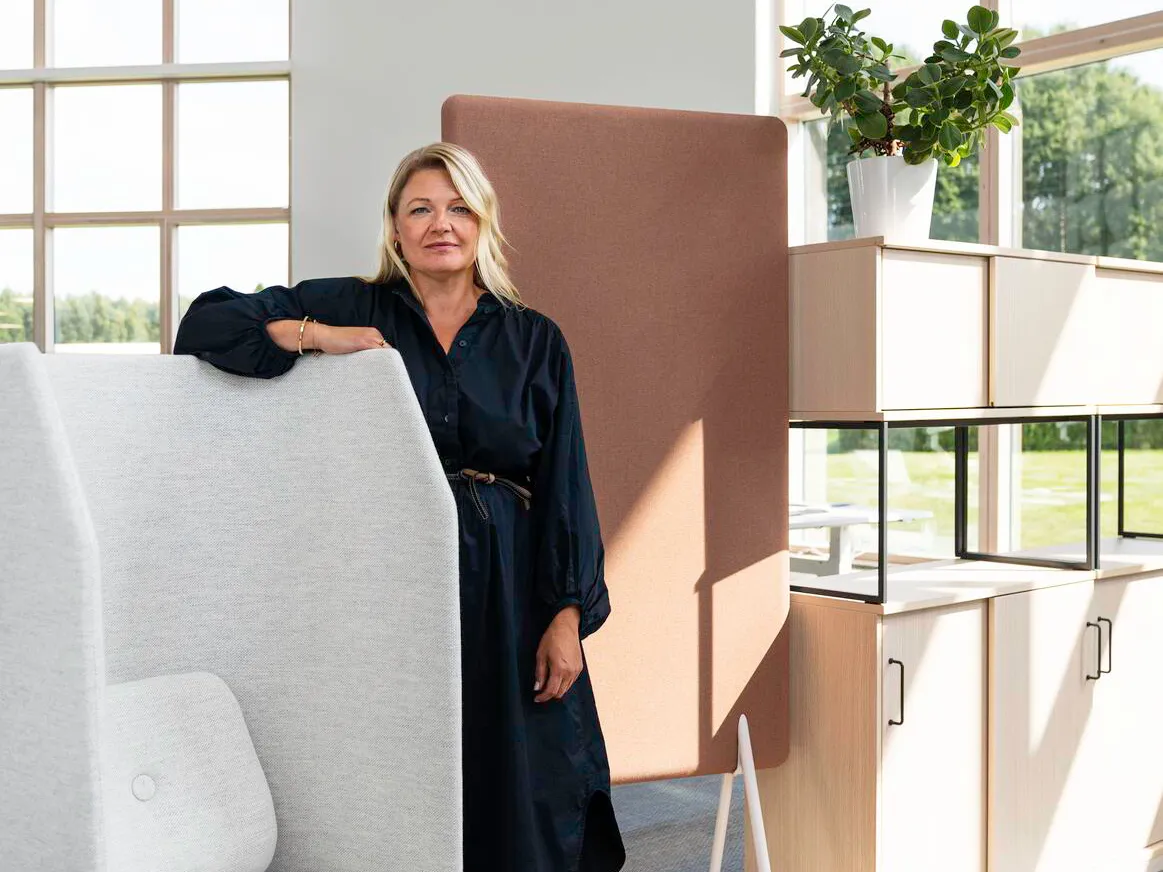
Flexible interior solutions
Many employers say, “We need to be flexible.” But what does this actually mean? Many employers say, “We need to be flexible.” But what does this actually mean? One way to explain the concept is to divide it into day-to-day flexibility, short-term flexibility and long-term flexibility. You should also consider what your specific organisation needs.
The office interior should be equipped with flexible, multifunctional furniture that can be used, changed or adapted to different needs. This means adapting the furniture to different activities on a day-to-day basis, as well as adapting the layout over time to meet changing needs.
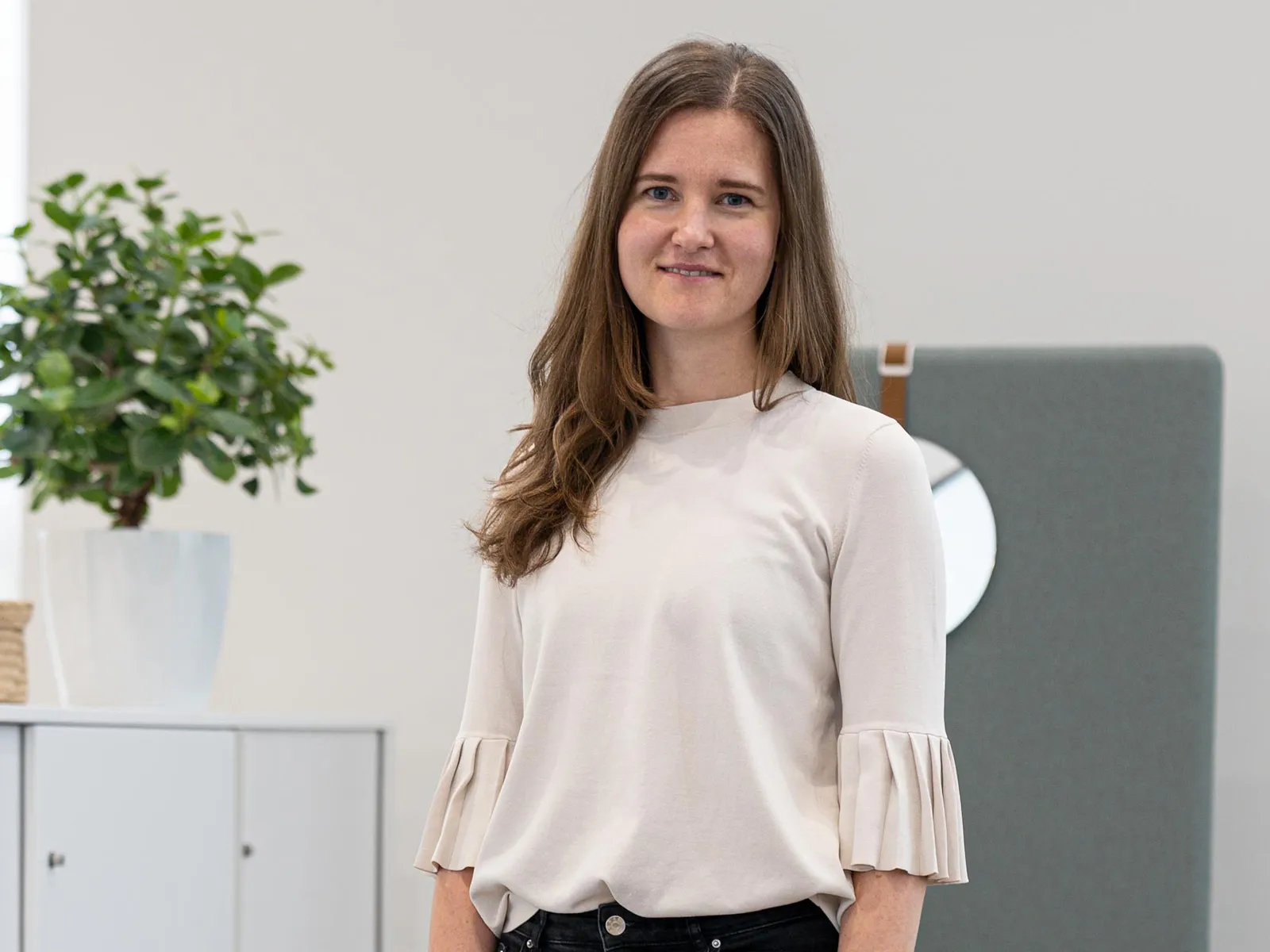
Connect the physical and digital office
It is important for the workplace to connect the physical and digital office in the best possible way, to remain efficient and productive. When planning their interiors, organisations should consider what types of meetings they hold and how many are
in-person, digital and hybrid meetings. Different levels of confidentiality should also be taken into account.
Once again, it comes down to organisational needs and facilitating activities through the function, design and placement of the interior.
For more information on designing workplaces in a hybrid world, see Kinnarps’ white paper,, which can be downloaded at: https://www.kinnarps.be/nl-be/kennis/een-geslaagd-kantoor-in-de-hybride-werkwereld/
Kinnarps is exhibiting at Stockholm Furniture Fair, 7-11 February at Stockholm International Fairs and Congress Centre (Stockholmsmässan), Hall A, Stand A:16.
Question about this story? Ask your question
Keep following this
Get an email when a new story is published. No account needed.
- SubjectGeneral