








LIAS vision paper: towards an age-proof residential landscape in Flanders
Text Eva GoossensImage KU Leuven, OSAR architects
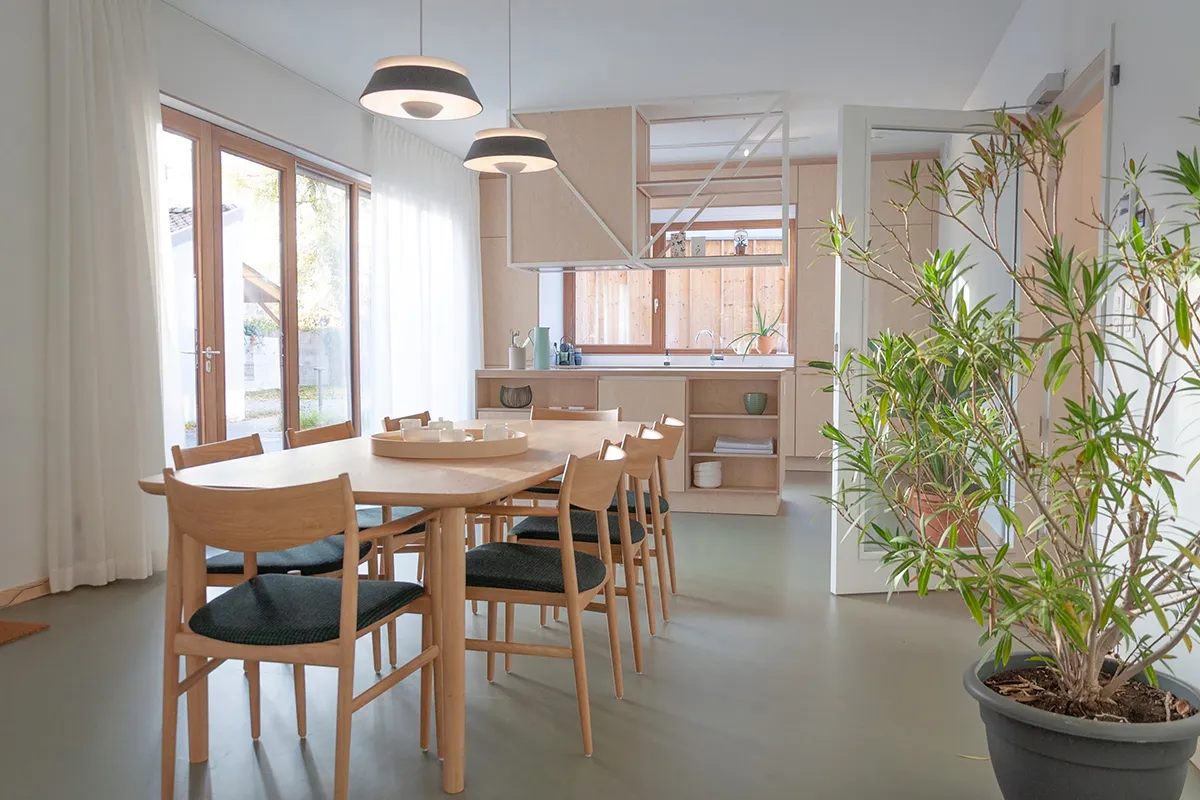
By 2050, there will be as many as 800,000 people aged 80 and over in Flanders. Where and how will these people, with their increasing care needs, be able to enjoy a good quality of life at home? The KU Leuven working group on new housing models for the baby-boomer generation recently presented its vision paper, which explores alternative forms of housing alongside living at home and residential care centres.
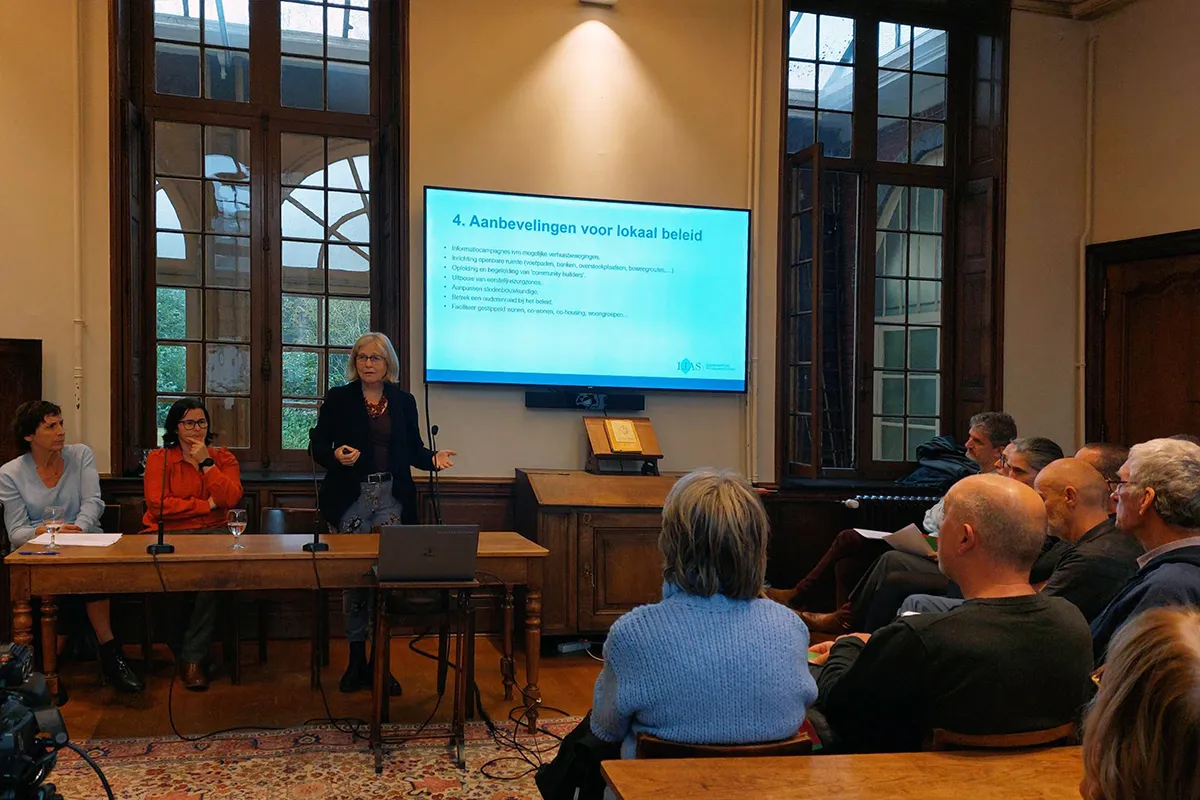
What is needed to make Flanders’ residential landscape more ‘age-proof’? This question is the starting point for the vision paper by LIAS, or the ‘Leuven Institute for Advanced Study’. LIAS is an interdisciplinary think tank at KU Leuven, bolstered by the expertise of international researchers. The result is a series of recommendations for citizens and policymakers, as well as for architects, who are encouraged to design more age-proof homes that also promote activity.
Alternative housing for older people
Presented by Hilde Heynen (architectural theory) and Mieke Deschodt (gerontology and geriatrics), the vision paper explores the links between ageing and housing. The way housing and care are currently organised needs to be reviewed. Most older people prefer to live at home for as long as possible, which is also the focus of Flanders’ ageing policy: ‘ageing in place’. Many, however, live in large family homes in more remote locations. This makes organising home care complex and expensive. Moreover, the vision paper argues, it would be better for older, spacious homes to be made available for renovation and subdivision, allowing first-time buyers and young families to move in, while their former residents move to homes that are smaller, more accessible, better adapted and better located. ‘Moving in time’ makes ‘ageing in the right place’ possible, while making a timely and well-informed choice can also promote older people’s independence and self-respect. Alternative housing models such as cohousing, intergenerational living or care-ready apartments can help avoid a move to a care institution.
In practice
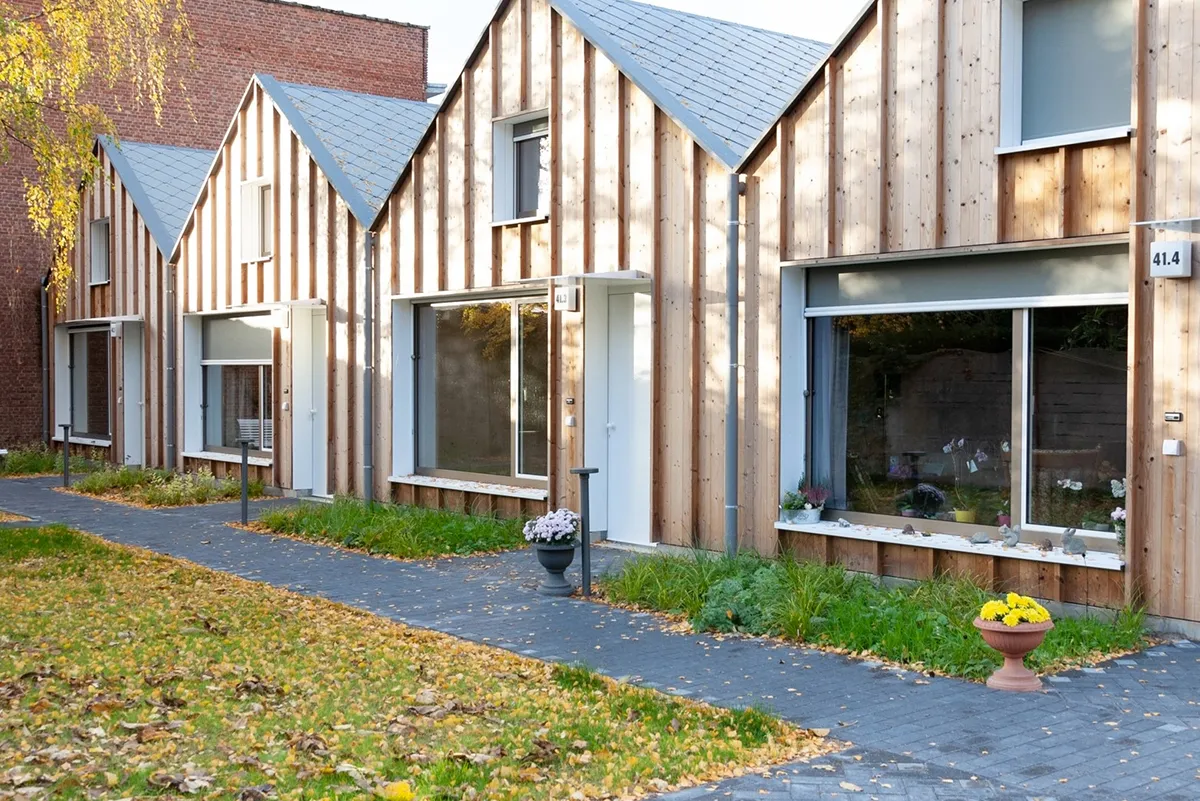
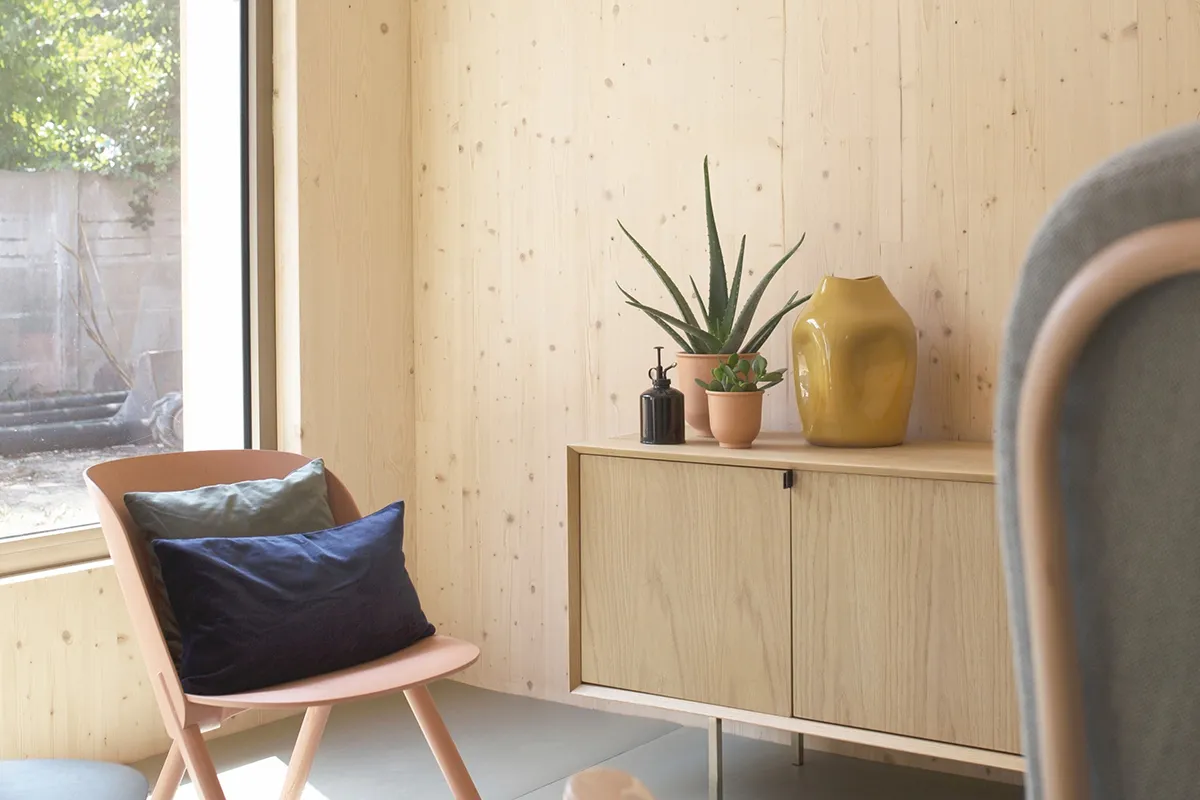
The presentation illustrated how things can be done differently, drawing on several real-world examples. Mario Vanhaeren, director of Oostrem, introduced De Boomgaard in Kessel-Lo, an innovative housing project for people with a range of care needs, centrally located in the neighbourhood and shaped in collaboration with local residents. Cecilia Aernaudts, architect at OSAR architects, also reviewed several innovative ‘care housing projects’ in Belgium and abroad, including Schoolstraat 41 in Wijnegem, supported housing for older people with and without care needs. Cecilia Aernaudts: “These projects have all come about thanks to committed clients who want to bring about change, with local authorities also playing an important role. Consider large, vacant houses that could be put to good use as small-scale residential care projects. This requires flexibility in legislation. These projects often fall into a grey area, are unconventional and face a more difficult planning process because authorities are unsure how best to deal with them.” The vision paper also highlights regulatory and legal barriers, and addresses them in its recommendations to intermediary bodies and policymakers at Flemish and federal level. There is work to be done!
Read the full vision paper in the publications section at lias.eu.
Question about this story? Ask your question
In this story
- Project:Schoolstraat 41
- Location:Wijnegem
- Architect:OSAR architects
Keep following this
Get an email when a new story is published. No account needed.
- SubjectGeneral







