








Kinnarps interior group challenges the concept of circularity
Just because something is circular does not automatically make it sustainable. Kinnarps believes it is important to create interior solutions and furniture designed for long-term use. It is therefore launching a concept for sustainable circularity.
More than 10 million tonnes of furniture are thrown away in Europe every year. The concept of circularity must be challenged once and for all, and the furniture industry must take responsibility for how furniture is designed, manufactured and transported in order to create the conditions for sustainable interior design. Circularity is often equated with sustainability, but it only becomes sustainable when a product is designed for long-term use. Its long life cycle must be extended further by planning for updates, refurbishment and renewal. The most important principle when it comes to reducing the environmental impact of using furniture is to keep each item in use for as long as possible. This keeps the furniture’s environmental impact per year of its life cycle as low as possible.
Sustainability has been part of the DNA of family-owned Kinnarps since it was founded in 1942. Providing high-quality, attractive interior design solutions that last is nothing new for the interior group. Now, however, it is taking its sustainability work a step further by launching a concept that clearly sets out the three key parameters for choosing sustainable, circular interiors.

Circles of change: Sustainable circularity from Kinnarps offers a new way of using and thinking about sustainable interior solutions. The concept helps business leaders, buyers and architects make sustainable, circular and functional choices from the outset by analysing the organisation’s needs. It is all about making informed choices, creating flexible solutions and opting for high quality to deliver a future-proof solution. The result is an interior with low life cycle costs, designed around identified needs and promoting wellbeing, efficiency and success, while preserving natural resources.
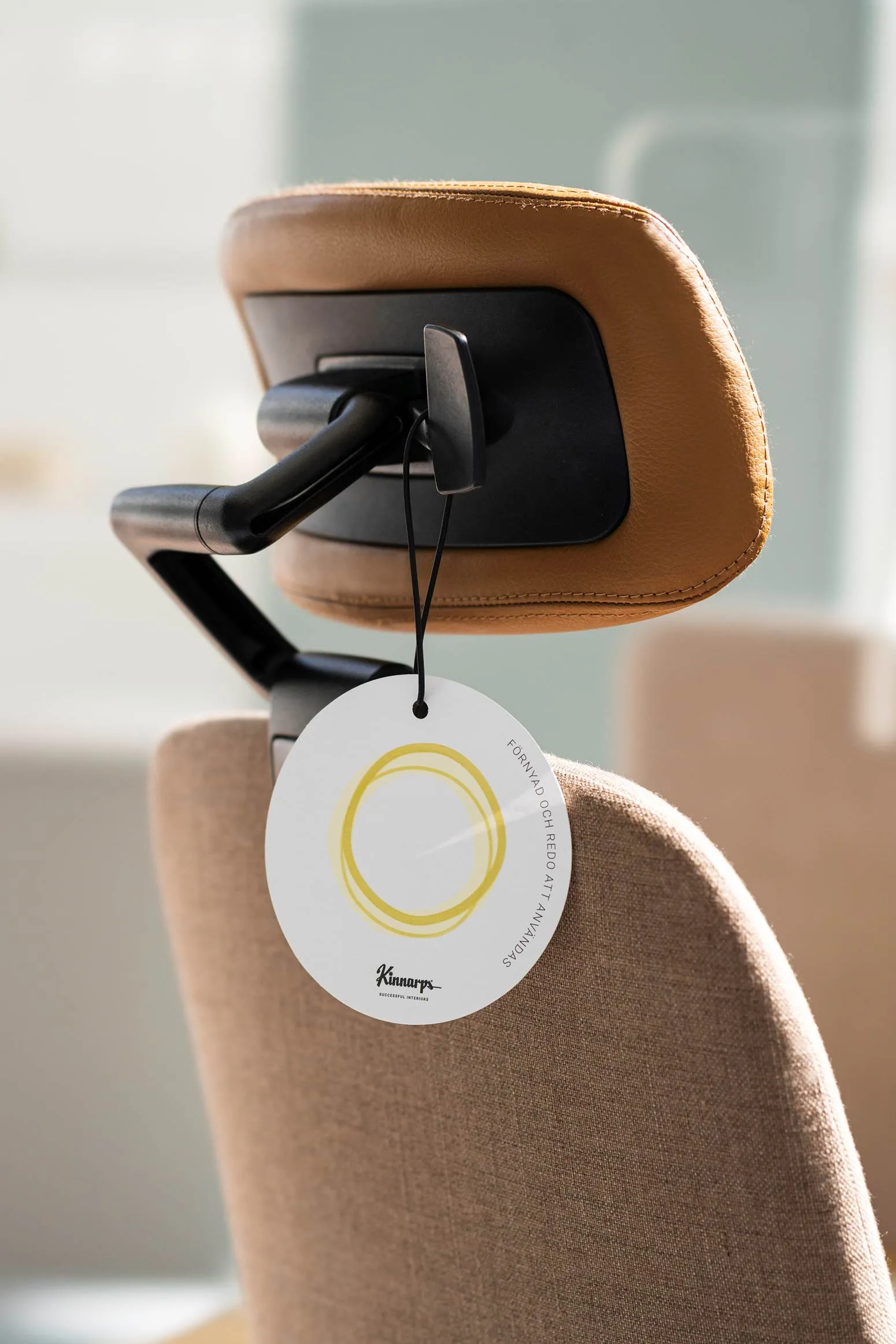
The concept includes a range of circular services, such as workplace analyses for the office, education and healthcare sectors. In Sweden, its first market, the company also offers the option of buying recycled furniture through e-commerce, as well as a unique service truck that can breathe new life into old furniture at the customer’s premises.
“Sustainable interior design is about both the present and the future. When choosing interior furnishings and furniture, it is therefore important to consider the entire life cycle and create flexible interior solutions based on the organisation’s needs, which genuinely support employees in their day-to-day work. It is also about choosing furniture made from carefully selected materials and designed and prepared for renewal, to maximise its lifespan and create the conditions for sustainable circularity.”
Jenny Hörberg Global Range Director Kinnarps
“We help our customers make sustainable and circular choices from the outset, choices that create the conditions for future-proof environments. Based on needs analyses, we create unique, ergonomic and flexible solutions designed for today’s individuals and activities, while also being ready to meet future needs and challenges. By offering furniture and concepts that can be updated, renewed and refurbished, we enable changeable and adaptable interior design solutions that can evolve to meet changing needs and stand the test of time.
Dan Molander Global Sales Director Kinnarps
Question about this story? Ask your question
Keep following this
Get an email when a new story is published. No account needed.
- ThemeCircular construction and material awareness
- SubjectGeneral







