Innovations in insulation
The turmoil in energy prices is making many homeowners think: perhaps it really is high time to invest in insulation? Thermal insulation is more of a hot topic than ever, both in new-build projects and in the renovation market. More than enough reason to take a closer look at some insulation systems, particularly the latest innovations.
Now is the perfect time to renovate, and above all to insulate. That is the clear message of the current reNUveren campaign, through which the Flemish Government aims to raise awareness as part of the Flemish renovation strategy. “The renovation rate needs to rise urgently,” says Flemish Minister for Energy Zuhal Demir. No less than 300 million euros is being made available for this purpose this year alone.
Insulation barometer
Insulation remains the most effective way to improve a home’s energy performance. Pieter Bailleul, Technical Manager at Recticel Insulation: “Our 2020 Insulation Barometer showed that 20.6 per cent of all residential buildings in Belgium still have no roof insulation, 55.3 per cent have no external wall insulation and 66.4 per cent have no floor insulation. In our 2021 Insulation Barometer, we calculated that insulating all these uninsulated roofs, walls and floors to a value of 0.24 W/m²K, the Belgian target for 2050, could save our country 37,807 GWh. This would mean a 7.62 Mt reduction in CO2 emissions and a 2.523 billion euro saving on energy bills. And that is just the impact of insulating roofs, walls and floors that currently have no insulation at all. Homes with inadequate insulation have not yet been taken into account.”
Circularity
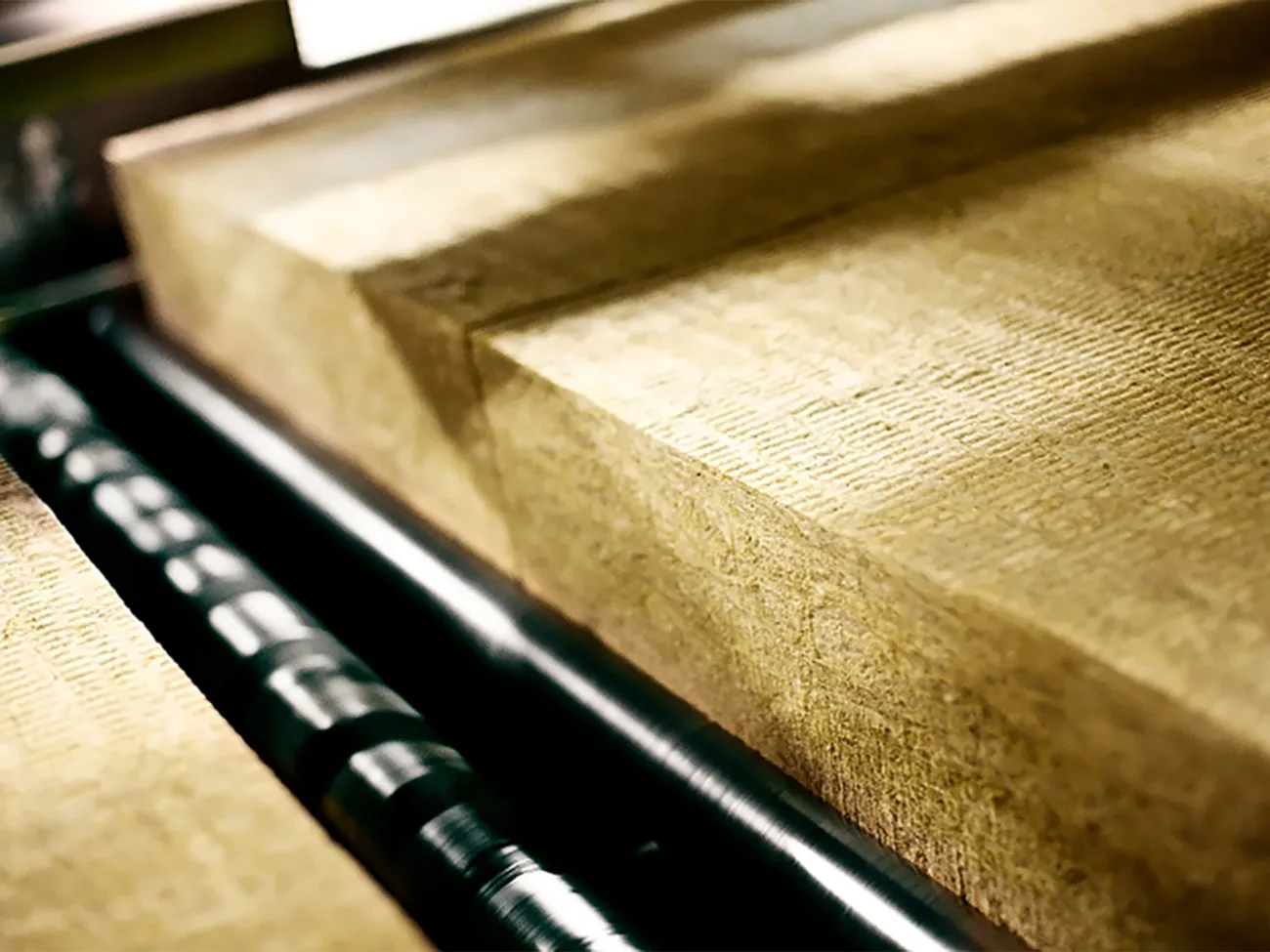
Entire guides have been written about the different kinds and types of insulation, and there is still plenty more to say. In broad terms, insulation materials can be divided into plastic-based products, such as PIR and PUR, EPS, XPS and resol, and mineral insulation, such as glass wool, rock wool and cellular glass. Paul Steen, Sales Director Benelux at ROCKWOOL: “Our rock wool products are made from basalt, an inexhaustible raw material, and can be recycled indefinitely without losing their original quality. Doing business in the circular economy is therefore in our nature.” ROCKWOOL has operated its recycling plant since the early 1990s, and new stone wool products contain up to 50 per cent recycled material. “And because there is always room to do better, we continue to develop in this area,” adds Paul Steen. “For example, we have developed a cavity wall product that uses 20 per cent fewer raw materials while delivering the same performance. Fewer raw materials mean a lower environmental impact. The product is also lighter, making it easier to handle and install.” There is always room to improve, and improvements are being made.
The ‘green’ alternative
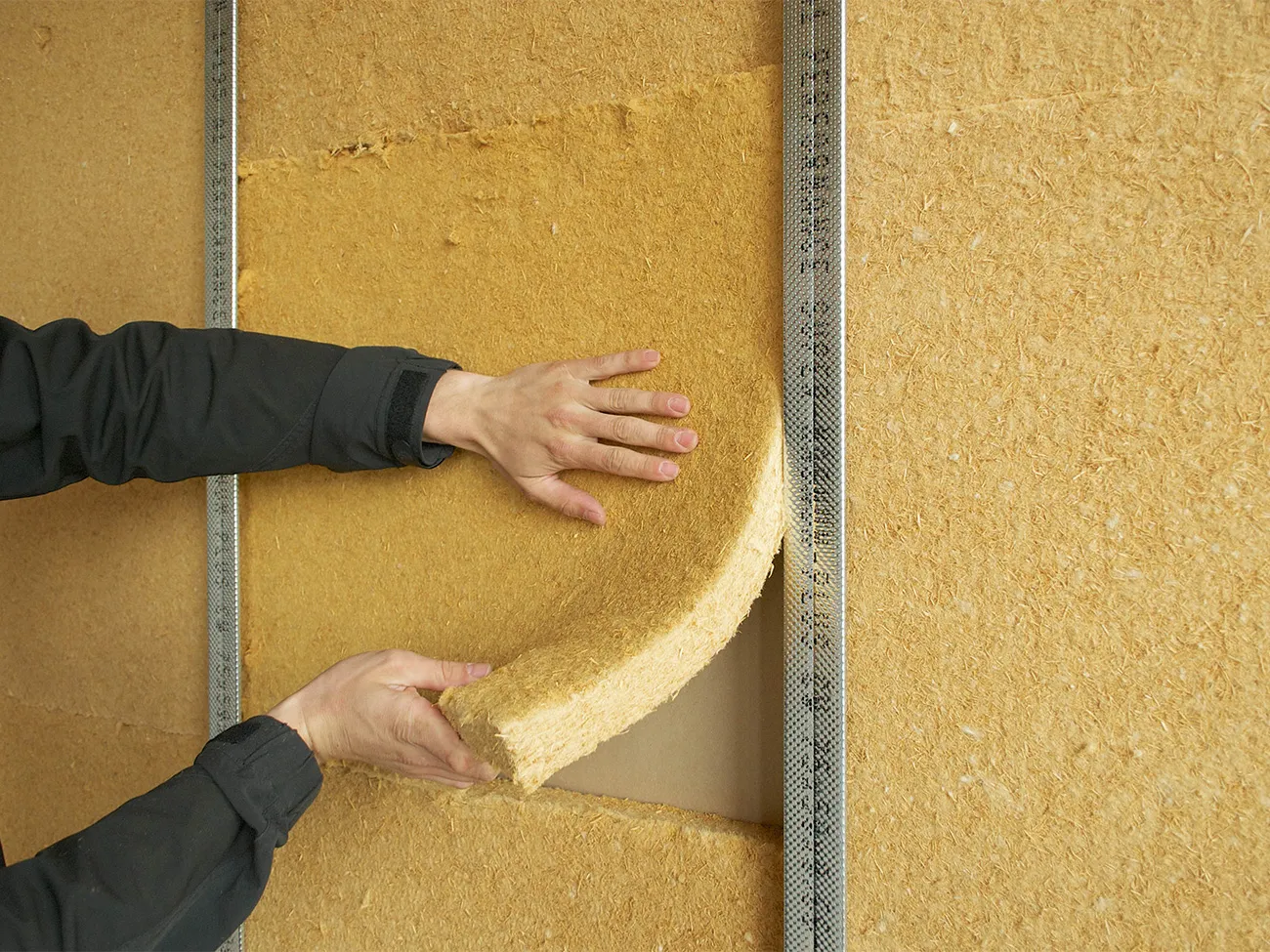
Sustainability is very much a current issue, prompting some to opt decisively for ‘green’ alternatives. These include insulation made from paper flakes, wood fibre, cotton, cork, sheep’s wool, flax or hemp. Hemp insulation, made from natural, renewable plant fibres, combines technical and environmental performance to great effect. Hemp is a fast-growing annual plant that requires little fertiliser, needs no pesticides and is well suited to crop rotation. At the same time, wood fibre insulation is also being developed further. One example is STEICOflex 036: an ecological, flexible and friction-fit roof and wall insulation with a thermal conductivity of just 0.036 W/mK, a leading product in the natural flexible insulation mat category.
Compact yet high-performance insulation
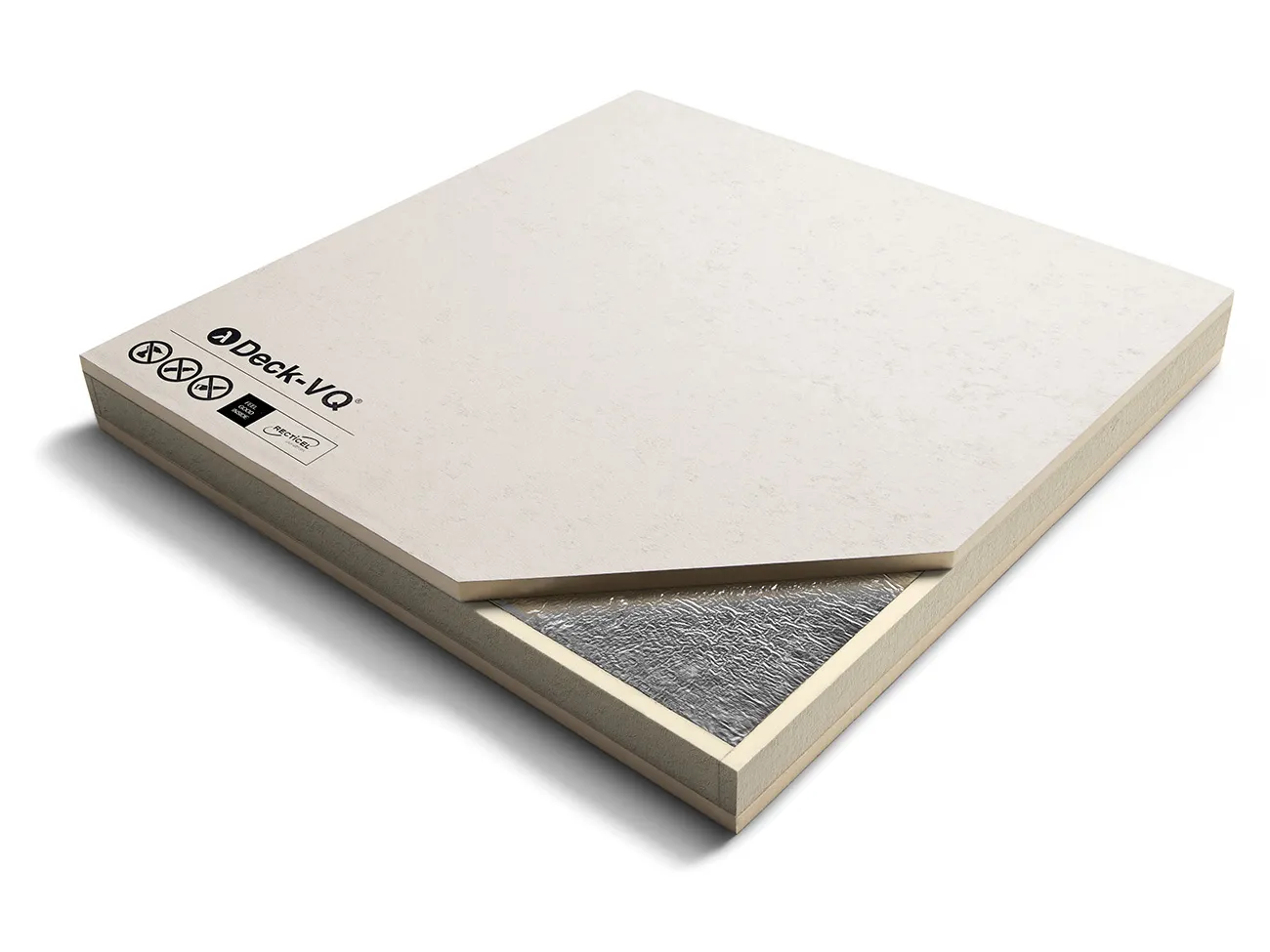
Alongside sustainability and the focus on fire safety, we are seeing another trend: insulation materials with a reduced thickness. Lambda values are becoming increasingly important, especially where space for insulation is limited or there is a strong focus on maximising usable living space. In this context, we should mention resol rigid foam, which can be up to 40 per cent thinner than EPS or mineral wool and is also finding its way into ETICS. PU insulation panels also have a good lambda value. The thinner build-up this makes possible lets more daylight into interiors and means that, in some cases, planning permission is not required for façade renovation. Compact insulation also brings to mind, above all, innovative ultra-thin vacuum insulation. VIPs, short for vacuum insulation panels, are used, for example, on balconies or terraces where the floor must be level with the interior floor. They are also used on flat roofs where the roof build-up needs to be as slim as possible. However, even the smallest puncture destroys the vacuum, so cutting, drilling and nailing are strictly out of the question. The panels are supplied to size and must be handled with care, both during transport and installation. The cost? Fairly high, although in specific situations the benefits generally outweigh the extra cost. There is a tailored solution for every insulation challenge.
Making its debut at Architect@work
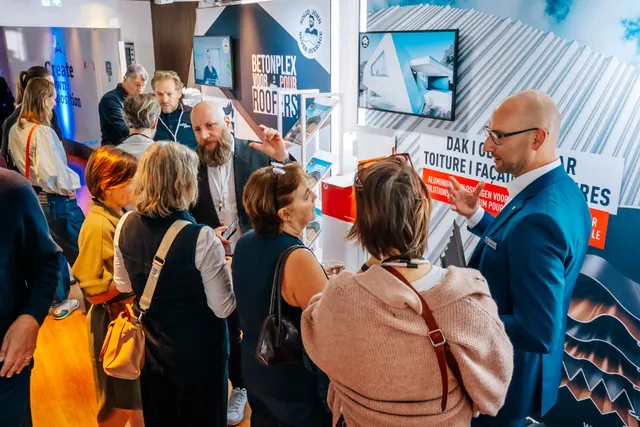
Insulating a façade, or adding insulation to one? Alongside cavity wall insulation, a thermal external wall insulation system with render (ETICS) is an effective option. Sto offers a range of façade insulation systems, including the new, sustainable AimS® product range based on pine oil, presented for the first time at Architect@work. By making 30 per cent of the binder from pine oil, the product range significantly reduces the use of petroleum. The entire range is also made from more than 95 per cent renewable and sustainable raw materials. It has been awarded the German ‘Blauer Engel’ environmental label.
Een zakelijke vraag aan Insulco? Get in touch
Companies in this story
Keep following this
Get an email when a new story is published. No account needed.
- ThemeBuilding envelopes for a changing climate
- SubjectGeneral
- CompanyInsulco