








How can we use energy more intelligently?
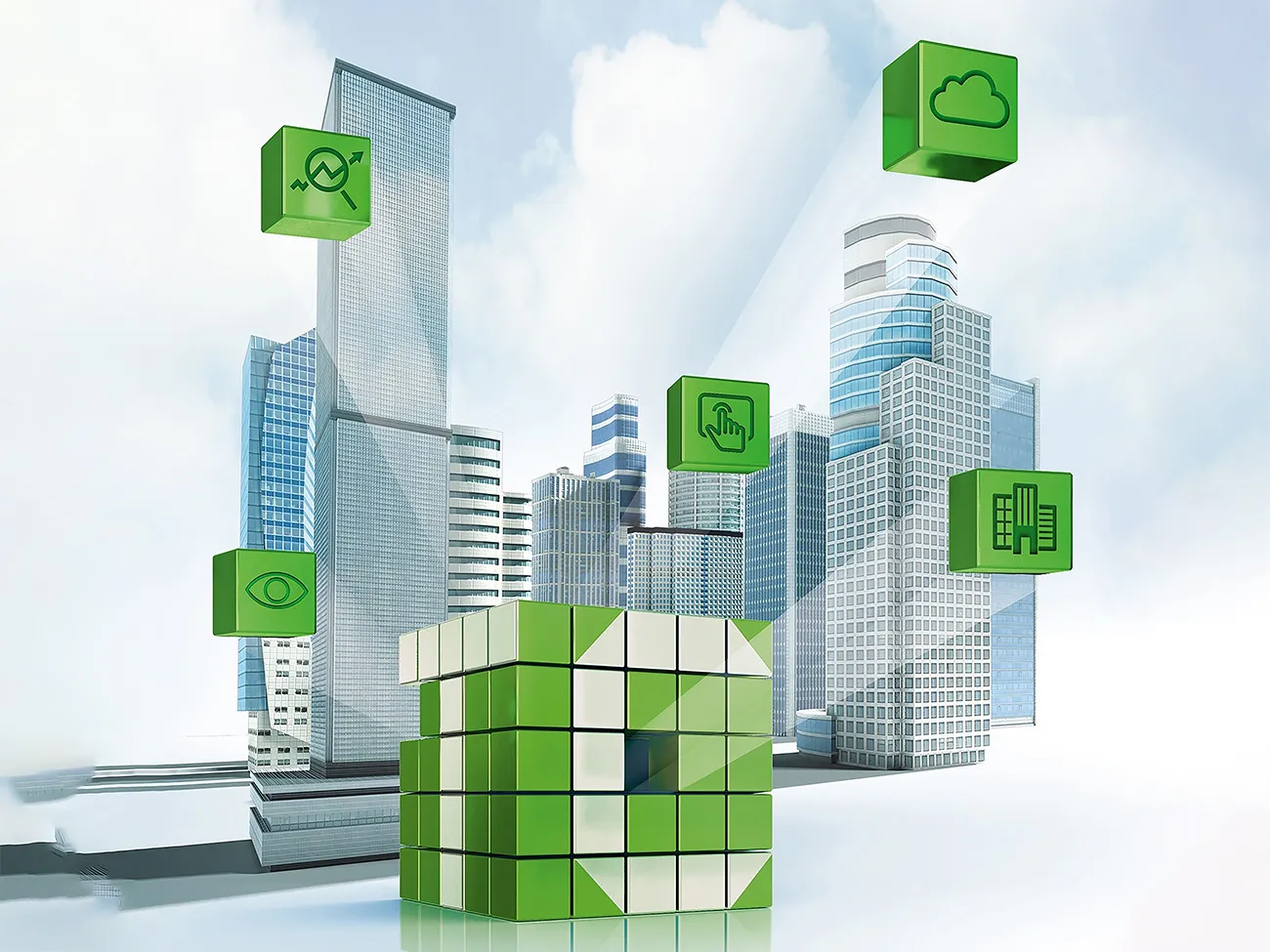
With the new system involving the smart digital meter, households have many questions about how to use the energy generated by their solar panels efficiently.
The removal of the reversing meter can have major consequences for anyone with high-consumption appliances such as heat pumps or an electric car. Battery technology can of course offer an answer, but why not first learn to use energy more intelligently by coordinating all electrical consumers perfectly? Beckhoff’s solution makes this easy to do.
“Communication is the key to using energy more intelligently. The more electrical consumers can communicate with each other, the easier it is to cut energy bills. In other words, building automation. The term may bring to mind office buildings or large factories, but today the technology is also useful and affordable for households looking to reduce their energy consumption,” says Philip Neyens, support engineer at Beckhoff. The foundation of Beckhoff’s building automation solution is openness. Almost any signal generated in a building, whether wireless or wired, can be read by the technology and incorporated into a single integrated system. Energy measurement terminals, digital meters, Modbus meters, an Mbus meter, KNX meters, even the weather forecast from the internet: everything is brought together in a single controller.
Visualising the data
The result is a mountain of data that keeps growing. Neyens: “Fortunately, customers don’t have to search through that mountain of data themselves to find ways to optimise their energy consumption. The Beckhoff controller can be made self-learning. The more data is logged, the better the system can predict how much energy will be needed and when. This makes it possible to coordinate heating, air conditioning, lighting, solar shading, the charging point, battery control and more seamlessly.” But how exactly does it work? Initially, everything is simply visualised for the homeowner, for example via Visu or the Communicator App. “It’s a convenient way to quickly gain a better understanding of energy consumption. Which appliances use the most energy? When are the peak periods? What are the best times to run the dishwasher or charge the car? This allows users to take action themselves to increase their self-consumption of solar energy or spread out their consumption, which will be more cost-effective with the upcoming capacity tariff,” says Neyens.
Fully automatic control
In the next step, you can set limits for the customer. For example, they receive an SMS or email alert when the peak load gets too high. Neyens: “The customer is still responsible for following up appropriately. Increasingly, however, we are being asked to automate the process completely. With some programming and configuration, the Beckhoff PLC can take control itself, automatically operating the digital outputs of electrical consumers.” This could be done using a simple on/off contact for an air conditioner, or through more sophisticated control that, for example, starts the air conditioner at 50 per cent of its capacity. “This is where the real benefits of an integrated system come into play,” Neyens stresses. “Using the weather forecast, the system can set the solar shading in advance or start the air conditioner gently before the heat sets in. The possibilities for creating an integrated, automatic and ever more intelligent system are truly endless. It is important to remember that customers can always take back control and override the system when necessary.”
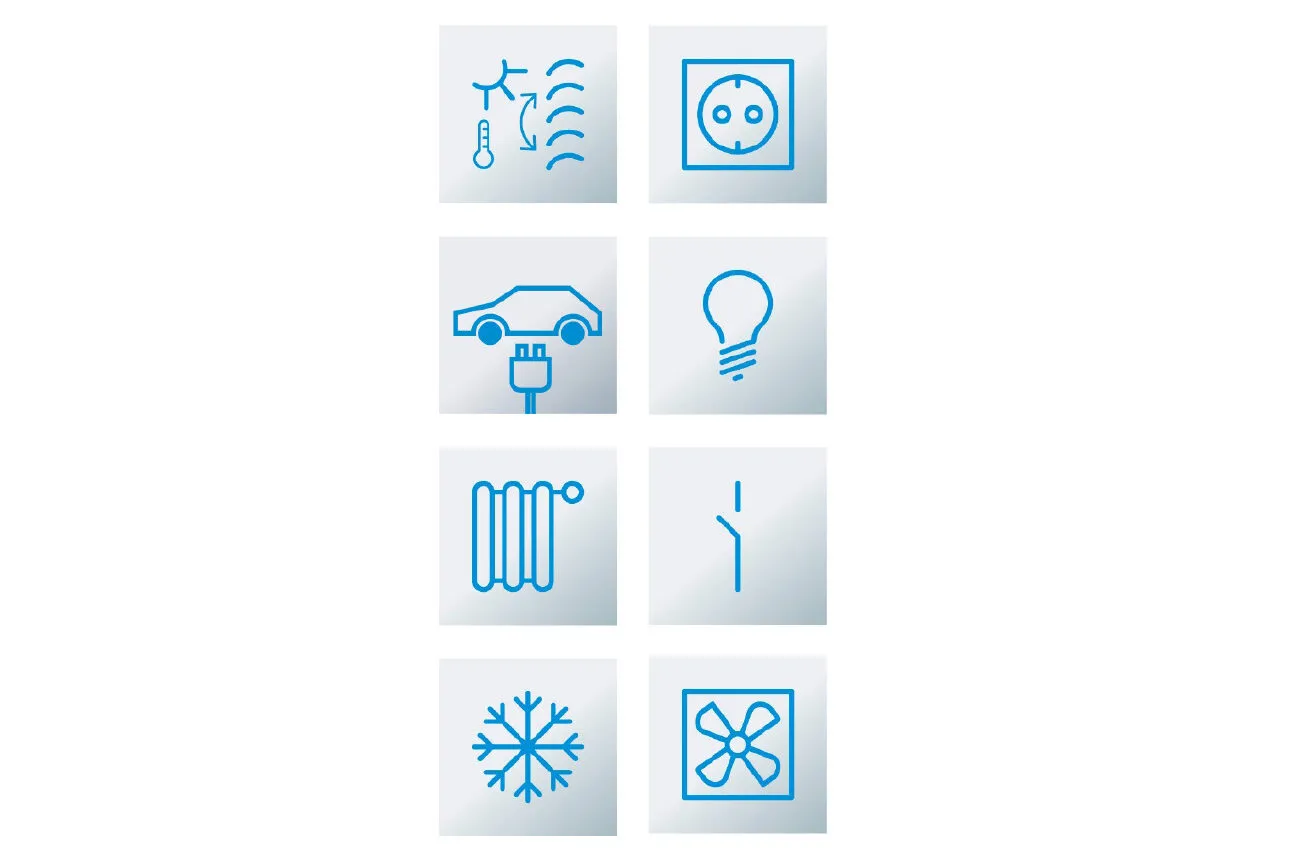
How can you deliver that added value?
But how can you get started with this? Installation techniques and programming may seem like two different worlds. And the challenge only grows, since every household is very different. “The strength of Beckhoff’s solution lies in its simplicity. Even the smallest PLC gives customers enough processing power to handle the entire automation system. However, it does take training and some specialisation to get to grips with all of this. Learning to develop a good, intuitive user interface is the first step. After that, you can decide how much detail to log. But a little understanding of electricity consumption and a good dose of logical thinking will already get you a long way. Beckhoff also provides training for installers who want to explore this area. The further you delve into building automation, the more benefits your customers will reap,” Neyens concludes.
Question about this story? Ask your question
Keep following this
Get an email when a new story is published. No account needed.
- SubjectGeneral







