Flemish Council of the Order of Architects presents proposals
Towards a thorough modernisation of the 1939 Architects Act
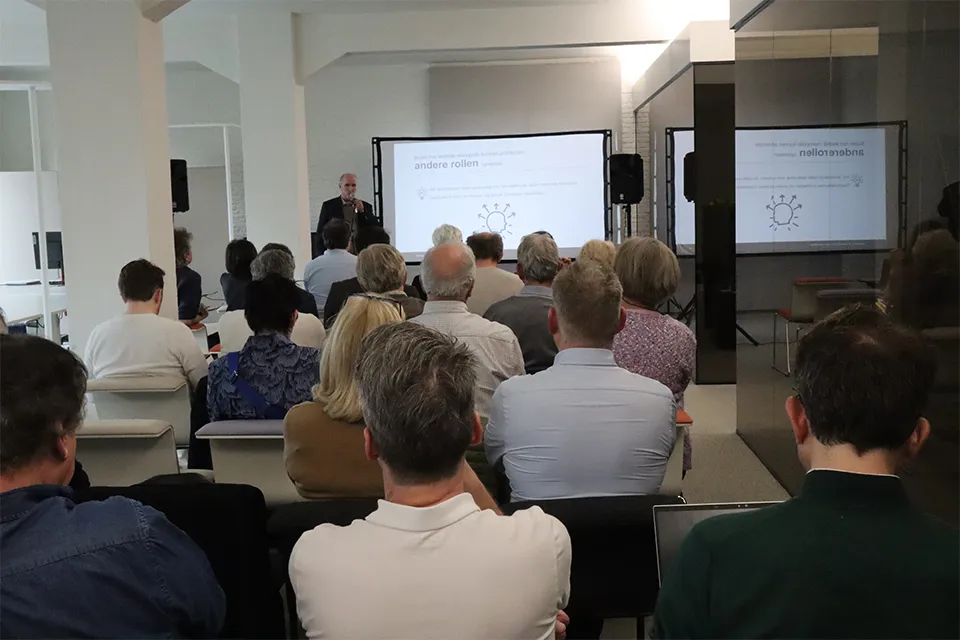
On 6 March 2026, the Flemish Council of the Order of Architects (hereafter: the Flemish Council) presented its vision paper setting out concrete proposals to modernise the Act of 20 February 1939 on the protection of the title and profession of architect (the so-called ‘Architects Act’). According to the Flemish Council, this reform is necessary to bring the legal framework into line with contemporary building practice, which has undergone profound changes in recent decades.
A 1939 legal framework in a 21st-century construction landscape
The current Architects Act dates from 1939 and was drafted for a construction context fundamentally different from today’s. Architects now operate within a complex ecosystem of clients, contractors, consultancy firms, property developers, health and safety coordinators and other specialist professionals. Contractual structures, forms of collaboration such as design & build, digitalisation (Building Information Modelling, BIM), sustainability requirements and insurance obligations have also changed significantly.
The Flemish Council notes that these developments have led to a structural imbalance between:
the architect’s extensive civil and disciplinary liability;
their often limited contractual and practical decision-making power;
and remuneration that is not always commensurate with the responsibilities imposed on them.
This tension is exacerbated by factors including the application of ten-year liability, compulsory professional indemnity insurance and the increasing legalisation of the construction process.
Extensive consultation with the industry
In preparation for its vision paper, the Flemish Council set up a working group that held extensive consultations with architect members and various stakeholders in the construction sector. The result is a broadly supported starting point for a policy document that offers a forward-looking response to structural bottlenecks in the current legal framework.
Key principles of the proposed reform
The proposed modernisation is based on the following fundamental principles:
1. Restoring the value of design and architectural quality
The Flemish Council argues that the architect’s core task should once again take centre stage: designing and safeguarding architectural quality in the public interest. The profession must not be reduced to mere risk management or administrative compliance.
2. Balancing liability, decision-making power and remuneration
The vision paper aims to establish a legally coherent link between responsibility and actual decision-making power. Liability should be proportionate and reflect the architect’s actual influence over design and construction decisions.
3. Proportionate allocation of liability
In line with contemporary collaborative models in the construction sector, the Flemish Council advocates a balanced and transparent allocation of liability among all parties involved. Each party should be liable for its own errors and within its own area of competence.
4. Scope for architectural ambition and innovation
By restoring the balance between responsibilities and risks, the Flemish Council aims to create scope for greater architectural ambition, innovation and the sustainable development of quality, without exposing any one party to disproportionate legal risk.
Towards a future-proof legal framework
With this vision paper, the Flemish Council aims to contribute to constructive dialogue with policymakers and the federal legislator on updating the Architects Act. A modern legal framework should protect the public interest while ensuring that architects can practise effectively and with legal certainty.
Question about this story? Ask your question
Keep following this
Get an email when a new story is published. No account needed.
- SubjectGeneral