Fire safety: why Fire Safety Engineering matters as a design parameter
Text Eva Goossens
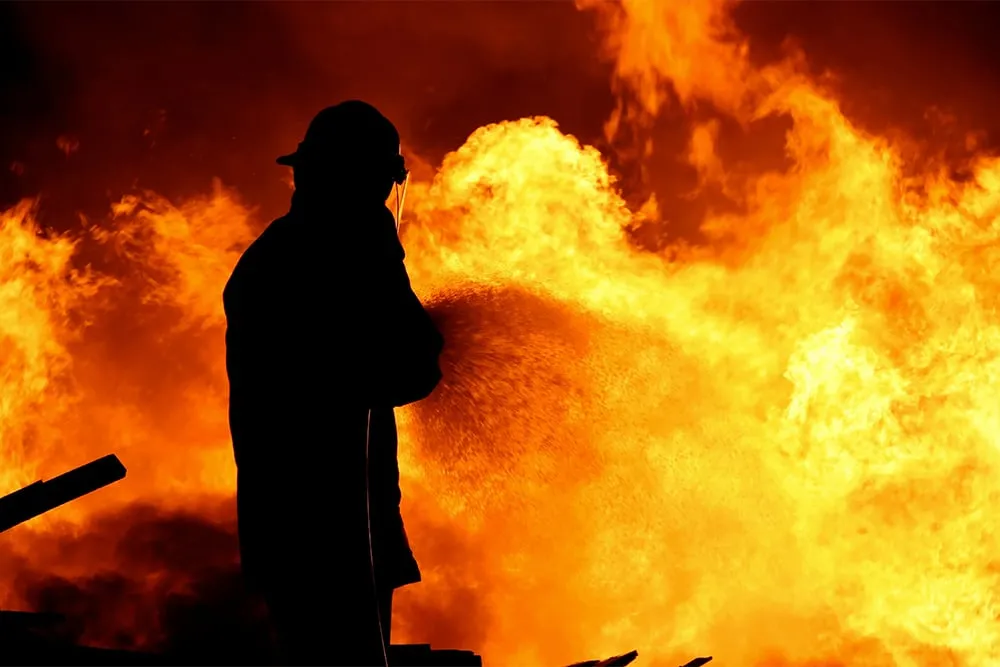
Fire safety is a pressing issue, and one we take very seriously. Dr Bart Merci, professor at UGent and programme director of the Master of Science in Fire Safety Engineering, knows this well. Architects who like to venture beyond standard design conventions, in terms of both compartmentation and material choices, have good reason to look beyond Belgian prescriptive regulations alone. “Growing complexity means that sufficient expertise is needed to assess fire safety,” says Bart Merci. Fire safety as a matter of professional, bespoke design, serving safety and sustainability.
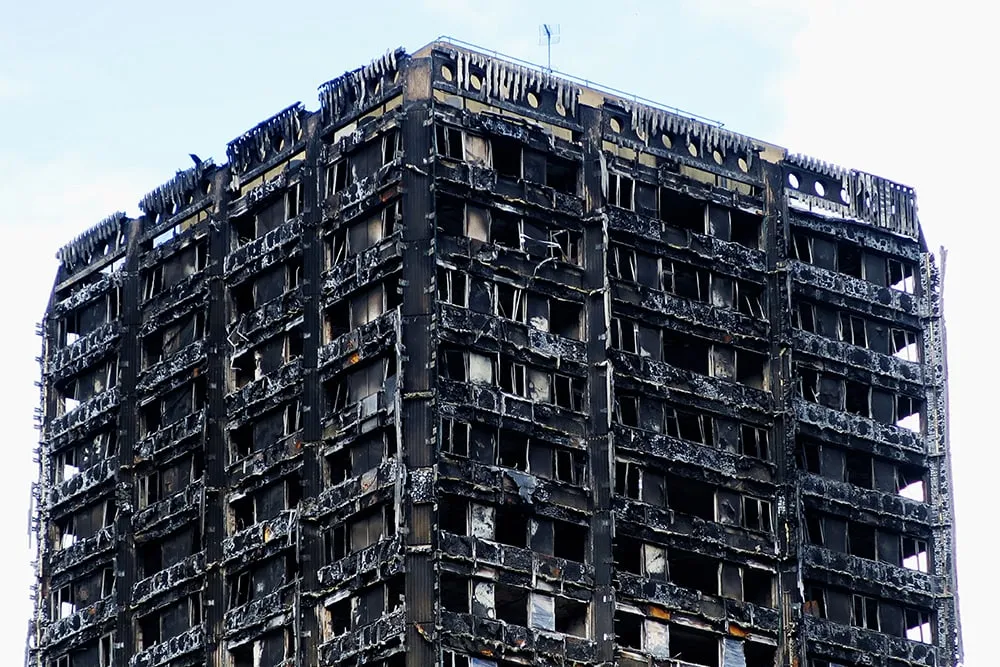
The recent fire in a tower block in Valencia, and perhaps even more so the devastating 2017 Grenfell Tower fire, remain etched in our memory. In both cases, relatively new or recently refurbished buildings fell victim to the flames. The loss of human life and suffering were a wake-up call, but every fire also causes major economic damage and pushes the sustainability of buildings and the materials used further up the agenda. All the more reason to consider fire safety from the earliest stages of a project.
Not a constraint
“Fire safety is not something you can quickly sort out at the end of the design process,” begins Bart Merci of UGent. “Once the building has been fully designed and the material choices have been made, it is often difficult to integrate fire safety in a considered and, above all, cost-effective way. Like sustainability, fire safety should be a primary design parameter. That is why I argue for bringing the necessary expertise into the project team from the outset.” In his view, a Fire Safety Engineer is not there to constrain the architect, although that is sometimes the initial assumption. “Working together can also be inspiring. The Fire Safety Engineer has a facilitating role and will give the architect as much freedom as possible, while ensuring that a sufficiently high level of fire safety is maintained.” In short, amid this complex reality, creativity and practical considerations must be reconciled to create a beautiful, fire-safe and sustainable building.
Fire Safety Engineering
To meet demand for fire safety experts, UGent has been running the international Master in Fire Safety Engineering for around ten years, in collaboration with the universities of Lund, Edinburgh and Catalonia. Its main aim is to equip students with the knowledge and professional mindset required of a Fire Safety Engineer working in a ‘Performance-Based Design’ environment, which goes beyond simply following the letter of the law. It is a specialist field in its own right. The aim is to ensure fire safety reliably, efficiently and economically, based on a risk analysis and objectives set in advance. Graduates go on to work at consultancy and design firms, large architectural practices and inspection bodies, and also in the prevention departments of larger fire services. Bart Merci concludes: “In our country, the fire service has an important say in whether or not a permit is granted. Overall levels of competence are rising, and that is a good thing. It is in the architect’s interests to ensure the design meets the requirements, rather than having to go back to the drawing board. Another reason to bring in sufficient expertise from the outset.”
Question about this story? Ask your question
Keep following this
Get an email when a new story is published. No account needed.
- ThemeTechnologies for safe, smart buildings
- SubjectFire safety