Fire-retardant timber cladding
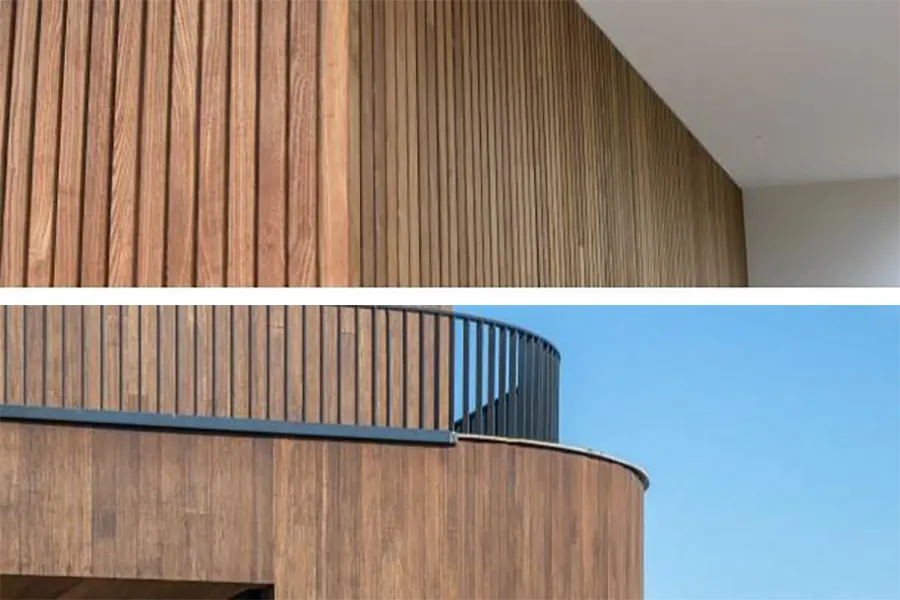
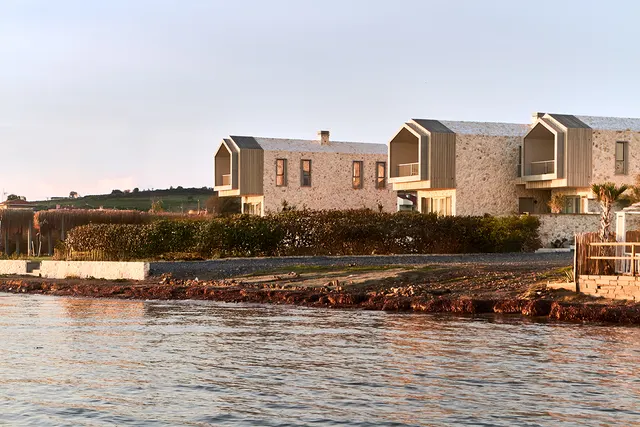
At Carpentier, we understand the importance of fire safety, particularly when it comes to cladding. That is why we offer a carefully curated range of timber cladding profiles which, with or without fire-retardant treatment, meet fire classes D and/or B. Fire certificates are available online.
New fire regulations for timber cladding
Since 20 August 2024, the regulations on the reaction-to-fire classification of timber cladding have changed. The European Commission has ruled that the CWFT table (Certified Without Further Testing) will henceforth apply exclusively to ‘untreated’ timber products. As a result, cladding made from treated or modified timber is no longer covered by the conditions of the CWFT table.
Under the new rules, treated timber profiles must be tested to determine their fire class. Architects, contractors and property developers are also required to provide a valid fire certificate in order to use these profiles as cladding.
You can avoid these tests by choosing from our range of fire-retardant timber cladding. We already hold the required fire certificates for these profiles. The certificates are available online and easy to download using your personal login. It is also possible to have other timber profiles treated with a fire retardant so that they meet the required reaction-to-fire class.
Whether you need to use cladding with a D or B classification depends largely on the height of the building. Want to know exactly how this works? Our white paper explains it clearly.
Download our white paper on fire safety
Fire class D profiles
Fire class B profiles
Een zakelijke vraag aan Carpentier Hardwood Solutions? Get in touch
Companies in this story

Keep following this
Get an email when a new story is published. No account needed.
- ThemeBuilding envelopes for a changing climate
- SubjectGeneral
- CompanyCarpentier Hardwood Solutions