Covid and the further ‘rurbanisation’
It is well known that seismic events can have a powerful steroid-like effect on the civilisational processes that usually unfold at a leisurely pace. A major crisis such as Covid can give these processes, or megatrends, a significant boost, taking society to a new and higher level. In my new book, ‘Gap the mind’, I take a closer look at the impact of mind-blowing events on people, markets and society. A crisis leaves its mark, but it also stretches the mind, making people more open to new insights and behaviours. This shift in behaviour is something to take into account, including as an architect or construction or housing professional.
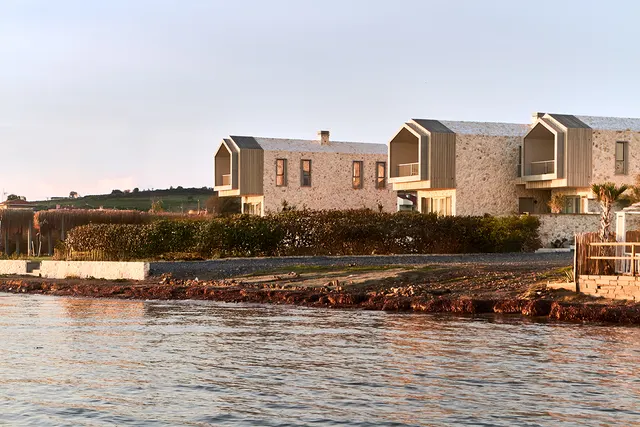
One of the ten civilisational processes I identify is urbanisation. It is well known that Covid prompted many people to leave the city for a suburban home with a garden. Although this trend had already begun, the phenomenon of ‘rurbanisation’ is now receiving extra attention. Affluent baby boomers are moving to vibrant cities and pushing up property prices. The generation bearing the brunt is the Xennials, a blend of Generation X and Millennials, with young children. Their desire for more space and a safe, healthy place to live is taking them back to suburban and rural areas. We are seeing ‘trading places’: the boomers are moving to the city, while people in their thirties with children are leaving it. The result is a progressive province, infused with the ‘urban mindset’ of these Xennials. This is also influencing how people live, build and make their homes, with more and more urban references appearing in rural settings.
Other megatrends accelerated by Covid include individualisation, sustainability and, of course, health. In the latter area, we are seeing a shift in mindset from curative to preventive healthcare. Prevention is better than cure. This is reflected in a number of phenomena. First, there is the continued development of WELL buildings, healthy buildings certified by the WELL Building Institute. More attention is being paid to air quality, as well as acoustics. The quiet during Covid made us reflect on the hectic pace of the workplace and the effect of a calm environment on work efficiency. In terms of air quality, I also see a bright future for ‘phytoremediation’, or treating polluted air streams using plant-based materials. One square metre of untreated moss, for example, has the same air-purifying effect as 18 young trees. The ‘Operating System Nature’ at work.
Finally, a thought on the crisis’s effect on the megatrends of connectivity and security. The forced shift to digital has made people think more about cybersecurity and privacy. The Edelman Trust Barometer shows that people’s trust in technology companies has taken a hit: 68 per cent, compared with 79 per cent in 2019. This could affect providers of smart home solutions. Security, and providing thorough information about it, will remain essential in the future.
Find out more and read: ‘Gap the mind’, Herman Konings, 2021, Lannoo.
Question about this story? Ask your question
Keep following this
Get an email when a new story is published. No account needed.
- SubjectGeneral