








Building ‘anew’: towards an architecture of what is already at hand
Even before our generation of architects came into being, there was already an awareness that our blue planet’s carrying capacity and resources are finite. The need to act has never been more urgent. Although this awareness seems to be taking an agonisingly long time to sink in, positive visions of the future are now needed to foster a new building culture and accelerate this transition.
Initially, the focus of this shift was on the necessary reduction of material and energy use, and of comfort. Since the turn of the century, however, the idea of circularity has emerged, with great relevance and wide applicability. As the paradigm of endless growth shifts significantly, a vision that reunites and connects is taking shape.
Unlike other concepts relating to sustainability, creating closed loops, with a cycle of growth and regeneration based on natural processes, is a clearly tangible idea. Cities and buildings have rarely improved simply because they met energy requirements or sustainability standards. There are countless examples of interventions that improve a building’s sustainability score but have little impact on its quality. The reason this quantification has yet to achieve its intended impact is that, beyond measuring and scoring sustainability, there is no comprehensive concept. Anything goes, as long as the scores are met. But closing the loops can drive broader change across all stakeholders and sectors, driven by improving existing projects and products rather than by guilt over their impact. In this context, ‘natural’ growth is no longer a stigma, but a necessity for setting this transition in motion.
In Europe, it may seem that we have built out all there is to build. Nothing could be further from the truth, but we must be increasingly bold in choosing where to build, and that will more often mean following in the footsteps of those who came before us. A renewed building culture is emerging, one that starts from what is already at hand. ‘Adaptive reuse’ embraces the materials and energy already invested in an existing building. If 70 per cent of a building’s CO2 impact is embodied in its structure, then extending the life of its frame certainly deserves our attention. And even when a project does not involve renovating or repurposing existing buildings, it may be on a brownfield site, where the traces of earlier construction will shape the future. The development of open space must now come to an end. Biodiversity, climate adaptation, smart mobility and water management are essential, and will become guiding themes in the reuse of our space.
This connecting transition also provides the foundation for new economic models, local manufacturing and technological innovation. Repairing what already exists requires a more locally rooted network of manufacturers. Think of producers who commit to keeping their products in the loop and research technologies for reuse. The new European regulations, which establish both the right and the obligation to repair, offer hope in this respect. Applying this ‘right to repair’ to the built environment is inspiring. All too often, current architectural practice is still hampered by the obsession with creating yet another one-off, unique project. This, too, is an unsustainable model for the future, both for people and for business. Let us embrace what is valuable and lovingly improve what already exists. It also offers architects the prospect of a circular business model, in which a project calls for a lifetime of services to adapt and improve it.
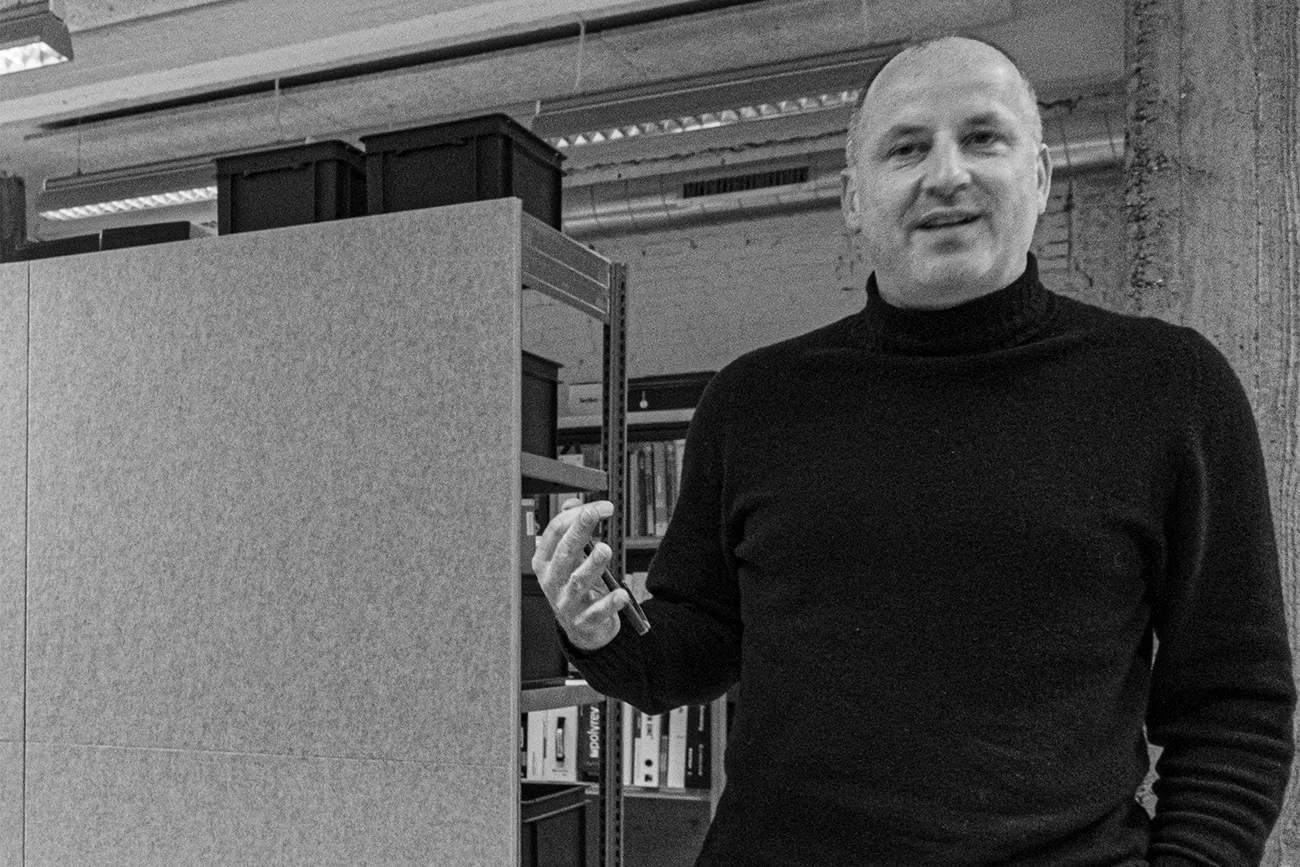
Koen Drossaert,
Architect and Managing Partner at HUB
Question about this story? Ask your question
Keep following this
Get an email when a new story is published. No account needed.
- SubjectGeneral







